
Sports Trivia: 34 Bizarre Rule Loopholes, Stadium Riots & Wild True Moments Fans Never Learned
Forget dry box scores—test your wits on 34 outrageous loopholes, stadium pranks, and verified sports misadventures that actually happened.
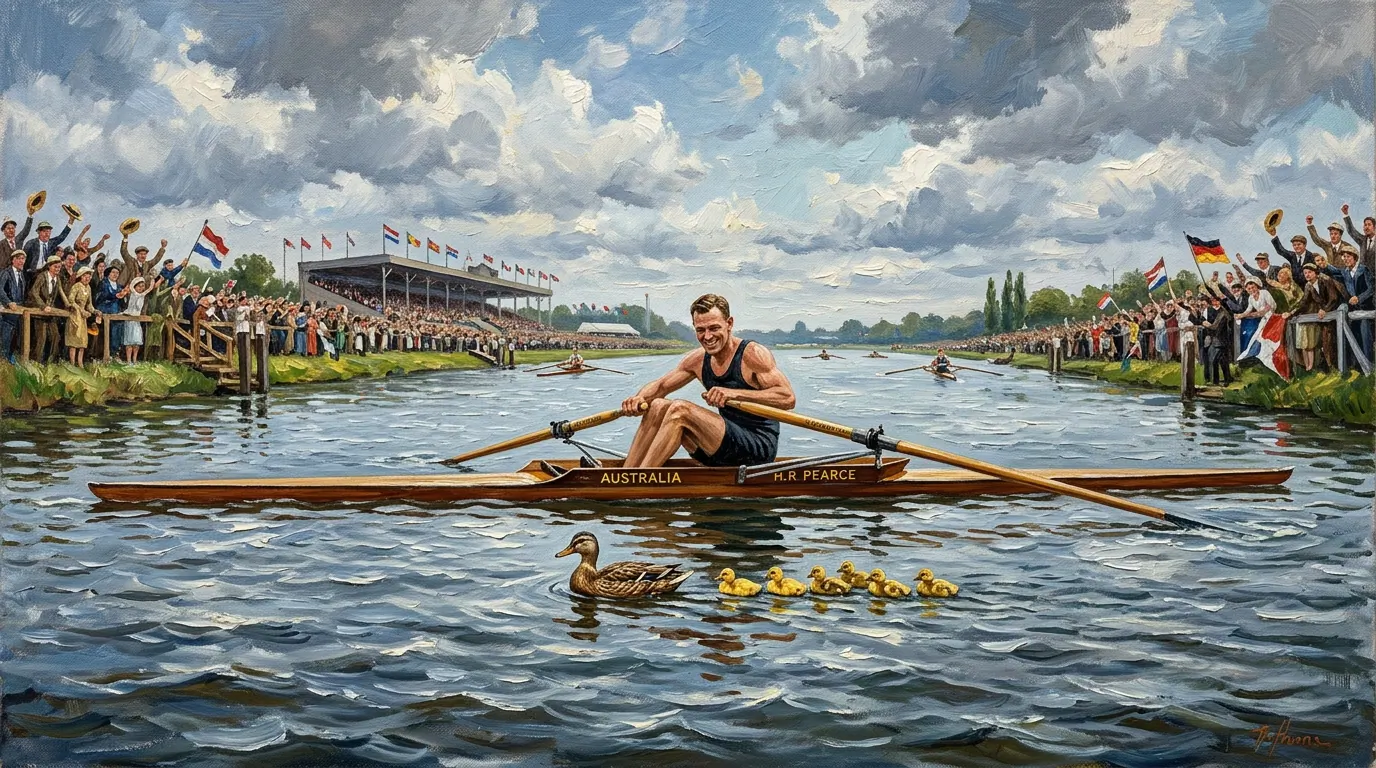
1.Why did Olympic rower Bobby Pearce stop mid-race in 1928—and still win gold?
Correct Answer: A. A family of ducks
Explanation: During the quarterfinals of the single sculls at the 1928 Amsterdam Olympics, Australian rower Bobby Pearce spotted a mother duck and her line of ducklings swimming single-file right across his canal lane.
Rather than plowing through them, Pearce leaned on his oars and came to a complete stop while his French rival rowed past into a huge five-length lead.
Once the last duckling paddled safely clear, Pearce surged back to win the race and went on to claim the Olympic gold medal by nearly 10 seconds!
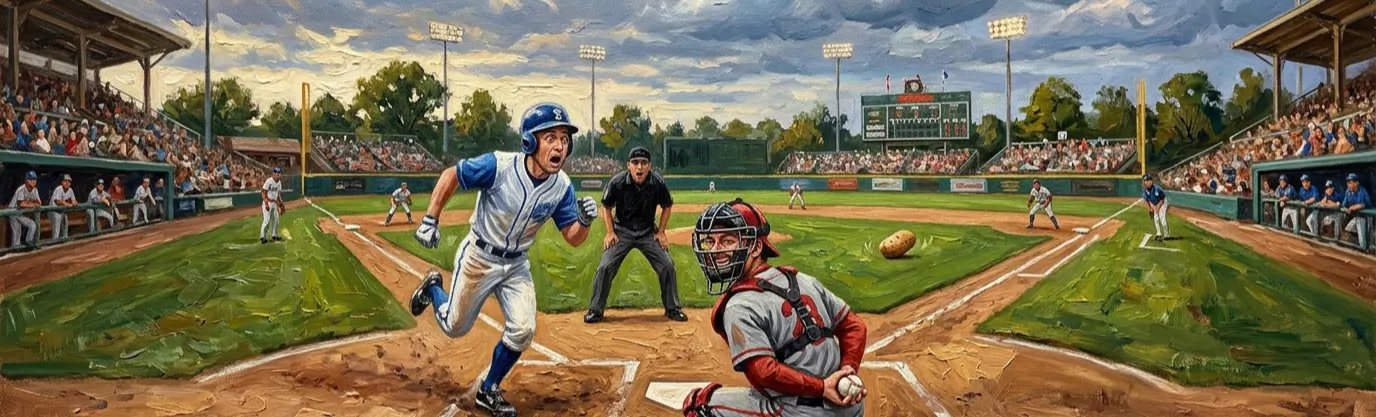
2.What did catcher Dave Bresnahan throw into the outfield to trick a baserunner?
Correct Answer: B. A peeled potato
Explanation: In an August 1987 minor-league game for the Williamsport Bills, backup catcher Dave Bresnahan hid a peeled, baseball-sized Idaho potato inside a spare catcher's mitt.
With a runner on third base, Bresnahan intentionally hurled the potato wildly into left field—and when the runner trotted home for an easy score, Bresnahan tagged him out with the real baseball he had kept in his other hand!
The umpire called the runner safe anyway, the manager fined Bresnahan $50, and the team released him the next day—before retiring his number in front of 4,000 fans who paid admission with potatoes.

3.Why did goalkeeper Sam Bartram stand alone in his net for 15 minutes in 1937?
Correct Answer: C. Thick fog hid the cancellation
Explanation: On Christmas Day 1937, a pea-soup London fog rolled over Stamford Bridge during a match between Chelsea and Charlton Athletic, growing so thick that the referee stopped the game and sent both teams to the locker rooms.
At the far end of the pitch, Charlton goalkeeper Sam Bartram didn't hear the whistle and assumed his teammates were simply pinning Chelsea in their own half.
He paced happily on his goal line with arms outstretched for 15 minutes until a stadium policeman emerged from the mist and told him everyone else had gone home!
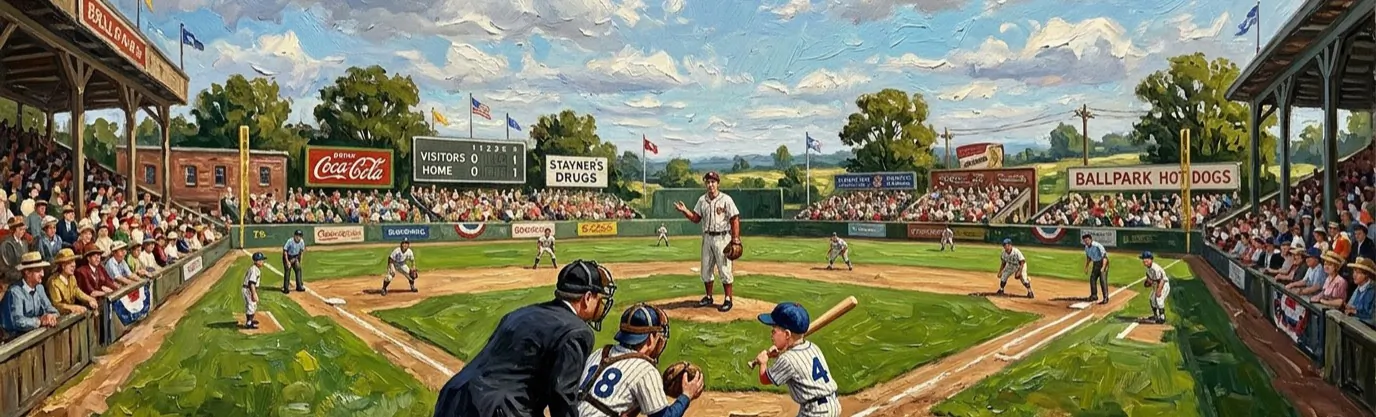
4.What uniform number did 3-foot-7 batter Eddie Gaedel wear for the St. Louis Browns?
Correct Answer: D. The fraction 1/8
Explanation: On August 19, 1951, showman St. Louis Browns owner Bill Veeck signed 3-foot-7 vaudeville performer Eddie Gaedel to a real Major League contract and sent him up to pinch-hit wearing the fraction "1/8" on the back of his tiny uniform.
When Gaedel crouched at the plate, his strike zone measured just 1.5 inches high. Detroit pitcher Bob Cain couldn't stop laughing and walked him on four straight high pitches.
Gaedel trotted to first base, patted the first-base coach on the hip, and retired with a career 1.000 on-base percentage before the league banned his contract the next day.

5.What grand prize do winners of Finland's Wife-Carrying World Championship take home?
Correct Answer: A. Their wife's weight in beer
Explanation: Held every July in Sonkajärvi, Finland since 1992, the Wife-Carrying World Championship challenges couples to sprint through a 253.5-meter sand, grass, and water obstacle course.
Most champions use the "Estonian carry," where the wife hangs upside-down on the husband's back with her legs wrapped around his shoulders.
At the podium, the winning partner is placed on one side of a giant balance scale and awarded her exact body weight in icy Finnish beer!
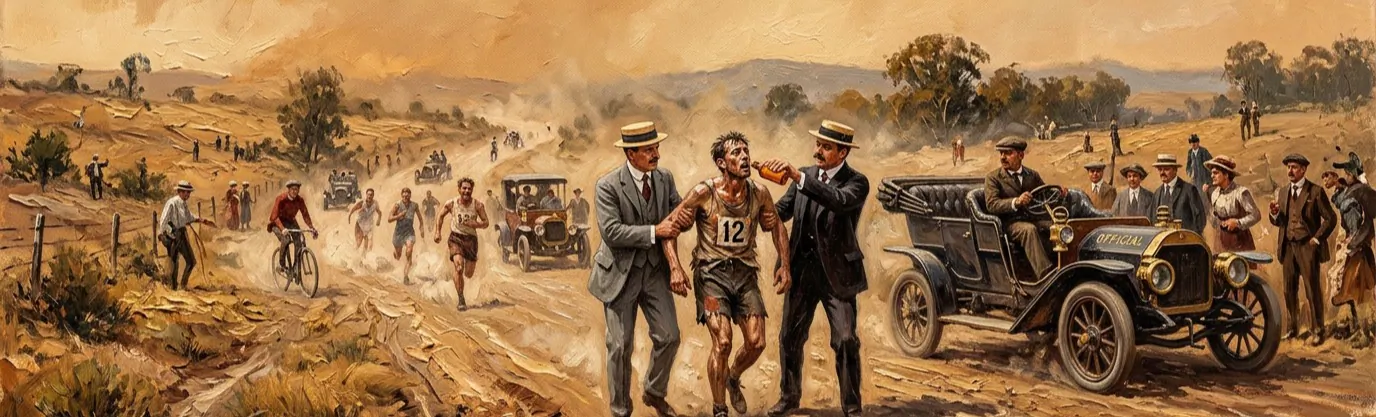
6.What 'performance enhancer' did trainers feed 1904 Olympic marathon winner Thomas Hicks?
Correct Answer: B. Rat poison and brandy
Explanation: Run in 90-degree heat along dusty unpaved roads in St. Louis, the 1904 Olympic Marathon refused runners any water outside a single roadside well at mile 11.
When American runner Thomas Hicks began collapsing seven miles from the finish, his handlers kept him moving with small doses of strychnine sulfate (rat poison) mixed with raw egg whites and warm brandy.
Hallucinating that the finish line was still 20 miles away, Hicks was practically carried across the tape by his trainers while shuffling his feet in the air—and still kept the gold medal.
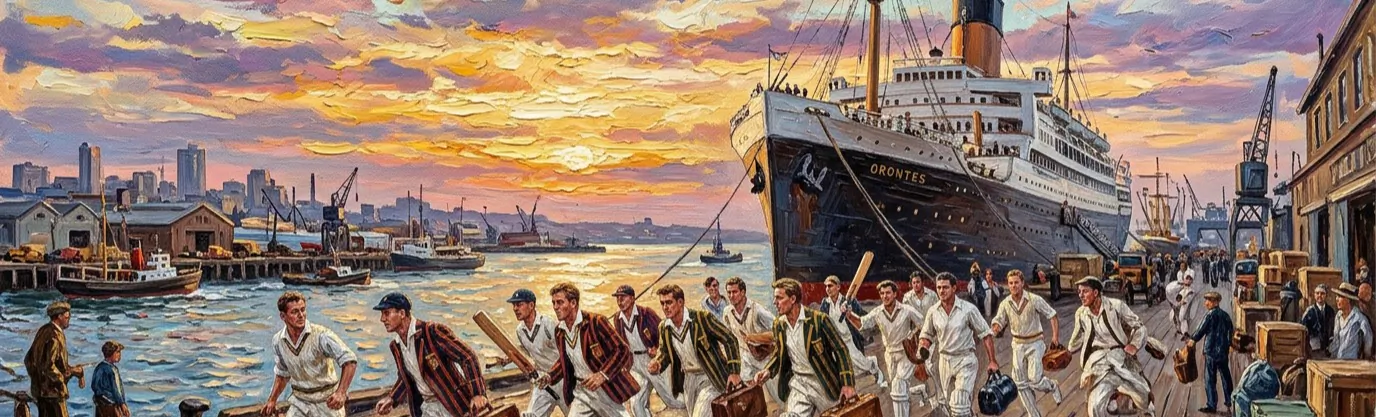
7.Why did an epic 14-day Test cricket match in 1939 finally end in a tie?
Correct Answer: C. England's ship home was leaving
Explanation: In March 1939, England and South Africa contested a "Timeless Test" in Durban—a cricket match designed to be played until one team won, no matter how many days it took.
After 10 days of play spread across 14 calendar days and a record 1,981 runs scored, England needed just 42 more runs to win when the sky opened up.
Because the English team's ocean liner, the *Athlone Castle*, was scheduled to set sail from Cape Town that evening, the players had to abandon the match and sprint for the train—prompting authorities to outlaw Timeless Tests forever.
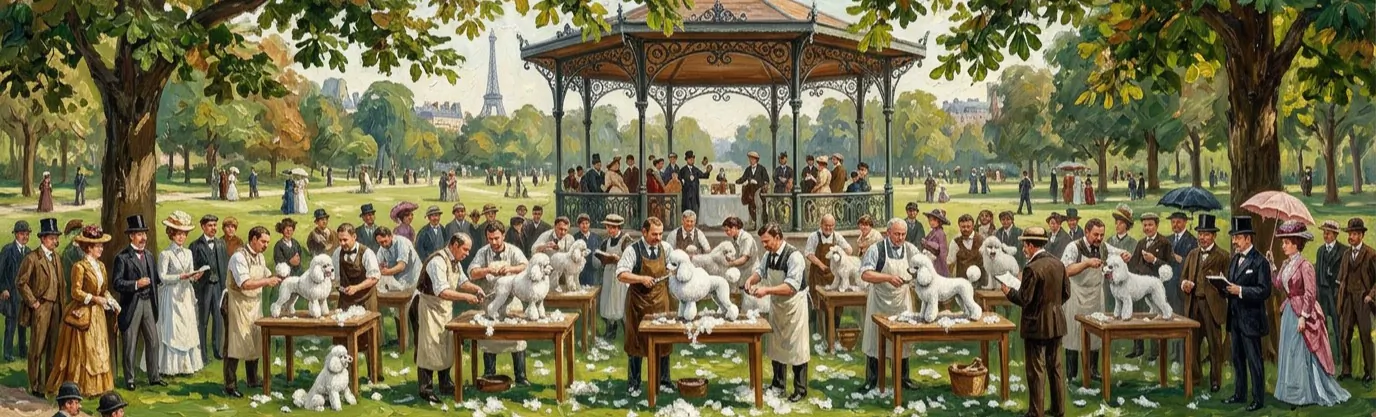
8.What strange event involving 600 dogs was contested at the 1900 Paris Olympics?
Correct Answer: D. Competitive poodle clipping
Explanation: Organized alongside the 1900 Paris World's Fair, the 1900 Summer Games featured an eclectic lineup of competitions before the International Olympic Committee standardized the program.
In front of 6,000 spectators in the Bois de Boulogne park, 128 professional groomers competed in speed poodle-clipping, racing with scissors for two hours to shear 600 French poodles into regulation coats.
A farmer's wife named Avril Lafoule clipped 17 poodles in two hours to take home the top gold prize!
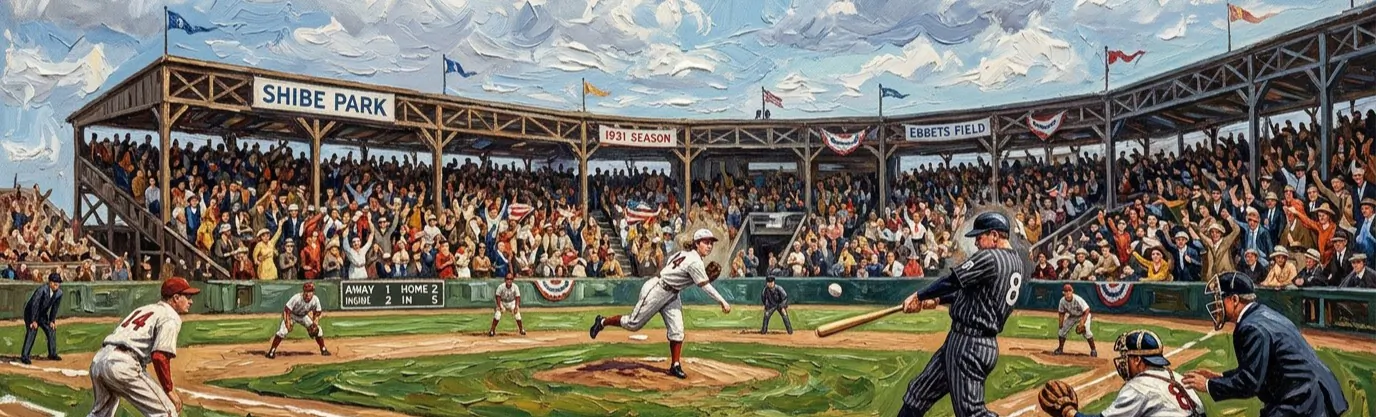
9.How did 17-year-old Jackie Mitchell stun Babe Ruth and Lou Gehrig in 1931?
Correct Answer: A. Striking both out back-to-back
Explanation: On April 2, 1931, 17-year-old left-handed pitcher Jackie Mitchell took the mound for the minor-league Chattanooga Lookouts in an exhibition game against the powerhouse New York Yankees.
Using a wicked sinker, the teenager struck out Babe Ruth on four pitches—causing the furious "Sultan of Swat" to fling his bat in disgust—and then struck out Lou Gehrig on three straight swings right after him!
Days later, Baseball Commissioner Kenesaw Mountain Landis voided her contract, claiming baseball was "too strenuous for women."

10.What makeshift club did astronaut Alan Shepard use to play golf on the Moon?
Correct Answer: B. A 6-iron taped to a rock scoop
Explanation: Before launching on Apollo 14 in January 1971, Commander Alan Shepard secretly paid a Houston club pro to modify a Wilson Staff 6-iron head so it could snap onto the folding aluminum handle of NASA's lunar soil-sampling scoop.
Encased in a stiff pressurized spacesuit that forced him to swing one-handed, Shepard shanked his first shot into a nearby crater before catching the second ball cleanly.
In the Moon's one-sixth gravity and zero air resistance, Shepard boasted that the second ball traveled "miles and miles and miles."
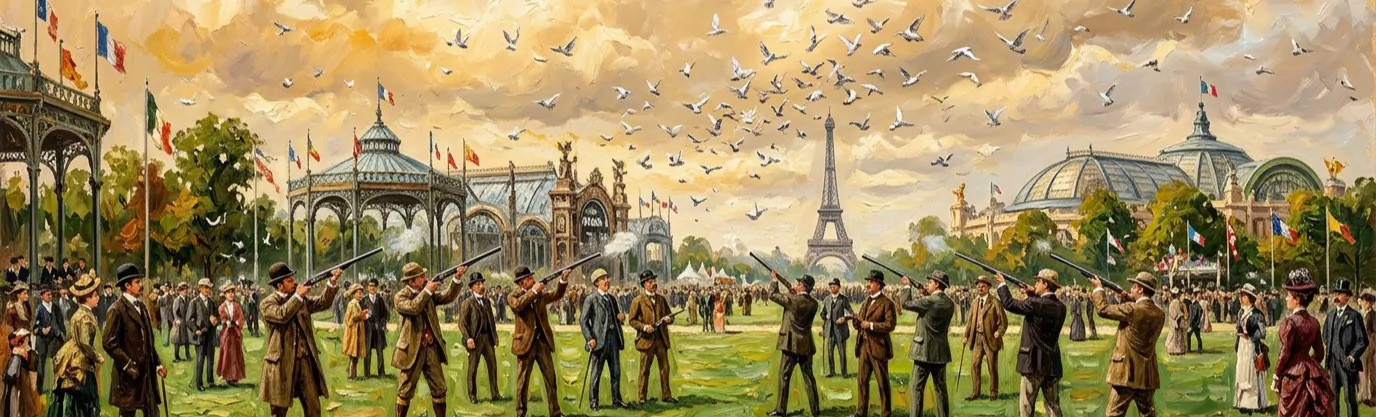
11.Why was the 1900 Paris Olympic pigeon-shooting event never repeated again?
Correct Answer: C. 300 real live pigeons were used
Explanation: For the only time in Olympic history, organizers at the 1900 Paris Games used real, live pigeons instead of clay targets for the trap-shooting event.
Birds were released six at a time from spring boxes 27 meters in front of the marksmen, and Belgian shooter Léon de Lunden won by downing 21 birds before missing two.
By the end of the afternoon, feathers and 300 dead pigeons littered the lawn in such a gruesome mess that the IOC permanently replaced live birds with clay targets.
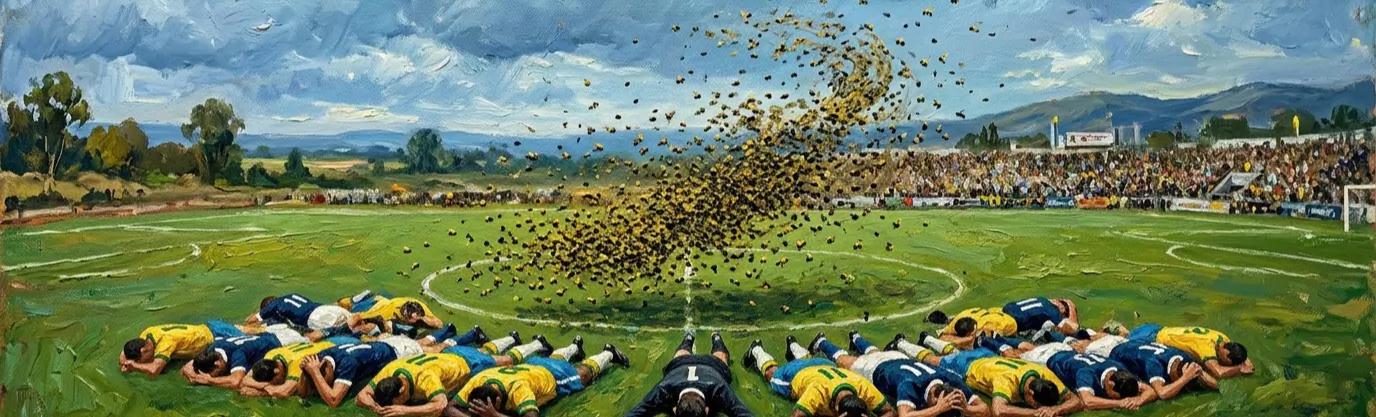
12.What forced every player and the referee to lie flat on the grass in a Brazilian soccer match?
Correct Answer: D. A swarm of angry bees
Explanation: Brazilian football matches have been halted by everything from runaway dogs to tropical storms, but nothing flattens a stadium faster than a migrating swarm of Africanized bees.
When a massive bee cloud descended right over the pitch mid-match, all 22 players, the linesmen, and the referee dropped face-down into the grass simultaneously and stayed motionless until the swarm buzzed past the goalposts.
Not a single red card was needed to enforce the timeout!
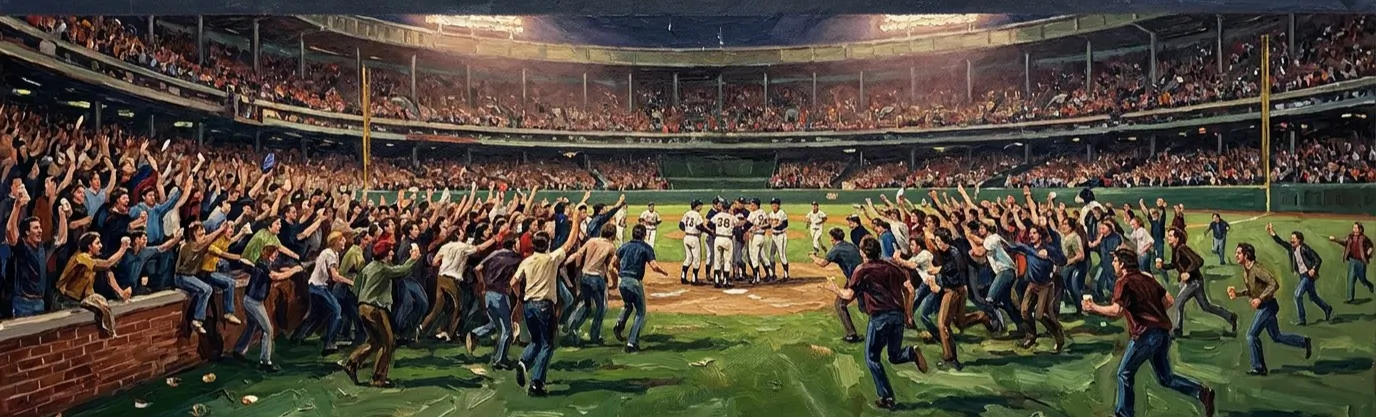
13.What disastrous promotion forced the Cleveland Indians to forfeit on June 4, 1974?
Correct Answer: A. Ten-Cent Beer Night
Explanation: To draw fans to a Tuesday game against the Texas Rangers on June 4, 1974, the Cleveland Indians offered 12-ounce cups of beer for just 10 cents each—with a generous limit of six beers per purchase and zero lifetime limit.
Over 25,000 fans packed Municipal Stadium, and by the ninth inning, streakers, firecrackers, and flying stadium seats had taken over the field.
When a fan stole Texas outfielder Jeff Burroughs's cap, Indians manager Ken Aspromonte ordered his own players to grab bats and rescue the opposing team before umpires forfeited the tied game!
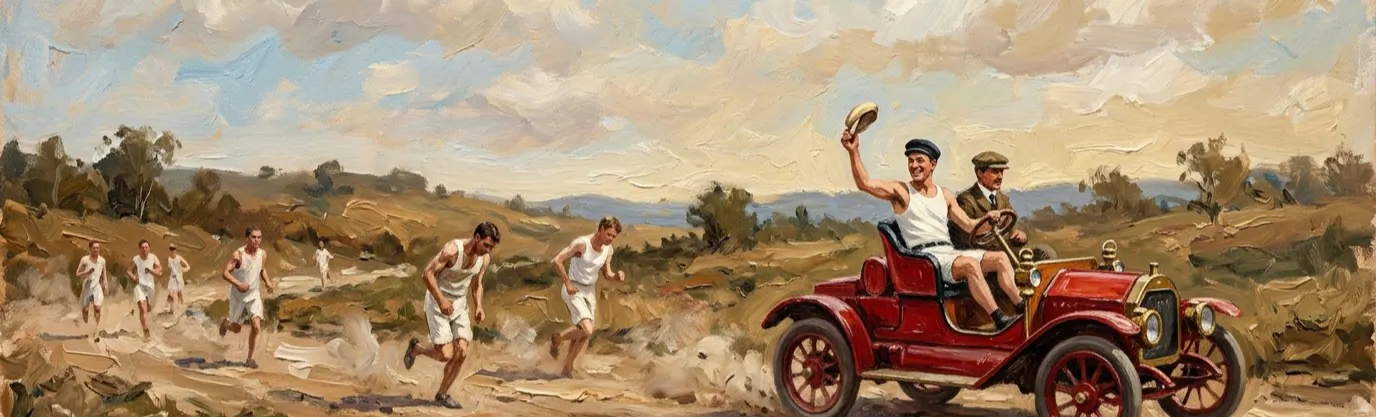
14.How did Fred Lorz cross the finish line first at the 1904 Olympic Marathon?
Correct Answer: B. Riding 11 miles in a car
Explanation: Exhausted by cramps nine miles into the scorching 1904 St. Louis Olympic Marathon, American runner Fred Lorz hopped into his manager's automobile and rode for the next 11 miles while waving at competitors in the dust.
When the car broke down at mile 20, a refreshed Lorz jogged the final six miles into the stadium, broke the tape first, and posed for a photo with Alice Roosevelt, daughter of President Theodore Roosevelt!
Moments before the gold medal was placed around his neck, officials arrived in a fury—and Lorz grinned and claimed the whole thing was just a practical joke.
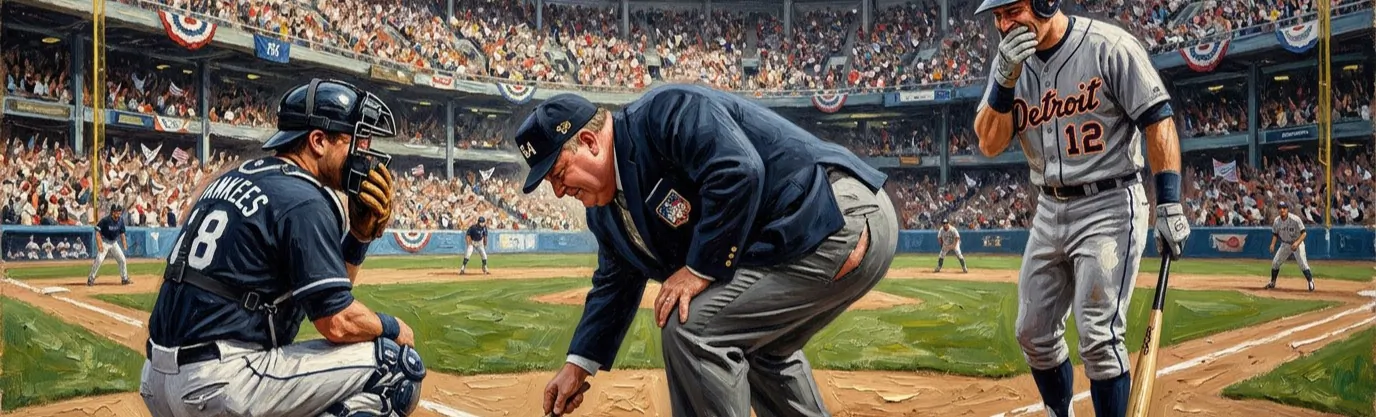
15.Why did Major League Baseball's umpire manual historically require black underwear?
Correct Answer: C. In case their pants split
Explanation: Because home-plate umpires spend three hours squatting up and down hundreds of times a game in tight wool trousers, split seams behind the plate were a constant occupational hazard.
To spare umpires from flashing bright white briefs to 40,000 fans and live television cameras when a seam popped mid-inning, MLB's official dress code required umpires to wear black underwear under their dark pants!

16.What did Randy Johnson's 100-mph fastball accidentally hit mid-air in 2001?
Correct Answer: D. A flying dove
Explanation: During the seventh inning of a March 24, 2001 spring training game in Tucson, Arizona, 6-foot-10 Diamondbacks ace Randy Johnson unleashed a 100-mph fastball toward San Francisco hitter Calvin Murray.
At the exact millisecond the baseball crossed the plate path, a mourning dove swooped across the infield—exploding in a surreal snowstorm of white feathers without the ball ever reaching the catcher's mitt!
Perplexed umpires consulted rulebook Section 8.01(c) and ruled it a "no pitch," and Johnson later made a silhouette of the bird the logo of his post-retirement photography company.

17.Why did Japanese runner Shizo Kanakuri take 54 years to finish the 1912 Olympic Marathon?
Correct Answer: A. He stopped for juice and went home
Explanation: After an exhausting 18-day train and ship journey to the 1912 Stockholm Olympics, Japanese marathoner Shizo Kanakuri was overcome by the summer heat at mile 16 and stumbled into a Swedish family's backyard garden party.
The hosts gave him a glass of raspberry juice, a cinnamon bun, and a couch to rest on—where Kanakuri fell fast asleep until the next morning and quietly caught a train back to Japan without telling race officials!
Listed as a missing person in Sweden for 50 years, Kanakuri was invited back in 1967 at age 75 to cross the finish line with an official time of 54 years, 8 months, 6 days, 5 hours, 32 minutes, and 20.3 seconds.

18.What did Pirates pitcher Dock Ellis claim he was under the influence of during his 1970 no-hitter?
Correct Answer: B. LSD
Explanation: Losing track of the days of the week while visiting friends in Los Angeles on June 11, 1970, Pittsburgh Pirates pitcher Dock Ellis took LSD—only for his friend to read the morning paper and shout that Ellis was scheduled to pitch in San Diego that afternoon!
Ellis caught a last-minute flight and took the mound at 6:05 PM while hallucinating that the batter was Richard Nixon, the umpire was Jimi Hendrix, and the baseball was changing sizes from a pea to a beach ball.
Despite walking eight batters and hitting one, Ellis threw a 2–0 no-hitter against the Padres and never allowed a single hit!

19.How did ultrarunner Arvind Pandya run from Los Angeles to New York in 1984?
Correct Answer: C. Completely backward
Explanation: Between August and December 1984, Indian ultrarunner Arvind Pandya completed a grueling transcontinental run from Los Angeles to New York City in 107 days—running every single step backward!
Using handheld rearview mirrors to spot potholes and traffic behind him, Pandya wore through dozens of pairs of running shoes and set one of endurance athletics' wildest records.
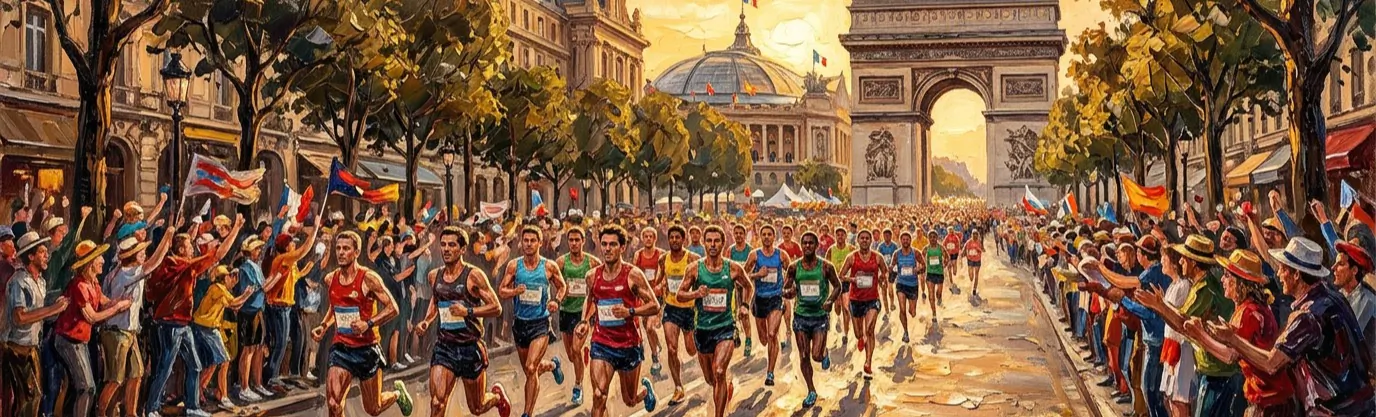
20.Why did the 1908 Russian Olympic team arrive 12 days late to the London Games?
Correct Answer: D. Their calendar was 12 days behind
Explanation: When Imperial Russia's athletes packed their bags for the 1908 London Olympics, Russia was still using the old Julian calendar, which lagged 12 days behind the Gregorian calendar used in Britain and Western Europe.
Nobody thought to convert the dates on the train tickets, so the Russian delegation arrived at the London stadium nearly two weeks late!

21.Where did German athlete Jens Stötzner pedal a bicycle for 6.7 kilometers in 2013?
Correct Answer: A. Underwater at the bottom of a pool
Explanation: Equipped with scuba gear and a heavily weighted steel bicycle frame to counteract buoyancy, German endurance diver Jens Stötzner completed 78 laps along the tiled floor of a swimming pool in Taucha, Germany.
Pedaling against crushing water drag, he covered 6,708 meters (4.16 miles) completely submerged to set the underwater cycling distance record!

22.What did Swiss athlete Christian Adam play while riding a unicycle backward for 37 miles?
Correct Answer: B. A violin
Explanation: Combining endurance cycling with concert music, Swiss multi-sport performer Christian Adam pedaled a single-wheeled unicycle backward for 60.45 kilometers (37.5 miles) in 5 hours and 8 minutes while continuously playing classical tunes on a violin!
Judges followed alongside in a pace car to verify that neither his backward pedaling nor his violin bowing stopped.

23.How many watermelons did martial artist Ashrita Furman karate-chop in half in 60 seconds?
Correct Answer: C. 75 watermelons
Explanation: Endurance athlete and martial artist Ashrita Furman—who has set more than 600 official world records—lined up rows of ripe watermelons on tables in Queens, New York.
Using bare-handed karate knife-hand strikes, he split 75 watermelons cleanly in half in just 60 seconds—more than one melon every single second!

24.What intruder accidentally toppled 23,000 tiles early at the 2005 World Domino Championship?
Correct Answer: D. A wild house sparrow
Explanation: Days before the 2005 "Domino Day" World Championship broadcast in Leeuwarden, Netherlands—where 90 builders had spent weeks setting up over 4 million dominoes—a tiny house sparrow flew into the arena and landed on a domino line.
The bird knocked over 23,000 tiles before protective firegates stopped the chain reaction, sparking an international uproar when stadium security hired a hunter to shoot the sparrow!
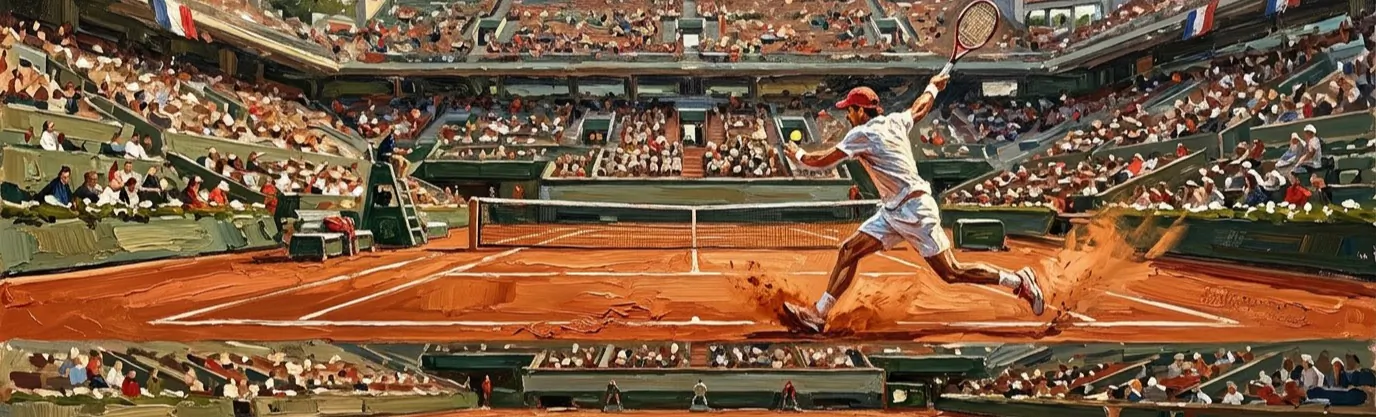
25.What did French tennis star René Lacoste win a bet over that inspired his famous logo?
Correct Answer: A. An alligator-skin suitcase
Explanation: Before a 1923 Davis Cup match in Boston, French team captain Pierre Gillou promised young tennis star René Lacoste a handsome alligator-skin suitcase they had admired in a shop window if he won his match.
Lacoste lost the match, but an American sportswriter loved his tenacity on court and nicknamed him "The Alligator" ("The Crocodile" in France)—prompting Lacoste to embroider a little green crocodile onto his blazer and invent the modern cotton polo shirt!

26.How many 'Eli Hops' did speed champion Harrison Lee land in 30 seconds at the World Yo-Yo Contest?
Correct Answer: B. 39 hops
Explanation: In competitive 1A string-trick yo-yoing, an "Eli Hop" requires popping the spinning yo-yo high into the air off the string and catching it cleanly back on the taut string gap between both hands.
Canadian yo-yo champion Harrison Lee executed 39 consecutive Eli Hops in 30 seconds—more than one aerial launch and wire-thin string catch per second!
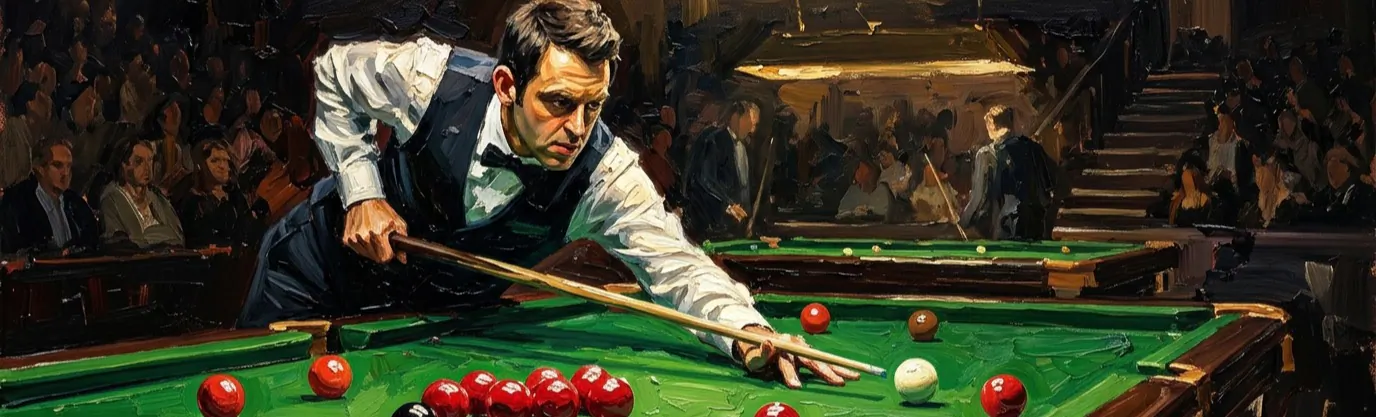
27.What did British tax courts let Canadian snooker star Bill Werbeniuk deduct as a work expense?
Correct Answer: C. 40 pints of lager a day
Explanation: Three-time World Snooker Championship quarterfinalist "Big Bill" Werbeniuk suffered from a hereditary benign essential tremor that caused his cue arm to shake uncontrollably under tournament pressure.
On doctor's advice, Werbeniuk drank 6 pints of lager before a match and one pint per frame to steady his hand—and Britain's Inland Revenue officially ruled his 40-pint-a-day beer tab a tax-deductible medical business expense!

28.What did competitor Odilon Ozare balance on his head for a 10-meter walk in 2018?
Correct Answer: D. A 15-foot-9 stovepipe hat
Explanation: In April 2018 in Tampa, Florida, performer Odilon Ozare handcrafted a blue, red, and silver feathered stovepipe top hat standing 4.8 meters (15 feet, 9 inches) tall—taller than a double-decker bus!
To qualify for the official record, Ozare had to balance the swaying skyscraper hat on his head and walk 10 meters without touching the brim with his hands.

29.What clerical mistake cost Roberto De Vicenzo a chance at the 1968 Masters title?
Correct Answer: A. Signing a scorecard that gave himself an extra stroke
Explanation: Celebrating his 45th birthday in the final round of the 1968 Masters at Augusta, Argentine golf legend Roberto De Vicenzo made a birdie 3 on the 17th hole to tie Bob Goalby for the lead.
However, playing partner Tommy Aaron accidentally wrote a "4" instead of a "3" on the card, and De Vicenzo signed it without checking the box.
Under golf's strict rules, a higher signed score must stand—handing Goalby the green jacket and prompting De Vicenzo's heartbroken quote: "What a stupid I am!"
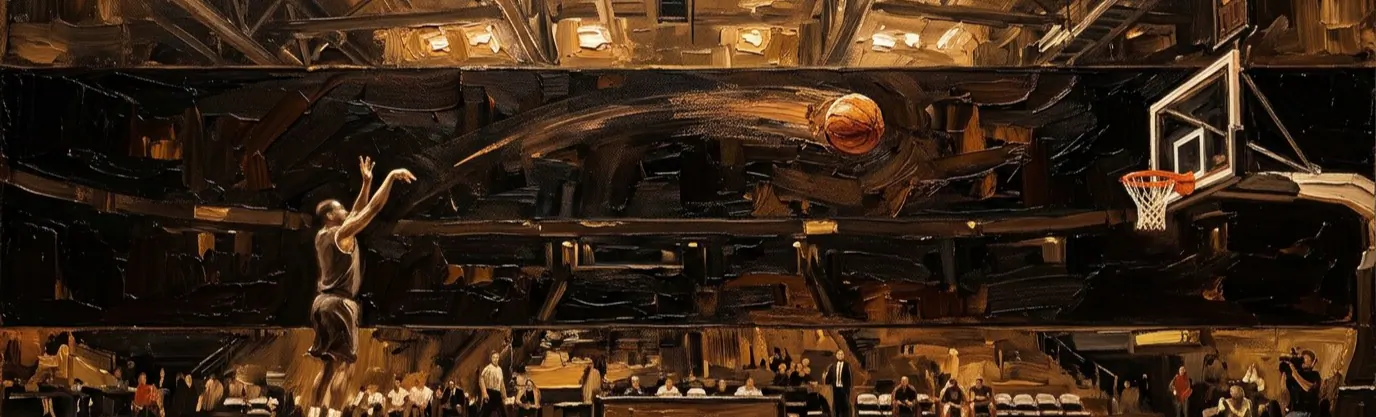
30.What did 7-foot-1 NBA legend Wilt Chamberlain never once do in 1,045 games?
Correct Answer: B. Foul out of a game
Explanation: Across 14 NBA seasons and 1,205 combined regular-season and playoff games—averaging an unbelievable 45.8 minutes per game—Wilt Chamberlain never fouled out of a single game!
Whenever Chamberlain picked up his fifth personal foul, he became so obsessively careful about protecting his streak that he would play the rest of the fourth quarter with his arms held straight up like pillars.
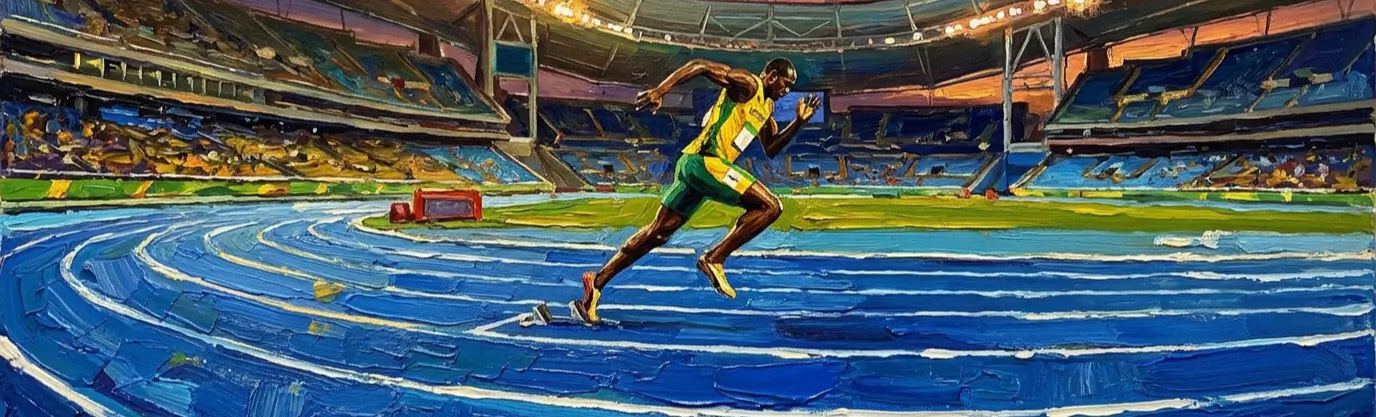
31.What did Usain Bolt eat 1,000 of while breaking three world records at the 2008 Olympics?
Correct Answer: C. Chicken McNuggets
Explanation: Suspicious that unfamiliar Beijing cafeteria food might upset his stomach before his races at the 2008 Summer Olympics, Jamaican sprinter Usain Bolt ate almost nothing except McDonald's Chicken McNuggets inside the Olympic Village.
In his autobiography, Bolt revealed he ate roughly 100 McNuggets every 24 hours across his 10-day stay—fueling world records in the 100m, 200m, and 4x100m relay on 1,000 nuggets!
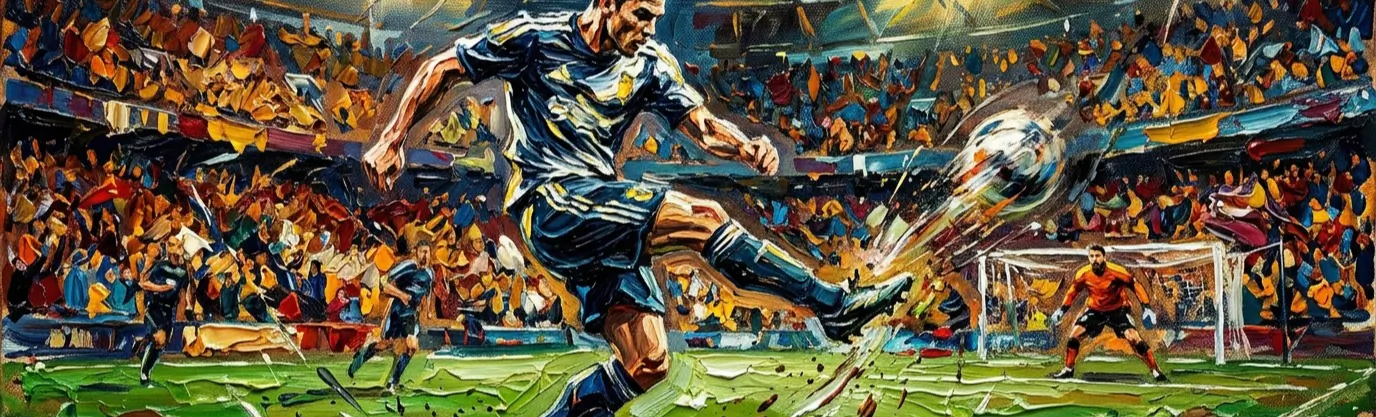
32.Why did two NFL rivals merge into the 'Phil-Pitt Steagles' for the 1943 season?
Correct Answer: D. World War II troop shortages
Explanation: With over 600 NFL players serving in the armed forces during World War II, the Philadelphia Eagles and Pittsburgh Steelers both ran out of enough healthy men to field separate rosters in 1943.
The two Pennsylvania rivals combined forces for one season as "Phil-Pitt"—universally nicknamed the "Steagles"—and despite co-coaches who couldn't stand each other, they finished with a winning 5–4–1 record!
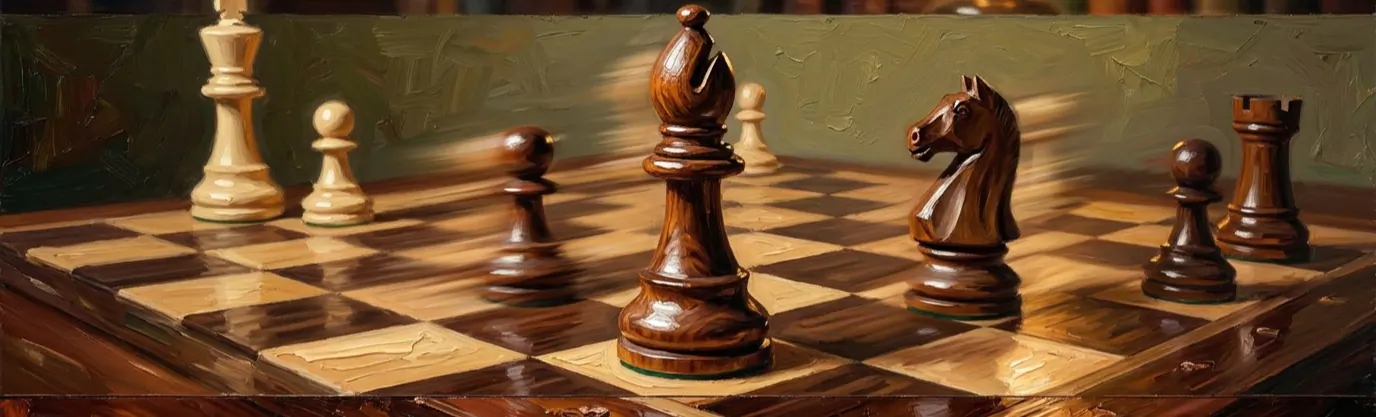
33.Why did officials X-ray the players' leather chairs at the 1972 World Chess Championship?
Correct Answer: A. Soviets suspected hidden electronic beams
Explanation: At the height of the Cold War during the 1972 "Match of the Century" in Reykjavik, Iceland, Soviet champion Boris Spassky's delegation formally accused American challenger Bobby Fischer of hiding electronic or chemical devices inside the stage furniture to cloud Spassky's mind.
Icelandic police and a chemist dismantled the lighting rig, X-rayed both players' swivel chairs, and found nothing inside except two dead flies!
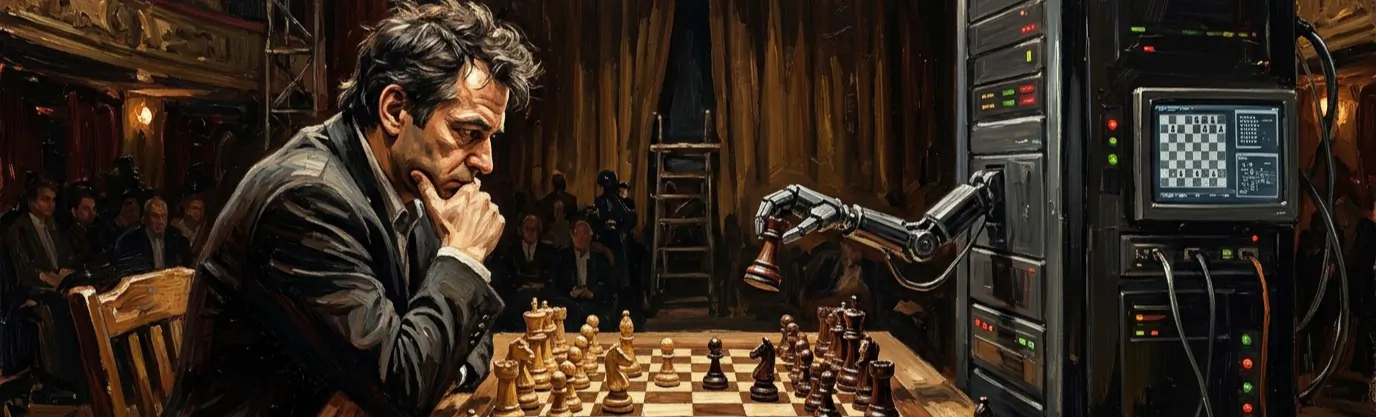
34.What actually caused the 'genius' 44th move by IBM's Deep Blue that rattled Garry Kasparov?
Correct Answer: B. A random software bug
Explanation: At the end of Game 1 of their famous 1997 chess rematch, IBM's supercomputer Deep Blue made an inexplicable 44th rook move that baffled reigning World Champion Garry Kasparov.
Convinced the computer possessed godlike long-term foresight that saw 20 moves ahead, a shaken Kasparov resigned in Game 2—only for IBM engineers to admit years later that Deep Blue had hit a software bug in Game 1 and picked the rook move completely at random as a fail-safe!