
World Traditions Trivia: 35 Bizarre Global Rituals, Flying Cinnamon & Devil Jumps
From hurling cinnamon at singletons to dancing in bear pelts—explore 35 wild, verified cultural customs practiced across the planet.
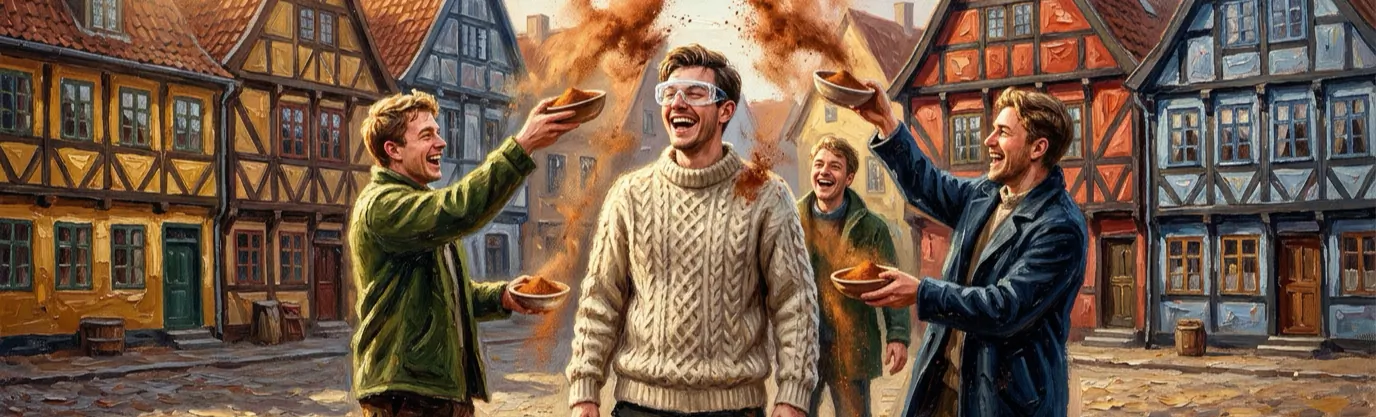
1.What kitchen spice rains on single 25-year-olds throughout Denmark?
Correct Answer: A. Ground cinnamon
Explanation: In Denmark, if you reach your 25th birthday without getting married, your friends and relatives are socially obligated to celebrate by ambushing you, tying you to a lamp post or lawn chair, and dousing you head-to-toe in water followed by massive clouds of ground cinnamon!
The hilarious tradition traces back centuries to traveling Danish spice salesmen—known as "pebersvende" or pepper-dudes—who remained lifelong bachelors because their nomadic trade made settling down nearly impossible.
If you somehow manage to remain unmarried by your 30th birthday, the stakes get much hotter: Danish tradition dictates swapping out the cinnamon for pungent ground black pepper, often applied with leaf blowers and dust masks!
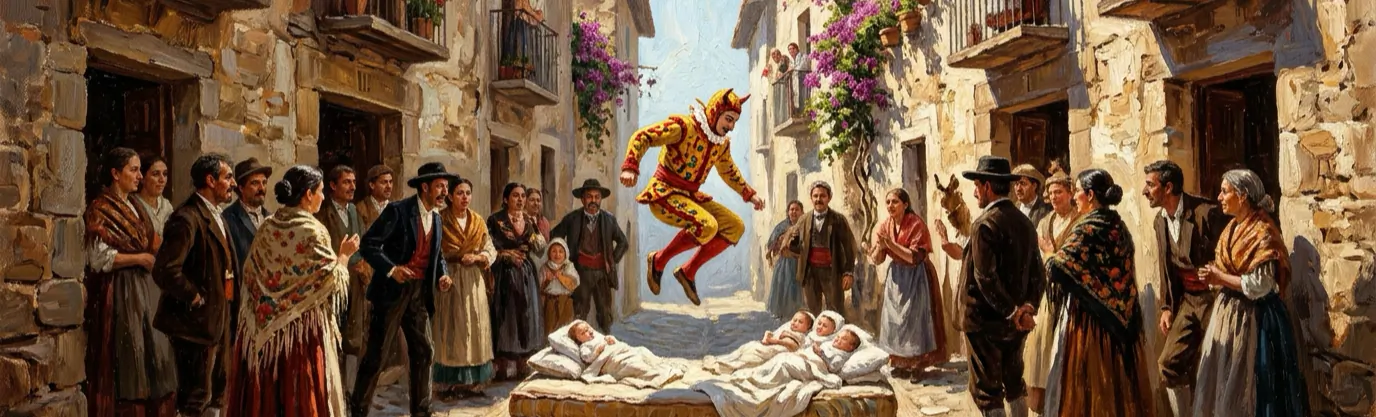
2.Why do Spanish villagers cheer when masked 'devils' leap over newborns?
Correct Answer: B. To cleanse baby sins
Explanation: Every summer since roughly 1620, the small northern Spanish village of Castrillo de Murcia hosts "El Colacho"—a festival where grown men dressed in bright red-and-yellow demon costumes leap dramatically over mattresses of newborn infants laid out on cobblestone streets.
As church bells toll and spectators cheer, the costumed "devils" whip up the crowd, brandish horsehair whips, and vault straight over the sleeping babies, an act believed to absorb and cleanse the infants of original sin and protect them from illness.
Despite heart-stopping photo ops and periodic protests from Catholic authorities who prefer traditional baptismal fonts, locals proudly report zero injuries across four centuries of celebratory baby-jumping!
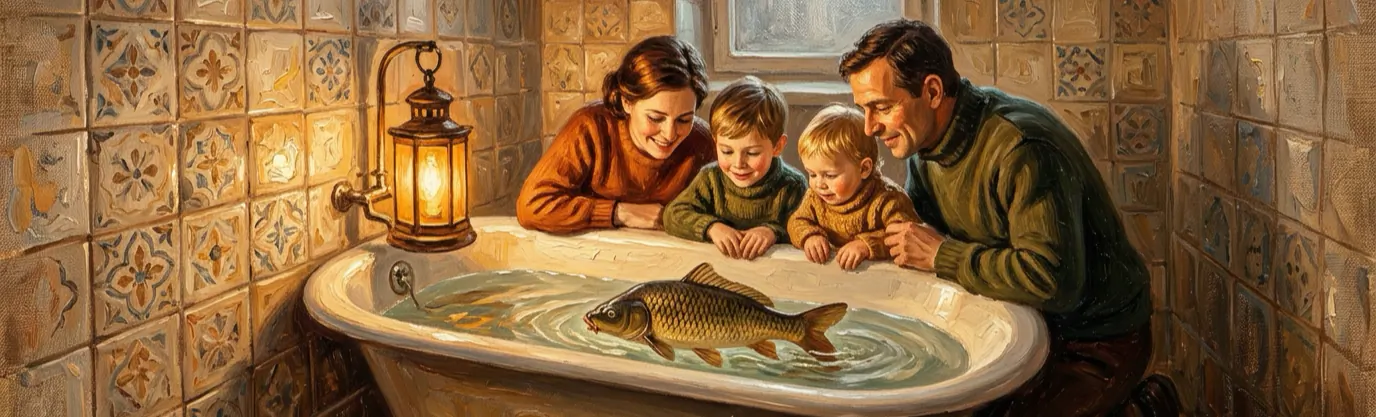
3.Where do Czech families keep their Christmas dinner swim-ready days beforehand?
Correct Answer: C. In household bathtubs
Explanation: Across the Czech Republic and Slovakia, the centerpiece of a traditional Christmas Eve dinner is fried carp served alongside cold potato salad—and buying the carp alive days before the feast is an essential family ritual.
Urban households carry the squirming fish home from giant street vats and plop it straight into the family bathtub filled with tap water, where children name it, feed it breadcrumbs, and treat it like an honored pet for several days.
Aside from keeping the fish fresh before modern refrigeration, the clean bathwater purges the bottom-feeding carp of muddy pond flavor—though many soft-hearted families end up taking pity on their bathtime buddy and releasing it into the nearest river instead!
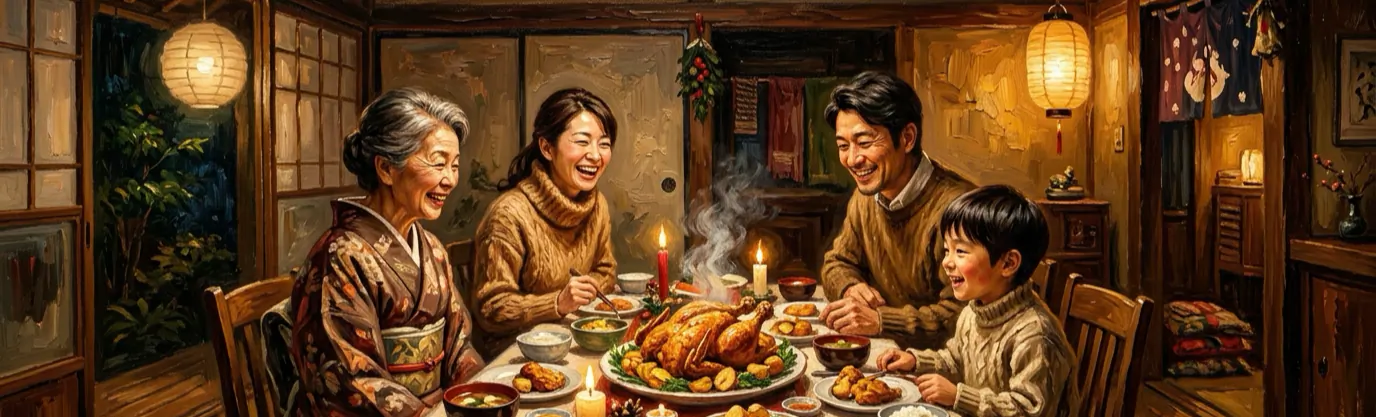
4.What fast-food bucket has become Japan's mandatory Christmas Eve family tradition?
Correct Answer: D. KFC Fried Chicken
Explanation: Every December across Japan, millions of families wait in lines wrapping around city blocks or reserve holiday dinners weeks in advance to take home festive red-and-white party buckets of Kentucky Fried Chicken.
The cultural phenomenon began in 1974 with KFC Japan's legendary "Kentucky for Christmas" (Kurisumasu ni wa Kentakkii) marketing campaign, masterminded by store manager Takeshi Okawara after hearing foreign travelers lament the impossibility of finding holiday turkeys in Tokyo.
Because Christianity represents only a small minority in Japan and traditional holiday dishes didn't exist, KFC's genius campaign filled the void so thoroughly that the smiling Colonel Sanders statue dressed in Santa Claus robes is now Japan's definitive symbol of Christmas!
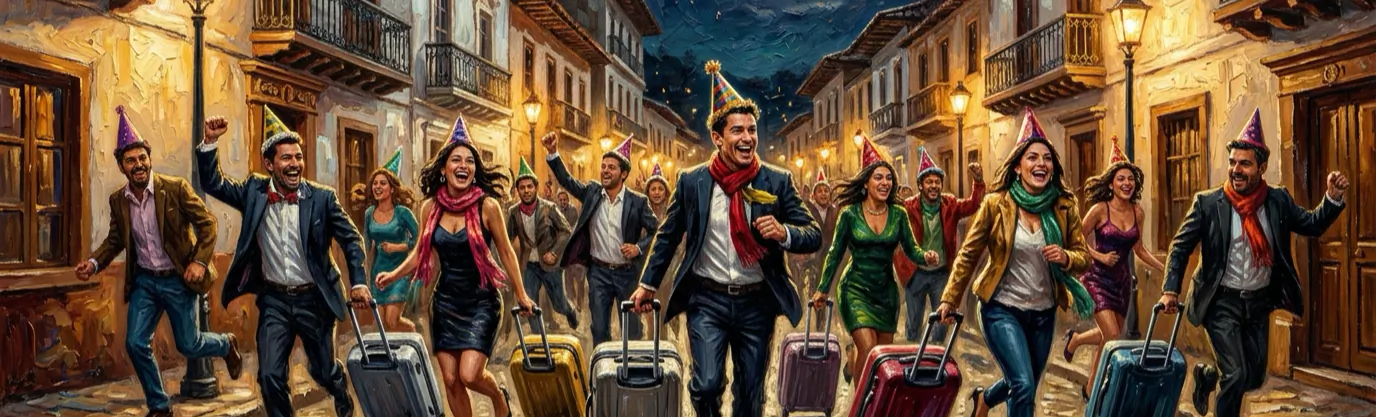
5.Why do Colombian travelers jog around the block carrying empty suitcases?
Correct Answer: A. To guarantee travel adventures
Explanation: As church clocks strike midnight on New Year's Eve in Colombia, neighborhoods fill with the surreal sound of rattling wheels and frantic footsteps as residents sprint around the block dragging empty suitcases.
According to Colombian superstition, running around your street corner with luggage in hand ensures that the upcoming twelve months will be jam-packed with exciting international journeys, vacations, and passport stamps.
Some superstitious globe-trotters pack their suitcases with swimwear or flip-flops to specifically attract tropical beach holidays, while others make three complete loops around the block to guarantee overseas adventures!

6.What happens to brides and grooms during Scotland's messy 'blackening' ritual?
Correct Answer: B. Covered in rotten molasses
Explanation: In rural Scottish communities—particularly across the Highlands, Orkney, and Aberdeenshire—engaged couples must endure "The Blackening," an unhinged pre-wedding hazing ritual orchestrated by their closest friends.
Days before walking down the aisle, the bride or groom is ambushed, tied up in the back of an open pickup truck, and coated from ears to ankles in treacle, soot, spoiled milk, curdled eggs, feathers, and flour before being paraded noisily through town.
The messy trial is said to prepare the couple for the hardships of marriage: if you and your partner can endure being humiliated in public covered in sticky molasses and fish scales, you can survive anything together!
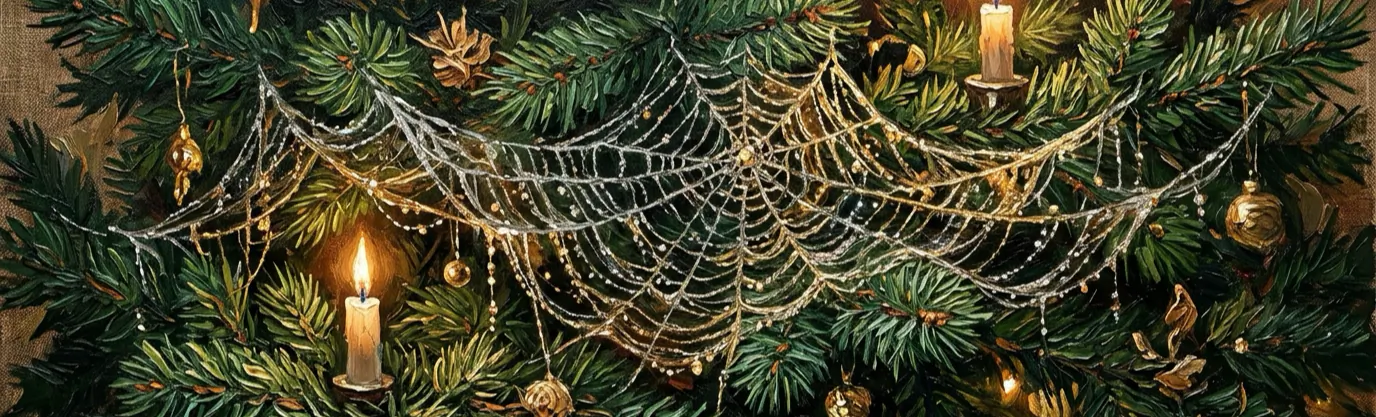
7.What tree decoration do Ukrainian families hang to attract good financial fortune?
Correct Answer: C. Artificial spiderwebs
Explanation: While most Western households decorate Christmas pine trees with tinsel, glass balls, and angels, Ukrainian families tuck glittering artificial spiders and intricate silver spiderwebs deep into their tree branches.
The beloved custom originates from a folk tale about a destitute widow who couldn't afford decorations for her children's tree. Hearing the family's quiet tears on Christmas Eve, spiders crept from the corners and spun elaborate webs over every pine branch.
When the morning sunbeams struck the evergreen, the delicate threads miraculously turned into spun gold and silver threads, ensuring the family never lived in poverty again!

8.Which underwear color must Italians wear on New Year's Eve for luck?
Correct Answer: D. Vibrant crimson red
Explanation: If you browse Italian shop windows in late December, you will spot endless displays of bright red lingerie, boxers, and socks—because donning crimson undergarments on New Year's Eve (Capodanno) is practically a national commandment.
Rooted in ancient Roman times when red tunics were worn during battle to symbolize power, health, and vitality, the modern superstition holds that scarlet underwear brings passionate love, fertility, and wealth in the New Year.
There are strict rules to the magic: the underwear must be given to you as a fresh gift rather than bought yourself, and Italian tradition dictates you must throw it in the trash the very next day for the good luck to take effect!
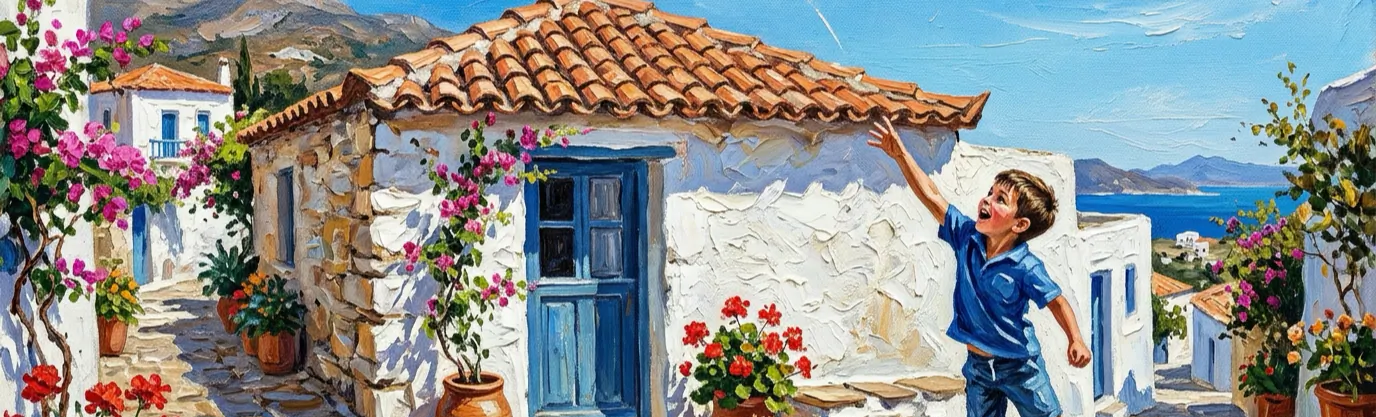
9.Why do Greek children toss their fallen baby teeth onto the roof?
Correct Answer: A. To grow pig teeth
Explanation: Instead of waiting around for the Tooth Fairy to slip a dollar bill under their pillows, Greek children climb outside and hurl their lost baby teeth backward as hard as possible onto the ceramic rooftop of their home.
As they launch the tooth into the sky, Greek kids recite a traditional rhyming chant asking a wild pig or crow to take their flimsy baby tooth and give them an unbreakable iron tooth in return.
Because pigs and wild boars possess notoriously strong jaws capable of chewing through roots and bone, ancient Mediterranean folklore considered a pig's enamel the gold standard for lifelong dental health!
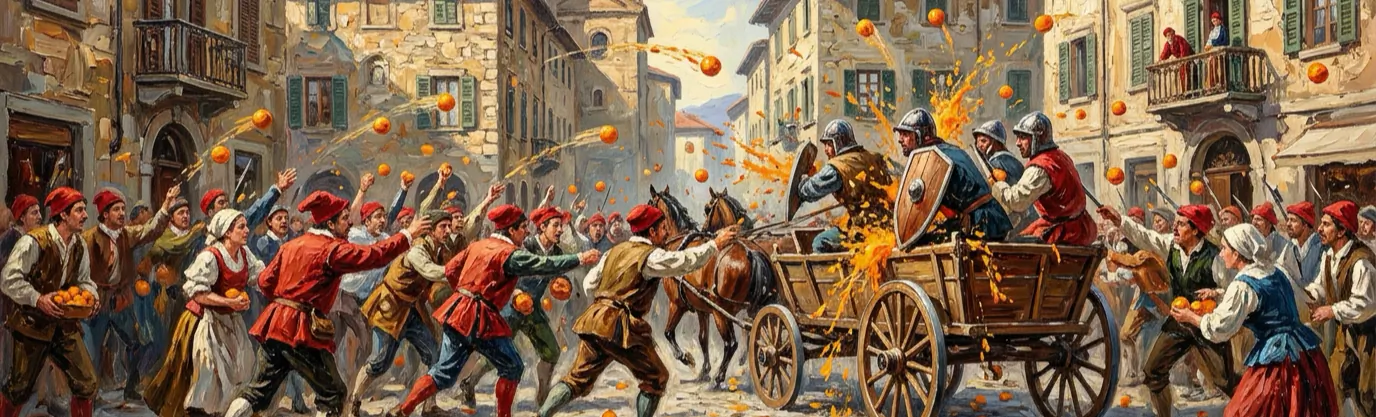
10.What fruit turns an Italian mountain town into a bruising battlefield annually?
Correct Answer: B. Thousands of fresh oranges
Explanation: Every February, the historic northern Italian town of Ivrea hosts the "Carnevale di Ivrea," culminated by the world-famous Battle of the Oranges—where over 500 tons of fresh citrus fruits are hurled in full-throttle combat.
The bruising tradition reenacts a 12th-century peasant revolt against a tyrannical baron who attempted to claim "droit du seigneur" over a miller's daughter; instead, she decapitated him and ignited a town rebellion.
Today, teams of foot soldiers in colorful caps face off against armored guards perched in horse-drawn carriages, hurling chilled oranges with pinpoint accuracy until the town square is knee-deep in fragrant, crushed pulp!

11.Why do Finnish parliamentarians regularly hold serious diplomatic meetings while sweating naked?
Correct Answer: C. Sauna promotes honest equality
Explanation: In Finland, the sauna is not merely a spa day—it is a sacred cultural institution of equality and trust, where all social ranks, suits, ties, and posturing are stripped away in 180-degree birch-scented steam.
Finnish diplomats and prime ministers have long practiced "Sauna Diplomacy," inviting foreign ambassadors, Soviet premiers, and world leaders into the cedar sauna room to build rapport and hammer out deadlocked treaties.
Because everyone is completely naked and sweating side-by-side, participants feel relaxed, vulnerable, and unable to conceal political deception—or hidden recording devices!

12.What wooden creature visits Welsh doorsteps during winter singing witty insult battles?
Correct Answer: D. A ribboned horse skull
Explanation: During the darkest weeks of Welsh winter, villagers are visited by "Mari Lwyd"—a real horse skull mounted on a wooden pole, decorated with glass eyes, festive ribbons, bells, and draped in a ghostly white bedsheet.
Carried by a performer hidden beneath the sheet who snaps the jaw spring shut with loud clacks, Mari Lwyd and her rowdy entourage knock on doors and initiate a fierce musical battle called the "pwnco."
The homeowners and the skull trade improvised rhyming insults and witty poetry back and forth; once the homeowners run out of clever comebacks, they must surrender, open the door, and provide the ghostly horse with warm ale and cakes!
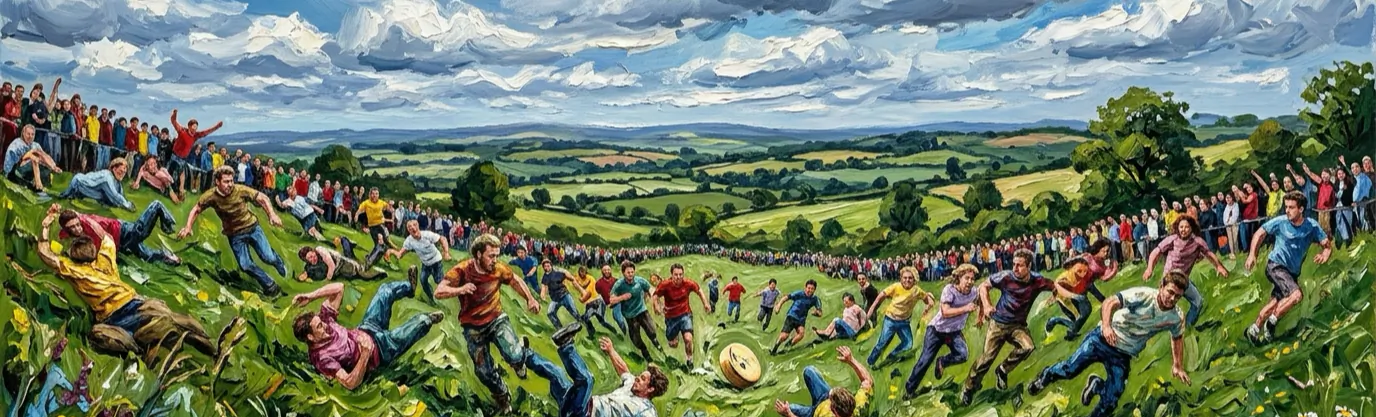
13.What breakfast staple do English daredevils chase down an insanely steep hill?
Correct Answer: A. A Double Gloucester wheel
Explanation: Every Spring Bank Holiday at Cooper's Hill in Gloucestershire, England, dozens of fearless lunatics throw themselves headlong down a near-vertical 200-yard mud slope in pursuit of a rolling wheel of Double Gloucester cheese.
Given a one-second head start, the eight-pound wooden-cased dairy wheel quickly accelerates to speeds exceeding 70 miles per hour, bouncing unpredictably into the crowd like a runaway bowling ball.
Racers tumble, somersault, and cartwheel uncontrollably down the precipice, while local rugby players wait at the bottom to tackle runaway runners—with the bruised first-place survivor taking home the cheese wheel as their glory!
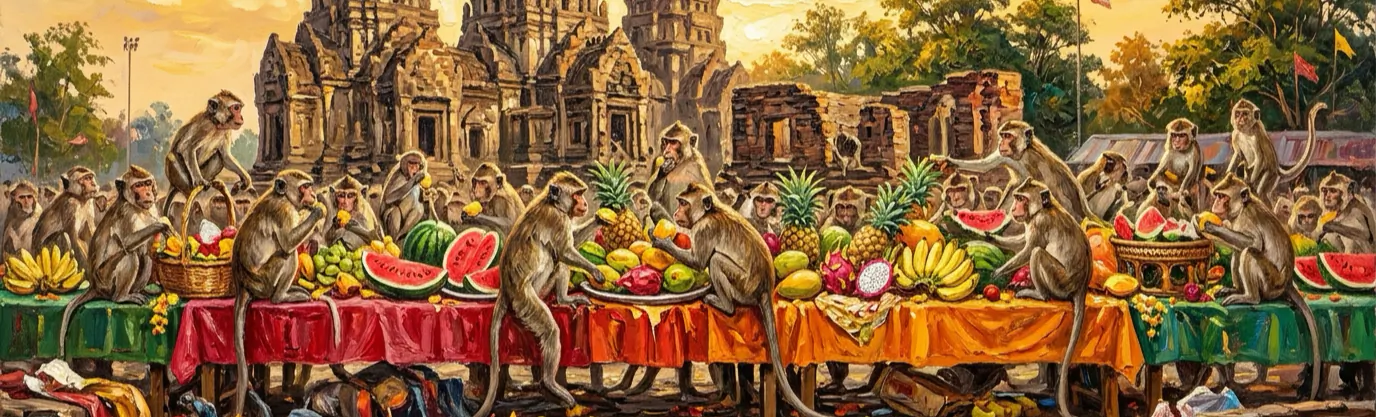
14.Why do Thai locals throw a massive banquet exclusively for thousands of monkeys?
Correct Answer: B. To thank monkey deities
Explanation: Every November in Lopburi, Thailand, chefs roll out white tablecloths and prepare over two tons of fresh pineapples, watermelons, dragon fruit, and sticky rice at the ancient Khmer temple of Phra Prang Sam Yot.
The honored guests are over 3,000 wild long-tailed macaque monkeys who freely roam the town, jumping onto buffet tables, guzzling sodas, and stuffing fruit into their cheeks while thousands of tourists watch in awe.
Locals organize the lavish feast to show gratitude to the monkey troop for boosting the town's tourism economy, and to honor the Hindu monkey deity Hanuman, whose simian army helped rescue Lord Rama in the Ramayana epic!
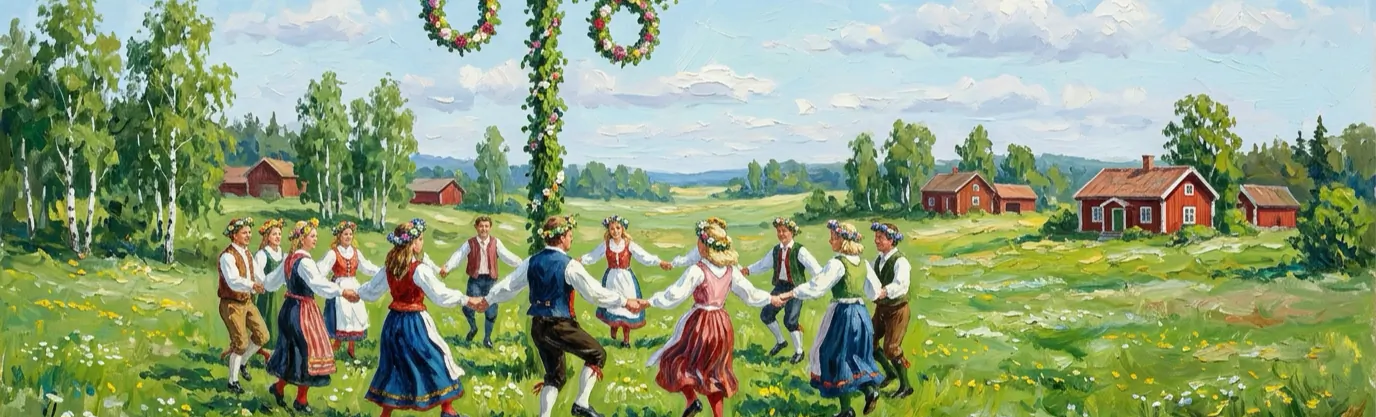
15.What odd dance do Swedes perform around maypoles during midsummer celebrations?
Correct Answer: C. Hopping like little frogs
Explanation: During Sweden's joyous Midsummer (Midsommar) holiday, citizens of all ages crown themselves with wild flower wreaths, gather around a leaf-draped maypole, and enthusiastically sing "Små grodorna" (The Little Frogs).
While singing the upbeat tune, dignified CEOs, grandmothers, and toddlers drop into squats, clasp their hands behind their ears, and hop vigorously in circles mimicking tail-less, ear-less frogs.
The lyrics translate directly as: "The little frogs are funny to observe / They have no ears, no ears, no tails!"—a goofy cultural staple that has amused Swedish families for generations!
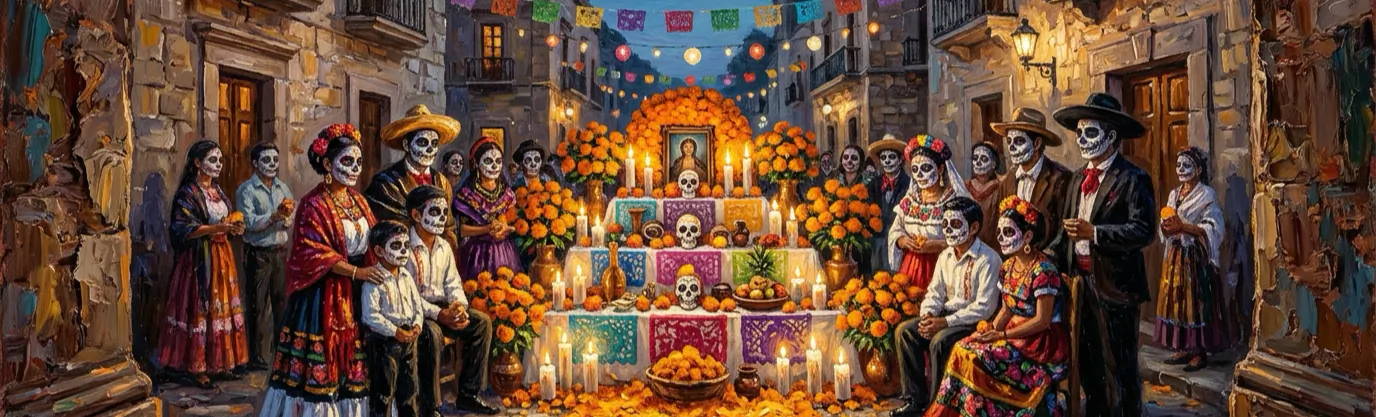
16.Which flower festival fills Mexico City streets with bright orange cempasúchil petals?
Correct Answer: D. Día de los Muertos
Explanation: Every autumn leading into November 1st and 2nd, markets across Mexico overflow with mountains of pungent orange marigolds—known in the Nahuatl language as "cempasúchil," meaning "twenty flowers."
During Día de los Muertos (Day of the Dead), families lovingly construct multi-tiered ofrendas (altars) and scatter thick pathways of orange marigold petals leading straight from cemetery graves to family doorways.
According to ancient Aztec belief, the bright radiant color mimics the warmth of the sun and the rich aromatic scent acts as a sensory beacon, guiding wandering souls back home for a night of music, food, and reunion!
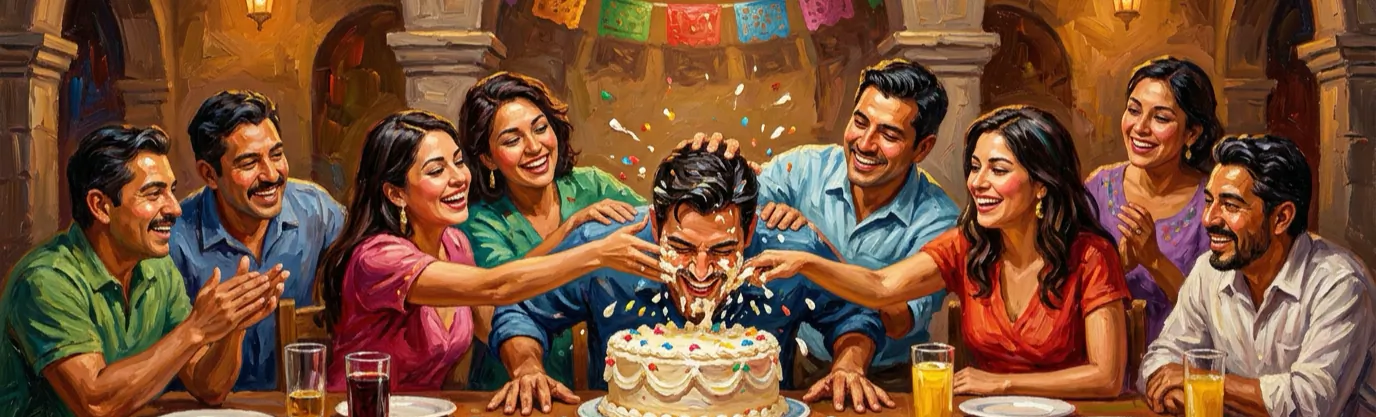
17.What sticky birthday prank pushes Mexican celebrants straight into their own cake?
Correct Answer: A. La Mordida face-shove
Explanation: At birthday celebrations across Mexico and Latin America, the moment the guest of honor blows out their birthday candles, the party guests begin a sinister rhythmic chant: "¡Mordida! ¡Mordida! ¡Mordida!"
The word "mordida" literally translates to "bite," coaxing the birthday girl or boy to lean forward and take their ceremonial first bite directly from the frosted cake without using their hands or forks.
As soon as their lips approach the icing, a mischievous relative or friend standing behind swiftly shoves their skull straight into the cake, coating their face, eyelashes, and hair in thick buttercream frosting to uproarious cheers!
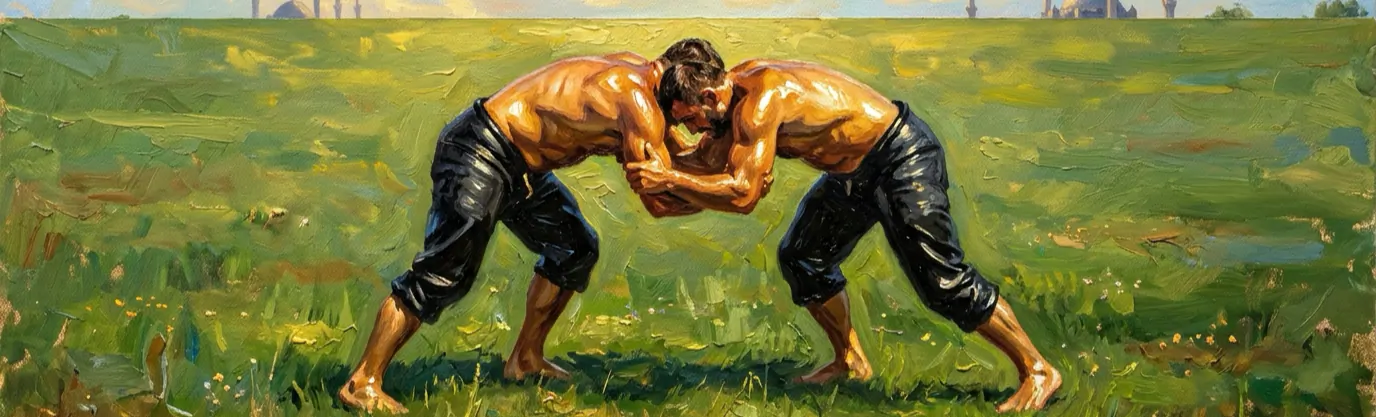
18.What slippery liquid coats Turkish wrestlers before they grapple in leather trousers?
Correct Answer: B. Gallons of olive oil
Explanation: For over 660 consecutive years, the city of Edirne, Turkey, has hosted the Kırkpınar Oil Wrestling tournament—recognized by Guinness World Records as the oldest continuously held sporting competition on Earth.
Before stepping onto the grassy pitch, burly "pehlivan" (wrestlers) wearing nothing but heavy hand-stitched leather pants called "kisbet" douse themselves and each other in barrels of pure golden olive oil.
Because the glistening slick oil makes holding opponents by the skin virtually impossible, wrestlers must demonstrate superhuman endurance, grip strength, and technique—often slipping an arm inside their rival's leather waistband to secure leverage!
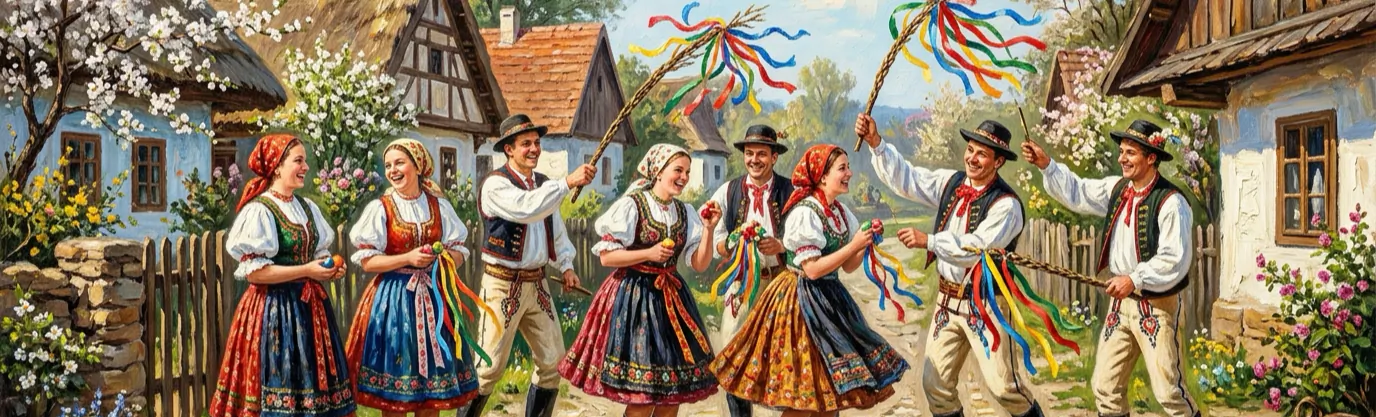
19.Why do Roman Catholic revelers whip each other with willows on Easter Monday?
Correct Answer: C. To bestow youth and vitality
Explanation: On Easter Monday in the Czech Republic and Slovakia, young men weave supple green pussy willow branches together with colorful satin ribbons to fashion a traditional braided whip known as a "pomlázka."
Armed with their pomlázka whips, men visit the homes of female relatives and classmates, reciting humorous folk rhymes and lightly tapping them on the legs while splashing cold water or spritzing cologne.
The name pomlázka derives from the Slavic verb "pomladit," meaning "to rejuvenate"—according to pagan tradition, the fresh spring sap of the willow branch transfers youth, fertility, and health to whoever is tapped!
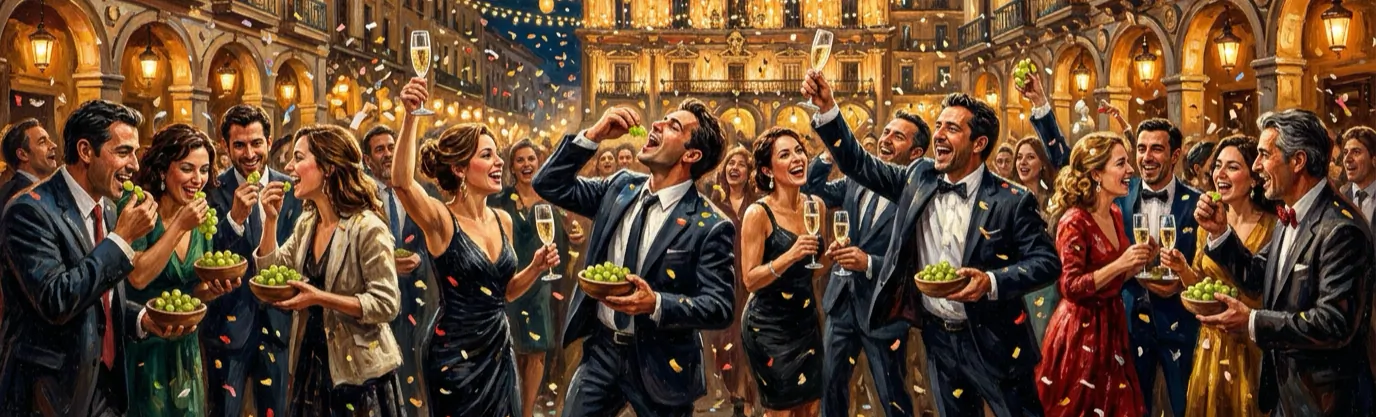
20.What must guests eat on each stroke of midnight in Spain?
Correct Answer: D. Twelve green grapes
Explanation: As the final seconds of December 31st tick away in Spain, tens of millions of people stand glued to televisions broadcast from Madrid's Puerta del Sol clock tower, nervously clutching a small dish containing twelve fresh green grapes.
With each of the twelve bell chimes marking midnight—spaced exactly three seconds apart—revelers must successfully pop a whole grape into their mouth and chew it down before the next bell clangs.
Originating around 1909 when Alicante grape farmers orchestrated an ingenious PR campaign to sell an enormous surplus harvest, completing "las doce uvas de la suerte" guarantees prosperity and good luck for all twelve months!
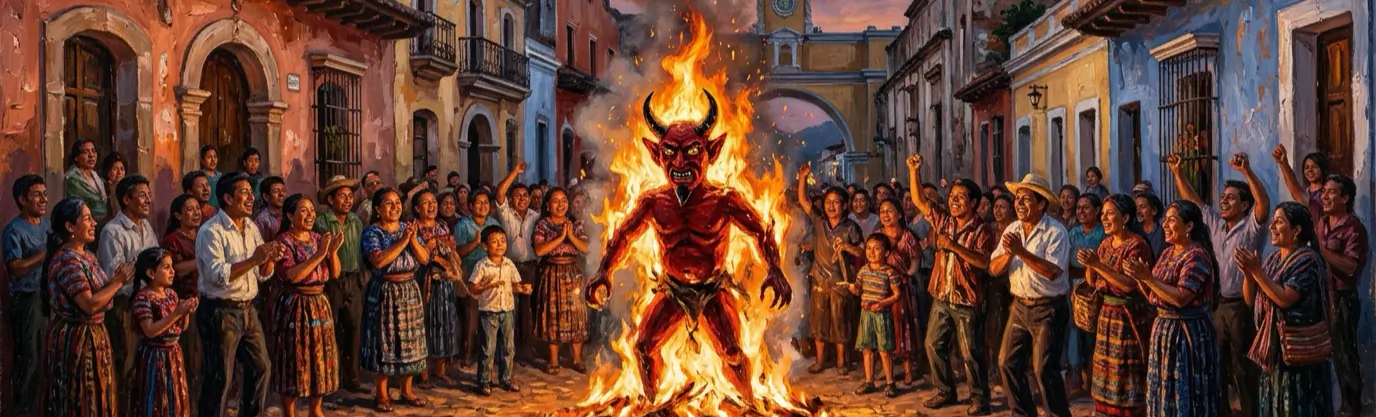
21.Why do Guatemalan towns build a towering paper devil and set it ablaze?
Correct Answer: A. To burn bad luck
Explanation: Every December 7th at precisely 6:00 PM, streets throughout Guatemala roar into flames during "La Quema del Diablo" (The Burning of the Devil), a cleansing ceremony dating back to the colonial 17th century.
Families spend the afternoon sweeping household trash, cobwebs, and discarded belongings into bonfires on street corners, crowning the garbage heaps with elaborate papier-mâché effigies of horns-and-tail devils stuffed with firecrackers.
According to folk tradition, the devil hides in household clutter and dark corners; torching the demon along with domestic refuse purifies the home, banishes evil spirits, and creates clean spiritual space for Christmas!
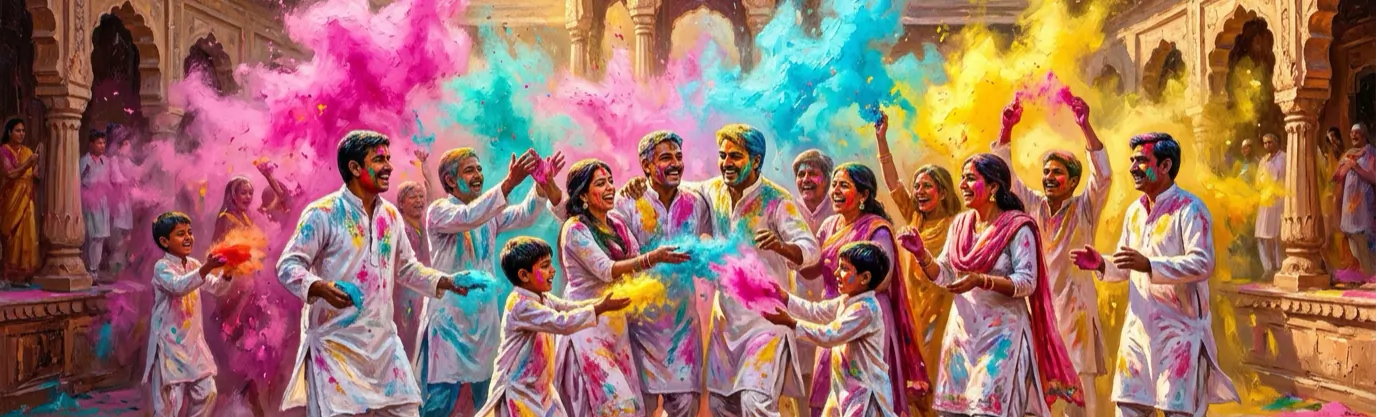
22.What colorful powdery weapon fills Indian streets during the spring festival of Holi?
Correct Answer: B. Bright scented gulal powder
Explanation: During the Hindu spring festival of Holi—celebrated with infectious joy across India and the global diaspora—streets transform into kaleidoscope battlefields as revelers pelt each other with handfuls of vibrant scented powder called "gulal."
Traditionally extracted from natural turmeric, saffron, and dried blossoms of the sacred flame-of-the-forest tree, modern gulal powders create swirling clouds of electric magenta, saffron, turquoise, and canary yellow.
Holi celebrates the triumph of devotion over wickedness and the eternal divine love of Radha and Krishna; during the celebration, social barriers, caste divides, and age differences dissolve under a shared coat of rainbow dust!
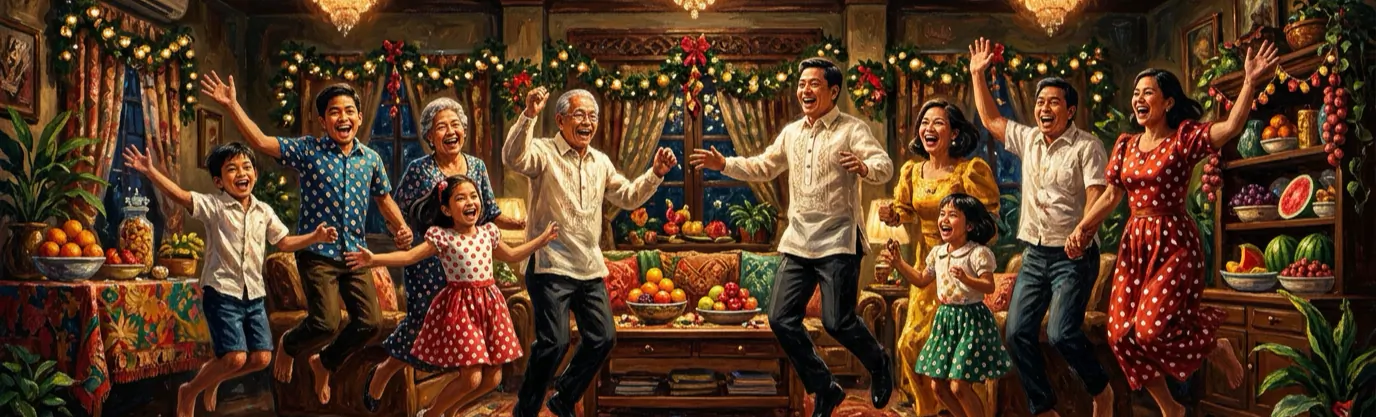
23.How do Filipino children celebrate New Year's Eve to become much taller?
Correct Answer: C. Jumping high at midnight
Explanation: When the clock strikes midnight on New Year's Eve (Bagong Taon) in the Philippines, kids across the islands immediately start leaping into the air as high and as repeatedly as their legs will carry them.
Filipino folk superstition promises that jumping vigorously at the precise stroke of midnight will magically stimulate your bones and help you grow taller over the coming year.
Adults also partake in the fun, shaking coin jars, wearing polka-dot shirts for financial roundness, and laying out twelve round fruits on the dining table to attract bountiful prosperity for all twelve months!
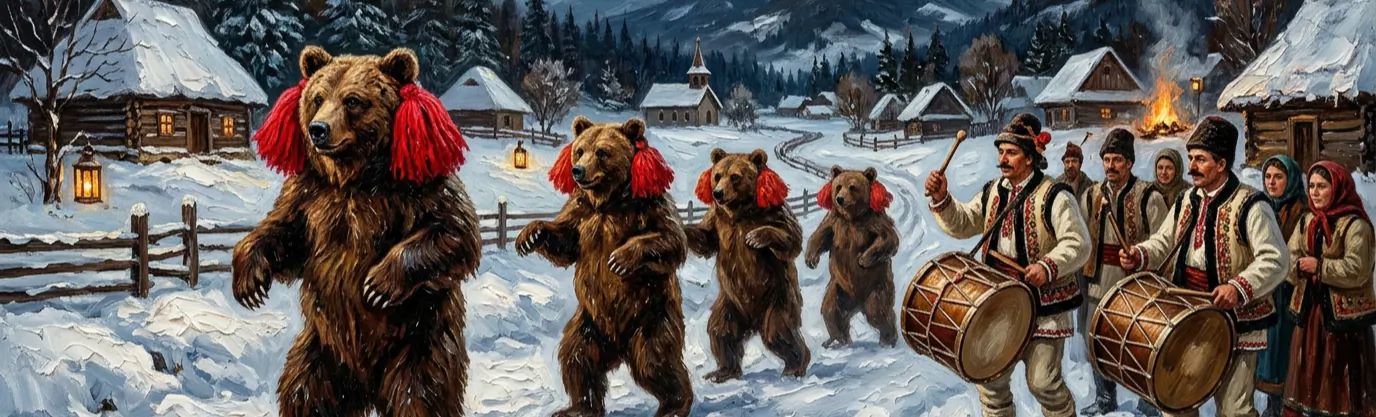
24.What bizarre winter festival in Romania features dancers cloaked in real bear pelts?
Correct Answer: D. The Ursul Bear Dance
Explanation: Between Christmas and New Year's Day, villages in the northeastern Moldavia region of Romania stage "Jocul Ursului"—the ancient Dance of the Bear—featuring dozens of men stomping through snow draped in real brown bear skins weighing up to 100 pounds.
Accompanied by thundering marching drums and brass flutes, the "bears" growl, shake giant red yarn tassels pinned to their ears, and theatrically collapse to the ground "dead" before springing back to life in wild stomping triumph.
Dating back to pre-Christian Dacian harvest rituals, the symbolic death and resurrection of the Carpathian brown bear represents the death of winter and the fertile rebirth of spring!

25.Why do South African revelers toss old couches out high-rise windows on New Year's?
Correct Answer: A. To ditch the past
Explanation: In the dense high-rise neighborhood of Hillbrow in central Johannesburg, South Africa, ringing in the New Year developed a famously perilous urban tradition: hurling broken furniture straight out of high-rise balcony windows.
Everything from worn-out couches, old microwave ovens, broken televisions, and mattresses have come raining down onto city sidewalks as revelers celebrate casting off old baggage to start the New Year with a clean slate.
Because falling sofas pose lethal hazards to passing pedestrians and police cars, South African emergency services now conduct massive helicopter and tactical sweep operations every New Year's Eve to curb the extreme flying furniture ritual!

26.What wooden tower leap in Vanuatu inspired the modern sport of bungee jumping?
Correct Answer: B. The Naghol land dive
Explanation: On the South Pacific island of Pentecost in Vanuatu, young men take part in "Naghol" (land diving)—leaping headfirst from fragile, hand-tied wooden scaffold towers soaring up to 100 feet in the jungle air.
The divers wear zero modern safety gear; their ankles are bound solely by freshly cut jungle lianas (tree vines), carefully measured by tribal elders to match the jumper's weight and tower height so the vines snap taut inches before the diver's skull kisses the sloped soil.
Dating back centuries as a ritual to ensure a bountiful yam harvest and demonstrate masculine courage, Naghol directly inspired Oxford University adventurers and Kiwi entrepreneur A.J. Hackett to invent modern commercial bungee jumping!
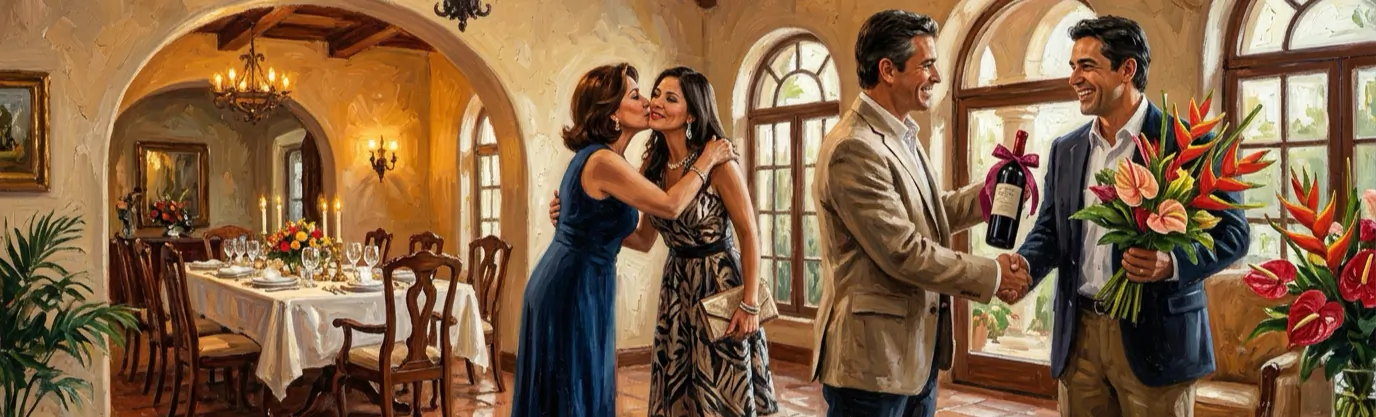
27.Why do dinner guests in Venezuela deliberately arrive thirty minutes late to parties?
Correct Answer: C. Arriving on time looks greedy
Explanation: In Switzerland or Germany, arriving five minutes late to a dinner invitation is a cardinal sin—but in Venezuela, showing up exactly on time is considered shockingly uncouth and impolite.
Venezuelan etiquette dictates that dinner guests should purposefully arrive 15 to 30 minutes after the scheduled invitation time; showing up on the dot signals that you are excessively eager, impatient, and looking for a free meal.
Arriving fashionably late also gives the hosting family crucial breathing room to finish cooking, pour appetizers, and touch up their outfits without feeling rushed by early birds ringing the doorbell!
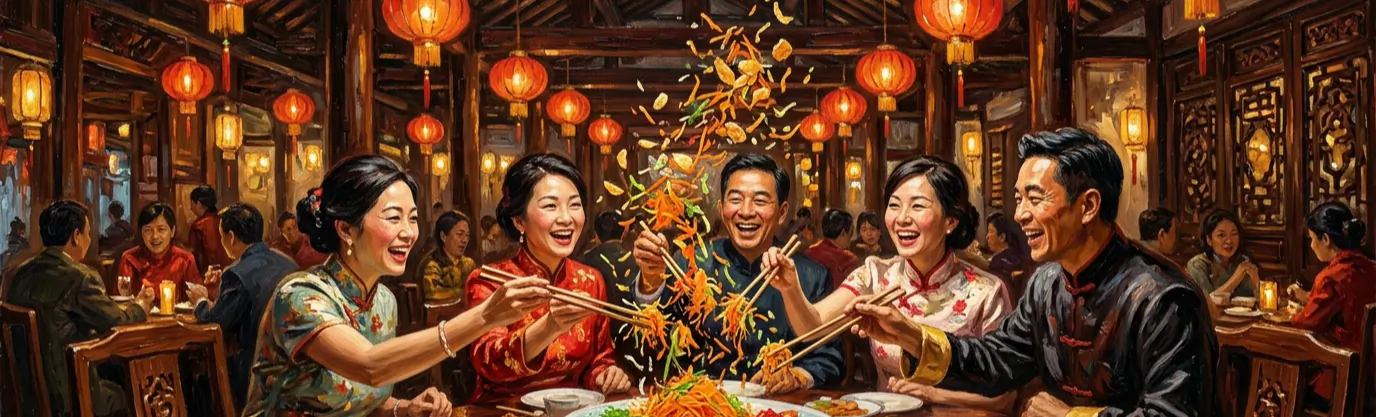
28.What festive salad do diners toss into the ceiling during Lunar New Year?
Correct Answer: D. Singaporean Yee Sang salad
Explanation: During Lunar New Year celebrations across Singapore and Malaysia, restaurant dining rooms erupt in deafening cheers as banqueters stand up with extra-long chopsticks to perform the "Lo Hei" ritual.
Surrounding a colorful communal platter of "Yee Sang"—a prosperity salad loaded with shredded carrots, green radish, pickled ginger, crushed peanuts, crispy wonton crackers, and raw salmon—diners toss the ingredients as high into the air as humanly possible.
Tradition holds that the higher you fling the salad into the ceiling rafters and the messier the tabletop becomes, the greater your wealth, health, and booming prosperity will be in the coming lunar cycle!

29.Why do Norwegian bookshops sell out of murder mystery novels every Easter holiday?
Correct Answer: A. Påskekrim crime reading tradition
Explanation: While most of the world associates Easter with chocolate bunnies and pastel eggs, Norwegians celebrate Holy Week by retreating to cozy mountain cabins to obsessively consume bloody murder mysteries, a beloved phenomenon known as "Påskekrim."
Publishers rush out brand-new whodunit thrillers, TV networks air back-to-back detective marathons, and dairy companies even print short detective comics on the side of daily milk cartons so families can solve clues over breakfast!
The odd custom started on Easter 1923, when an ambitious publisher placed a front-page newspaper ad for a new mystery novel titled "The Bergen Train Was Robbed in the Night," written so realistically that readers panicked believing a real train heist had occurred!
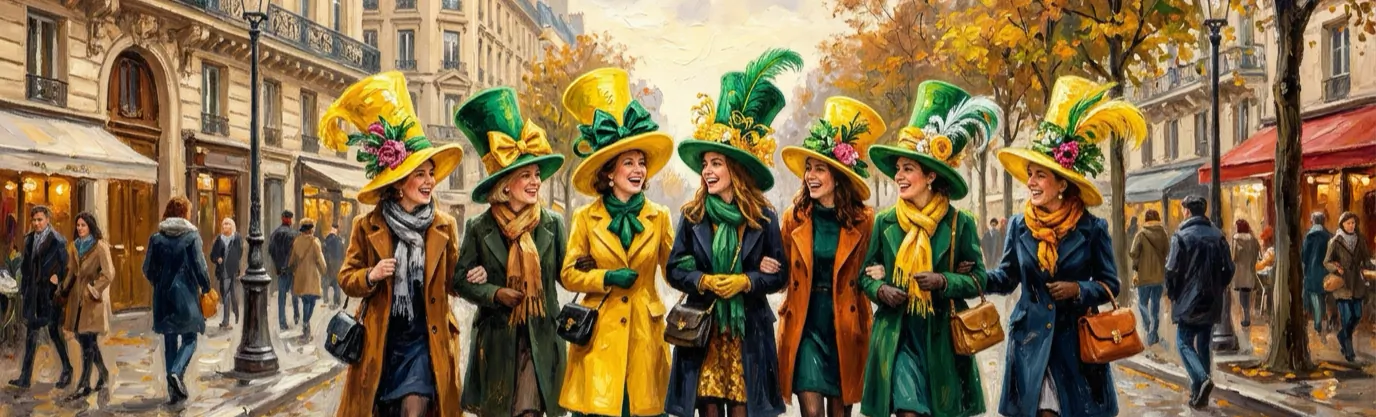
30.What bizarre hat must single 25-year-old French women wear on St. Catherine's Day?
Correct Answer: B. An outrageous yellow-green bonnet
Explanation: On November 25th in France, unmarried 25-year-old women—affectionately known as "Catherinettes"—celebrate the feast day of Saint Catherine of Alexandria by parading through towns wearing extravagantly flamboyant custom hats.
Crafted by friends, milliners, or fashion houses, the hats must strictly feature green (symbolizing youthful wisdom) and yellow (symbolizing faith and marriage), often loaded with whimsical feathered birds, ribbons, tea sets, and miniature towers.
The tradition traces to medieval seamstresses who prayed to Saint Catherine for husbands before turning 25, when they were playfully dubbed "old maids"; today, it is celebrated in Paris fashion houses as a lively festival of artisanal hat making and female independence!
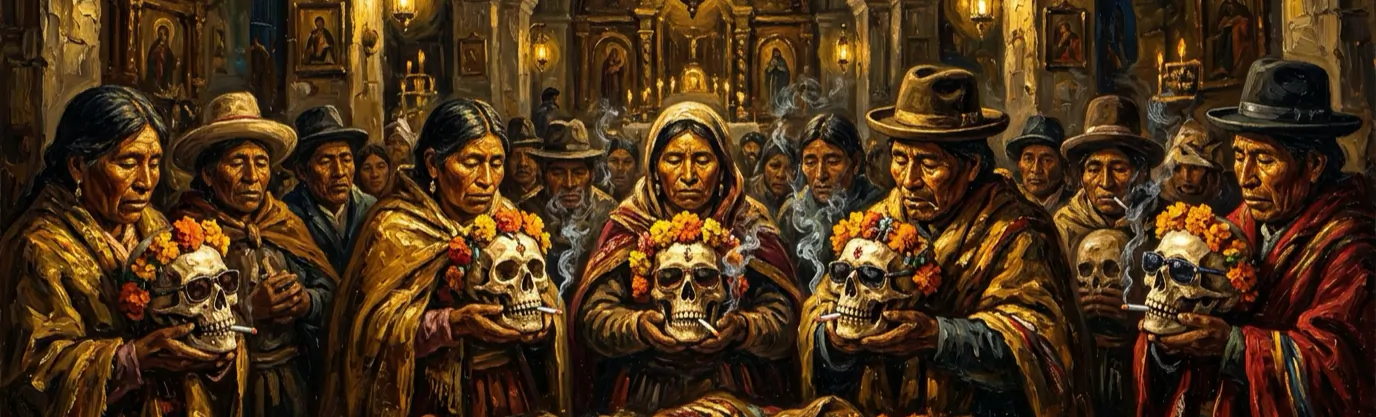
31.Why do Bolivians light cigarettes for human skulls during the Fiesta de las Ñatitas?
Correct Answer: C. To pamper protective souls
Explanation: Every November 8th in La Paz, Bolivia, thousands of devotees flock to the General Cemetery carrying decorated human skulls adorned with flower crowns, sunglasses, woolen caps, and lit cigarettes tucked into their jawbones for "Fiesta de las Ñatitas."
Known as "ñatitas" (meaning "pug-nosed" or "little flat-noses"), these skulls are often ancestral relics or unclaimed skeletal remains kept in home altars as guardian spirits who protect businesses from burglars and heal ailments.
During the festival, owners shower the skulls with coca leaves, cold beer, tobacco smoke, and serenading brass bands to pamper the souls in gratitude for twelve months of supernatural household protection!

32.What frosty Canadian competition rewards winter bathers for sculpting their frozen icicle locks?
Correct Answer: D. The Hair Freezing Contest
Explanation: At the Takhini Hot Springs in Whitehorse, Yukon, brave winter swimmers compete annually in the world's most whimsical grooming event: the International Hair Freezing Contest.
Contestants soak in mineral hot spring waters heated to 104°F (40°C), submerge their heads completely, and then step into sub-zero arctic air dipping as low as -22°F (-30°C).
Within seconds, rising steam freezes wet locks solid into gravity-defying mohawks, frosty white afro clouds, icy beards, and sculpted frozen crowns—with the most outrageous icy hairstyles winning cash prizes and international viral fame!
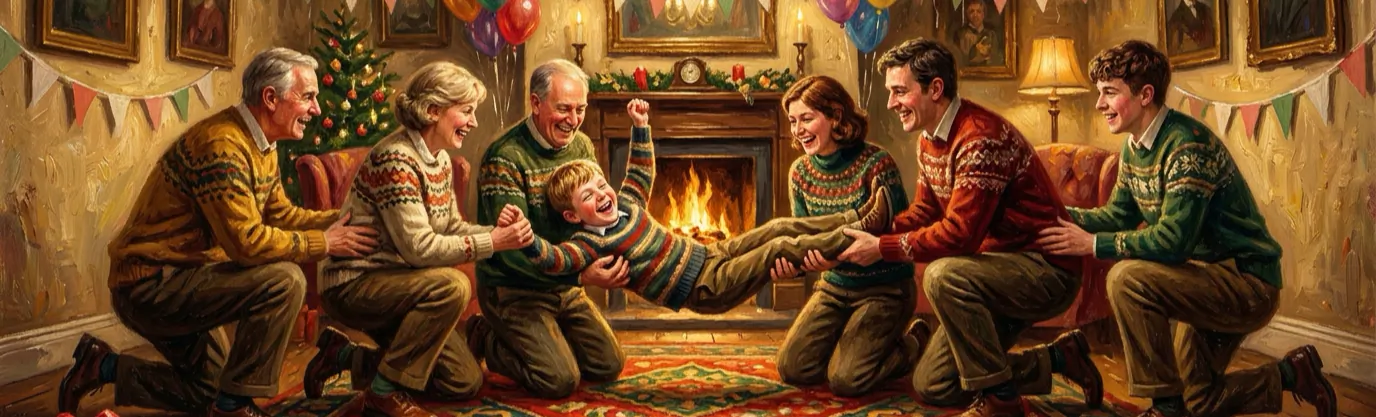
33.Why do Irish birthday celebrants get held upside down and gently bumped on floors?
Correct Answer: A. One bump per year
Explanation: If you celebrate a childhood birthday in Ireland, prepare for "The Bumps"—a boisterous tradition where older cousins, parents, or schoolmates seize the birthday child by their arms and legs and hoist them horizontal.
The giggling child is gently bumped up and down toward the floor or a carpeted sofa, counting aloud one bump for every year of their age, followed by a final extra-high bump "for good luck."
Dating back to centuries-old Celtic blessings wishing physical resilience and long life, the good-natured tradition guarantees the birthday boy or girl enters their next year grounded in hearty family laughter!

34.What sound must superstitious Brits whisper upon spotting a lonely single magpie bird?
Correct Answer: B. Good day, Mr. Magpie
Explanation: Walk through the British countryside and you may spot an otherwise sensible person suddenly tipping their cap or making a polite salute to an empty tree while murmuring: "Good morning, Mr. Magpie. How is your lady wife today?"
The bizarre etiquette stems from an ancient British nursery rhyme ("One for sorrow, two for mirth, three for a wedding, four for a birth") warning that spotting a solitary magpie brings terrible misfortune because magpies mate for life and a lone bird indicates tragedy.
By politely enquiring after the bird's wife and tipping your hat, you symbolically acknowledge that the magpie has a healthy mate elsewhere, instantly neutralizing the bad luck curse!
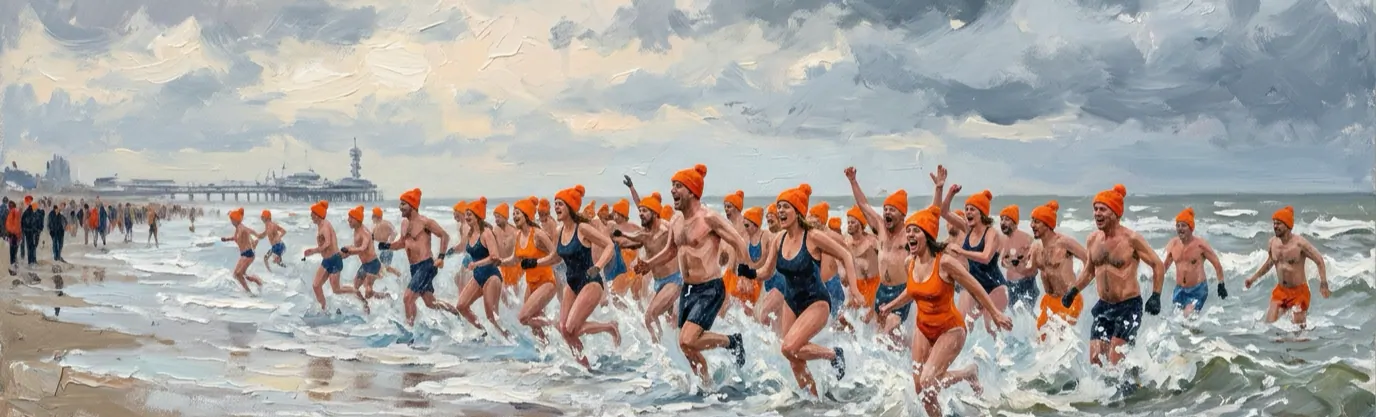
35.Why do Dutch swimmers sprint into freezing North Sea surf every New Year's Day?
Correct Answer: C. The Nieuwjaarsduik polar plunge
Explanation: Every January 1st at midday, over 10,000 Dutch swimmers clad only in swimsuits and signature bright orange knitted beanies charge screaming into the icy, churning waves of the North Sea at Scheveningen beach.
Known as the "Nieuwjaarsduik" (New Year's Dive), this frosty national tradition began in 1960 when a local swim club decided to shake off New Year's Eve hangovers with an invigorating winter dip.
Now sponsored by soup manufacturer Unox across 140 locations throughout the Netherlands, freezing plungers warm up immediately after exiting the surf with steaming bowls of "erwtensoep" (thick Dutch split pea soup with smoked sausage)!