
General Knowledge Trivia: 30 Bizarre True Facts, Engineering Blunders & Wild Curiosities
Skip the tired textbook clichés—explore 30 surprising, verified facts spanning engineering blunders, strange animal superpowers, and quirky history.

1.Why did French railroad company SNCF have to widen 1,300 station platforms in 2014?
Correct Answer: C. Ordered 2,000 extra-wide trains
Explanation: In 2014, France's national railway operator SNCF and track manager RFF uncovered an embarrassing $20.5 billion engineering blunder after ordering 2,000 brand-new regional trains. When engineers measured platform clearances for the order, they only checked newer train stations built within the previous 30 years.
They completely forgot that more than 1,300 older regional station platforms across France—many constructed over a century ago when locomotives were significantly slimmer—sat much closer together. As a result, the spacious new Regiolis and Regio 2N trains were several centimeters too wide to pull into stations without scraping the concrete edges.
To allow the new fleet to pass safely, railway crews had to embark on a massive multi-year construction project, shaving back concrete platform edges and repositioning trackside electrical equipment at hundreds of stations across the country.

2.Which animal's rectangular pupils give it nearly 340-degree panoramic vision against predators?
Correct Answer: A. Domestic sheep and goats
Explanation: Unlike predators with vertical slit pupils or humans with circular ones, grazing prey animals like goats, sheep, deer, and horses evolved striking horizontal rectangular pupils. According to vision scientists at UC Berkeley, this slot-like geometry gives them a sweeping 320-to-340-degree panoramic view of their surroundings.
Horizontal pupils allow a grazing goat to flood its retina with light from the left, right, and behind while blocking blinding overhead glare from the sun. That means a goat can spot a stalking wolf on the horizon while keeping its head down in the grass.
Even more remarkably, when a goat lowers its head to graze, its eyeballs automatically rotate up to 50 degrees inside their sockets—a reflex called cyclovergence—keeping the rectangular pupils perfectly parallel to the ground at all times.
3.What unusual cargo washed ashore across European beaches after a 1992 container spill?
Correct Answer: D. 28,800 yellow rubber ducks
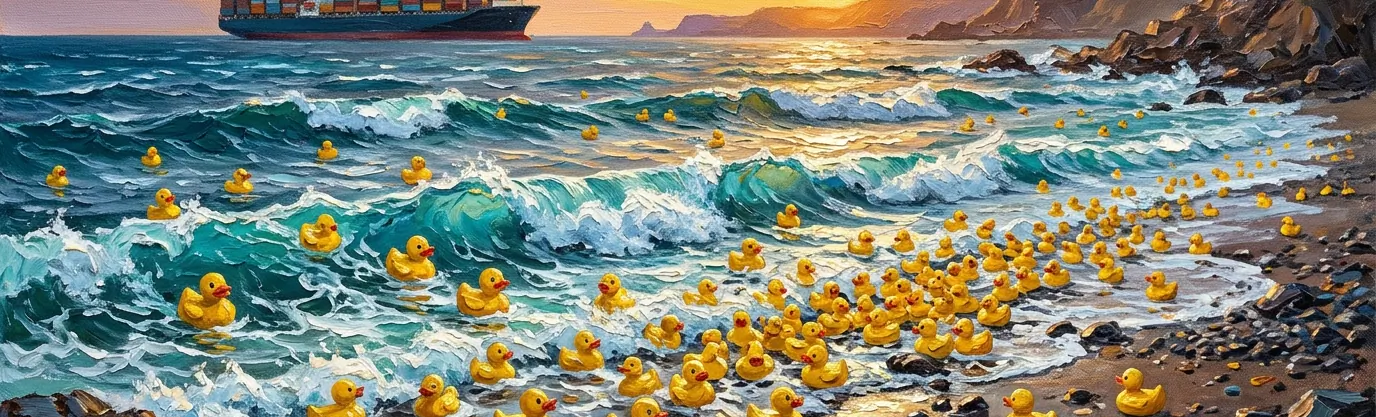
Explanation: On January 10, 1992, the container ship Ever Laurel encountered a ferocious storm in the North Pacific Ocean while sailing from Hong Kong to Tacoma, Washington. Twelve forty-foot steel shipping containers tumbled overboard, including one holding 28,800 plastic bath toys known as "Friendly Floatees"—mostly yellow rubber ducks alongside red beavers, blue turtles, and green frogs.
Unlike standard bath toys with holes in the bottom, these sealed plastic figures never took on water. Oceanographers Curtis Ebbesmeyer and James Ingraham tracked the flotilla for decades as the ducks rode the North Pacific Subpolar Gyre toward Alaska, drifted through the freezing Bering Strait trapped in Arctic pack ice, and eventually emerged into the North Atlantic.
Years later, sun-bleached rubber ducks washed ashore from Hawaii and Maine all the way to the beaches of Scotland and Cornwall, revolutionizing scientists' understanding of global surface ocean currents.

4.Why is an official baker's dozen equal to thirteen loaves instead of twelve?
Correct Answer: B. Avoiding medieval short-weight floggings
Explanation: In 1266, King Henry III of England enacted the Assize of Bread and Ale, a strict medieval consumer-protection law that regulated the price and weight of bread according to the fluctuating cost of wheat. Any baker caught selling an underweight loaf faced severe public punishments, including heavy fines, the pillory, or public flogging.
Even the most honest medieval baker struggled to bake twelve loaves to an exact uniform weight using wood-fired brick ovens and hand-mixed dough, as moisture evaporated unpredictably during baking. A slightly hollow or over-baked batch could easily tip the royal inspector's scales below the legal minimum.
To protect themselves from accidental short-changing and the king's whip, English bakers began tossing an extra thirteenth "vantage loaf" into every dozen—a safety margin that immortalized the phrase "baker's dozen."

5.Which planet spins clockwise so slowly that its day outlasts its entire year?
Correct Answer: A. Scorching cloud-wrapped Venus
Explanation: Venus is the solar system's ultimate rebel when it comes to rotation. While nearly every other planet spins counterclockwise on its axis when viewed from above the Sun's north pole, Venus rotates clockwise in retrograde motion—meaning the Sun would rise in the west and set in the east if you could see through its thick sulfuric acid clouds.
Furthermore, Venus spins at an agonizingly sluggish pace of just 6.5 kilometers per hour (4 mph) at its equator—roughly the speed of a brisk human walk. Because of this crawl, a single sidereal day on Venus takes 243 Earth days to complete.
Meanwhile, Venus zips all the way around the Sun in just 225 Earth days, making a single Venusian day longer than a Venusian year!
6.What unexpected profession did Abraham Lincoln hold before entering the White House?
Correct Answer: C. Licensed saloon bartender
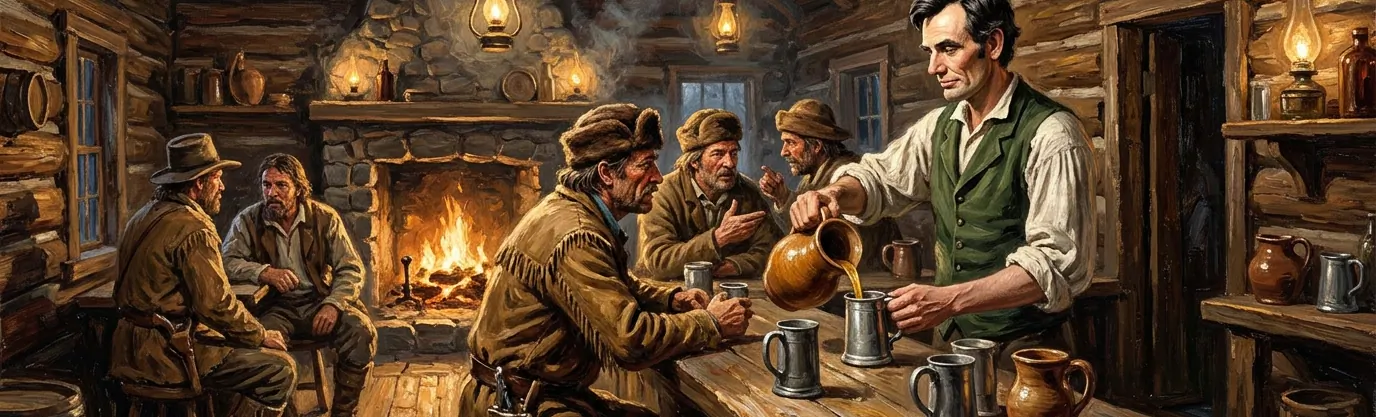
Explanation: Before becoming a courtroom lawyer and the sixteenth President of the United States, a 24-year-old Abraham Lincoln co-owned a frontier tavern in New Salem, Illinois. In March 1833, Lincoln and his business partner William F. Berry paid seven dollars to the Sangamon County court for an official tavern license under the name Berry and Lincoln.
Their county license permitted the future president to sell French brandy, peach and apple spirits, Holland gin, domestic rum, wine, and whiskey by the half-pint, along with warm meals and lodging for travelers' horses. Lincoln worked behind the rustic wooden counter pouring drinks and swapping stories with frontier settlers.
The partnership collapsed later that year after Berry drank away much of the inventory and left Lincoln saddled with what he ruefully called "the National Debt," pushing young Abe toward surveying, state politics, and the law.
7.Which everyday kitchen food never spoils even after three thousand years inside tombs?
Correct Answer: D. Sealed raw honey
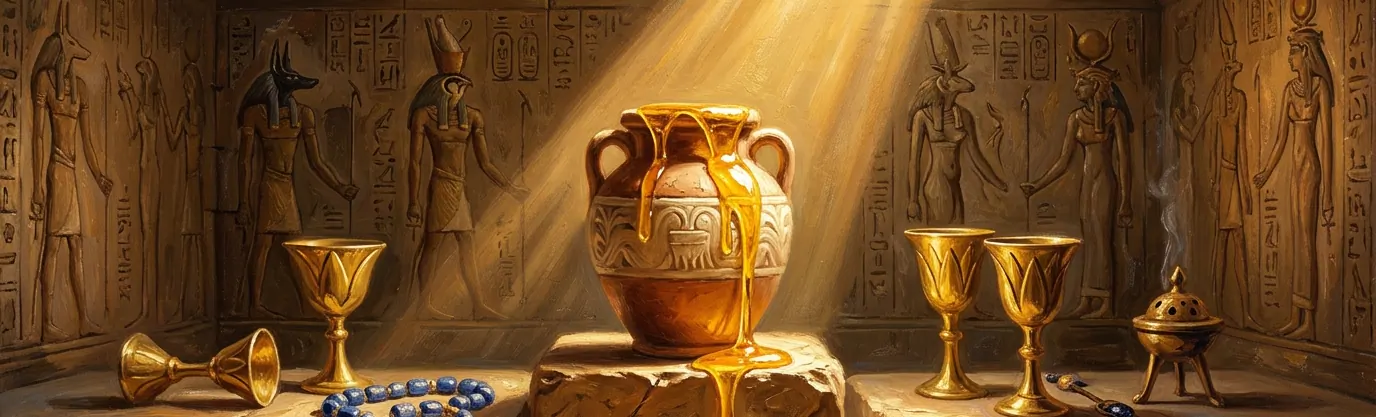
Explanation: Archaeologists excavating ancient Egyptian royal tombs—including King Tutankhamun's burial chamber in the Valley of the Kings—have uncovered sealed terracotta pots of 3,000-year-old honey that remain completely edible. When properly sealed away from humidity, pure raw honey has an indefinite shelf life.
Honey's eternal longevity comes down to harmonizing chemistry and bee biology. First, honey is hygroscopic and contains almost no free water, dehydrating any bacteria or fungi that land on it through osmosis. Second, honey is naturally acidic (with a pH between 3.2 and 4.5), creating a hostile environment for microbes.
Finally, as worker bees regurgitate nectar into the honeycomb, their stomachs add an enzyme called glucose oxidase, which continuously generates trace amounts of antibacterial hydrogen peroxide inside the jar.

8.Why do airplane cabin windows always feature a tiny pinhole near the bottom?
Correct Answer: B. Equalizing cabin air pressure
Explanation: If you look closely at the bottom of a commercial airliner window, you will spot a tiny pinpoint opening known in aviation engineering as a "bleed hole" or "breather hole." Passenger cabin windows are actually constructed from three separate acrylic panes: a scratch-guard inner pane you can touch, a middle structural pane, and a thick outer pane flush with the fuselage.
At cruising altitude above 35,000 feet, outside atmospheric pressure drops to a fraction of the pressurized cabin air inside. Without the tiny bleed hole in the middle pane, both the middle and outer panes would bear stress simultaneously.
The bleed hole allows pressurized cabin air to pass into the air gap between the panes so that the rugged outer pane absorbs nearly 100 percent of the pressure difference, keeping the middle pane in reserve as a pristine backup safety barrier—while also preventing frost and fog from obscuring your view.

9.Which country's national flag is the only one without four right-angled corners?
Correct Answer: A. Double-pennant Nepal
Explanation: Out of nearly 200 sovereign nations on Earth, every single national flag is a four-sided rectangle or square—except for Nepal. Adopted in its modern constitutional form in 1962, Nepal's flag consists of two stacked crimson-red triangular pennants bordered in royal blue, emblazoned with a white crescent moon and twelve-pointed sun.
The double-pennant silhouette honors the towering jagged peaks of the Himalayas as well as the two ancient ruling dynasties of Hinduism and Buddhism. The deep crimson shade represents the rhododendron, Nepal's national flower, while the blue border symbolizes peace and harmony.
So mathematically precise is the flag's design that Article 5, Schedule 1 of the Nepalese Constitution includes a detailed 24-step geometric compass-and-straightedge construction manual for drawing it accurately.

10.What bizarre tax did Russian Tsar Peter the Great impose on nobles in 1698?
Correct Answer: C. A mandatory beard tax
Explanation: Upon returning to Moscow in 1698 from his "Grand Embassy" tour of Western Europe, Tsar Peter the Great was determined to modernize Russian society along French and Dutch lines. At the very first reception with his boyars (Russian noblemen), Peter shocked the court by pulling out a pair of long shears and personally hacking off the long, traditional beards of his top officials.
For centuries, Russian Orthodox tradition regarded a full beard as a sacred symbol of manhood and piety. Peter relented only slightly: men who refused to shave had to pay an annual "beard tax" scaling up to 100 rubles a year for wealthy nobles and merchants.
Anyone who paid the levy was required to carry a copper or silver "beard token" stamped with a nose, mustache, and flowing beard—along with the inscription "The beard is a superfluous burden"—or risk being shaved on the spot by palace guards.
11.Why do flamingos turn vibrant pink instead of staying their birth color gray?
Correct Answer: D. Carotenoid pigments in brine shrimp
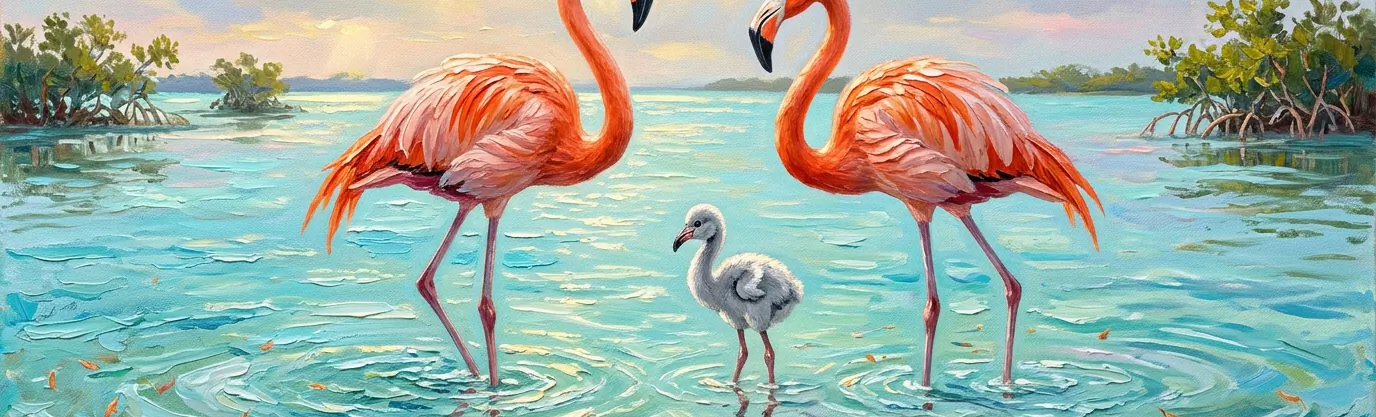
Explanation: Every flamingo hatches from its egg covered in soft, downy gray-and-white feathers with a straight bill. The iconic coral-pink and crimson plumage that makes adult flamingos famous is entirely the result of their specialized diet in hypersaline lagoons and soda lakes.
Flamingos filter-feed upside down on microscopic blue-green algae and tiny crustaceans like brine shrimp, both of which are packed with organic carotenoid pigments—particularly canthaxanthin and beta-carotene, the same class of molecules that turn carrots orange and boiled lobsters red.
Enzymes in the flamingo's liver break down these carotenoid fats and deposit the pink and orange pigments directly into growing feathers, skin, and even egg yolks. In captivity, flamingos quickly fade to pale white unless zookeepers supplement their feed with natural carotenoid extracts.

12.Which famous monument grows up to six inches taller every hot summer afternoon?
Correct Answer: B. Paris's iron Eiffel Tower
Explanation: Constructed by Gustave Eiffel for the 1889 Exposition Universelle in Paris, the Eiffel Tower is a 7,300-ton masterpiece of puddled wrought iron held together by 2.5 million rivets. Because metal is highly sensitive to thermal expansion, the tower changes height with the seasons.
During blazing Parisian summer heatwaves, the iron lattice absorbs solar radiation, causing its atoms to vibrate more vigorously and push slightly farther apart. This thermal expansion causes the 330-meter tower to grow by up to 15 centimeters (about 6 inches) compared to freezing winter days.
Even more remarkably, because the sun shines on only one side of the tower at a time, the sun-drenched beams expand more than the shaded side, causing the summit of the Eiffel Tower to tilt slightly away from the sun in a slow daily circle.

13.What did Sony's very first commercial product fail to do reliably in 1946?
Correct Answer: A. Cook fluffy white rice
Explanation: Before inventing the Walkman, Trinitron television, or PlayStation, Sony co-founders Masaru Ibuka and Akio Morita launched Tokyo Tsushin Kogyo in a bombed-out Tokyo department store in late 1945. Their very first commercial consumer product was a primitive electric rice cooker crafted from a wooden cedar tub fitted with interlocking aluminum electrodes at the bottom.
The device had no thermostat; instead, electric current passed directly through the wet rice until the water boiled away and resistance rose. Unfortunately, depending on the mineral content of the water and the type of rice, the contraption either left the middle raw and soggy or scorched the bottom into charcoal.
The wooden rice cooker was a total commercial flop, selling fewer than 100 units—a humbling failure that Sony proudly displays in its corporate museum to remind engineers of their scrappy beginnings.
14.Which mammal produces cube-shaped droppings that stack neatly on rocks without rolling away?
Correct Answer: C. Australia's burrowing wombat
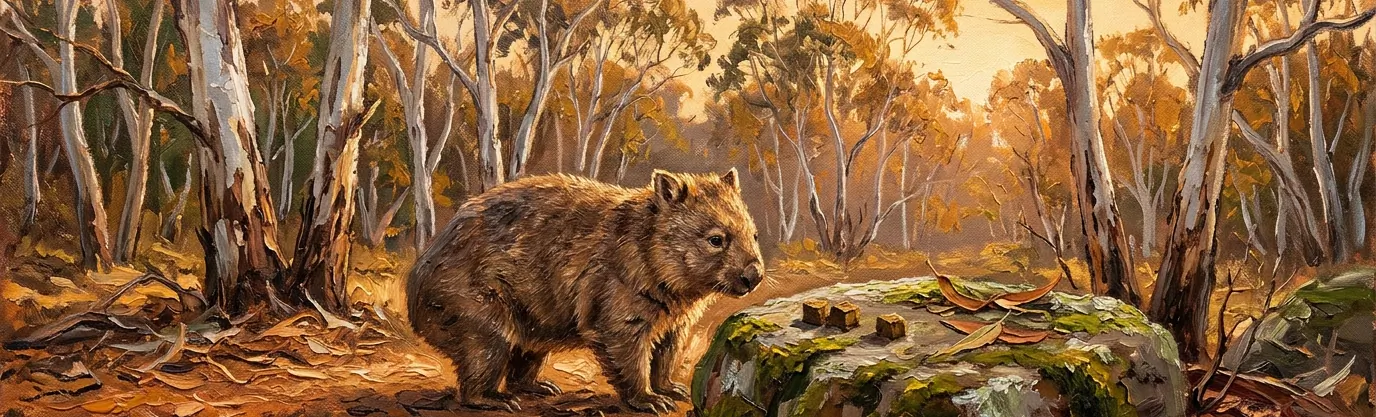
Explanation: The Australian wombat is the only known species in the animal kingdom that produces distinct, six-sided cube-shaped poop—depositing up to 100 neat two-centimeter cubes every single night. Because wombats have poor eyesight, they stack these aromatic cubes atop prominent rocks, fallen logs, and small rises as territorial signposts that won't roll away.
For decades, biologists wondered how a mammal with a round anus could extrude square droppings. In 2018, mechanical engineers led by Patricia Yang discovered the secret inside the final eight percent of the wombat's remarkably long intestine, picking up an Ig Nobel Prize for their research.
Unlike uniform cylindrical intestines in other mammals, the wombat's colon features two stiff elastic grooves alternating with two flexible bands. As rhythmic muscular contractions squeeze the dry, fibrous grass digestate over several days, the uneven walls mold corners onto the cubes right before exit.
15.Why did the British Royal Navy outfit warships with wild zebra-striped paint in 1917?
Correct Answer: B. Confusing U-boat torpedo aim
Explanation: During World War I, German U-boats sank thousands of Allied merchant and naval vessels across the Atlantic. Because rising smoke plumes, changing sky reflections, and ocean weather made it impossible to render a massive steel warship invisible at sea, British marine artist and naval officer Norman Wilkinson proposed the exact opposite approach in 1917: "Dazzle Camouflage."
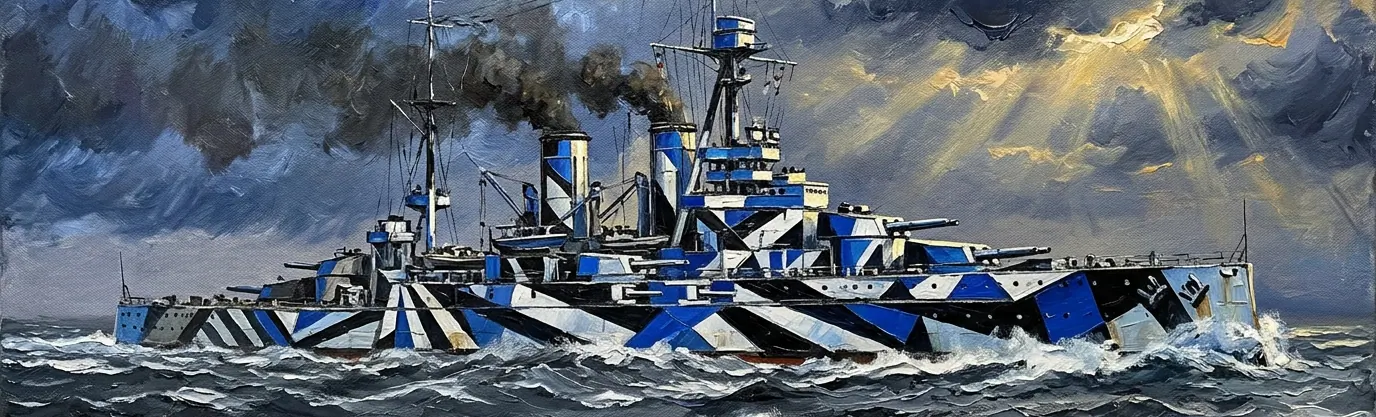
Over 4,000 British and American ships were painted in wild, intersecting geometric stripes, zigzags, and Cubist checkerboards of contrasting black, white, blue, and green. Rather than hiding the ship, the high-contrast optical illusion broke up the hull's bow, stern, and smokestacks.
Peering briefly through a bobbing periscope, a German submarine commander could not accurately judge a dazzle-painted ship's exact heading, speed, or range—frequently causing slow-moving torpedoes to miss their targets entirely.
16.Which letter of the English alphabet never appears in any U.S. state name?
Correct Answer: D. The letter Q
Explanation: If you scan the names of all 50 United States from Alabama to Wyoming, 25 of the 26 letters of the English alphabet make at least one appearance. Rare letters like Z show up in Arizona, X appears in Texas and New Mexico, and J anchors New Jersey—leaving "Q" as the sole letter completely absent from every U.S. state name.
Why did "Q" miss the cut? Most U.S. state names derive from Native American languages transliterated by English, French, or Spanish explorers, along with European monarchs and Latinized territories—none of which happened to preserve a "Qu" spelling at the state level.
Of course, the letter Q appears in plenty of American cities and counties—such as Quincy, Massachusetts, and Queens, New York—just never in the name of a state itself.

17.What happens to liquid water at the exact thermodynamic point called the triple point?
Correct Answer: A. Boils and freezes simultaneously
Explanation: In thermodynamics, the "triple point" of a substance is the exact combination of temperature and pressure at which its three phases—solid, liquid, and gas—coexist in stable equilibrium at the very same time. For pure water, this remarkable state occurs at 0.01 degrees Celsius (32.018°F) and a low atmospheric pressure of 611.65 pascals (about 0.006 atmospheres).
Inside a laboratory vacuum chamber tuned to water's triple point, a dish of water puts on an eerie show: bubbles of boiling water vapor erupt violently through a sheet of solid ice while liquid water sloshes between them.
Because the triple point of water is an unshakable physical constant of nature rather than an arbitrary measurement, metrologists used it for decades as the primary reference anchor to define the Kelvin thermodynamic temperature scale.

18.Which European microstate accidentally returned from an 1866 war with one extra soldier?
Correct Answer: C. Alpine Liechtenstein
Explanation: During the Austro-Prussian War of 1866, the tiny Alpine principality of Liechtenstein deployed its entire standing army of 80 soldiers to guard the Brenner Pass along the border between Austria and Italy. Their mission was simply to watch the mountain pass against potential Italian incursions while the main armies clashed elsewhere.
Throughout the deployment, the 80 soldiers saw zero combat, fired not a single shot in anger, and spent their weeks enjoying local wine, mountain air, and pipe tobacco. When the war ended after seven weeks, the contingent marched home to Vaduz completely unscathed.
To the prince's surprise, the roll call on their return tallied 81 men instead of 80—the unit had befriended an Austrian liaison officer (often recounted as an Italian contact) who happily marched back to Liechtenstein with them!
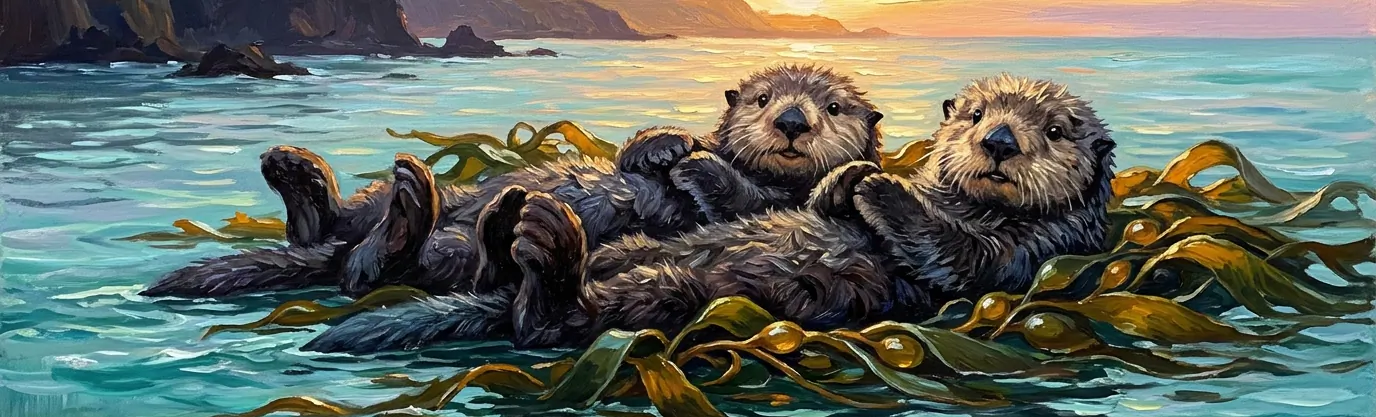
19.Why do sea otters hold paws while floating asleep on Pacific kelp beds?
Correct Answer: B. Avoiding drifting apart in currents
Explanation: Sea otters spend nearly their entire lives floating on their backs in chilly coastal Pacific waters. Because an otter could easily be swept out to open ocean by nocturnal tides and surface currents while sleeping, they evolved two adorable mooring strategies.
First, sleeping sea otters frequently wrap strands of giant bull kelp around their bellies like living anchor lines. Second, they link paws in floating groups called "rafts"—ranging from a single mother-and-pup pair to over a hundred otters bobbing together—so no member of the group drifts away alone in the night.
To keep their paws warm and dry so they are always ready to groom their ultra-dense fur (which packs up to one million hairs per square inch), sea otters also sleep with their hind feet and front paws held up out of the icy water.
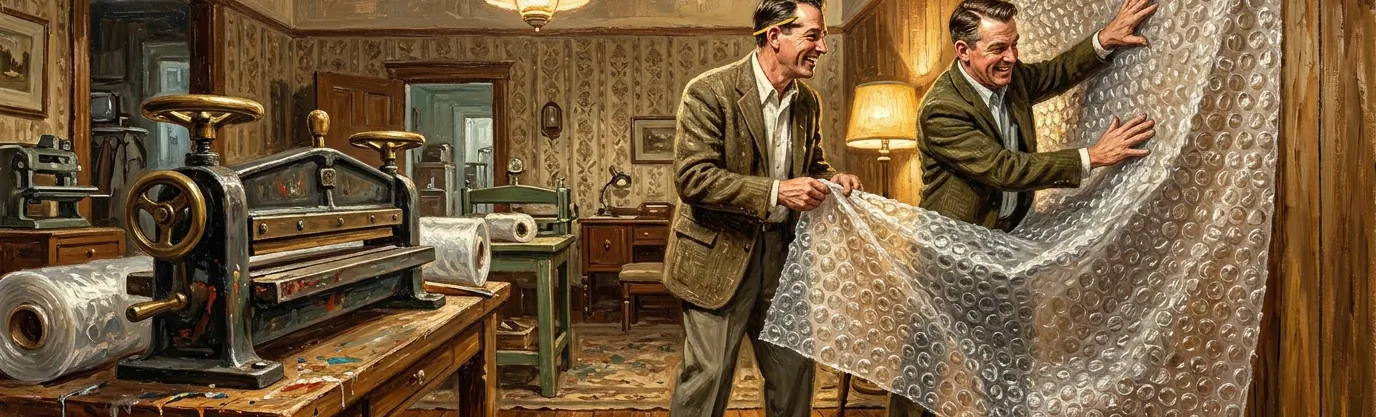
20.What was bubble wrap originally invented to be by two engineers in 1957?
Correct Answer: D. Textured 3D plastic wallpaper
Explanation: In 1957, American engineer Alfred Fielding and Swiss inventor Marc Chavannes sealed two plastic shower curtains together through a heat-sealing machine in a New Jersey garage, trapping pockets of air in between. Their goal wasn't shipping protection—they were trying to create trendy, textured 3D plastic wallpaper that could be wiped clean with a sponge.
When interior decorators showed zero interest in hanging bubbly plastic sheets on living-room walls, the duo founded Sealed Air Corporation and tried marketing their creation as thermal insulation for garden greenhouses. That pitch flopped too.
Three years later, in 1960, a marketer at Sealed Air realized the air-filled sheets made extraordinary shock-absorbing cushioning for IBM's fragile new 1401 mainframe computers during shipping—transforming a failed wallpaper into the world's favorite popping pastime.

21.Which tree-dwelling mammal moves so slowly that green algae grows across its fur?
Correct Answer: A. Three-toed rainforest sloth
Explanation: The three-toed sloth of Central and South America is the undisputed master of slow motion, traveling through the rainforest canopy at an average top speed of just 0.24 kilometers per hour (0.15 mph). Because sloths live in humid tropical treetops and barely stir for hours on end, their coarse outer hairs feature microscopic transverse cracks that soak up rainwater like sponges.
Within those damp grooves thrives a miniature ecosystem of symbiotic green algae (Trichophilus welckeri), fungi, and dozens of species of "sloth moths" found nowhere else on Earth. The green algae tints the sloth's coat a mottled emerald hue, turning the animal into a living clump of tree moss invisible to hunting harpy eagles and jaguars.
In return for housing the garden, sloths lick their own fur to snack on the lipid-rich algae as a nutritious dietary supplement!
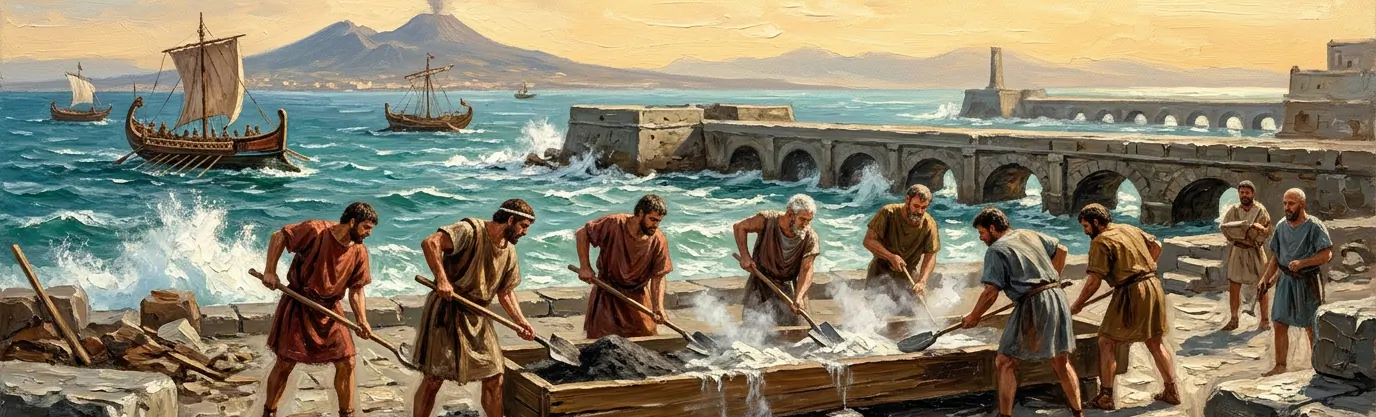
22.Why did ancient Roman builders mix volcanic ash and quicklime into harbor concrete?
Correct Answer: C. Cracks self-heal in seawater
Explanation: While modern Portland cement seawalls begin crumbling after just a few decades of saltwater battering, ancient Roman concrete piers, aqueducts, and the Pantheon dome have stood virtually intact for 2,000 years. Recent MIT and Harvard materials analyses revealed that Roman engineers used a hot-mixing technique combining volcanic pozzolana ash from Pozzuoli with quicklime (calcium oxide) and seawater.
High temperatures during hot-mixing left tiny, chalky white mineral lumps called "lime clasts" embedded throughout the concrete—previously dismissed by modern researchers as sloppy mixing. In reality, those lime clasts give Roman concrete an extraordinary self-healing superpower.
Whenever tiny stress fractures open inside a Roman harbor wall, infiltrating seawater dissolves the calcium-rich lime clasts, which immediately recrystallize along the crack and react with volcanic ash to reinforce the structure stronger than before.

23.Which musical instrument was banned inside Scottish armies after the 1745 Jacobite rising?
Correct Answer: B. Highland war bagpipes
Explanation: Following the defeat of Bonnie Prince Charlie's Jacobite rebels at the Battle of Culloden in 1746, the British Parliament enacted the Act of Proscription to crush the Highland clan system. Alongside outlawing tartan kilts and weapons, British authorities suppressed the Great Highland Bagpipe (pìob mhòr), which clan pipers had played for centuries to rally charges and terrify enemy troops.
During the trial of captured Jacobite piper James Reid in York in late 1746, Reid pleaded innocent by arguing that he carried no musket or sword—only his bagpipes. The English court famously rejected his defense, ruling that a Highland regiment never marched without a piper and that the bagpipe was therefore "an instrument of war" in the eyes of the law.
Ironically, within decades the British Army reversed course and began recruiting Highland regiments complete with official military pipe bands.

24.What surprising biological feature do human fingertips share with Australian koala paws?
Correct Answer: D. Nearly identical whorled fingerprints
Explanation: Even though the last common ancestor of marsupial koalas and placental primates lived over 70 million years ago, koalas possess fingerprints with loops, whorls, and arches so remarkably similar to human prints that even veteran forensic examiners struggle to tell them apart under an electron microscope.
In 1996, anatomical pathologist Maciej Henneberg at the University of Adelaide published a landmark study showing that koala friction ridges evolved independently through convergent evolution—making koalas one of the only non-primates on Earth with true fingerprints.
Why did koalas develop human-like prints relatively recently in their evolutionary history? Vertically climbing smooth eucalyptus trunks and carefully grasping individual leaves to test their toxicity requires precise mechanical grip sensitivity on the tips of their two-thumbed front paws.
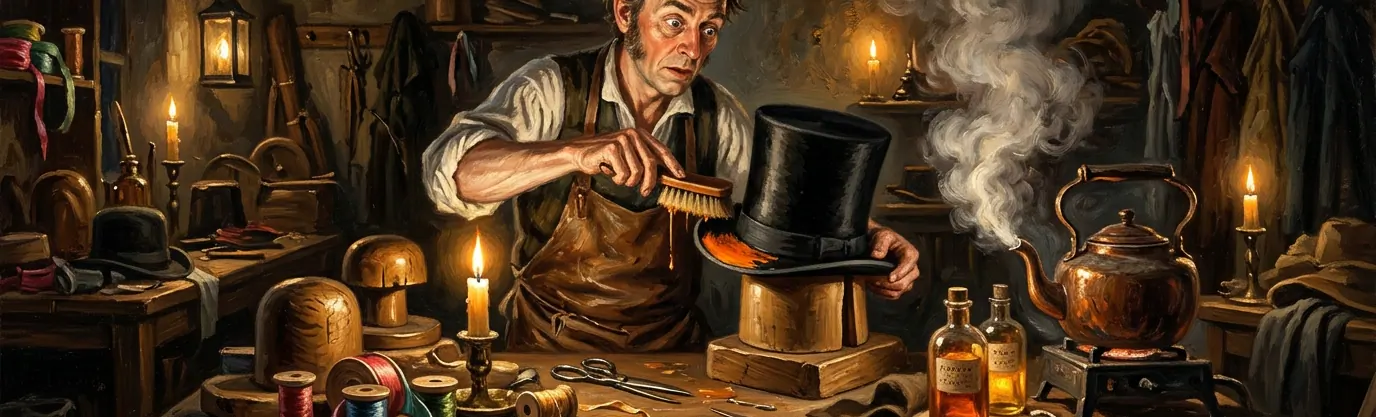
25.Why did 19th-century hatmakers frequently suffer from trembling hands and erratic behavior?
Correct Answer: A. Toxic mercury felt curing
Explanation: The classic English idiom "mad as a hatter"—immortalized by Lewis Carroll's eccentric Mad Hatter in Alice's Adventures in Wonderland—was rooted in a tragic 18th- and 19th-century occupational hazard. To turn stiff rabbit and beaver pelts into soft, moldable felt for top hats and bowlers, hatmakers brushed the fur with an orange solution of mercuric nitrate in a process called "carroting."
Working all day in poorly ventilated steaming workshops, hatters continuously inhaled toxic mercury vapors. Chronic mercury poisoning (erethism) attacked their central nervous systems, causing violent muscle tremors known as "hatter's shakes," slurred speech, emotional instability, hallucinations, and severe paranoia.
Despite widespread awareness of the symptoms in hatmaking hubs like Danbury, Connecticut, the use of mercury in felt hat production wasn't officially banned in the United States until 1941.
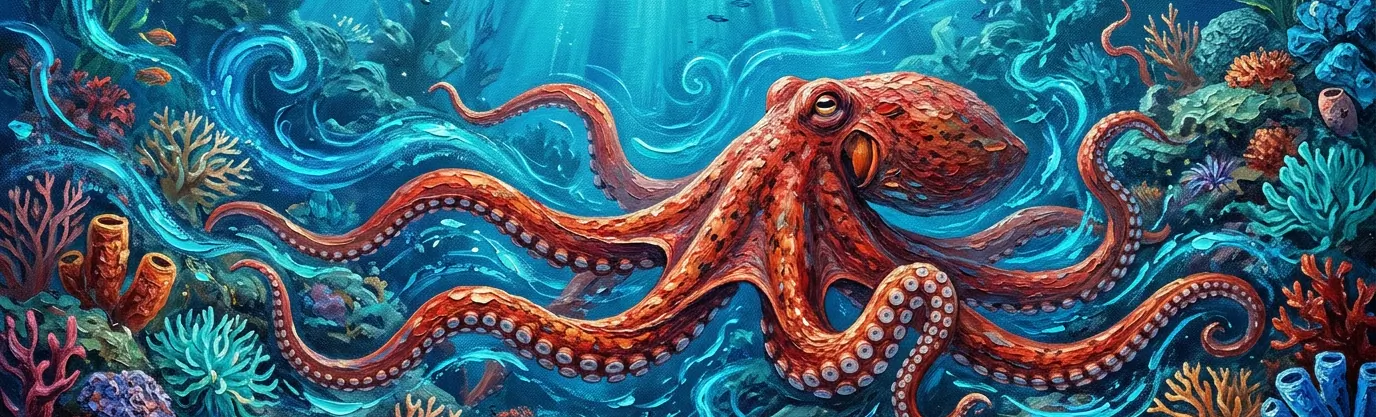
26.Which ocean creature possesses three separate hearts and copper-based blue blood?
Correct Answer: C. Giant Pacific octopus
Explanation: The octopus is one of evolution's most alien-looking marvels, equipped with nine brains (one central brain plus a neural ganglion in each of its eight arms), three beating hearts, and royal-blue blood. Two peripheral "branchial hearts" sit near its gills to pump deoxygenated blood through the gills, while a larger central "systemic heart" circulates oxygenated blood to the rest of the body.
Whereas human blood is red because it relies on iron-rich hemoglobin to transport oxygen, octopuses thrive in frigid, low-oxygen deep ocean waters by using hemocyanin—a copper-based protein dissolved in their plasma that turns bright blue when oxygenated.
Because hemocyanin is much more viscous than hemoglobin, the octopus needs three hearts to maintain high blood pressure—though weirdly, its systemic heart actually stops beating whenever the octopus swims by jet propulsion, which is why octopuses prefer crawling along the seafloor!

27.Why was the original 1899 aspirin medicine named with the prefix 'a-spir'?
Correct Answer: B. Extracted from meadowsweet Spiraea plants
Explanation: For thousands of years, ancient healers from Sumer and Egypt to Hippocrates in Greece brewed teas from willow bark and meadowsweet blossoms to soothe fevers and headaches. Those plants naturally contain salicin, which the body converts into salicylic acid—effective against pain, yet notoriously harsh on the human stomach.
In 1897, German chemist Felix Hoffmann at Friedrich Bayer & Co. synthesized a pure, stable form of acetylsalicylic acid that spared patients the severe gastric irritation. When Bayer trademarked the blockbuster drug in 1899, they coined the name "Aspirin" directly from its botanical chemistry.
The letter "A" stood for the acetyl group added in the lab, "spir" came from Spiraea ulmaria (the botanical name for the meadowsweet plant from which salicylic acid was originally isolated), and "-in" was a standard chemical suffix of the era.

28.Which land border is the longest continuous international boundary on planet Earth?
Correct Answer: D. Canada and the United States
Explanation: Stretching an astonishing 8,891 kilometers (5,525 miles) across eight time zones—including 2,475 kilometers along the Alaskan frontier—the international boundary between Canada and the United States is the longest international land border in the world. It is also famously known as the world's longest undefended border, requiring no military fortifications along its path.
Much of the western section follows the 49th parallel of north latitude, established by the Anglo-American Convention of 1818 and the Oregon Treaty of 1846. To keep the exact boundary visible across dense boreal forests and mountain ranges, the International Boundary Commission maintains a 20-foot-wide cleared path called "The Slash" lined with over 8,000 white border monuments.
Along the Quebec-Vermont line, the border even slices directly through the middle of the Haskell Free Library and Opera House, where the stage sits in Canada and half the audience seats sit in the United States!

29.Why do woodpeckers survive slamming their beaks into trees at twenty miles hourly?
Correct Answer: A. Wrap-around hyoid skull tongue
Explanation: A foraging woodpecker hammers its beak into hardwood tree trunks up to 20 times per second at speeds reaching 24 kilometers per hour (15–20 mph), enduring deceleration forces of 1,200 to 1,400 Gs with every strike—more than ten times the force that would cause a severe concussion in a human athlete.
To survive up to 12,000 impacts a day, the woodpecker relies on a suite of anatomical shock absorbers, led by its extraordinary hyoid apparatus—a muscular, bony tongue structure so long that it splits at the jaw, loops around the back of the skull beneath the skin, arches over the top of the brain, and anchors inside the right nostril like a biological seatbelt.
Additionally, a woodpecker's tiny, lightweight brain sits tightly packed with almost no cerebrospinal fluid to slosh around, while spongy plate-like bone at the base of the beak diverts shockwaves safely below the braincase.

30.What unusual distinction belongs to the Pacific island nation of Nauru?
Correct Answer: C. No official capital city
Explanation: Measuring just 21 square kilometers (8.1 square miles) in Micronesia, the Republic of Nauru is the third-smallest country on Earth by land area (behind only Vatican City and Monaco) and the world's smallest independent island nation. Because the entire oval-shaped coral island can be driven around in 25 minutes on a single coastal ring road, Nauru is the only sovereign republic in the world with no official capital city.
Instead of designating a capital, Nauru groups its 14 traditional districts around coastal settlements. Most government buildings, including the Parliament House, police headquarters, and international airport, sit in the southern Yaren District, which is often listed on maps as the "de facto" seat of government.
Wait—what about Switzerland? While Bern serves as Switzerland's "federal city" rather than a constitutional capital, Nauru doesn't even have incorporated cities or towns at all!