
Historical Trivia: 36 Petty Feuds, Royal Blunders & Absurd True Events Your History Teacher Skipped
Skip the dry dates and treaties—explore 36 hilariously petty wars, royal disasters, and verified historical misadventures that actually happened.
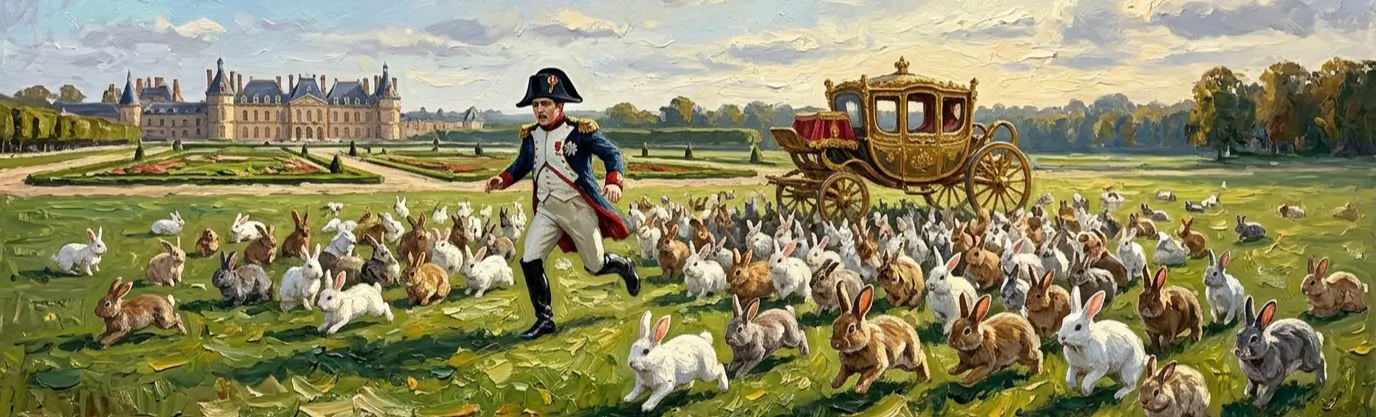
1.Which animal ambushed Napoleon Bonaparte and chased him into his carriage?
Correct Answer: A. 3,000 pet rabbits
Explanation: To celebrate signing the Treaties of Tilsit in July 1807, Napoleon's chief of staff Alexandre Berthier organized a lavish outdoor hunt. Eager to impress the Emperor, Berthier bought 3,000 rabbits—but accidentally purchased tame, farm-raised pet bunnies instead of wild hares.
When the cages were opened, the rabbits didn't run away. Instead, spotting Napoleon, all 3,000 hungry bunnies assumed he was the keeper bringing their afternoon cabbage and charged directly at the Emperor in a giant fluffy stampede.
The rabbits swarmed up Napoleon's boots, chewed on his coat, and flanked his party until coachmen had to crack whips while the Emperor of the French sprinted backward into his carriage.
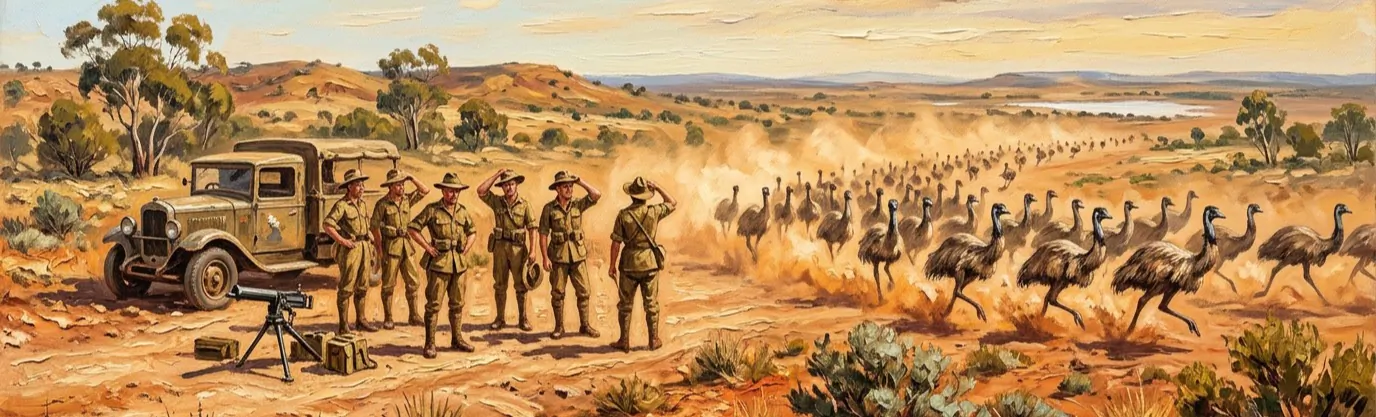
2.Who defeated the Australian Army's machine-gunners in November 1932?
Correct Answer: B. 20,000 flightless emus
Explanation: During the "Great Emu War" of 1932, Australia's Minister of Defence dispatched Royal Australian Artillery soldiers armed with Lewis machine guns and 10,000 rounds of ammo to stop 20,000 emus from eating wheat crops in Western Australia.
Every time the troops set up an ambush, the emus split into small guerrilla squads, posted a tall lookout bird, and sprinted away at 30 mph while shrugging off bullets like feathery tanks.
After burning through thousands of rounds with almost nothing to show for it, the military withdrew in defeat, and Major Meredith admitted the birds could outmaneuver any army in the world.
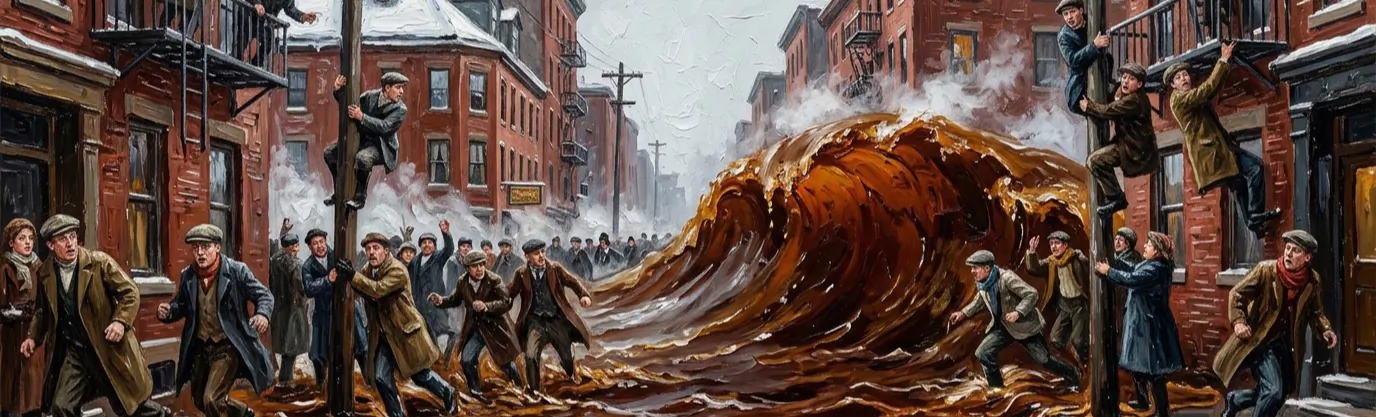
3.What drowned Boston's North End in a 25-foot-tall wave in 1919?
Correct Answer: C. Crude molasses
Explanation: On January 15, 1919, a 50-foot storage tank owned by the Purity Distilling Company burst open in Boston's North End, unleashing 2.3 million gallons of sticky crude molasses.
The 25-foot-tall syrupy wall raced through the streets at 35 miles per hour—fast enough to knock an elevated train off its tracks and sweep buildings off their foundations.
For weeks afterward, Boston smelled like a giant pancake house, and the disaster prompted the first modern laws requiring licensed engineers to certify building plans.
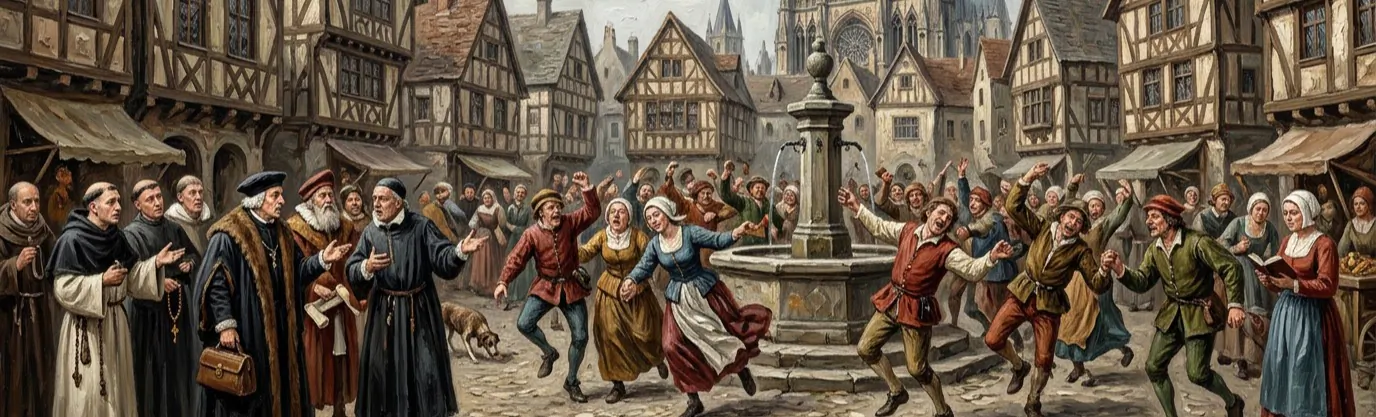
4.How did Strasbourg doctors try to cure the 'Dancing Plague' of 1518?
Correct Answer: C. Hiring a live band
Explanation: In July 1518, a woman named Frau Troffea stepped into a Strasbourg street and began dancing uncontrollably. Within a month, nearly 400 citizens were caught in the hysteria, dancing day and night until they collapsed.
Local physicians diagnosed the crowd with "overheated blood" and prescribed the worst possible cure: building a wooden stage and hiring professional drummers and horn players so the victims could "dance it out."
Throwing a live concert for a mass psychogenic outbreak only made more people join in, until the city finally banned music and carted the exhausted dancers to a quiet mountain shrine.
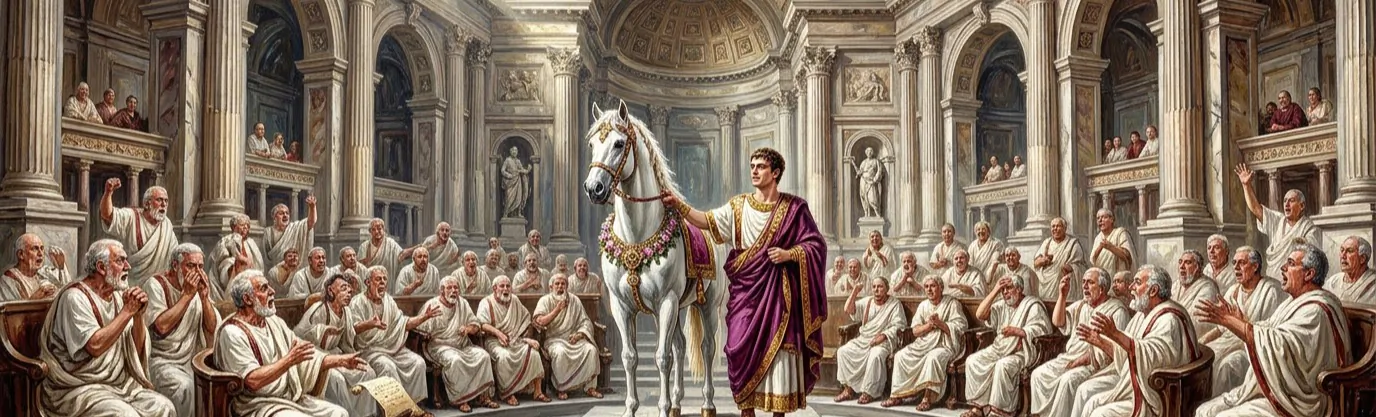
5.What high-ranking job did Emperor Caligula plan to give his racehorse?
Correct Answer: D. Roman Consul
Explanation: Roman Emperor Caligula pampered his prized racehorse, Incitatus, with a marble stable, an ivory manger, purple blankets, and oats mixed with gold flakes.
He even gave the stallion its own villa with servants and sent out dinner invitations in the horse's name.
To mock the Roman Senate, Caligula announced plans to appoint Incitatus as Consul—Rome's highest political office—implying that a literal horse could govern just as well as the Senators.
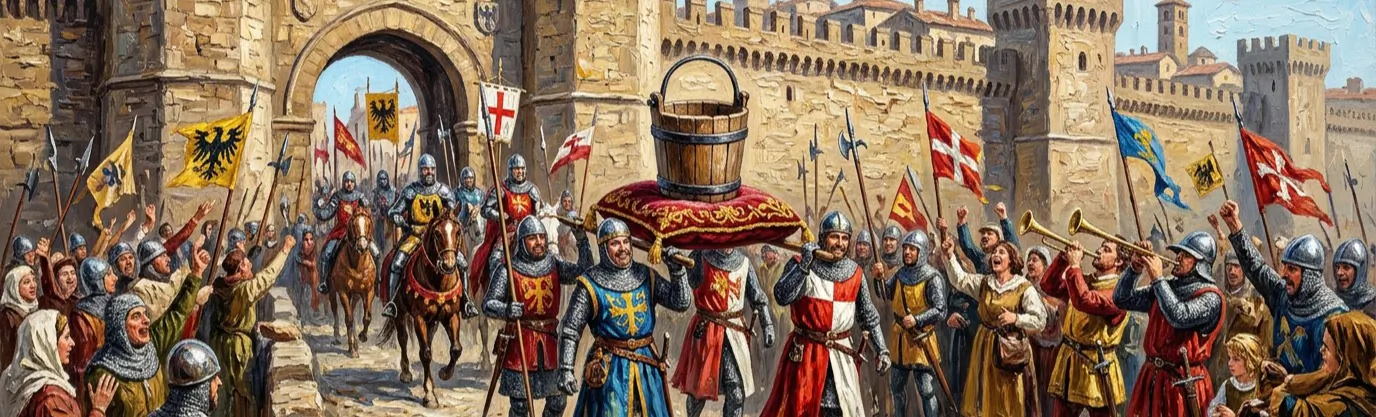
6.Why did 39,000 soldiers fight a bloody battle between Bologna and Modena in 1325?
Correct Answer: A. A stolen wooden bucket
Explanation: In 1325, a small band of soldiers from Modena snuck into rival Bologna and stole the ordinary wooden oak bucket hanging over the city's main public well.
The bucket was worthless, but the blow to Bologna's pride was unbearable. Bologna marched 32,000 troops against Modena's 7,000 men at the Battle of Zappolino to demand their bucket back.
Modena routed the much larger Bolognese army, stole a second bucket outside the gates just to gloat, and still displays the original 1325 bucket in Modena's city hall today.
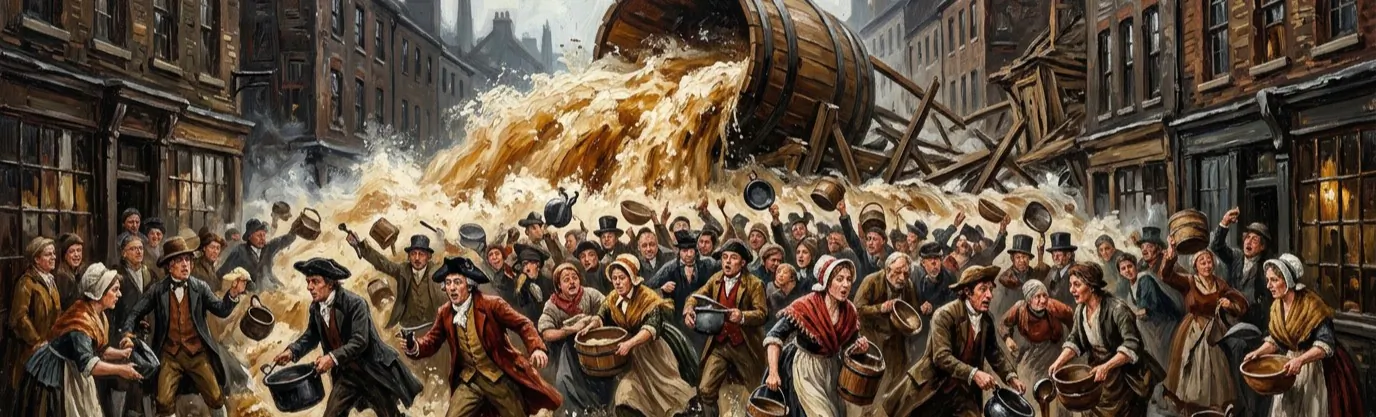
7.What flooded the streets of London in a 15-foot wave in October 1814?
Correct Answer: C. Dark porter beer
Explanation: On October 17, 1814, a 22-foot-tall wooden fermentation vat burst at Meux and Company's Horse Shoe Brewery in London, triggering a domino effect that released over 320,000 imperial gallons of dark porter ale.
A 15-foot wall of foaming beer blasted through the brewery's brick wall and flooded the narrow streets of St Giles.
Once the wave settled, hundreds of Londoners waded outside with pots, pans, and teacups to scoop up the free beer, and Parliament later granted the brewery a tax refund on the spilled ale.
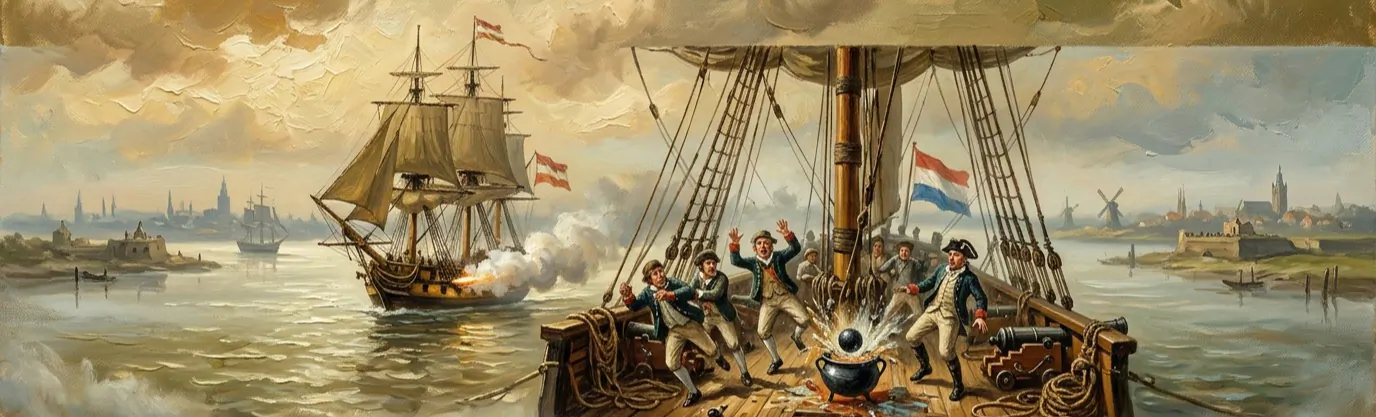
8.What was the only casualty of the 1784 war between the Dutch and the Holy Roman Empire?
Correct Answer: B. A soup kettle
Explanation: In October 1784, Holy Roman Emperor Joseph II sent the warship *Le Louis* down the Scheldt River to challenge the Dutch Republic's century-long blockade.
The Dutch warship *Dolfijn* fired a single warning cannonball across the bow, which struck the steaming soup kettle sitting on the deck of *Le Louis*, spilling the crew's lunch everywhere without hurting a soul.
Startled by the exploding soup pot, the captain immediately surrendered, earning the conflict the immortal name "The Kettle War."
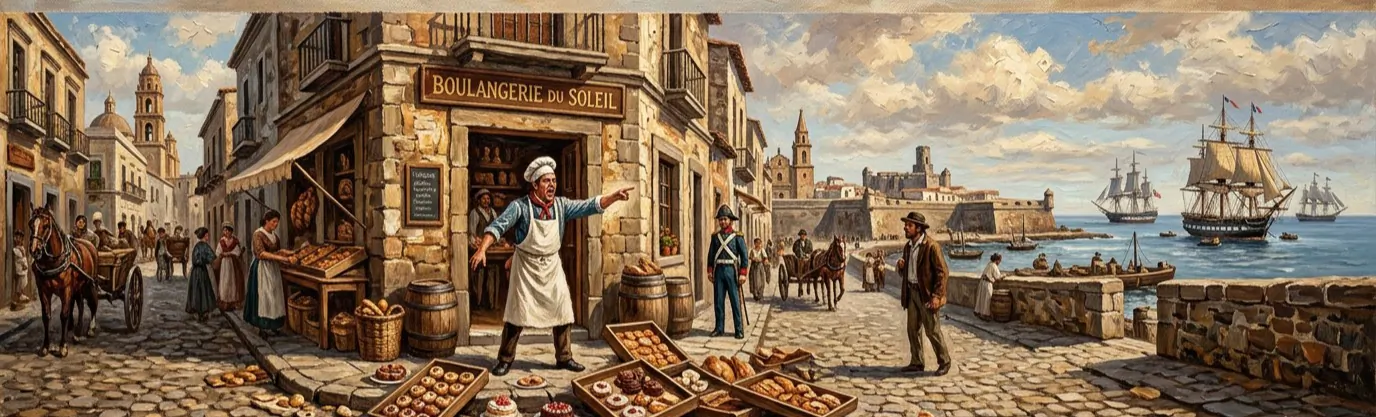
9.Why did France blockade and invade Veracruz, Mexico in 1838?
Correct Answer: A. Unpaid bakery pastries
Explanation: In 1832, a French baker named Monsieur Remontel complained to King Louis-Philippe that Mexican officers had trashed his pastry shop near Mexico City and eaten all his tarts without paying.
Using the baker's inflated 60,000-peso pastry bill as leverage for wider debts, France sent a naval fleet to blockade and bombard Veracruz in 1838.
Known as the "Pastry War," the conflict even cost Mexican General Santa Anna his leg—for which he later held a full state military funeral.
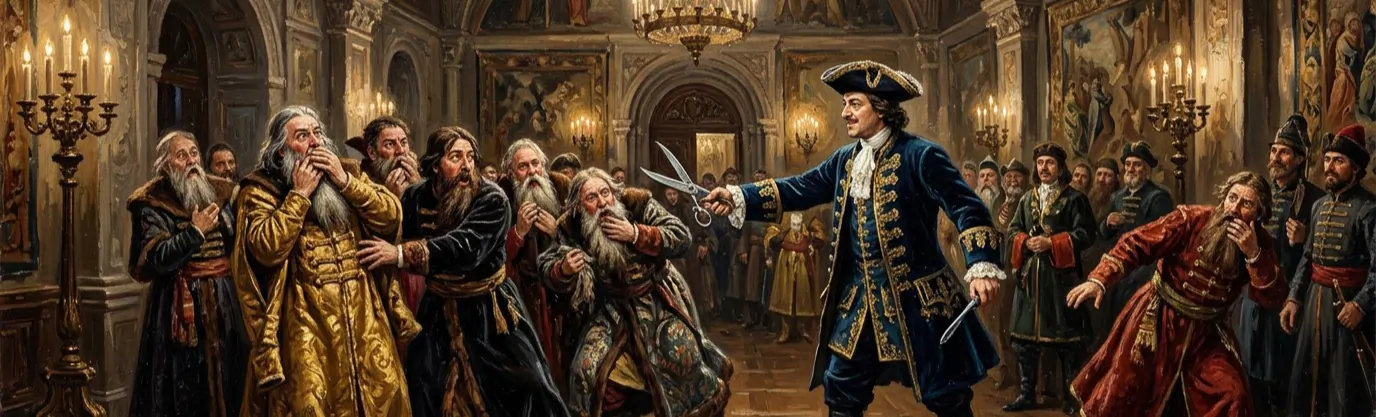
10.What did Russian nobles have to carry in their pocket to avoid being shaved by police in 1698?
Correct Answer: C. A copper Beard Token
Explanation: Returning from Western Europe in 1698, Tsar Peter the Great whipped out a giant pair of barber shears at his welcome reception and personally hacked off his nobles' long beards.
Anyone who wanted to keep their beard had to pay a steep annual Beard Tax.
Taxpayers were issued a metallic "Beard Token" stamped with a nose, mustache, and flowing beard—and police were ordered to forcibly shave any man caught without his token.
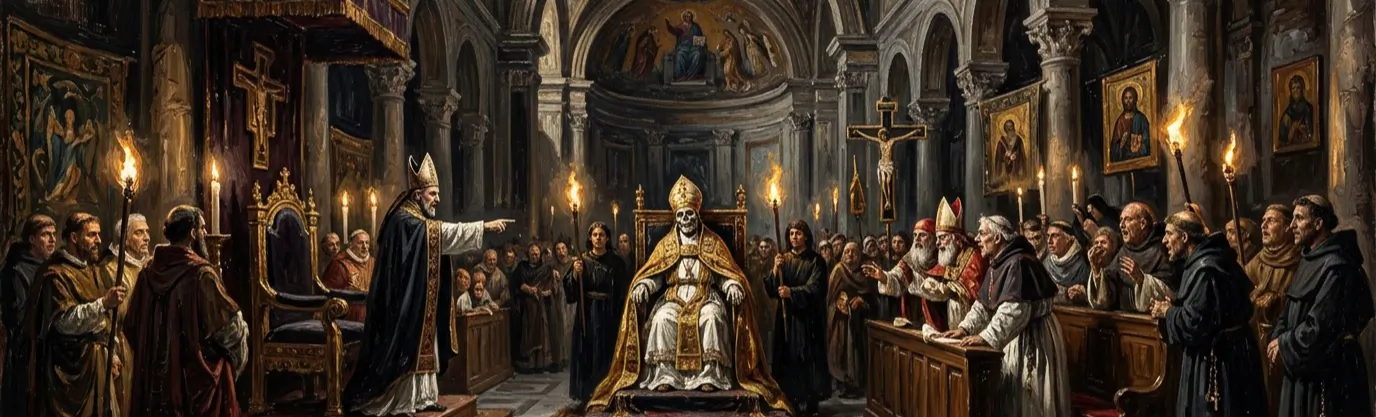
11.Why didn't Pope Formosus speak a word in his own defense at his 897 AD trial?
Correct Answer: C. He had been dead for 7 months
Explanation: At the infamous "Cadaver Synod" of January 897, Pope Stephen VI had the corpse of his predecessor, Pope Formosus—who had died seven months earlier—dug up, dressed in papal robes, and propped on a throne to stand trial.
A terrified young deacon was forced to kneel behind the chair and impersonate the corpse's voice while Stephen VI screamed questions at it.
The dead pope was found guilty, stripped of his vestments, and had three blessing fingers chopped off before outraged Romans overthrew Stephen VI later that year.
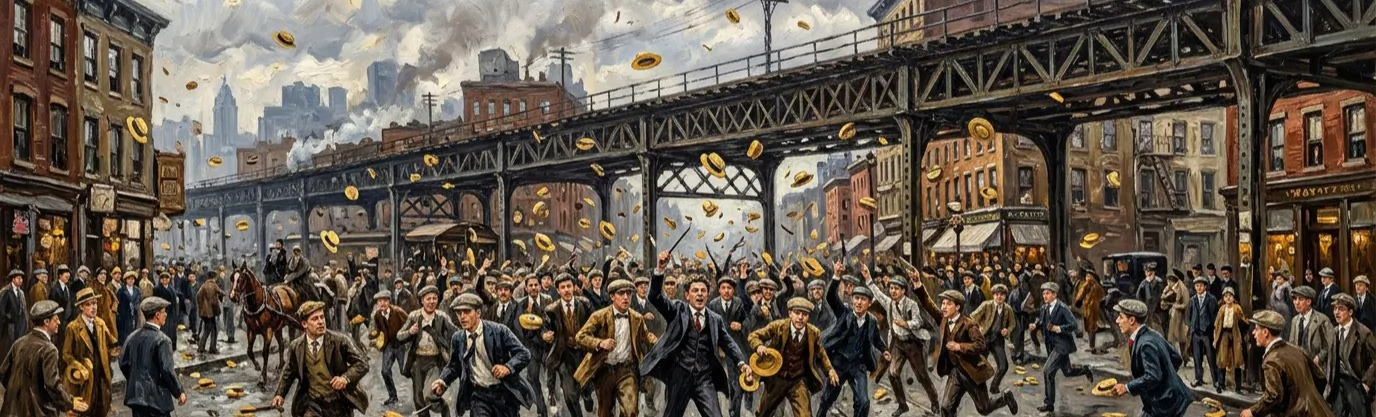
12.What fashion crime sparked an 8-day riot across New York City in September 1922?
Correct Answer: A. Wearing straw hats after September 15
Explanation: In 1920s New York, unwritten etiquette dictated that men had to retire their summer straw boater hats by September 15 and switch to autumn felt hats.
In 1922, roving gangs of teenagers began enforcing the deadline early, snatching straw hats off dockworkers and pedestrians and stomping them in the street.
When the dockworkers fought back, the brawl erupted into an eight-day citywide riot that hospitalized dozens and packed Manhattan's night courts.
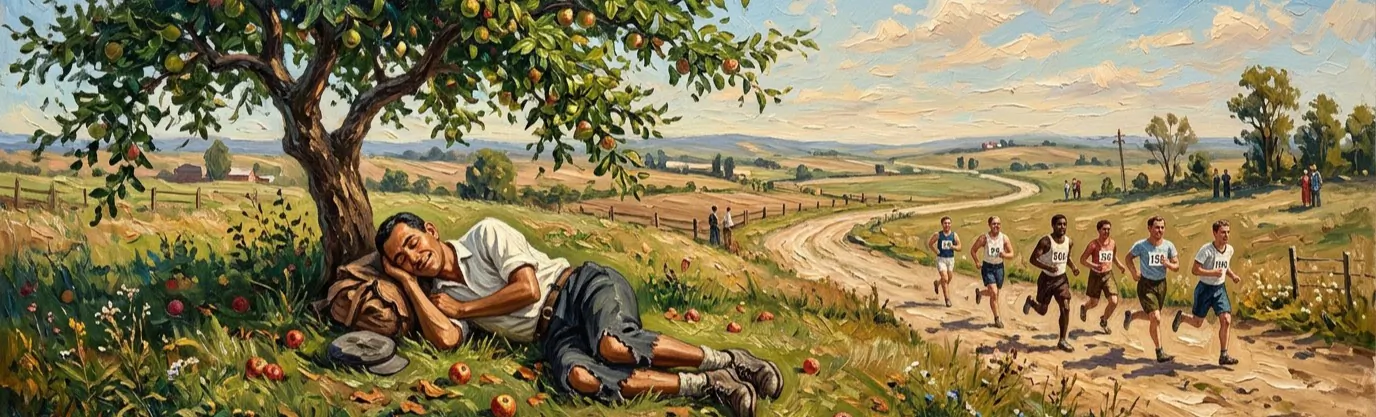
13.How did Cuban postman Andarín Carvajal spend part of the 1904 Olympic Marathon—and still finish 4th?
Correct Answer: B. Napping after eating rotten apples
Explanation: After losing all his travel money in a dice game in New Orleans, Cuban mailman Andarín Carvajal hitchhiked to the 1904 St. Louis Olympics and showed up at the starting line in heavy street shoes and dress trousers.
A fellow Olympian cut his pants into shorts with scissors right before the starting gun.
Starving during the race, Carvajal snacked on rotten apples from a roadside orchard, got stomach cramps, took a nap on the side of the road, and still woke up to finish 4th!
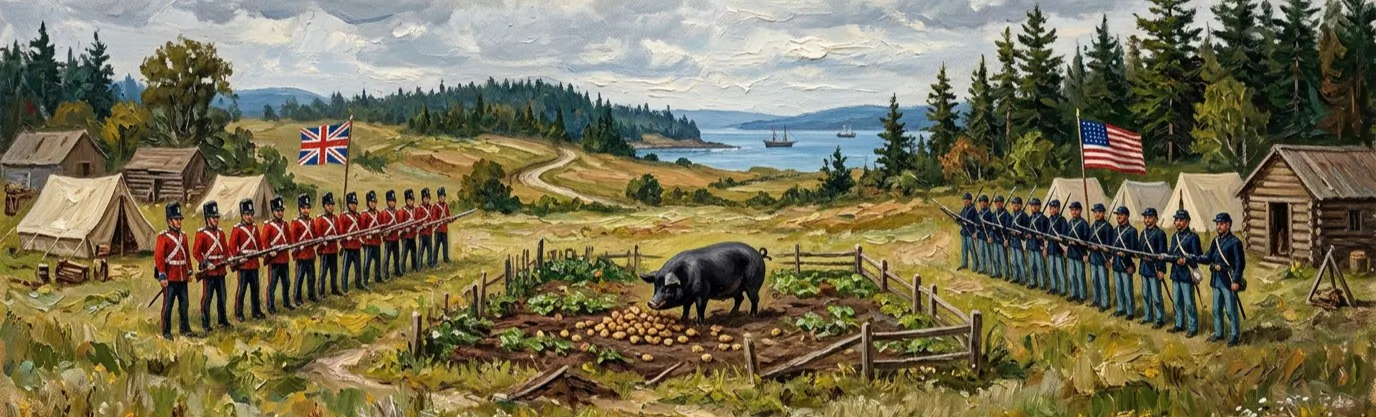
14.What triggered an armed military standoff between the US and Britain on San Juan Island in 1859?
Correct Answer: C. A pig eating potatoes
Explanation: On June 15, 1859, American settler Lyman Cutlar found a British neighbor's black Berkshire pig rooting up his potato patch on disputed San Juan Island and shot the pig dead.
The argument escalated until 461 U.S. soldiers with 14 cannons were staring down five British Royal Navy warships carrying 2,140 troops.
Thankfully, British Rear Admiral Robert Baynes refused orders to open fire, declaring he would never involve two great nations in a war over a squabble about a pig.
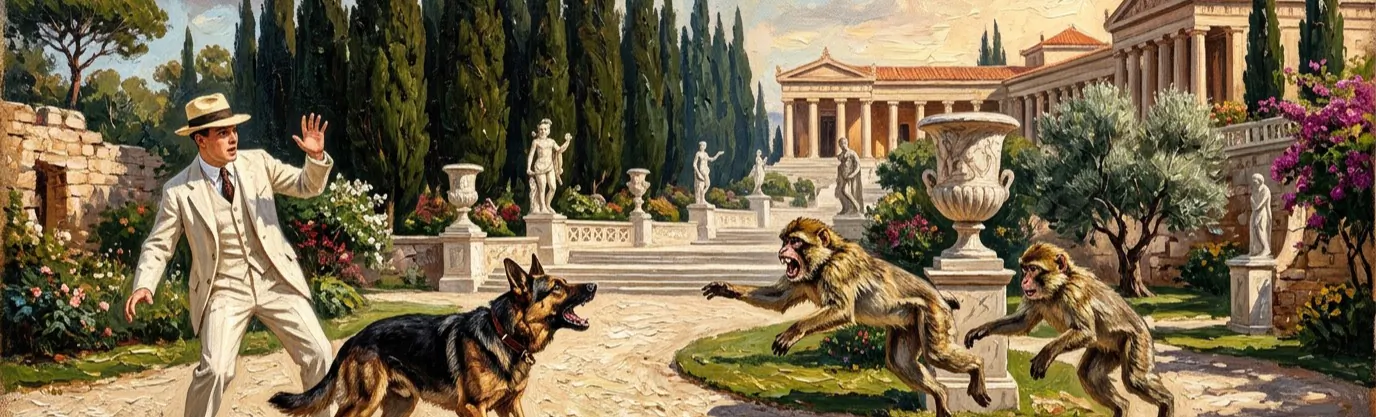
15.What bizarre backyard accident killed 27-year-old King Alexander of Greece in 1920?
Correct Answer: A. A monkey bite
Explanation: While walking his German Shepherd in the palace gardens near Athens in October 1920, King Alexander tried to break up a fight between his dog and the palace steward's pet Barbary macaque monkey.
A second monkey leaped from the bushes and bit the young king on the leg and torso, causing a fatal infection three weeks later.
His sudden death upended Greek politics and the Greco-Turkish War, leading Winston Churchill to write that "a quarter of a million persons died of this monkey's bite."
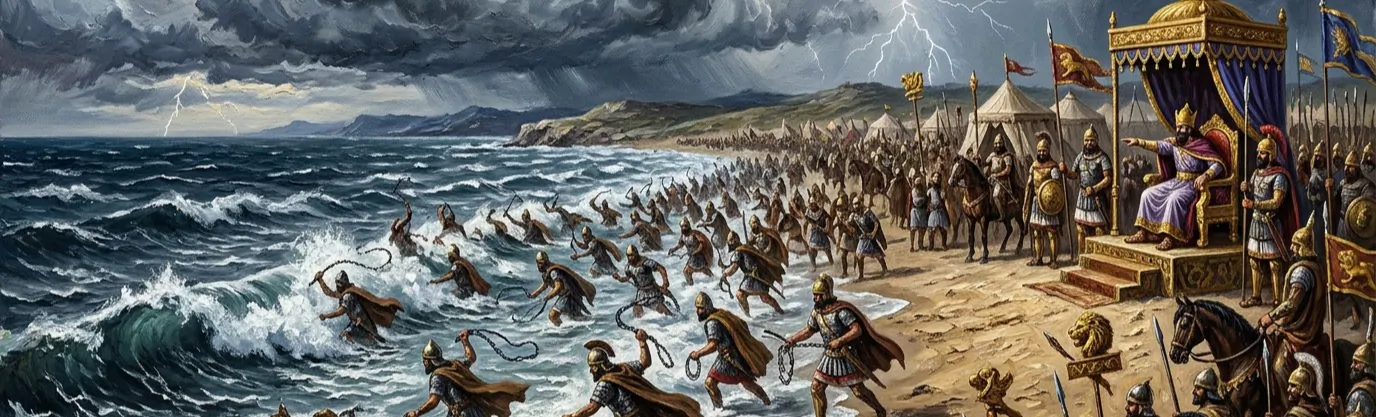
16.How did Persian King Xerxes I officially punish the ocean after a storm wrecked his bridge?
Correct Answer: B. 300 whip lashes and shackles
Explanation: When a storm smashed the twin pontoon bridges Persian King Xerxes I had built across the Hellespont in 480 BC, the Emperor took it as a personal insult from the water.
According to Herodotus, Xerxes ordered his soldiers to wade into the surf, whip the waves 300 times, toss leg shackles into the strait, and brand the sea with hot irons.
The soldiers even had to shout a royal lecture at the waves: "You salt and bitter stream, your master lays this punishment upon you for injuring him!"
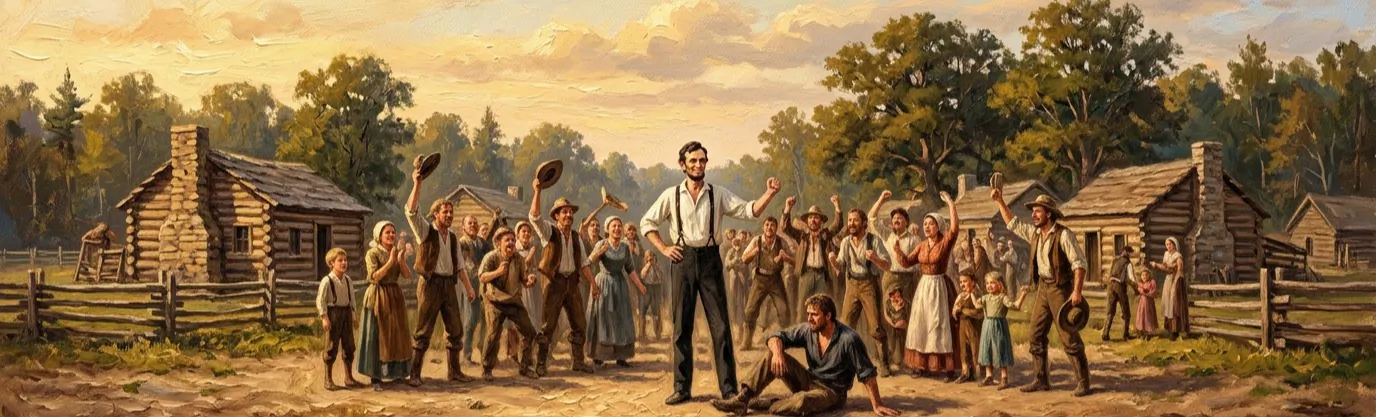
17.Which sport's Hall of Fame inducted Abraham Lincoln after he went 299–1 on the frontier?
Correct Answer: C. Wrestling
Explanation: Before entering politics, 6-foot-4 Abraham Lincoln was the catch-as-catch-can wrestling champion of New Salem, Illinois, winning roughly 299 of 300 bouts over twelve years.
After slamming local gang leader Jack Armstrong to the dirt in 1831, Lincoln famously trash-talked the entire crowd: "I'm the big buck of this lick. If any of you want to try it, come on and whet your horns!"
His dominance earned him induction into the National Wrestling Hall of Fame as an "Outstanding American."
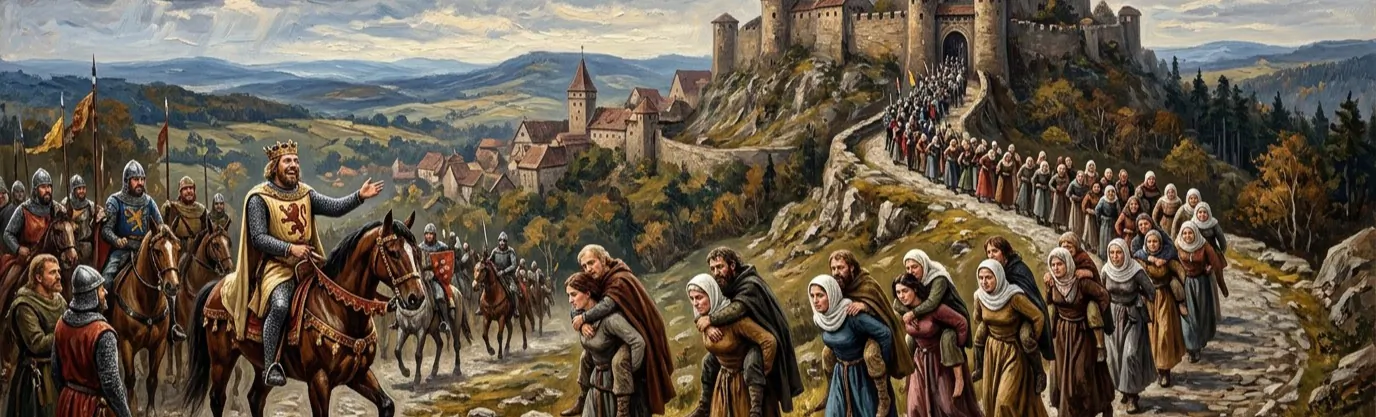
18.When King Conrad III let besieged wives leave with 'whatever they could carry,' what did they haul out?
Correct Answer: C. Their husbands on their backs
Explanation: During the 1140 Siege of Weinsberg, German King Conrad III planned to execute the fortress's men, but promised the women they could walk free with whatever they could carry on their shoulders.
Instead of taking gold or jewelry, every woman marched out of the castle gates carrying her husband piggyback!
When Conrad's brother demanded the men be seized anyway, the King laughed and let them go, declaring: "A king's word must not be twisted or broken."
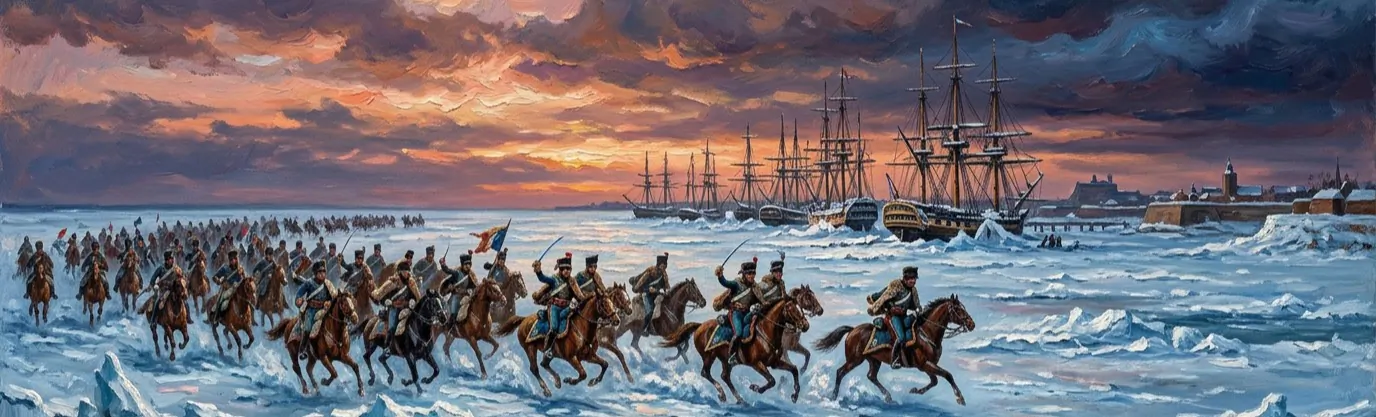
19.How did French cavalry soldiers capture 14 Dutch warships at Den Helder in 1795?
Correct Answer: A. Galloping across the frozen sea
Explanation: During the freezing winter of January 1795, the sea off Den Helder froze solid, trapping 14 Dutch warships upright in the ice.
French hussar cavalrymen wrapped their horses' hooves in cloth to muffle the sound and galloped across the frozen ocean at night right up to the ships' hulls.
Unable to aim their deck cannons low enough to hit horsemen beside them, the Dutch admiral surrendered an entire naval fleet to men on horseback.
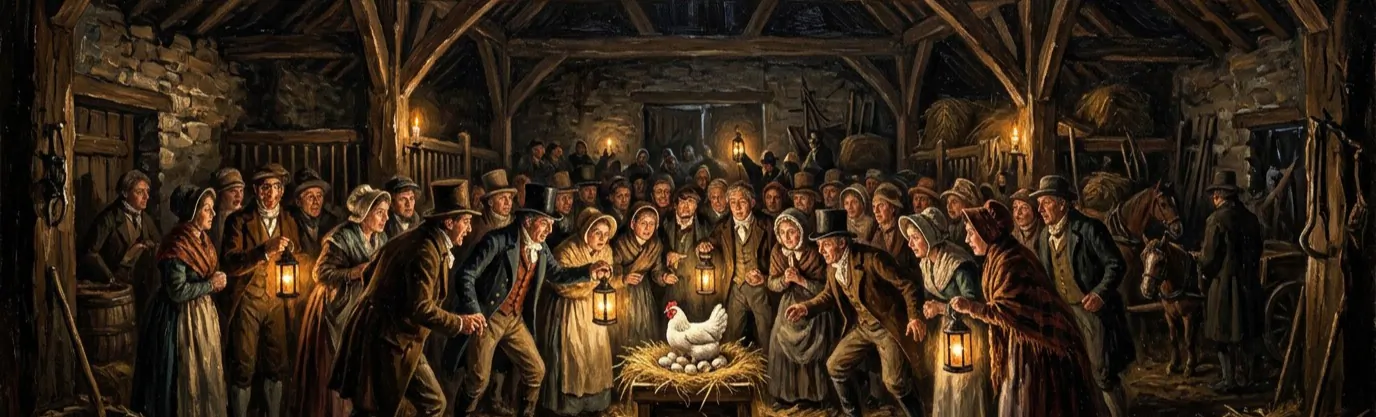
20.Why did crowds panic over a chicken in Leeds, England in 1806?
Correct Answer: B. Its eggs said 'Christ is coming'
Explanation: In 1806, thousands of terrified people flocked to Leeds after a hen belonging to fortune-teller Mary Bateman laid eggs inscribed with the words "Christ is coming."
Bateman made a fortune selling "tickets to heaven" before suspicious doctors staked out the chicken coop at dawn.
They caught Bateman etching ordinary eggs with acid ink and shoving them back inside the poor chicken so it would "lay" them in front of witnesses.
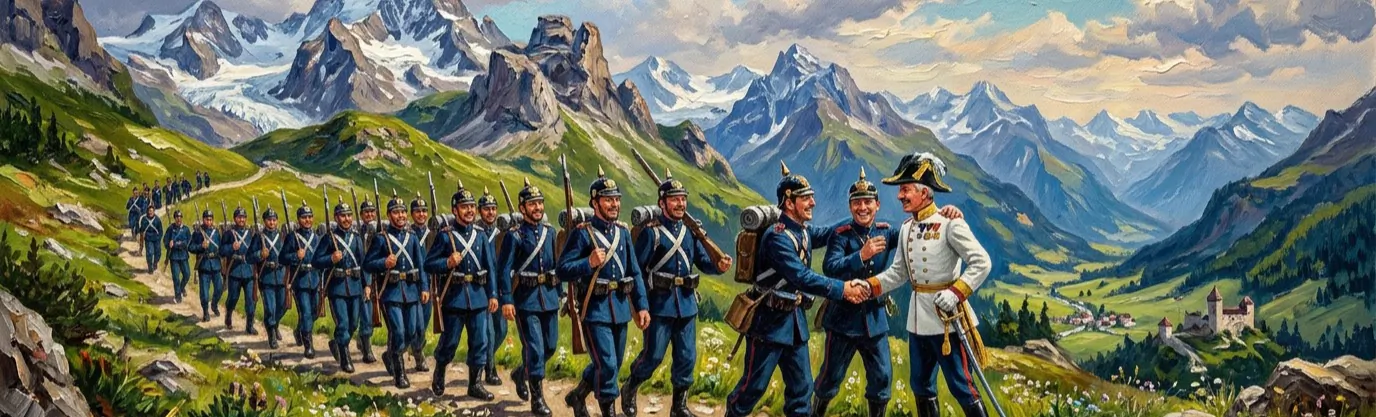
21.Liechtenstein sent 80 soldiers to the 1866 Austro-Prussian War—how many came back?
Correct Answer: C. 81
Explanation: During the 1866 Austro-Prussian War, tiny Liechtenstein sent its 80-man army to guard a quiet Alpine mountain pass where zero enemies ever appeared.
After spending a few pleasant weeks enjoying the mountain air and local wine, the troops marched back home without a single scratch.
Better yet, an Austrian liaison officer decided to join them on the march back, so the 80-man army returned home with 81 men!
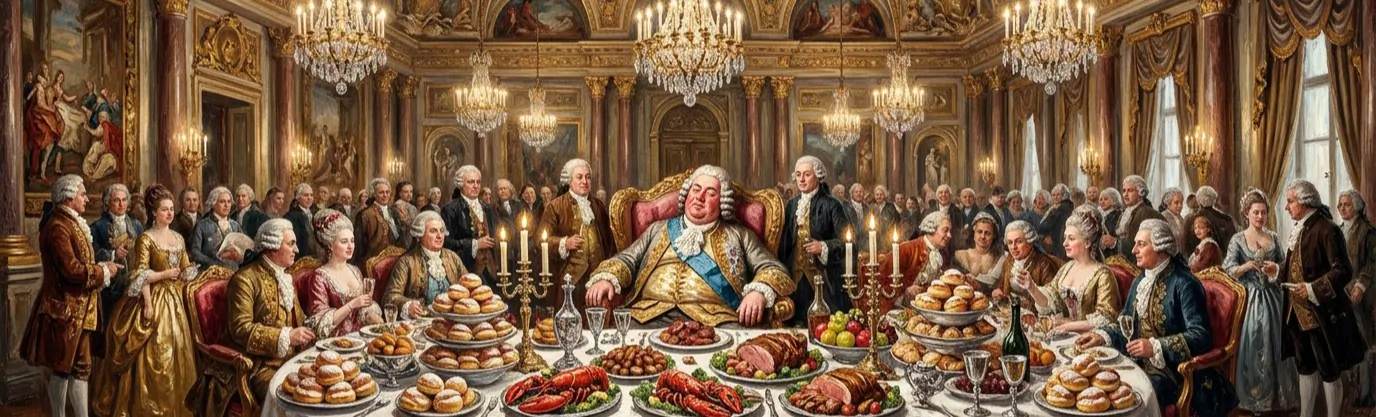
22.What killed King Adolf Frederick of Sweden after a royal banquet in 1771?
Correct Answer: A. 14 bowls of cream buns
Explanation: On February 12, 1771, Swedish King Adolf Frederick devoured a massive feast of lobster, caviar, kippers, and champagne.
For dessert, he ate 14 consecutive servings of *semla*—sweet cardamom buns stuffed with almond paste and soaked in bowls of hot milk.
He died of acute digestive failure that night, going down in Swedish schoolbooks as "the King who ate himself to death."

23.Why did British spies plot to sneak estrogen into Hitler's carrots during WWII?
Correct Answer: B. To make his mustache fall out
Explanation: Declassified British war files revealed that Allied planners brainstormed sneaking tasteless female hormones (estrogen) into Adolf Hitler's vegetarian meals at the Berghof.
Because Hitler had food tasters who would spot fast-acting poisons immediately, slow-acting hormones could slip past unnoticed.
The British hoped the estrogen would make his iconic toothbrush mustache fall out and cause his voice to crack during radio speeches!

24.What unusual epidemic forced 14 schools to close in Tanganyika in 1962?
Correct Answer: B. Uncontrollable laughter
Explanation: On January 30, 1962, three schoolgirls in Kashasha, Tanganyika (modern Tanzania) started giggling at a joke—and couldn't stop.
The laughing fits spread to 95 students, and when the school sent the kids home, parents and neighbors across nearby villages caught the giggles on sight.
By the time the stress-induced outbreak faded 18 months later, 14 schools had temporarily shut down and roughly 1,000 people had been affected.
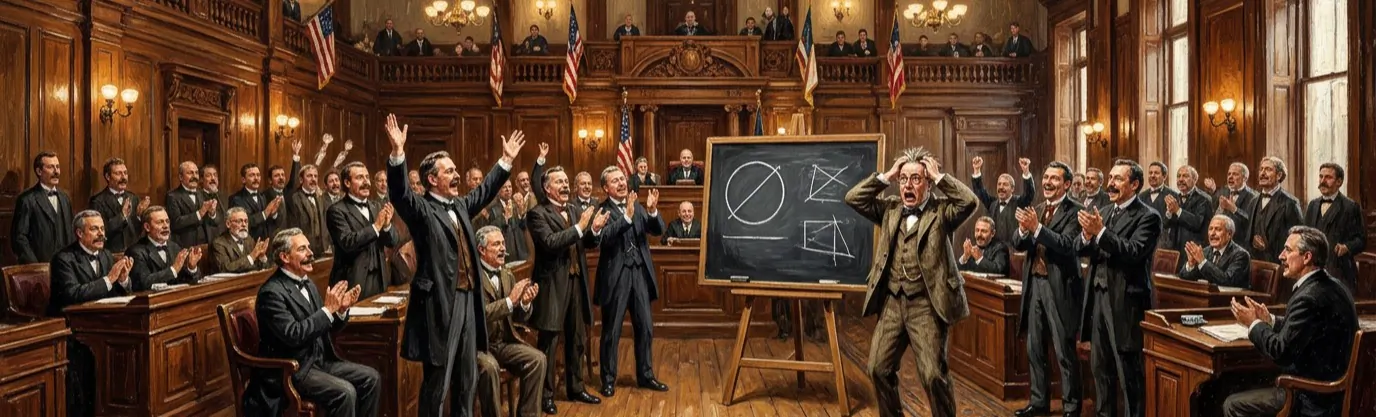
25.What did the Indiana House of Representatives vote 67–0 to legally change in 1897?
Correct Answer: B. The value of Pi to 3.2
Explanation: In 1897, amateur mathematician Edwin Goodwin convinced Indiana lawmakers that he had "squared the circle" and offered the state free textbook royalties if they passed his geometry bill into law.
The Indiana House passed Bill No. 246 unanimously (67–0), legally establishing the value of Pi (π) as 3.2!
Thankfully, Purdue math professor C.A. Waldo happened to visit the Statehouse that week, explained geometry to the horrified Senate, and stopped the bill just in time.
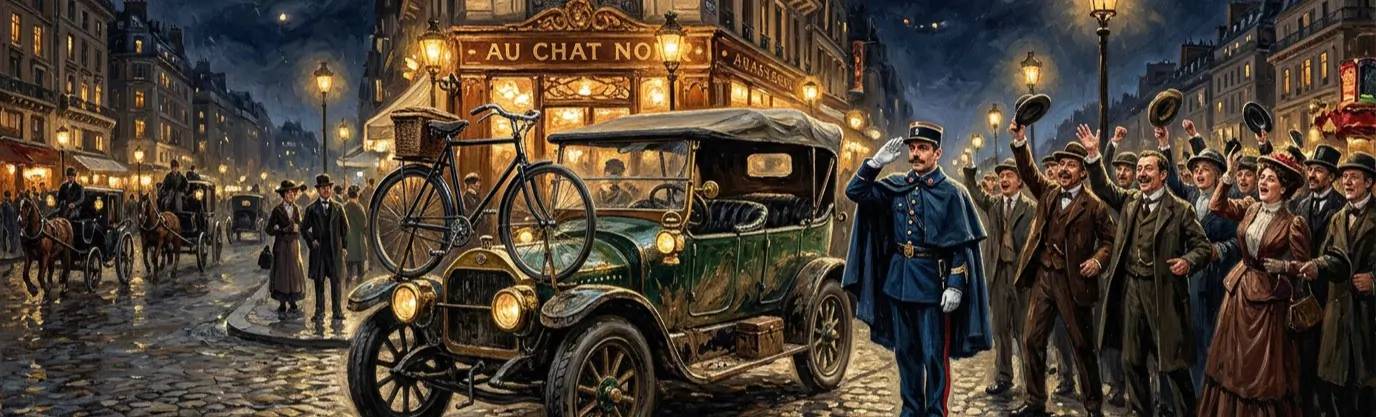
26.Why did a Parisian policeman stop the winning car at the end of the 1908 New York-to-Paris Race?
Correct Answer: B. A broken headlight
Explanation: After driving 22,000 grueling miles across North America, Asia, and Europe in 169 days, the American *Thomas Flyer* finally rolled into the streets of Paris in July 1908.
Seconds before the finish line, a Parisian bicycle policeman blew his whistle and refused to let the car pass because its headlamp was broken.
A bystander offered his bicycle lamp, and since they couldn't unbolt it, the crew tied the entire bicycle onto the car's hood to cross the finish line legally!
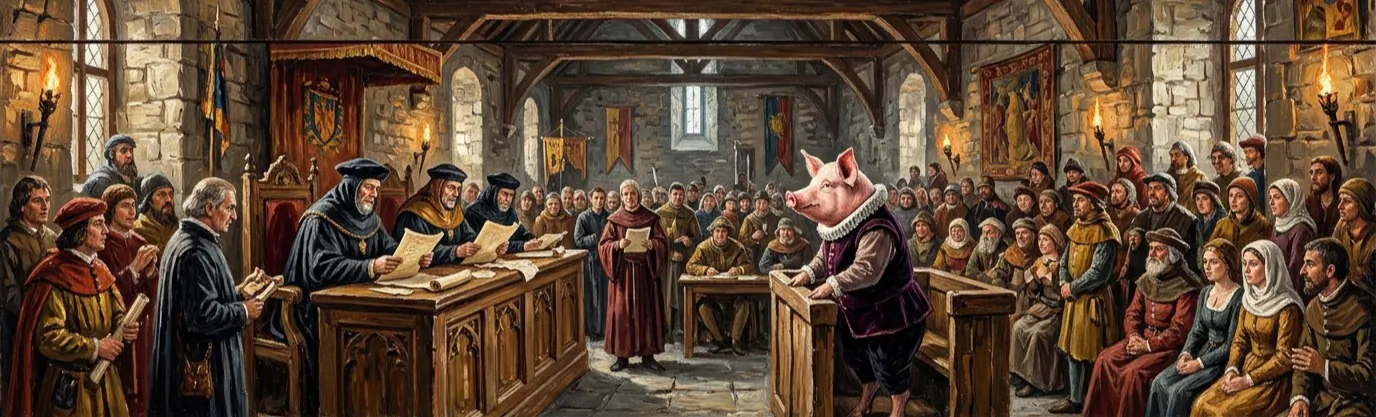
27.Who was dressed in a waistcoat and trousers to stand trial in Falaise, France in 1386?
Correct Answer: A. A guilty pig
Explanation: In medieval Europe, animals accused of crimes were put on trial in real courtrooms complete with lawyers, witnesses, and judges.
In 1386 in Falaise, Normandy, a pig was convicted of a crime, dressed in a human waistcoat, jacket, and breeches, and paraded to the town square.
The city treasury even bought the hangman a brand-new pair of gloves for the occasion and painted a mural of the trial inside the local church.
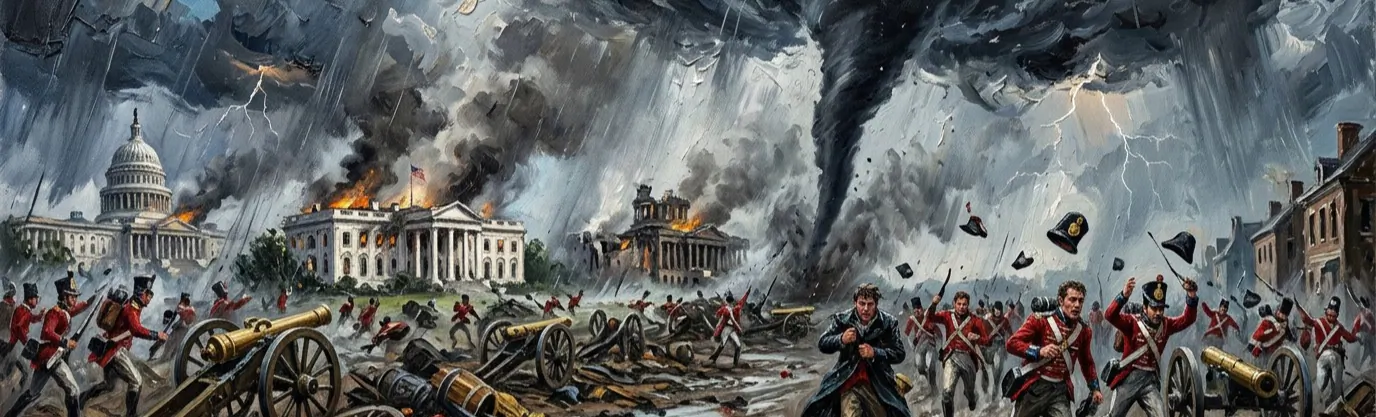
28.What drove the British army out of Washington, D.C. the day after they burned the White House?
Correct Answer: A. A freak hurricane and tornado
Explanation: Less than 24 hours after British troops set fire to the White House and Capitol on August 24, 1814, a violent hurricane system and direct tornado slammed into downtown Washington.
Torrential rain put out the fires before the White House walls could collapse, while the tornado lifted British cannons into the air and killed more British soldiers than American gunfire had.
Battered by the storm, the British fleet evacuated the capital the very next day.
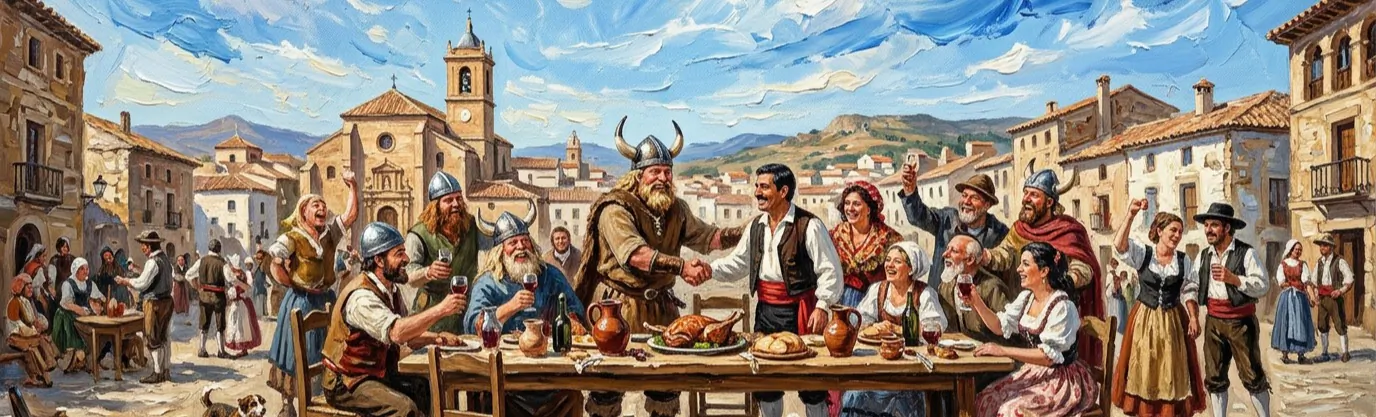
29.Why did the Spanish town of Huéscar sign a peace treaty with Denmark in 1981?
Correct Answer: A. A 172-year-old war they forgot about
Explanation: In 1809, during the Napoleonic Wars, the tiny town council of Huéscar in southern Spain officially declared war on Denmark—and then completely forgot about it.
In 1981, a local historian found the original war declaration in the town archives and realized the two were technically still at war 172 years later!
The Danish Ambassador flew to Huéscar, where townsfolk and Danish tourists dressed as Vikings signed a peace treaty over roast lamb and wine.
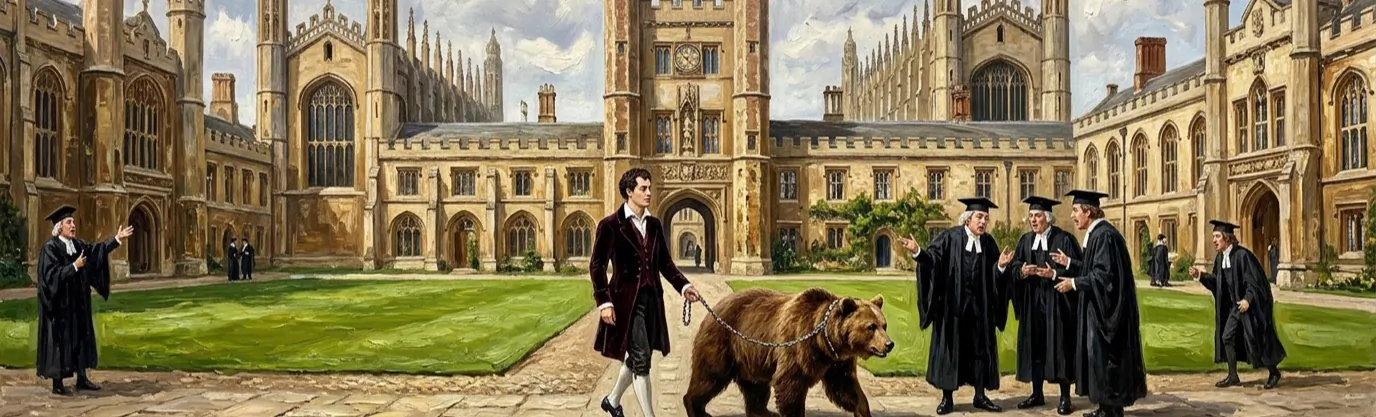
30.What pet did poet Lord Byron keep in his Cambridge dorm because dogs were banned?
Correct Answer: A. A tame brown bear
Explanation: When Lord Byron arrived at Trinity College, Cambridge in 1805, he was furious that university rules forbade students from keeping pet dogs.
Reading the fine print, Byron realized the statutes didn't say a word about bears—so he bought a tame brown bear and walked it around the courtyard on a chain.
When college officials complained, Byron joked that the bear was so polite he was going to register it for a college fellowship exam.
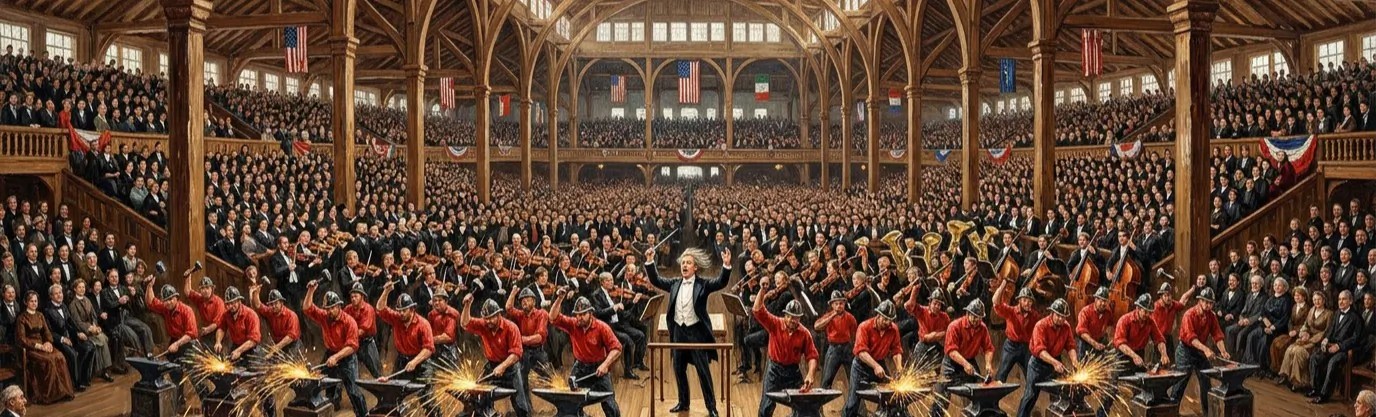
31.What did conductor Patrick Gilmore wire to his podium for Boston's 1869 Peace Jubilee concert?
Correct Answer: A. 100 anvils and live artillery cannons
Explanation: For Boston's 1869 National Peace Jubilee, bandleader Patrick Gilmore assembled a 10,000-voice choir and a 1,000-piece orchestra inside a 50,000-seat coliseum.
During Verdi's "Anvil Chorus," 100 real Boston firefighters in red shirts marched onstage and hammered 100 cast-iron anvils in unison.
Gilmore also wired telegraph buttons to his podium so he could fire live artillery cannons outside and ring every church bell in Boston on the beat!
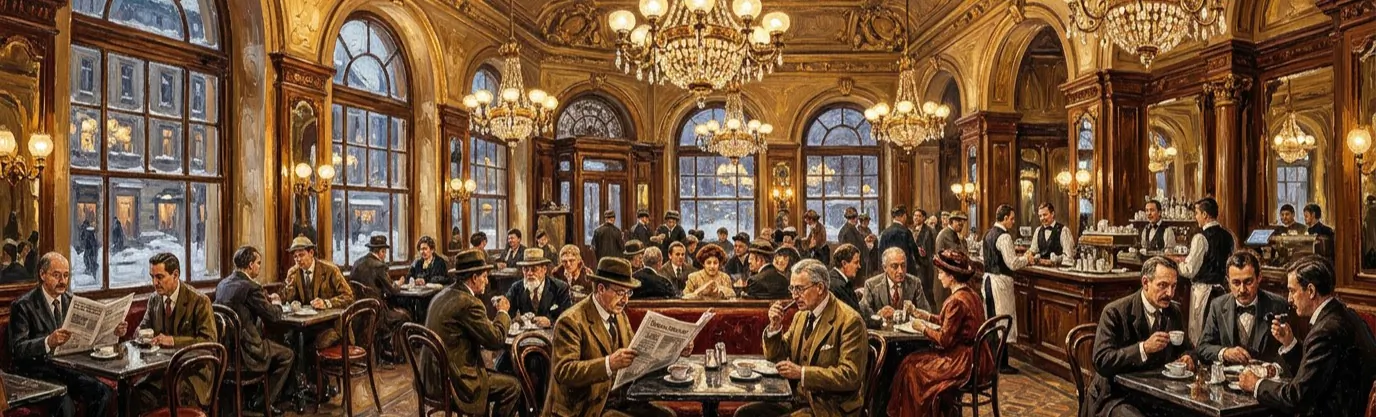
32.Which city's coffeehouses simultaneously hosted Trotsky, Tito, Freud, Stalin, and Hitler in January 1913?
Correct Answer: C. Vienna
Explanation: In January 1913, Leon Trotsky, Josip Broz Tito, Sigmund Freud, Joseph Stalin, and Adolf Hitler all lived within two miles of each other in central Vienna, Austria.
Trotsky and Freud were daily regulars at the famous Viennese coffeehouses Café Central and Café Landtmann just blocks apart.
Historians still marvel at how five figures who would reshape the 20th century were sipping coffee in the exact same neighborhood at the exact same time.
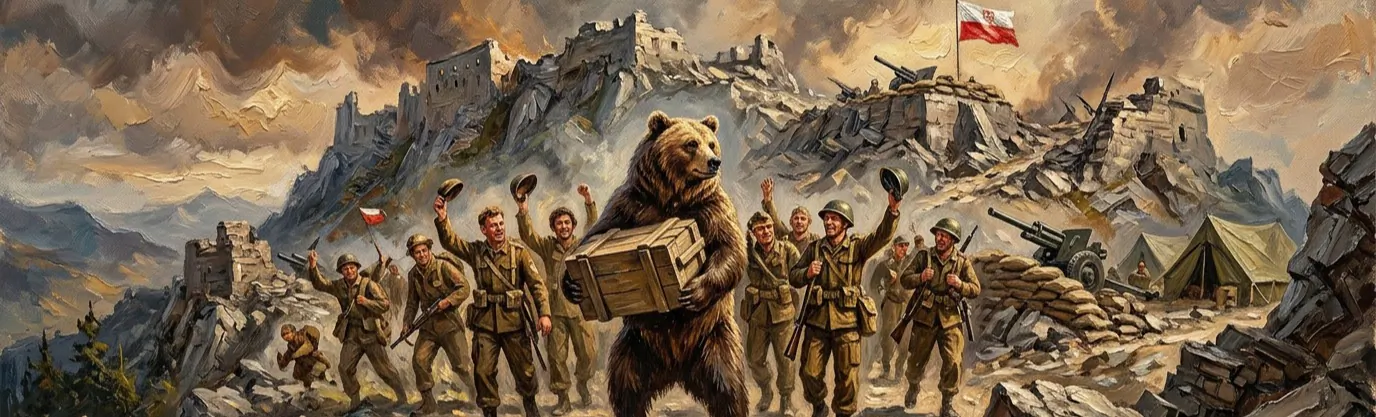
33.Why did the Polish Army officially enlist a 440-pound brown bear named Wojtek as a Private in WWII?
Correct Answer: A. So he could board a British troopship
Explanation: When British port officials in Egypt refused to let pets or mascots board a troopship to Italy in 1944, Polish soldiers officially drafted their adopted Syrian brown bear, Wojtek, into the army with his own paybook and rank.
During the Battle of Monte Cassino, Wojtek stood on his hind legs and carried 100-pound crates of live artillery shells to the cannons without dropping a single box.
After the war, he was promoted to Corporal, and his silhouette carrying a shell became the unit's official badge.
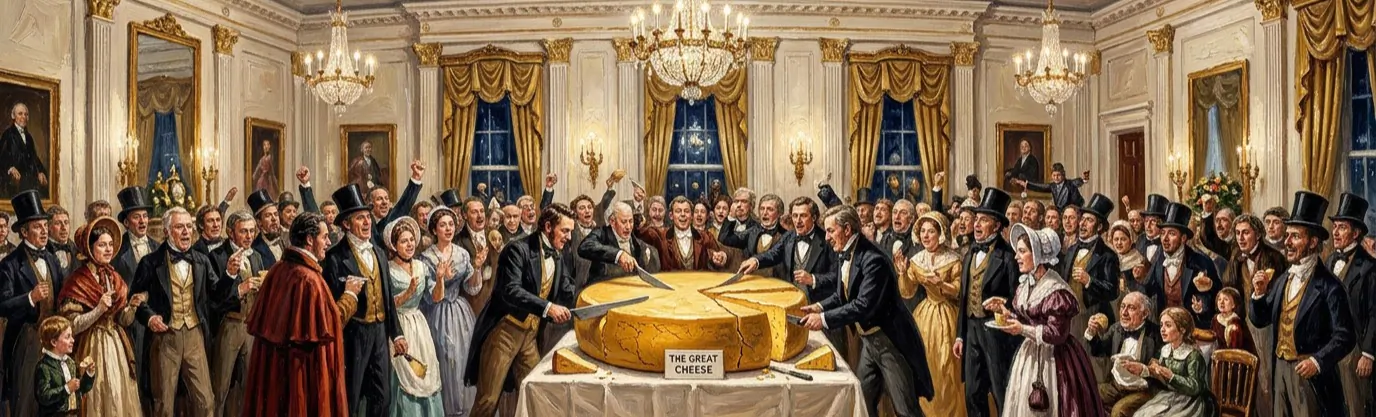
34.How did President Andrew Jackson finally get rid of the 1,400-pound cheese wheel in the White House?
Correct Answer: A. Letting 10,000 visitors eat it in two hours
Explanation: Gifted a 1,400-pound wheel of New York Cheddar in 1835, President Andrew Jackson let it age in the White House lobby for two years.
Before leaving office in February 1837, Jackson invited 10,000 citizens inside to attack the giant cheese with knives—and they devoured the whole 1,400 pounds in two hours.
So much cheese was ground into the White House carpets that the next president, Martin Van Buren, had to air out the building for months.
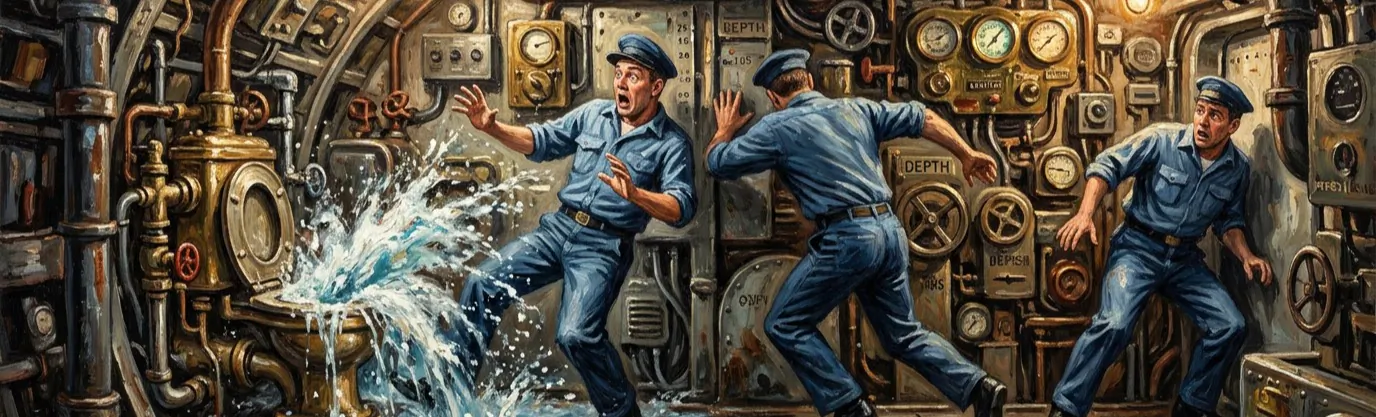
35.What malfunction forced the high-tech German submarine U-1206 to surface and sink in 1945?
Correct Answer: A. Its high-pressure toilet
Explanation: In April 1945, the German submarine *U-1206* featured a complex high-pressure deep-water toilet that required a trained specialist to flush in the exact valve sequence.
While submerged 200 feet off Scotland, Captain Karl-Adolf Schlitt tried to use it himself, and when a valve was opened wrong, seawater and sewage flooded onto the sub's giant batteries.
The resulting chlorine gas forced *U-1206* to surface right in front of British patrol planes, making it the only warship in history sunk by its own toilet.
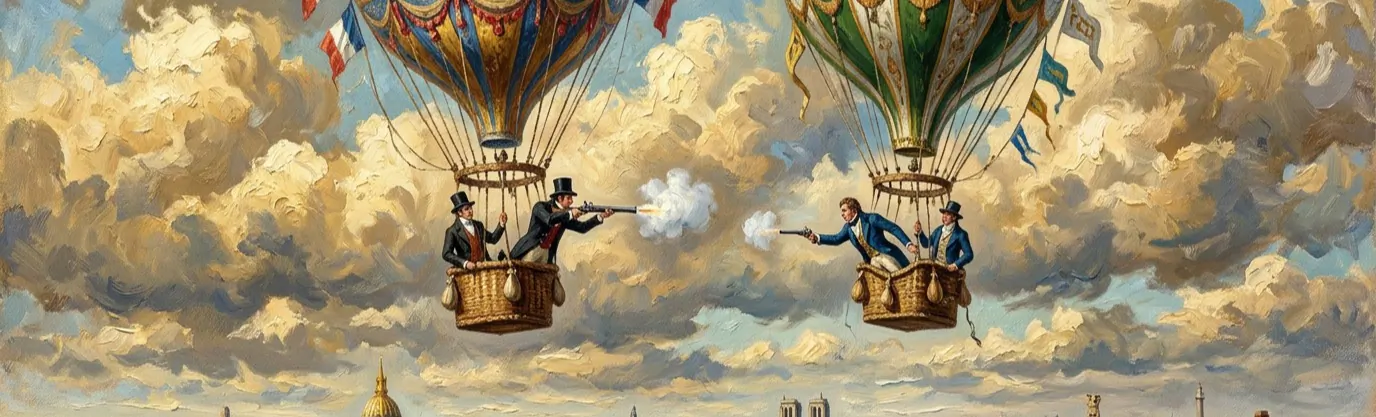
36.Where did two Frenchmen fight a duel over a Paris Opera dancer in May 1808?
Correct Answer: B. In two hot-air balloons
Explanation: In May 1808, Monsieur de Grandpré and Monsieur Le Pique discovered they were both courting the same Parisian dancer and refused to settle the quarrel on ordinary ground.
Instead, they ascended 2,000 feet above Paris in two identical hot-air balloons armed with wide-mouthed blunderbusses.
Le Pique missed his shot, and Grandpré blasted a hole through Le Pique's balloon envelope, sending his rival's balloon deflating into the Parisian rooftops.