
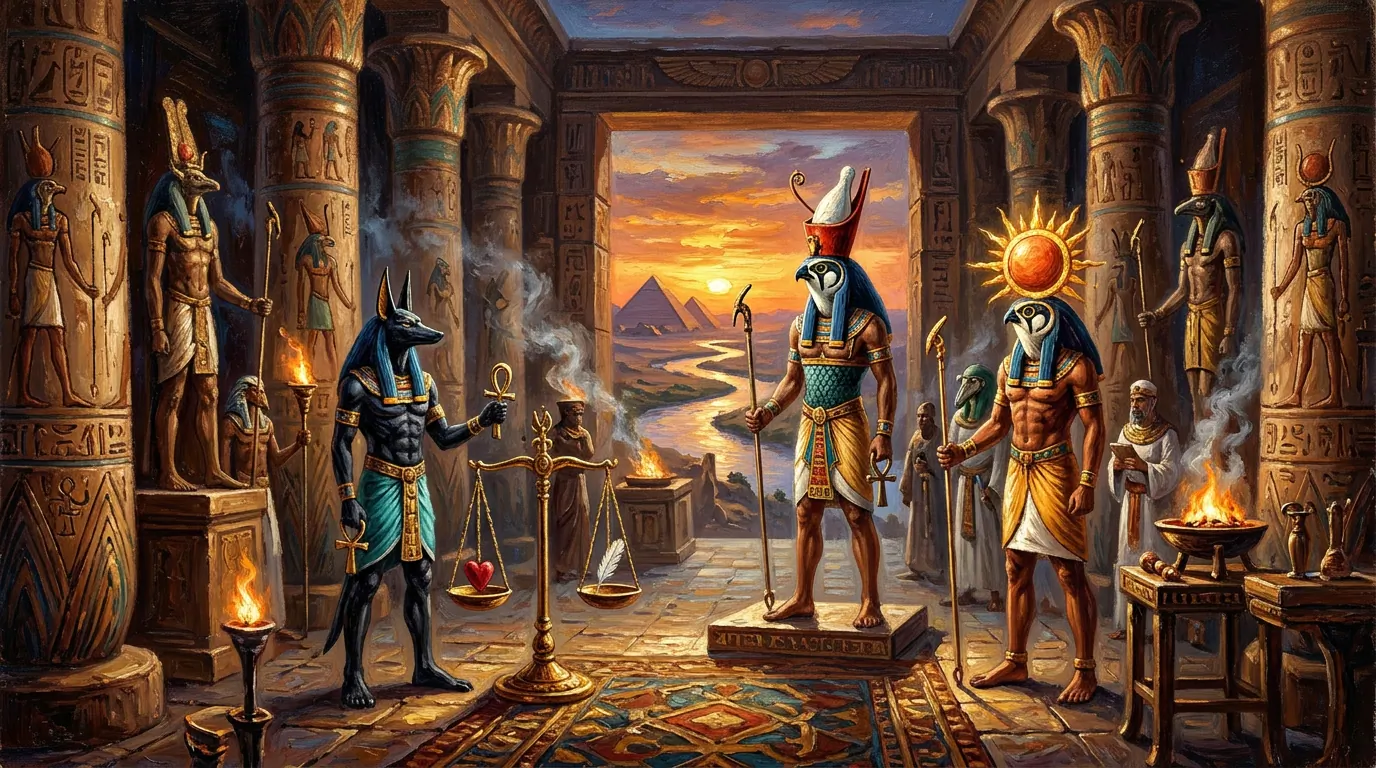
Egyptian Mythology Trivia: 35 Bizarre God Battles, Beer Floods & Underworld Secrets
Step beyond dry hieroglyphs—explore 35 wild divine rivalries, cosmic beer traps, and bizarre underworld court trials that ancient Egyptians actually believed.
1.How did the sun god Ra stop bloodthirsty Sekhmet from wiping out humanity?
Correct Answer: A. Seven thousand beer jugs
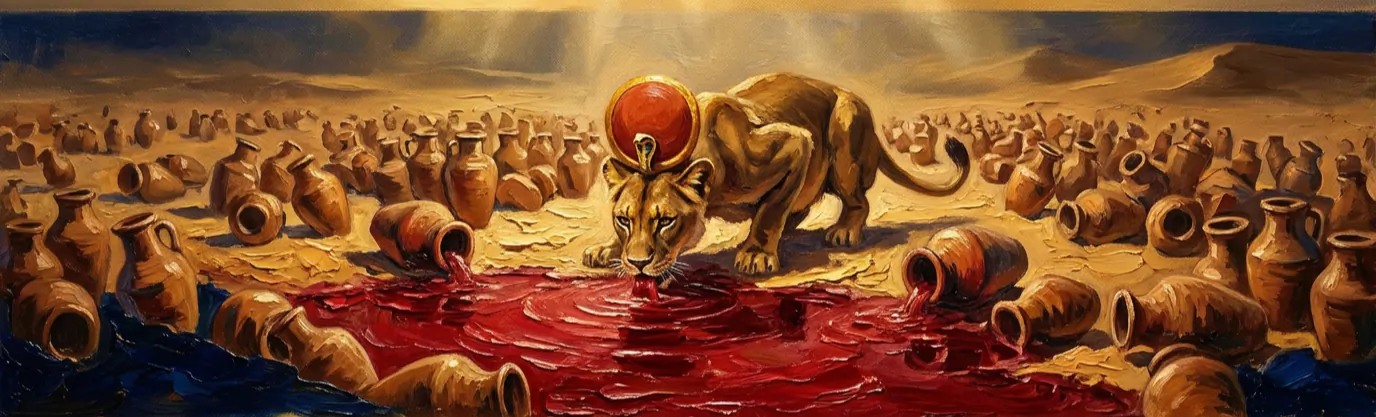
Explanation: When mortal humans plotted rebellion against the aging sun god Ra, he unleashed his blazing eye in the form of Sekhmet, the lioness goddess of war, to teach mankind a stern lesson.
Unfortunately, Sekhmet loved the slaughter entirely too much. Her bloodlust spiraled into an uncontrollable frenzy, turning the Nile Valley into an apocalyptic hunting ground that threatened to extinguish the human race completely.
Horrified by the carnage, Ra concocted a delightfully crafty remedy: he ordered royal brewers to mix seven thousand jars of barley beer with red ochre dye to look like fresh blood. Sekhmet discovered the gleaming crimson lake, drank every drop in an ecstasy of fury, passed out completely intoxicated, and woke up as the peaceful, purring goddess Hathor with a historic hangover.

2.Why did Set's vessel sink instantly during his stone boat race against Horus?
Correct Answer: B. Set built actual stone
Explanation: During their eighty-year custody battle over the throne of Egypt, Horus and Set agreed to settle their divine grudge with an absurd wager: racing each other in boats carved out of solid stone.
Horus cleverly carved his vessel from sturdy cedar wood and plastered the exterior with chalky white gypsum plaster so it appeared to be made of heavy mountain granite.
The gullible, overconfident Set took the rules literally and hacked the peak off an entire mountain to chisel a massive canoe out of solid rock. The instant Set launched his gigantic stone barge into the Nile, it plunged straight to the river bottom like an anvil, leaving Horus sailing comfortably across the finish line.
3.Which minor underworld deity looks comically identical to a modern sheet ghost?
Correct Answer: C. Medjed the Smiter
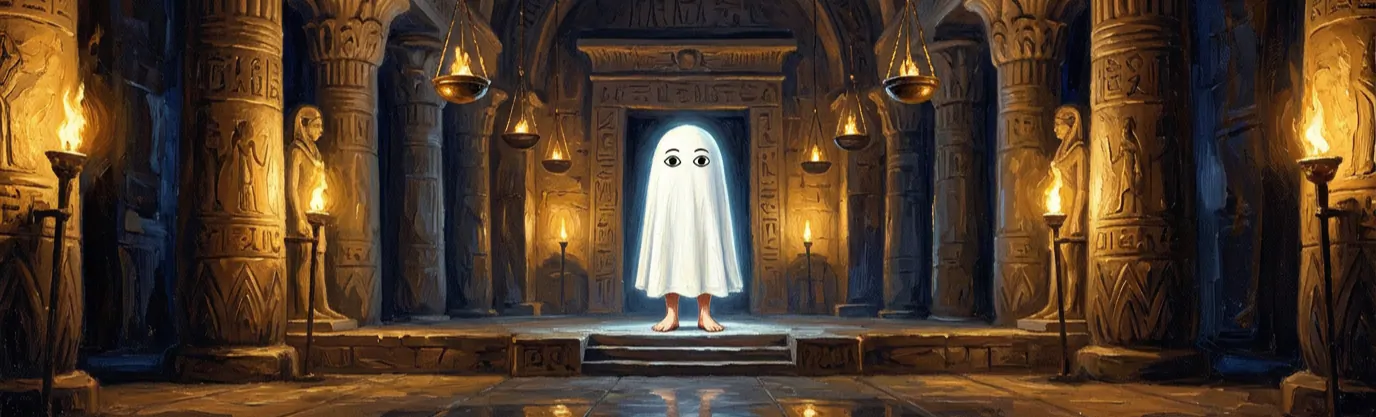
Explanation: Illustrated inside the 3,000-year-old Greenfield Papyrus copy of the Book of the Dead, Medjed—whose name translates dramatically to "The Smiter"—is one of ancient Egypt's most unexpectedly hilarious underworld deities.
Despite being described as an invisible executioner who feeds on the hearts of sinners and shoots deadly rays of light from his eyes, the ancient illustrator drew him simply as a dome-shaped white sheet with two round cartoonish eyes and two human feet sticking out the bottom.
In the 2010s, photos of this ancient papyrus drawing went viral in Japan, turning the terrifying underworld smiter into an international internet meme, anime mascot, and beloved collectible plush toy.
4.What sacred lightweight item weighed against human hearts in Anubis's underworld courtroom?
Correct Answer: D. An ostrich feather
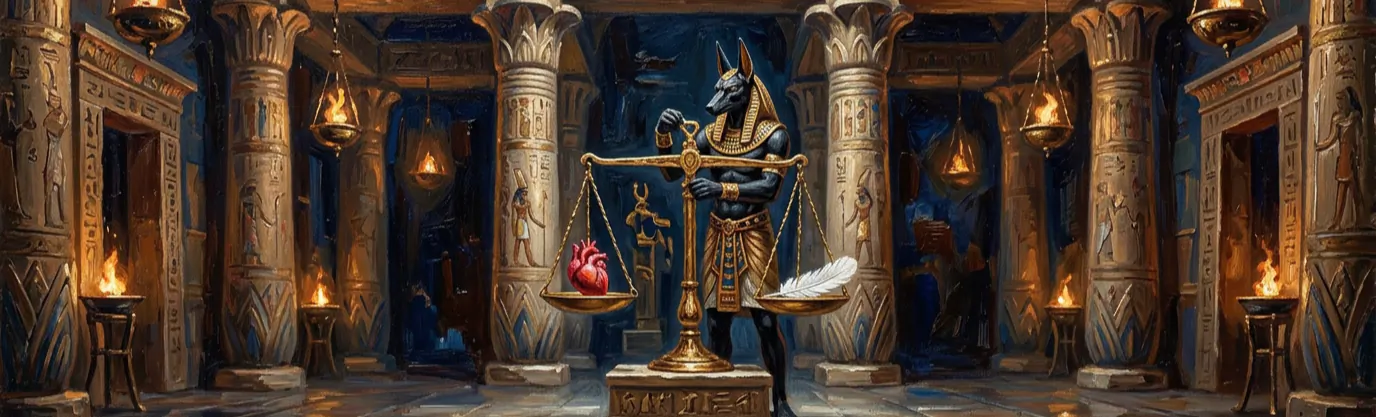
Explanation: In the Hall of Two Truths, every deceased Egyptian faced the ultimate spiritual audit before entering the afterlife: the Weighing of the Heart ceremony supervised by Anubis and recorded by Thoth.
The jackal-headed god placed the person's heart onto the golden balance scales against the sacred ostrich feather of Ma'at, the goddess personifying truth, harmony, and cosmic justice.
If the soul had lived an upright life free of deceit, cruelty, and theft, their heart balanced perfectly with the feather and won eternal paradise. But if their sins weighed down the scales, the monstrous devourer Ammit lunged forward to swallow their heart, erasing them from existence forever.
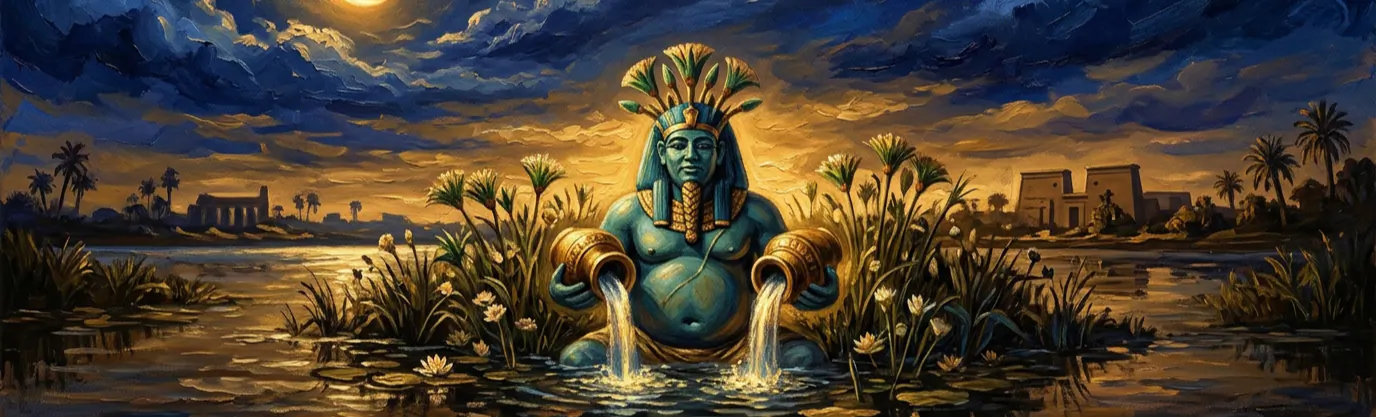
5.What unusual physical feature gave river god Hapi his fertile, nourishing look?
Correct Answer: A. Plump breasts and potbelly
Explanation: Hapi was the revered deity of the annual inundation of the Nile, the miraculous yearly flood that deposited rich black silt across Egypt's parched fields and guaranteed bumper harvests of wheat and barley.
To capture the dual ideas of physical strength and motherly abundance, Egyptian artisans depicted Hapi as a stout man with a ceremonial pharaoh's beard, sporting a prominent potbelly and plump, sagging female breasts.
These unique physical features were considered badges of immense divine wealth and nurturing generosity, symbolizing that the river possessed both the strength of a father and the sustaining milk of a mother.
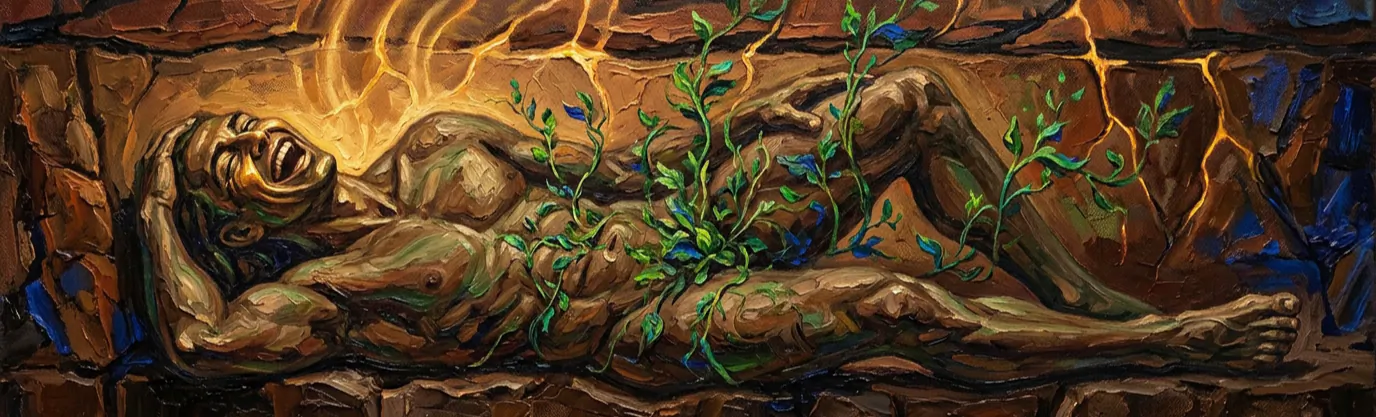
6.According to ancient Egyptian priests, what bizarre divine action triggered violent earthquakes?
Correct Answer: B. Geb belly-laughing underground
Explanation: While most ancient pantheons imagined the earth as a maternal goddess, the Egyptians envisioned the fertile ground as a reclining male god named Geb, who lay stretched out beneath his sister-wife Nut, the sky.
Ancient Heliopolitan priests believed that whenever the ground shook, rumblings and violent tremors were caused by Geb bursting into uncontrollable bouts of booming laughter underground.
Geb was also believed to sprout barley, wheat, vines, and sweet date palms directly out of his ribs and belly, turning his laughing, fertile body into the literal breadbasket of ancient Egyptian civilization.
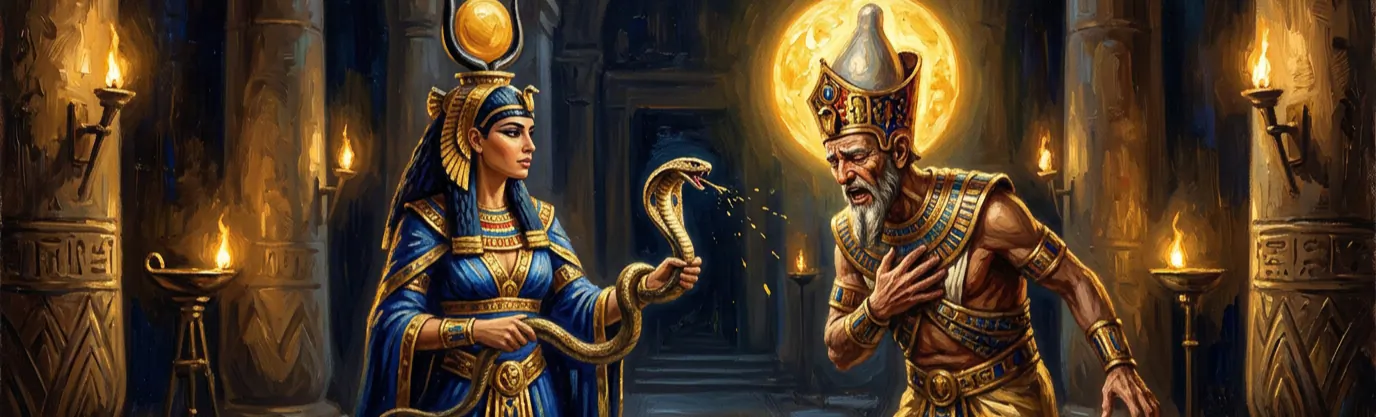
7.How did goddess Isis force elderly sun god Ra to reveal his name?
Correct Answer: C. Creating a venomous snake
Explanation: In Egyptian theology, knowing a god's true secret name granted ultimate magical power and dominion over them, and no name was more fiercely guarded than the primordial name of the supreme sun creator, Ra.
Noticing that the aged sun god drooled onto the earth as he walked across his palace grounds, Isis scooped up the wet mud, kneaded it with his divine saliva, and fashioned it into an enchanted venomous viper.
When the serpent bit Ra, the burning divine poison inflicted such excruciating agony that no god could cure him. Isis offered to heal him only if he whispered his true secret name into her ear—a desperate bargain Ra accepted, elevating Isis and her son Horus above all other gods.
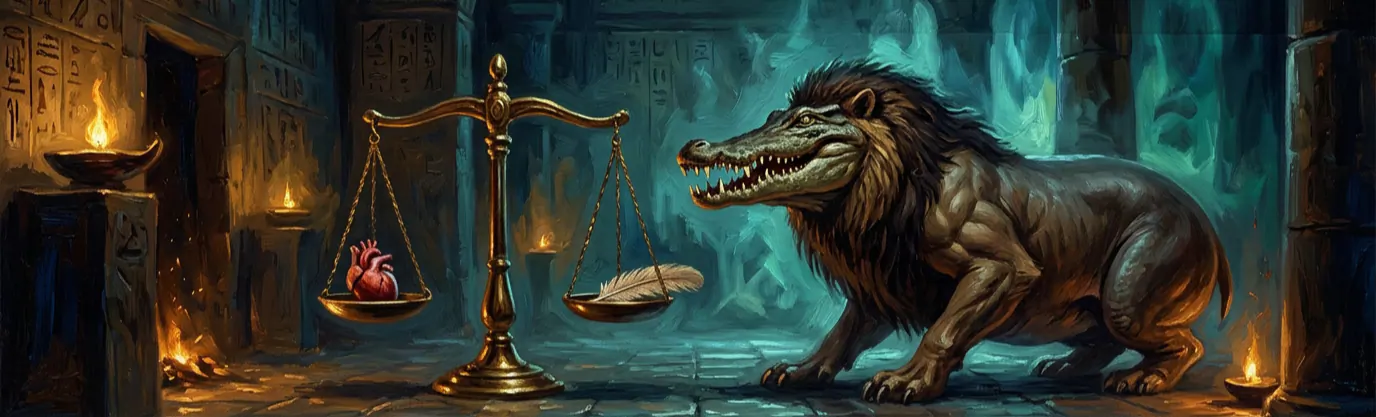
8.What creature comprised the backside of Ammit, the terrifying underworld heart devourer?
Correct Answer: D. A lumbering hippopotamus
Explanation: Few underworld figures struck deeper terror into Egyptian hearts than Ammit, affectionately nicknamed "Devourer of the Dead" and "Eater of Hearts," who crouched expectantly beside Anubis's judgment scale.
Ammit was an anatomical hybrid of Egypt's three deadliest man-eating predators: she possessed the snapping jaws of a Nile crocodile, the muscular torso and forequarters of a lion, and the lumbering, heavy hindquarters of a hippopotamus.
Unfortunate souls whose hearts failed the feather test were immediately pitched into Ammit's gaping maw, suffering the "second death"—an eternal, absolute annihilation where their name was permanently forgotten.
9.Which sacred animal rolled balls of dung, symbolizing the morning sun's rebirth?
Correct Answer: A. The scarab beetle
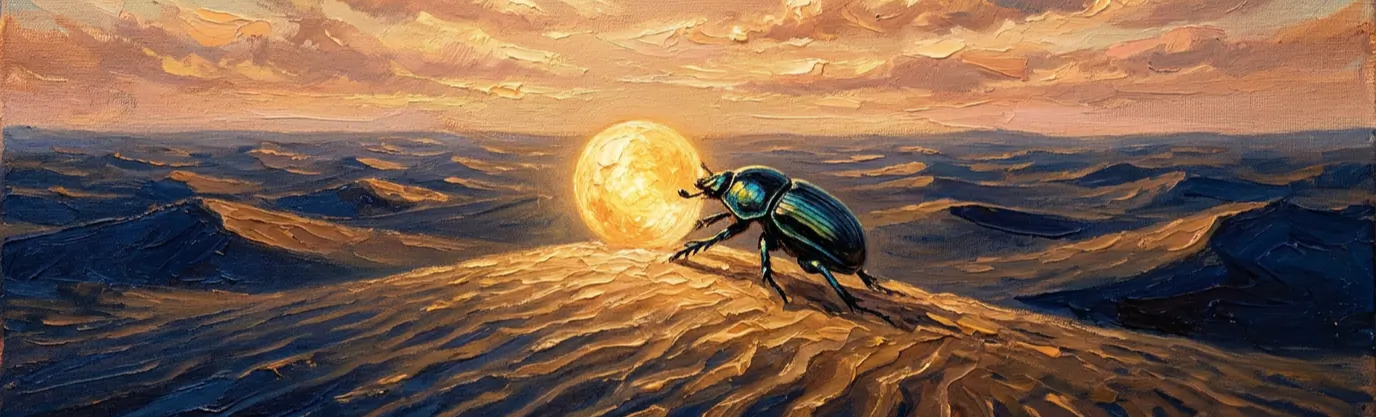
Explanation: To ancient Egyptians watching desert insects, the sight of a dung beetle methodically rolling a spherical ball of manure across the dunes looked strikingly like a celestial force guiding the glowing sun across the heavens.
Furthermore, because baby beetles spontaneously crawled out of buried dung balls, Egyptians believed the insect regenerated without needing sexual reproduction, embodying pure self-creation and resurrection.
They deified this industrious beetle as Khepri, the god of the morning dawn, and carved millions of scarab amulets out of lapis lazuli, turquoise, and glazed steatite to protect living hearts and mummified royalty alike.
10.How did god Thoth win five leap days so goddess Nut could deliver?
Correct Answer: B. Gambling senet with Khonsu
Explanation: When sun god Ra grew jealous of sky goddess Nut, he decreed an impossible curse: she could not give birth to children on any day of any existing month across the 360-day calendar year.
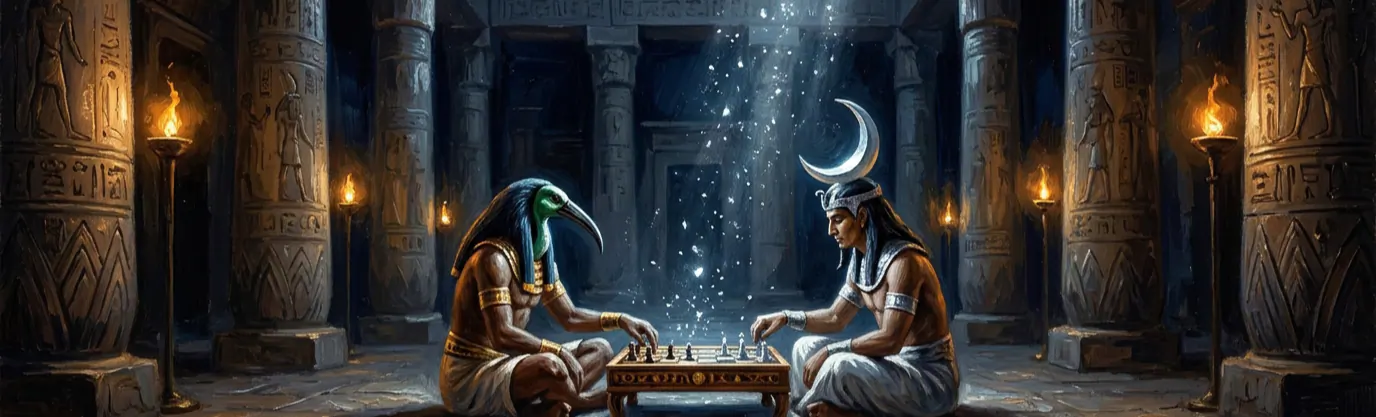
Determined to outsmart the supreme ruler's ban, Thoth, the wise baboon-and-ibis god of magic and intellect, challenged the moon god Khonsu to a high-stakes series of senet board games.
Playing with masterful calculation, Thoth won one seventy-second of the moon's luminous light, which he assembled into five brand-new intercalary leap days outside the official calendar. On these five magical extra days, Nut joyfully gave birth to Osiris, Set, Isis, Nephthys, and Horus the Elder.
11.Why did ancient Egyptians bury hundreds of tiny Ushabti statuettes with mummies?
Correct Answer: C. To do afterlife chores
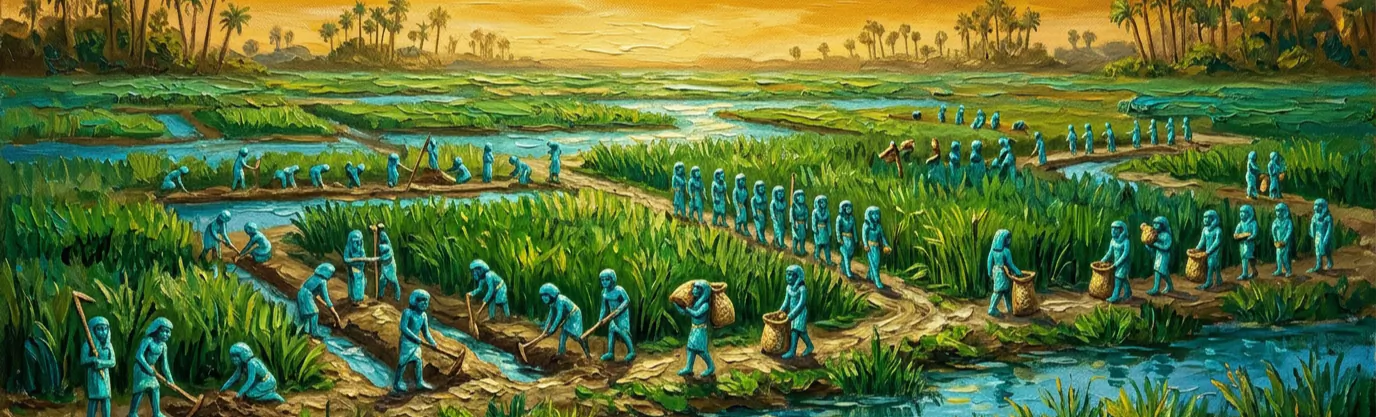
Explanation: Even in paradise, ancient Egyptian bureaucracy was delightfully unyielding: every deceased soul in the Field of Reeds was expected to answer roll call and perform mandatory agricultural labor, like digging irrigation canals and harvesting barley.
To ensure wealthy nobles and pharaohs could kick back and relax without blistering their hands, embalmers buried miniature servant figurines called Ushabtis (literally meaning "The Answerers") equipped with tiny molded hoes and seed bags.
Whenever Osiris summoned the tomb owner for manual labor, a magical spell carved across the figurine's chest compelled the statuette to leap up and shout: "Here I am! I will do your field work!" King Tutankhamun packed 413 of them to ensure all 365 days of the year—plus supervisors—were thoroughly covered.
12.Which grotesque dwarf deity made goofy faces to protect babies from nightmares?
Correct Answer: D. Bes the Protector
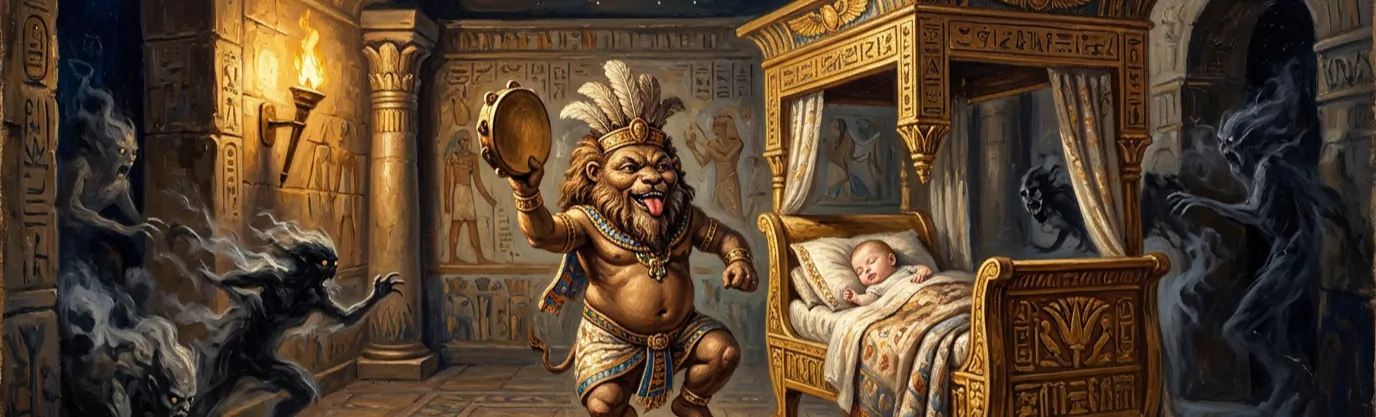
Explanation: Unlike the stately, solemn falcon and jackal deities depicted in formal temple reliefs, Bes was a wildly popular household god portrayed as a bowlegged, bearded dwarf with lion ears, a sticking-out tongue, and a feathered headdress.
Ancient mothers and nursemaids painted his goofy, ferocious visage on bedroom walls, crib headboards, and makeup containers, believing that his absurd faces, banging drums, and wild dancing would scare away lurking demons and protect newborn infants.
Bes was so beloved by common Egyptians that his cheerful, tongue-wagging image decorated palace bedframes, soldiers' daggers, and everyday beer mugs for more than two millennia.
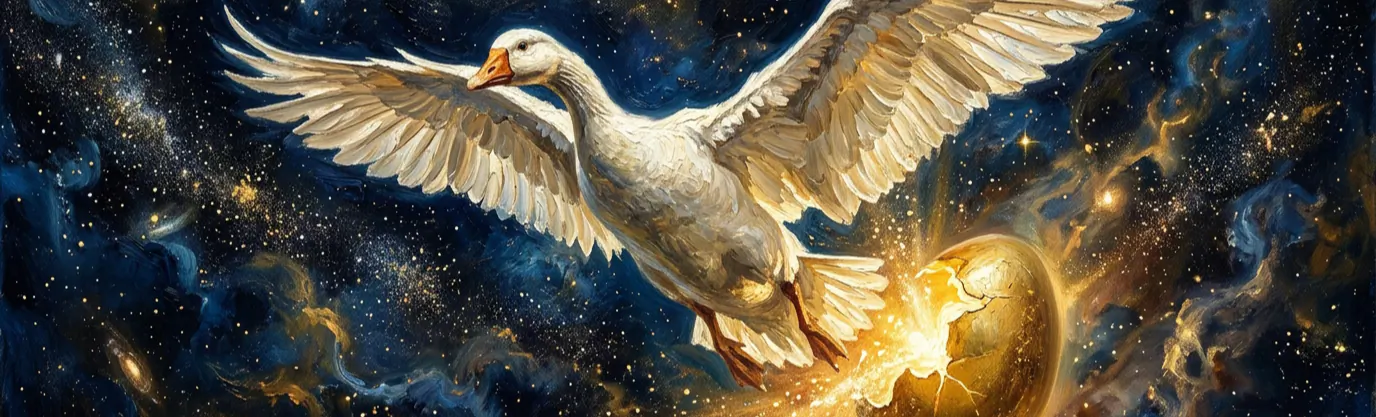
13.What primordial creature's cosmic honk was believed to have hatched the universe?
Correct Answer: A. A giant celestial goose
Explanation: Centuries before formalized sun cults dominated Egyptian religious architecture, early Nile delta cosmologies celebrated Gengen-Wer, the legendary "Great Honker"—a colossal primordial goose.
According to this charming creation myth, the Great Honker flew through the pitch-black void of primordial chaos and laid the glowing cosmic egg that contained the embryonic sun and raw matter of existence.
Its triumphant, resounding honk shattered the eternal silence of nothingness, vibrating life into the cosmos and creating the foundational breath of the universe.
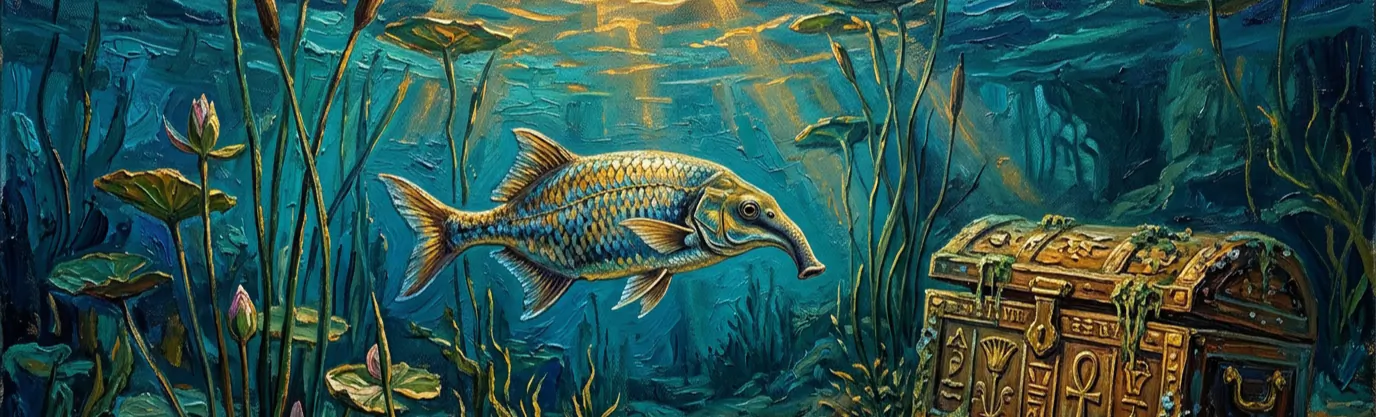
14.Which river creature ate Osiris's missing fourteenth piece before Isis could assemble him?
Correct Answer: B. An oxyrhynchus Nile fish
Explanation: After Set betrayed his brother Osiris, sealed him in a cedar chest, and tossed him into the Nile, he grew paranoid that Osiris might return. Set hacked the corpse into fourteen distinct chunks and scattered them across the breadth of Egypt.
The devoted goddess Isis embarked on an epic scavenger hunt across the swamps, successfully tracking down thirteen pieces—only to discover that the final, most intimate organ had been swallowed by an oxyrhynchus elephant-snout Nile fish.
Unfazed by the aquatic mishap, Isis fashioned an enchanted substitute out of fragrant gold and wax, magically revived her husband long enough to conceive Horus, and consecrated Osiris as eternal sovereign of the underworld.
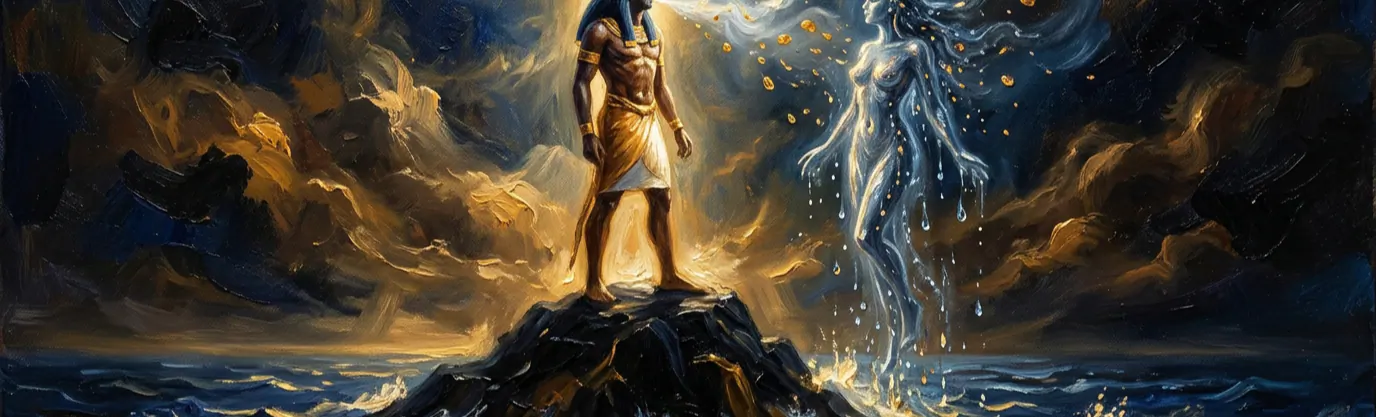
15.How did creator god Atum produce moisture goddess Tefnut in earliest Heliopolitan lore?
Correct Answer: C. Spitting her from mouth
Explanation: In the venerable creation theology developed by the priests of Heliopolis, the self-engendered supreme creator Atum stood alone upon the primordial mound of Nun with no other living beings in existence.
To generate the elemental building blocks of the physical world, Atum sneezed or coughed to produce Shu, the god of dry air, and spat with immense force to spawn Tefnut, the goddess of moisture, dew, and rain.
In fact, the hieroglyphic root of Tefnut's name literally derives from the ancient Egyptian verb "tef," meaning "to spit," which is why ancient scribes occasionally drew her symbol simply as a set of human lips spitting.
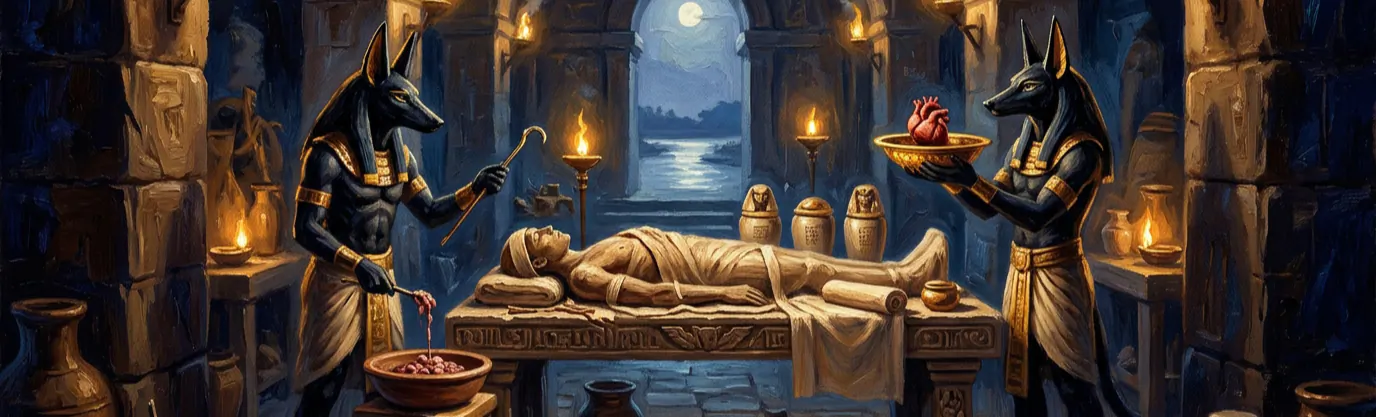
16.What organ did Egyptian embalmers discard, believing it was useless bodily junk?
Correct Answer: D. The human brain
Explanation: While modern medicine considers the human brain the command center of thought, personality, and memory, ancient Egyptian physicians and priests held an entirely different anatomical philosophy: they considered the heart the seat of intelligence and soul.
During the mummification process, embalmers carefully extracted and preserved the liver, lungs, stomach, and intestines inside four sacred canopic jars to ensure their survival in the afterlife.
The human brain, conversely, was viewed as a useless cranial cooling radiator or mucus pump; embalmers inserted a bronze hook up the deceased person's nostrils, scrambled the brain tissue, drained it into a bucket, and tossed it in the trash.
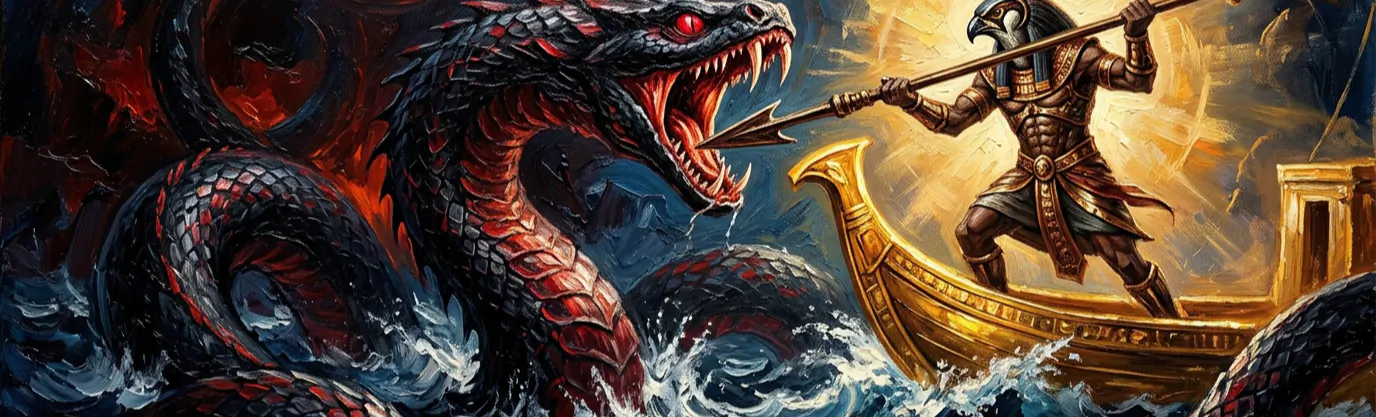
17.Which terrifying underworld serpent fought sun god Ra's barge every single night?
Correct Answer: A. Apophis the Chaos Serpent
Explanation: Every evening as the sun dipped beneath the western horizon, the ancient Egyptians believed Ra boarded his subterranean solar barge, the Mesektet, to navigate the twelve perilous hours of the underworld.
Lurking in the deep abyss of the river of darkness was Apophis (or Apep), a gargantuan serpentine demon of pure entropy and chaos whose body spanned miles and whose gaze could mesmerize gods into paralysis.
Apophis attempted to swallow the river and capsize the solar bark every night, prompting the fierce warrior god Set and cat goddess Bastet to stand at the bow with harpoons and daggers, slaying the beast so the sun could rise at dawn.
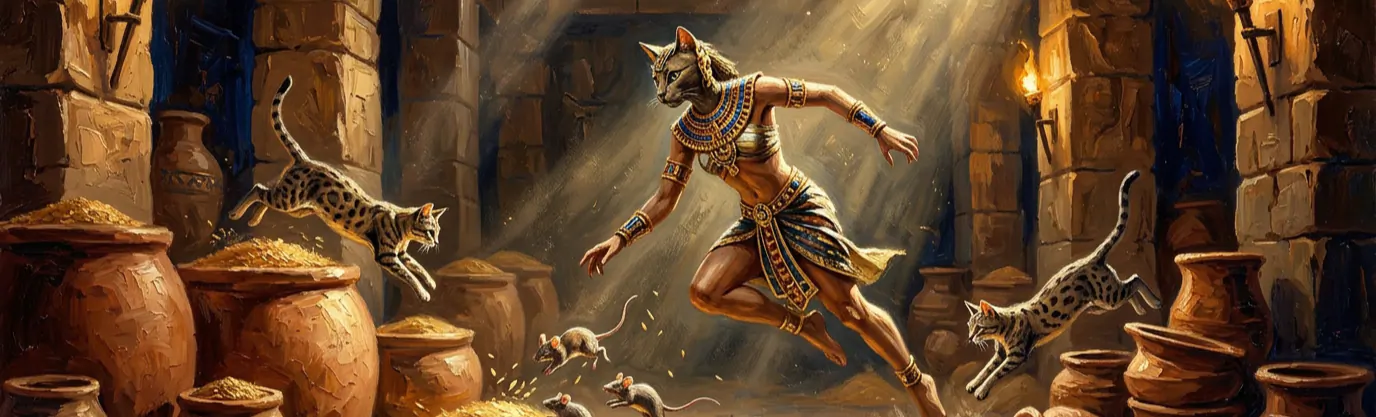
18.Why did pharaohs cherish cat goddess Bastet guarding royal city grain storage?
Correct Answer: B. Felines massacred plague rats
Explanation: Ancient Egypt's immense geopolitical power rested entirely on massive municipal granaries packed with surplus emmer wheat and barley along the Nile—wealth that was perpetually vulnerable to swarms of mice, rats, and venomous horned vipers.
Domesticated cats were ruthless exterminators who hunted grain-stealing rodents and sliced through deadly snakes with lightning reflexes, safeguarding the civilization's vital food supply.
Because of this life-saving economic service, Egyptians elevated felines to divine status through Bastet, goddess of domestic protection, fertility, and perfume, making the intentional killing of a cat a capital crime punishable by death.
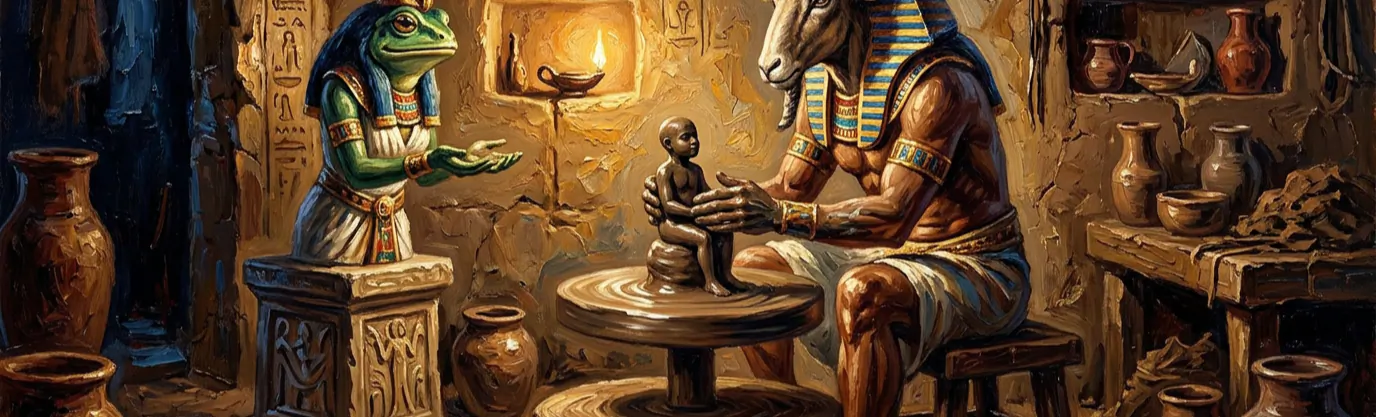
19.Which craft god allegedly sculpted humanity out of clay upon a potter's wheel?
Correct Answer: C. Khnum the Ram
Explanation: At Elephantine Island on the southern cataracts of the Nile, Egyptian theology celebrated Khnum, a majestic god depicted with the head of a curly-horned ram wearing a double crown.
Known as the Divine Potter, Khnum was believed to sit patiently at his cosmic spinning pottery wheel, scooping up fertile black Nile silt to shape the physical bodies and spiritual doubles (ka) of every unborn human and animal.
Once Khnum finished sculpting each baby's unique limbs, facial features, and internal organs, the frog-headed fertility goddess Heqet stepped forward to breathe the spark of life into the newborn child's nostrils.
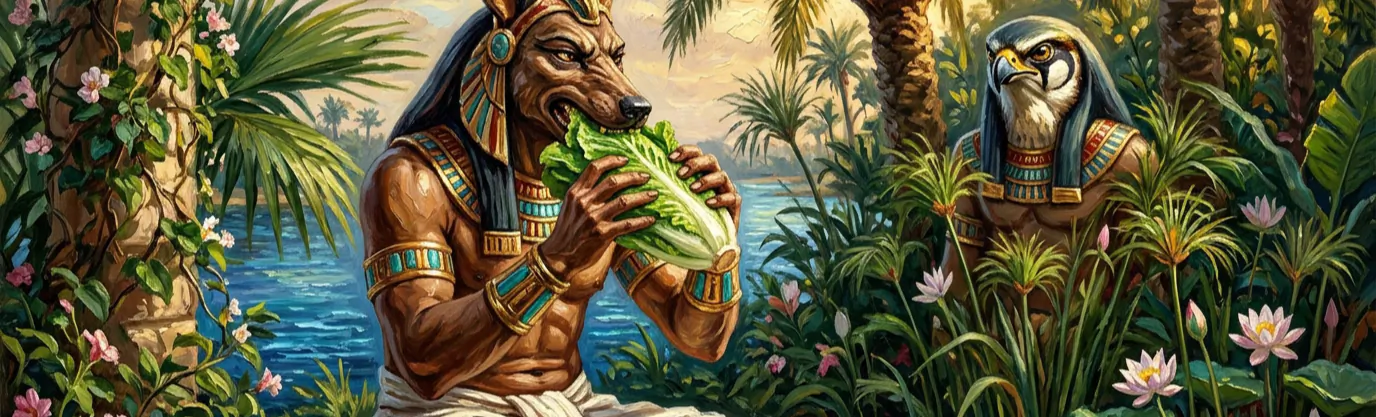
20.What vegetable did Horus secretly lace to utterly humiliate his uncle Set?
Correct Answer: D. Crisp royal lettuce
Explanation: Ancient Egyptian mythology never shied away from raunchy, bizarre rivalries, and few stories match the hilarious climax of the legal contest between Horus and Set recorded in the Chester Beatty Papyrus.
Set was notoriously obsessed with romaine lettuce, which ancient Egyptians regarded as a potent aphrodisiac because its tall stalks oozed a milky white sap resembling semen.
Horus smeared his own divine essence over Set's private garden lettuce; when Set unknowingly munched down his favorite snack, Horus summoned his essence before the council of the gods, causing a brilliant golden solar disk to burst right out of Set's forehead and utterly humiliate his uncle.
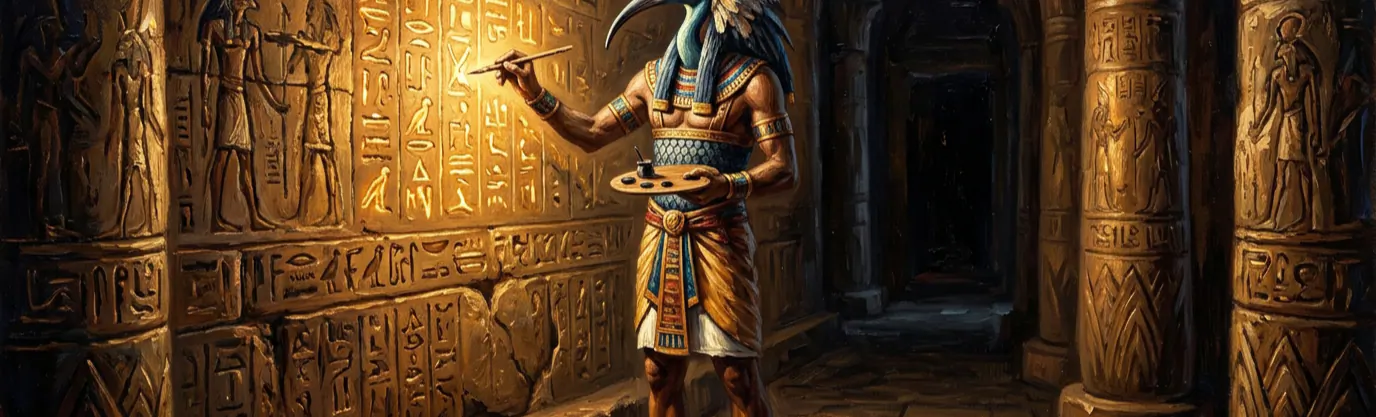
21.Which sacred bird head famously adorns Thoth, scribe of the ancient gods?
Correct Answer: A. A long-billed ibis
Explanation: Thoth was the revered patron of scribes, mathematics, medicine, astronomy, and divine law, credited with inventing hieroglyphic writing—which Egyptians called "medu netjer," meaning "words of the gods."
He was traditionally portrayed as a tall man with the curved head and slender beak of the sacred African ibis, a wading bird that methodically probed the Nile mud for food in motions resembling a scribe dipping a reed pen into an inkwell.
Because of this association, millions of ibises were raised in temple aviaries, lovingly mummified upon death, and deposited inside subterranean catacombs like Tuna el-Gebel as prayer tokens for wisdom and good fortune.

22.According to ancient mythology, what cosmic body liquid created the River Nile?
Correct Answer: B. Sobek's divine sweat
Explanation: Crocodiles were among the most feared and respected predators in the ancient Mediterranean, capable of snatching bathers, fishermen, and cattle from riverbanks in the blink of an eye.
The Egyptians personified this raw aquatic power in Sobek, the crocodile-headed lord of the waters, whose temples at Kom Ombo kept sacred live crocodiles adorned with golden earrings and gem-encrusted bracelets in luxury pools.
In ancient mythic hymns, priests credited Sobek with creating the entire Nile River itself from his own divine perspiration, believing his muscular tail thrashing through primordial mud carved out the water channels that sustained Egyptian agriculture.
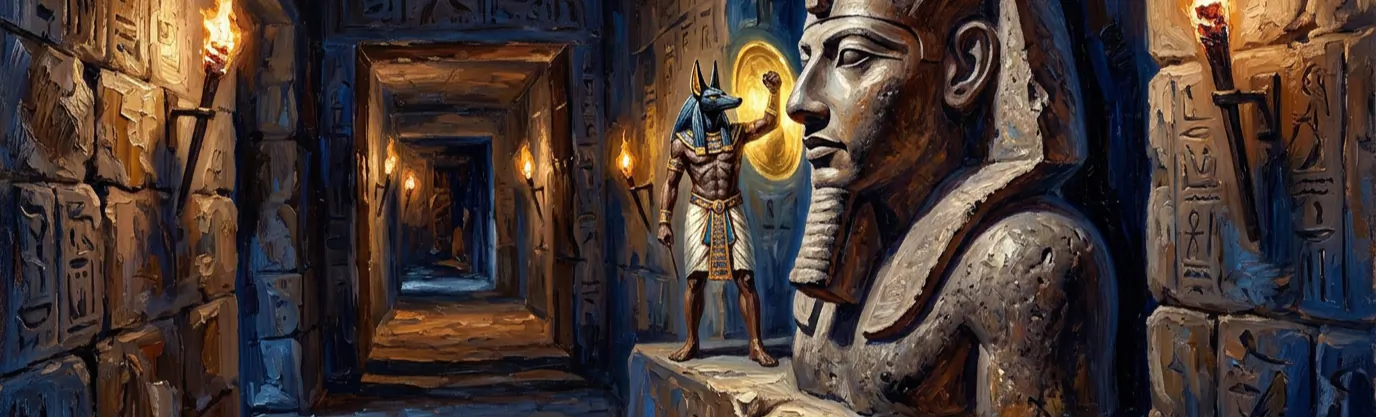
23.What unusual duty did minor underworld deity Khenti-Khas perform for the dead?
Correct Answer: C. Protecting statues' stone noses
Explanation: While supreme gods like Osiris handled eternal judgment and cosmic order, the sprawling Egyptian pantheon included hyper-specialized minor spirits tasked with comical micro-duties—none more specific than Khenti-Khas.
Egyptian funerary doctrine taught that a person's soul required an intact physical likeness (such as a tomb statue or mummified head) to inhale the breath of life in the underworld; without a nose, the spirit literally suffocated for eternity.
This belief is why tomb vandals and conquering armies specifically chiseled off the noses of royal statues, and why the god Khenti-Khas was invoked in specialized spells to stand guard over the dead person's nostrils.
24.Which body part did sky goddess Nut swallow every evening at sunset?
Correct Answer: D. Ra's fiery sun disk
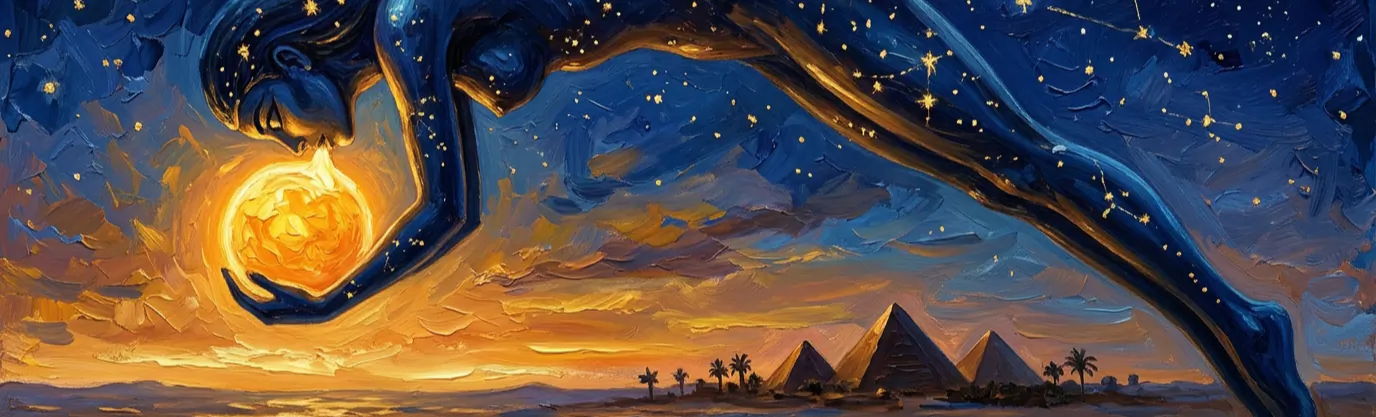
Explanation: Inside royal tombs in the Valley of the Kings, visitors can look up at ceilings painted with the dramatic Book of Nut, depicting the sky goddess arching her star-spangled body gracefully across the horizon.
Every evening at dusk, Nut leaned her head over the western hills and physically swallowed the glowing disc of the sun god Ra into her mouth.
Throughout the twelve hours of night, the sun journeyed invisibly through Nut's celestial torso and internal organs before she miraculously gave birth to the glowing golden orb between her thighs in the eastern sky at dawn.
25.Why did embalmers carefully preserve human hearts inside mummies instead of jars?
Correct Answer: A. Souls needed hearts weighed
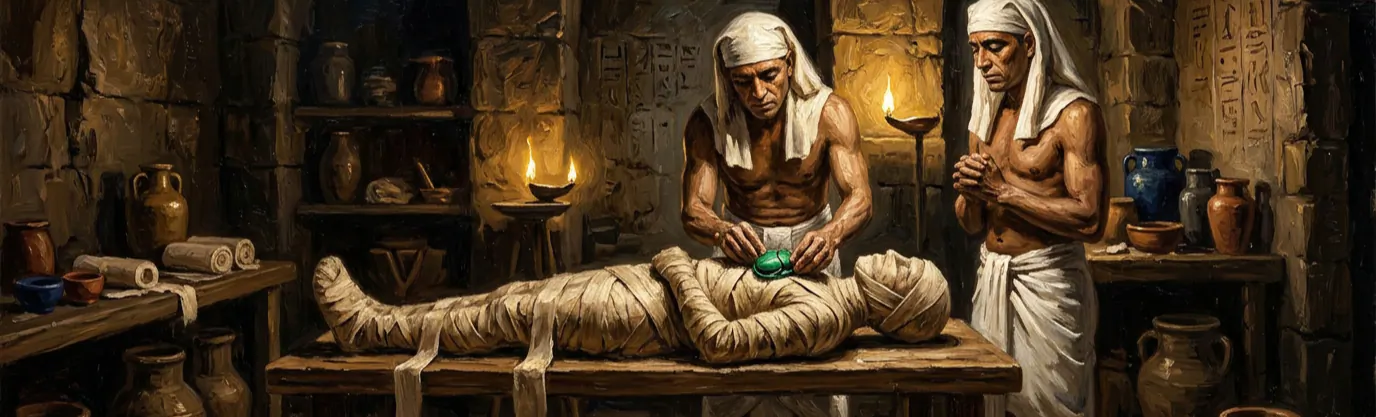
Explanation: When embalmers prepared an Egyptian noble for the afterlife, they carefully excised the lungs, liver, stomach, and intestines to preserve them in separate canopic jars, but they strictly left the heart nestled inside the rib cage.
The heart (called "ib") was considered the biological and spiritual hard drive of the human being—the repository of all memory, emotion, intelligence, conscience, and morality.
Because every soul had to place their heart onto Anubis's courtroom scale to be judged against Ma'at's feather of truth, entering the underworld without an intact heart meant instant failure and total annihilation.
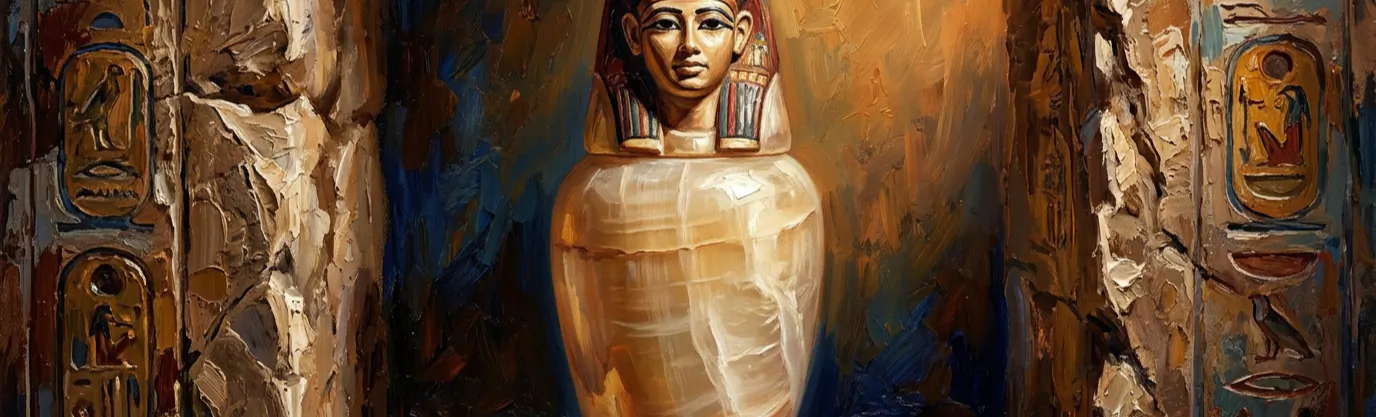
26.Which son of Horus guarded the mummified liver inside canopic stone jars?
Correct Answer: B. Imsety the Human
Explanation: During the mummification ritual, an Egyptian's vital organs were divided among four specialized vessels known as canopic jars, each presided over by one of the Four Sons of Horus.
Imsety, the only son depicted with a completely human head, stood guard over the precious liver under the supernatural protection of the goddess Isis.
His three brothers handled the rest: baboon-headed Hapi protected the lungs, jackal-headed Duamutef watched over the stomach, and falcon-headed Qebsenuef guarded the intestines.
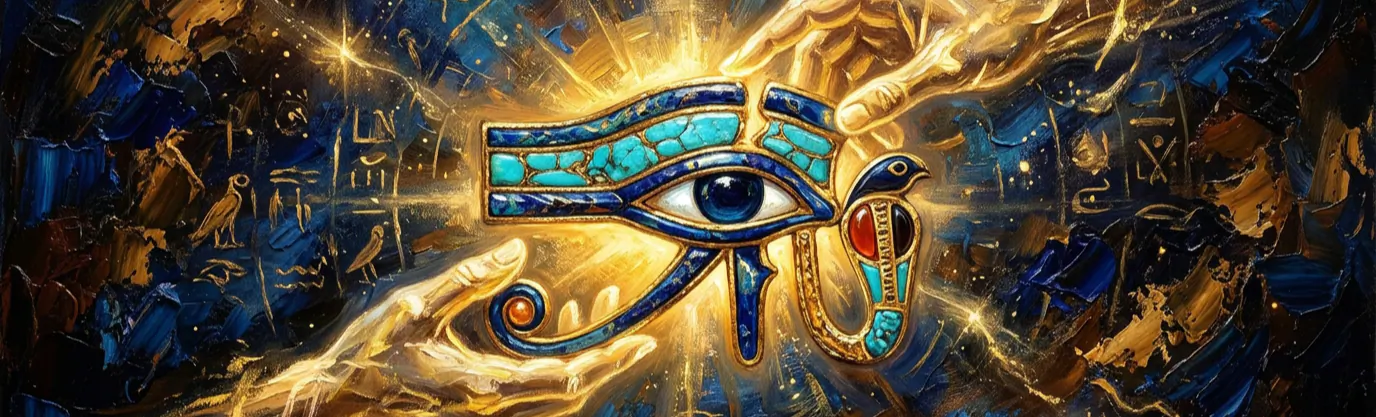
27.What magical amulet shaped like Horus's eye protected wearers from evil curses?
Correct Answer: C. The blessed Wedjat
Explanation: During the fierce mythic battles between Horus and Set for kingship of Egypt, Set gouged out Horus's left eye and shredded it into six distinct fragments across the desert.
The ibis-headed god Thoth miraculously tracked down all six pieces, reassembled them with divine healing magic, and restored the eye to pristine perfection, earning it the name "Wedjat," meaning "the sound or restored one."
The Wedjat Eye became ancient Egypt's most famous protective talisman, worn by living soldiers, carved into royal jewelry, and wrapped inside mummy bandages to ward off sickness and malevolent spirits.
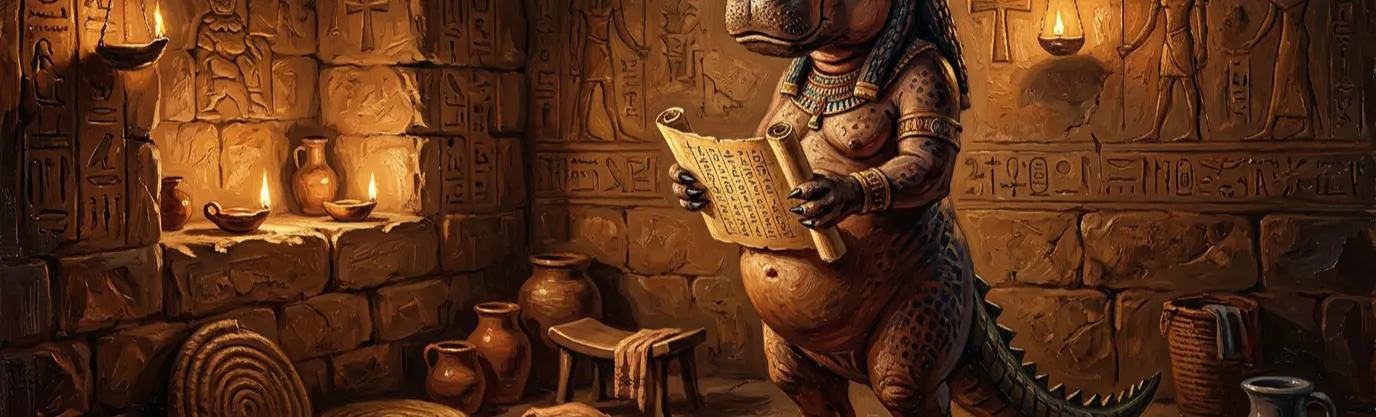
28.Which pregnant hippopotamus goddess fiercely guarded pregnant mothers during dangerous childbirth?
Correct Answer: D. Taweret
Explanation: Female hippopotamuses in the wild are famously aggressive protectors of their calves, a fierce maternal instinct that deeply inspired ordinary Egyptian families facing high infant mortality rates.
They revered Taweret (whose name means "The Great One"), depicted as an upright bipedal pregnant hippopotamus with swollen human breasts, the curved claws of a lion, and the spiky tail of a Nile crocodile.
Expectant mothers wore amulets of Taweret and carved her image onto curved ivory wand knives, which midwives waved in circles around birthing chambers to ward off evil night demons.
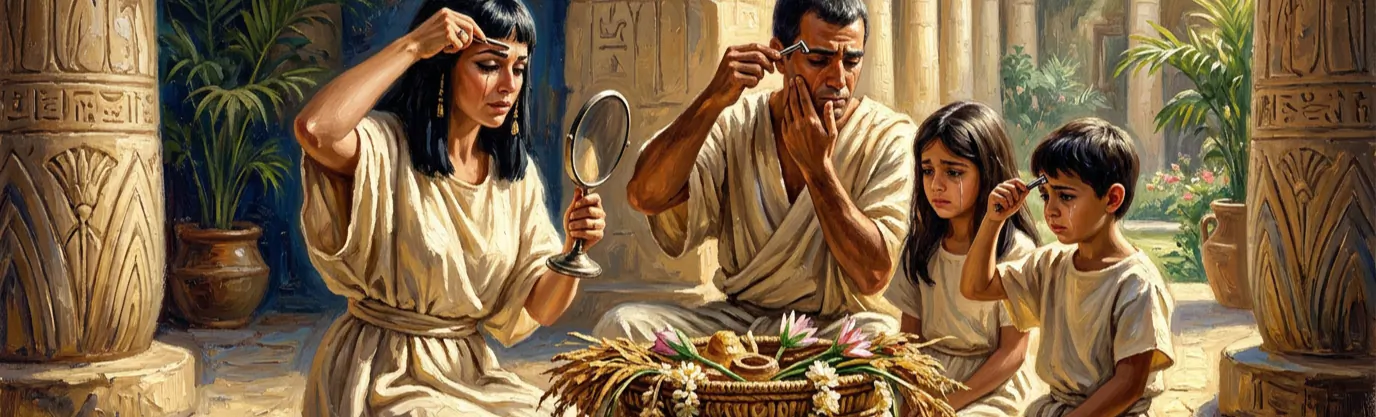
29.What odd behavior did ancient Egyptians display when beloved house cats died?
Correct Answer: A. Shaving off their eyebrows
Explanation: The Greek historian Herodotus visited Egypt in the 5th century BCE and wrote extensively about the civilization's deep, almost obsessive adoration for their domestic animals.
He noted that whenever a household pet cat passed away from natural causes, every member of the family entered a formal period of public mourning and shaved off their own eyebrows as an outward sign of profound grief.
If a family dog died, the mourning was even more dramatic: owners shaved their entire bodies and heads before wrapping the animal in fine linen to be buried with aromatic oils.
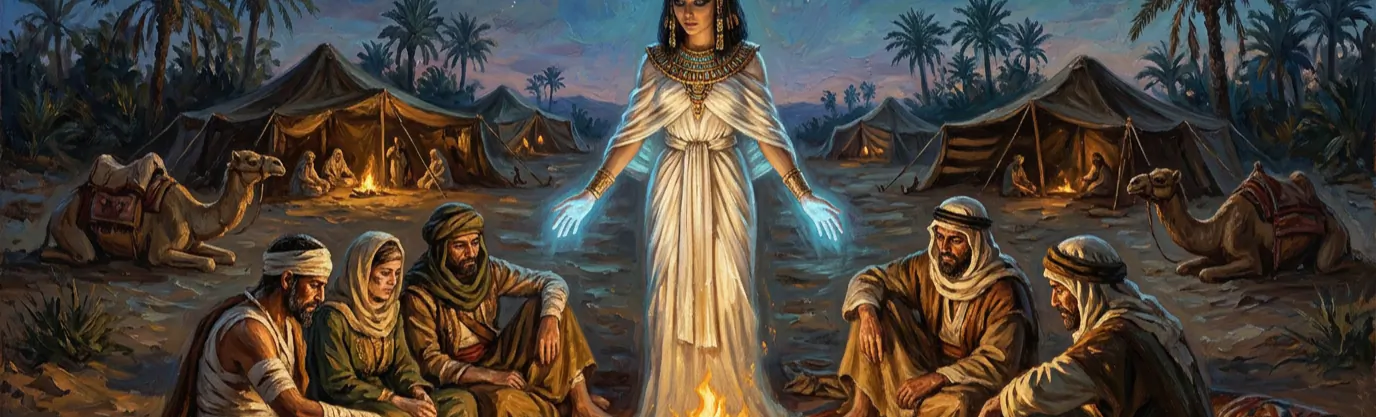
30.Which venomous creature crowned goddess Serket as guardian against deadly desert stings?
Correct Answer: B. A golden scorpion
Explanation: In the scorching deserts flanking the Nile, deathstalker scorpions were a constant lethal menace hiding under rocks, shoes, and sleeping mats.
Rather than ignoring the terrifying arachnid, Egyptians turned fear into worship through Serket, the scorpion goddess whose crown displayed a golden water scorpion with its arched venomous stinger poised to strike.
Serket was believed to control all venomous poisons; her specialized medical priests (called the Kherep Serket) were ancient Egypt's emergency toxicologists, using anti-venom herbal poultices and divine incantations to treat scorpion stings and snakebites.
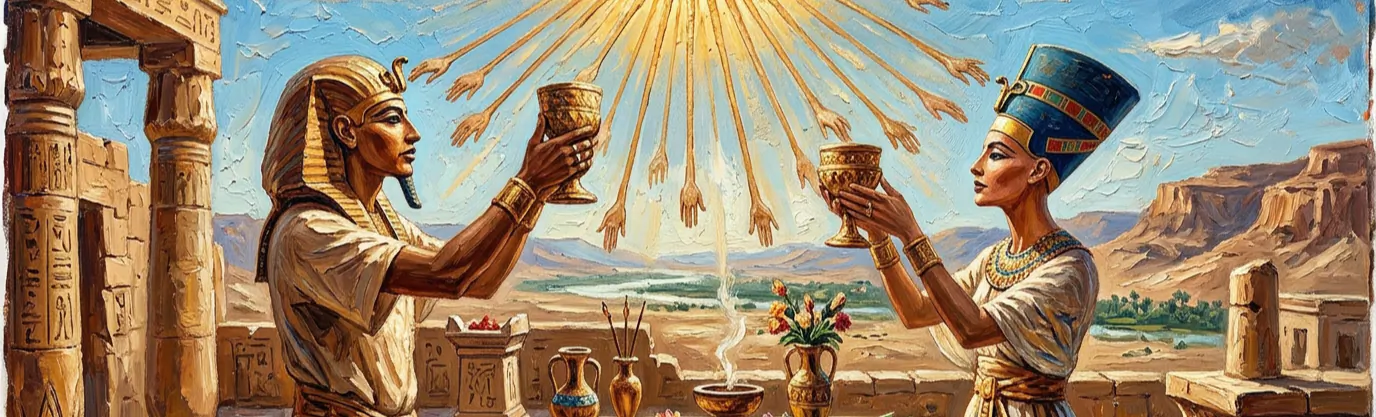
31.Why did pharaoh Akhenaten outlaw traditional gods like Amun across ancient Egypt?
Correct Answer: C. To worship Aten exclusively
Explanation: For thousands of years, ancient Egypt practiced polytheism, worshipping hundreds of deities led by the immensely wealthy and politically powerful priesthood of Amun at Karnak.
In the 14th century BCE, Pharaoh Amenhotep IV revolutionized Egyptian religion: he changed his name to Akhenaten, closed down temples to Amun and Osiris, and proclaimed that only one god deserved worship: the Aten, the physical solar disk.
Art of the Amarna period depicted the Aten as a radiant sun whose golden beams terminated in delicate human hands holding out ankh symbols of life directly to Akhenaten and Queen Nefertiti.
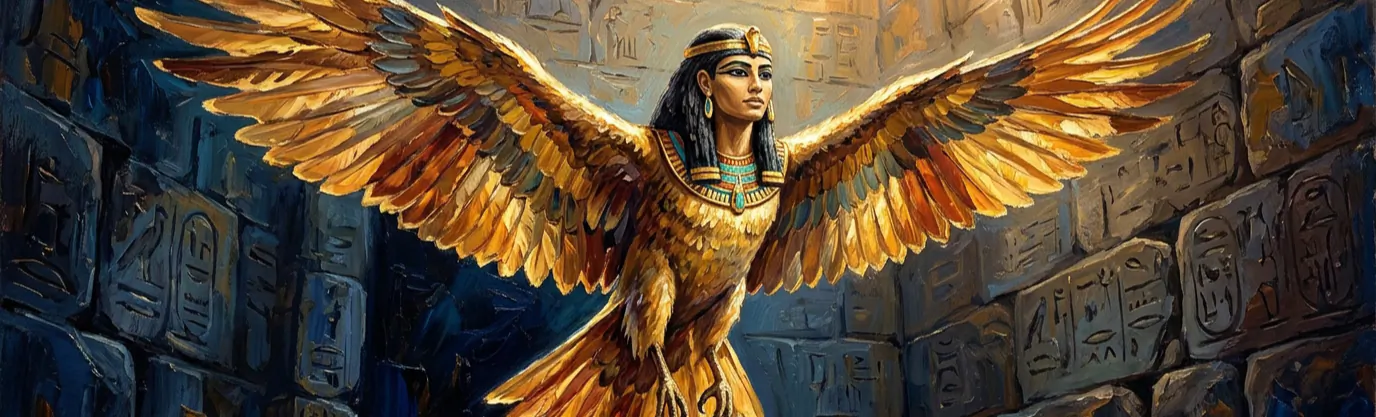
32.What wing-footed soul component flew out of Egyptian tombs every bright morning?
Correct Answer: D. The bird-bodied Ba
Explanation: Ancient Egyptians believed human consciousness was divided into several distinct spiritual entities: the Ka (life force), the Ren (name), the Sheut (shadow), and the Ba (unique individual personality).
The Ba was illustrated in tomb frescoes as a creature with the fluttering body and wings of a falcon or hawk, but possessing the distinct facial features of the deceased human.
While the physical mummy lay preserved in the sealed burial chamber, the Ba was completely free: every morning it flew up the tomb shaft into the sunshine to visit loved ones, sip sweet water, and eat garden fruit before returning to roost in the sarcophagus at twilight.
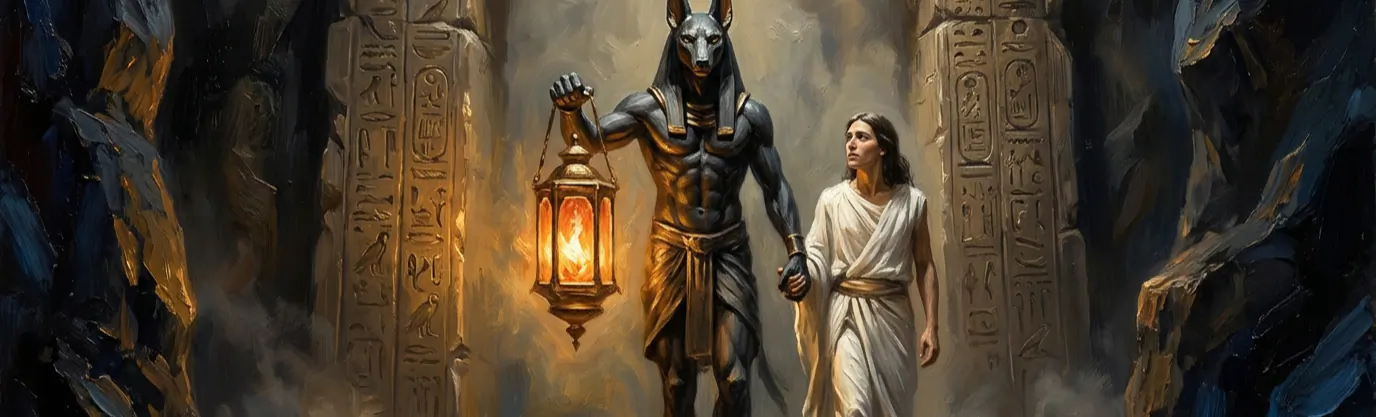
33.Which desert canine deity guided mummies along shadowy trails toward the afterlife?
Correct Answer: A. Anubis the Jackal
Explanation: In ancient Egypt, desert jackals and wild dogs often prowled the fringes of desert cemeteries, digging around shallow graves in the twilight sand.
To turn this unnerving scavenging into divine protection, Egyptians adopted the sleek black canine as Anubis, god of mummification, embalming, and psychopomp guide of the deceased.
Painted jet-black to represent both the discoloration of preserved mummies and the rich, life-giving black soil of the Nile inundation, Anubis was believed to take frightened newly dead souls gently by the hand and lead them through underworld traps to the Hall of Judgment.
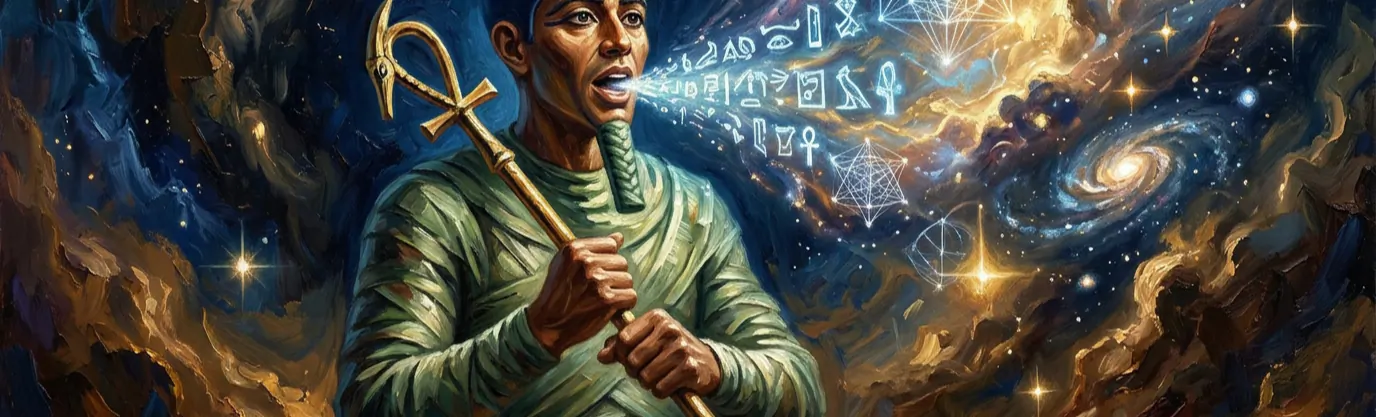
34.How did creator god Ptah fashion the universe according to Memphis priests?
Correct Answer: B. Speaking divine words aloud
Explanation: While Heliopolis priests believed the universe began with bodily fluids, the theological school of Memphis credited Ptah, the patron god of master craftsmen, sculptors, and architects.
According to the celebrated Shabaka Stone, Ptah conceived every element of the cosmos in his divine heart (intellect) and brought it into physical reality simply by vocalizing its name with his divine tongue.
The moment Ptah spoke the name of an animal, plant, mountain, or god, the creative power of speech (*Hu*) and magic (*Heka*) materialized that thought into solid, eternal existence.
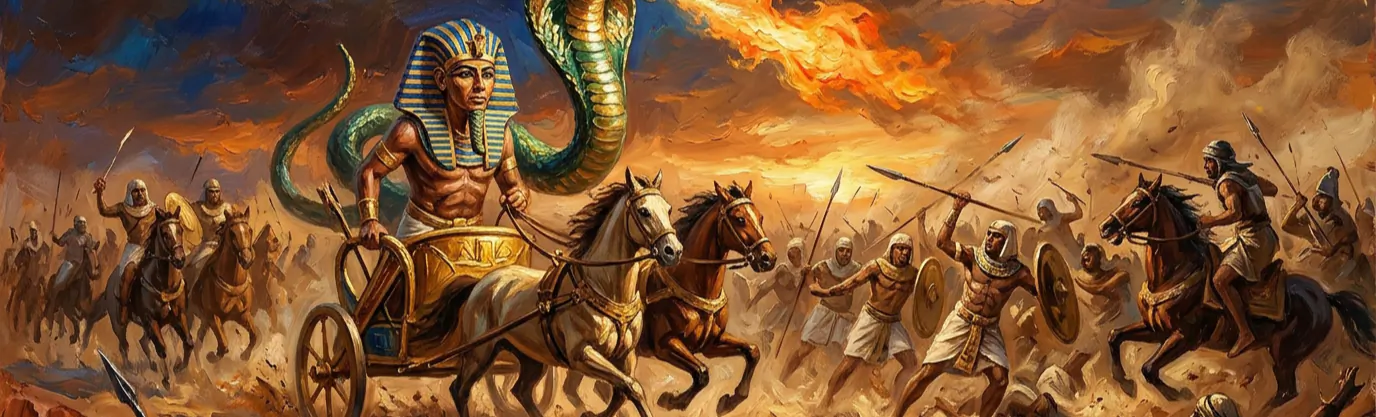
35.Which cobra goddess spit venomous flames to defend Pharaoh's royal forehead crown?
Correct Answer: C. Wadjet
Explanation: On the front of every Egyptian pharaoh's golden headdress was the Uraeus, a rearing golden cobra with flared hood poised to strike, symbolizing the fierce protector goddess Wadjet.
Wadjet was the ancient patron deity of Lower Egypt and the Nile Delta marshlands, believed to coil defensively on the pharaoh's crown and incinerate approaching enemies with blasts of divine venom and fire.
Alongside Nekhbet, the vulture goddess of Upper Egypt, Wadjet formed the "Two Ladies" (*Nebty*), the twin celestial guardians who symbolized the eternal unification of Upper and Lower Egypt under the king's divine rule.