
World Beverages Trivia: 37 Quirky Libations, Ancient Brews & Boozy Secrets
From mummified toes in Canadian whisky to fermented mare's milk on the steppes—explore 37 wild, verified drinks crafted across human history.
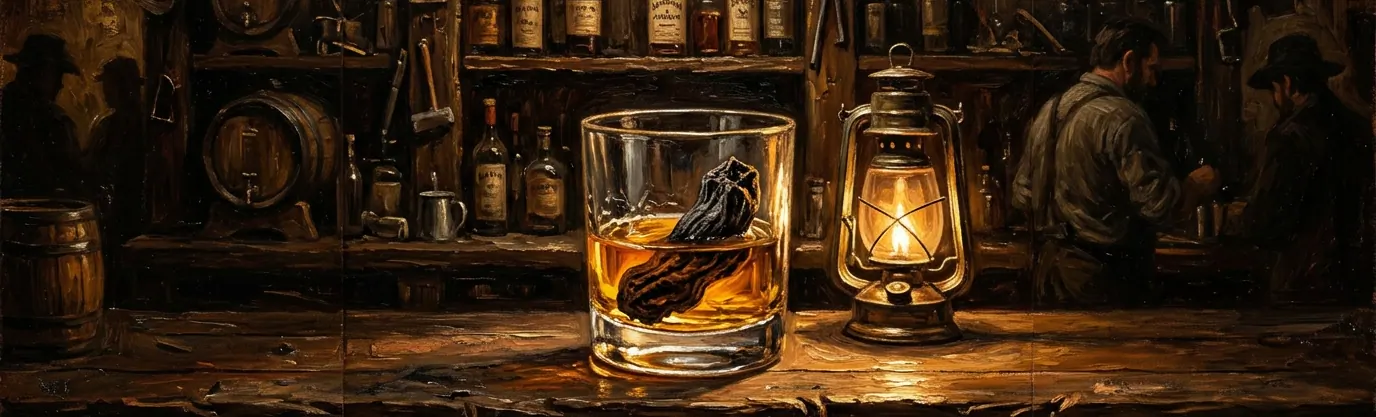
1.What gruesome mummified human body part garnishes Dawson City's famous Sourtoe Cocktail?
Correct Answer: A. A severed human toe
Explanation: Dating back to 1973 in Dawson City, Yukon, the Downtown Hotel established the eccentric "Sourtoe Cocktail Club," one of the strangest drinking traditions in North America. To earn full membership, brave patrons must order a shot of Yukon Jack whisky garnished with an authentic, dehydrated human big toe.
The club enforces one uncompromising rule etched into northern folklore: "You can drink it fast, you can drink it slow, but your lips must touch the toe!" Thousands of adventurous visitors from across the world visit the Klondike region each year just to have the blackened relic brush their mouths.
Over the decades, multiple toes have been donated by generous benefactors who lost digits to frostbite, lawnmower mishaps, or diabetes, ensuring this bizarre tradition remains well-stocked despite occasional accidental swallowings.
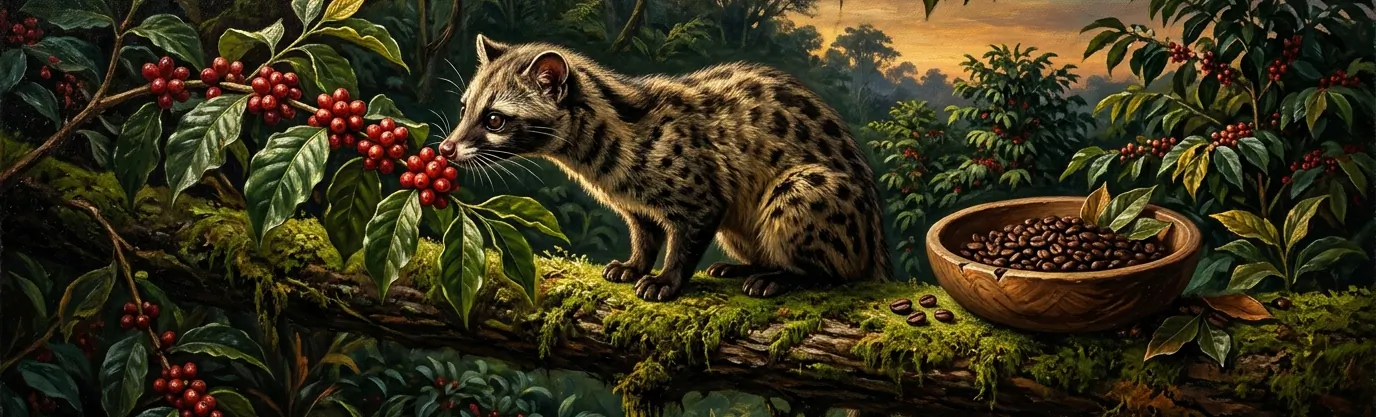
2.Which wild animal digests and excretes rare Indonesian Kopi Luwak coffee beans?
Correct Answer: B. Asian palm civet
Explanation: Kopi Luwak stands among the most famous and exorbitantly expensive coffees on Earth, hailing from the Indonesian islands of Sumatra, Java, and Bali. The beans are selectively harvested from the feces of the Asian palm civet (Paradoxurus musangus), a small, nocturnal mammal that roams coffee plantations.
The civet acts as a natural quality control expert, consuming only the ripest and sweetest coffee cherries. As the cherries pass through the animal's digestive tract, gastric enzymes break down proteins in the outer pulp and subtly ferment the underlying bean, stripping away sharp bitterness and imparting a uniquely smooth, chocolatey aroma.
Once excreted, plantation workers carefully gather, thoroughly wash, sun-dry, and roast the beans. The resulting brew commands hundreds of dollars per pound in luxury coffee boutiques worldwide.
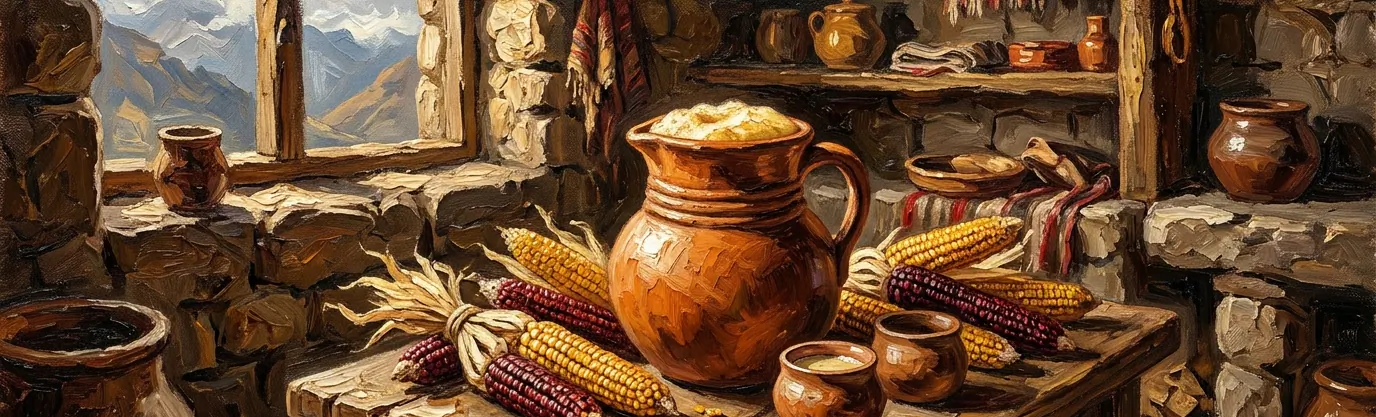
3.Ancient Andean brewers traditionally chewed maize kernels and spat them out for what reason?
Correct Answer: C. Salivary enzymes convert starches
Explanation: For thousands of years across the Andes mountains of Peru, Bolivia, and Ecuador, indigenous brewers crafted chicha de jora, a fermented corn beer central to Incan festivals and religious ceremonies. In traditional preparation, women known as chicheras chewed dried malted corn kernels and spat the masticated mash into clay fermentation pots.
Human saliva contains ptyalin, an essential amylase enzyme that catalyzes the breakdown of complex, unfermentable corn starches into simple, fermentable sugars like maltose. Without modern commercial malting equipment or added malt barley enzymes, chewing was the most ingenious biological shortcut available.
Once warm water was mixed with the chewed maize and wild airborne yeasts took hold, the brew fermented into a mildly alcoholic, tangy drink that remains a beloved Andean staple served in oversized chombas today.
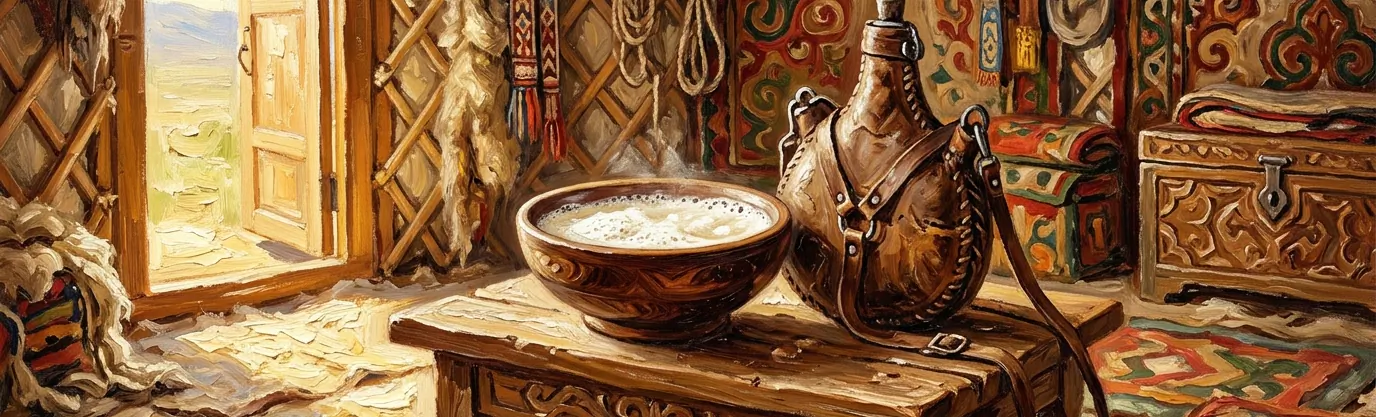
4.Nomadic steppes herders ferment what animal's sugar-rich milk to produce fizzy Kumis?
Correct Answer: D. Female horse mare
Explanation: Across the wind-swept steppes of Mongolia, Kazakhstan, and Kyrgyzstan, kumis (also known as airag in Mongolia) has served as a staple source of nutrition, hydration, and hospitality for millennia. The beverage is produced by fermenting the raw milk of female horses (mares).
Unlike cow's milk, which is relatively low in sugars and coagulates easily into thick curds, mare's milk contains exceptionally high lactose levels. When stirred vigorously inside traditional smoked-horsehide bags with lactic acid bacteria and yeasts, the lactose ferments into an effervescent, tart, mildly alcoholic sparkling drink.
Nomadic warriors including Genghis Khan and his cavalry relied on kumis during long military campaigns because it provided vital vitamins, restored electrolytes, and could be continuously brewed directly in saddlebags as they galloped.
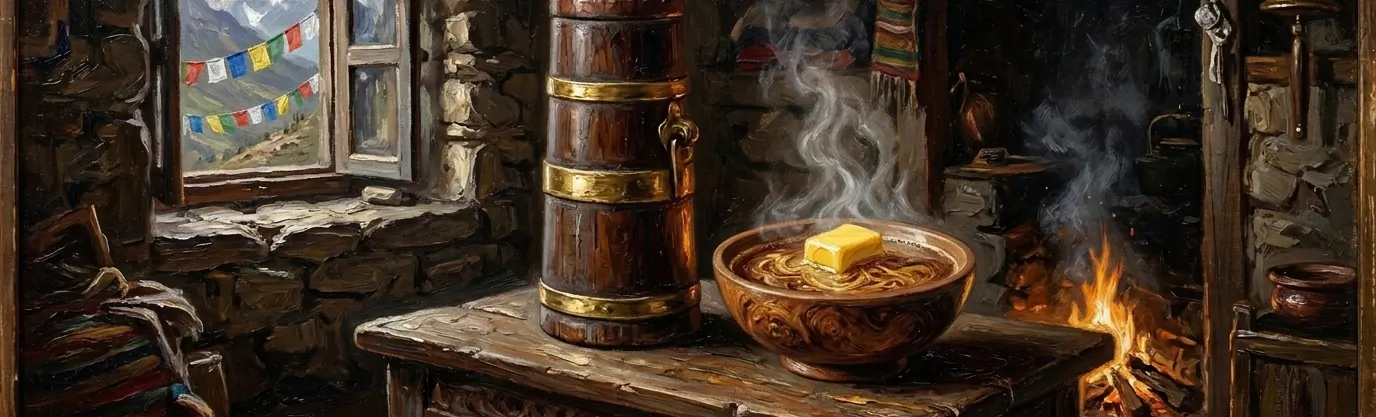
5.What unexpected savory ingredient is churned into traditional Himalayan po cha tea?
Correct Answer: A. Salted yak butter
Explanation: High in the freezing altitudes of the Tibetan Plateau and the Himalayas, po cha (Tibetan butter tea) is an indispensable daily survival drink. Rather than drinking delicate, sweetened infusions, locals brew compressed dark brick tea leaves for hours before churning the liquor with generous amounts of yak butter and rock salt.
The mixture is whipped inside a tall wooden cylinder called a chandong until it emulsifies into a thick, soup-like beverage with a savory, creamy mouthfeel. In sub-zero mountain weather, the dense caloric punch provides crucial thermal energy while the fat prevents chapped lips.
Tibetan etiquette dictates that a host will constantly refill your cup to the brim after every single sip. If you cannot finish another bowl, cultural tradition advises leaving the bowl full until you are ready to depart.
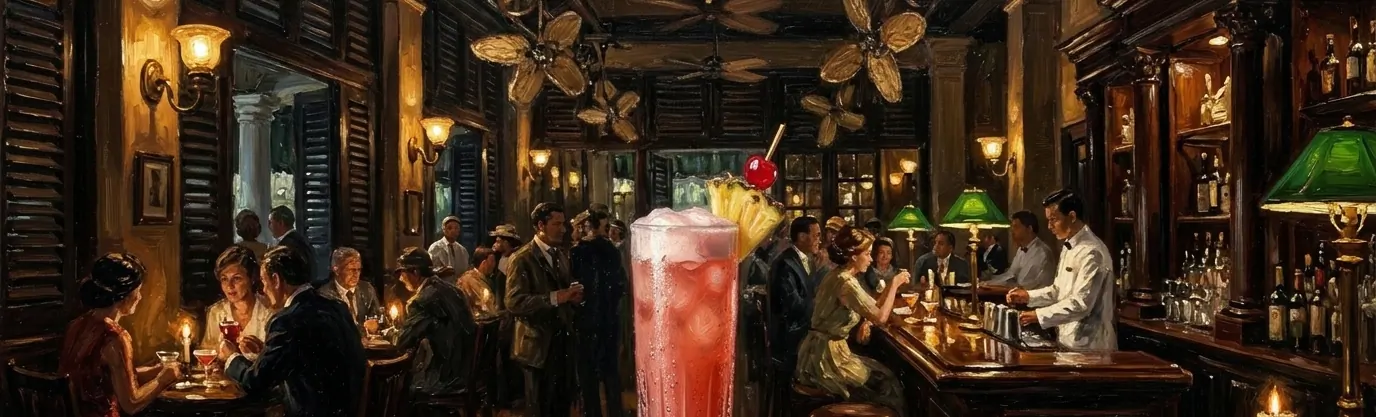
6.Why did Raffles Hotel bartenders concoct the colorful Singapore Sling in 1915?
Correct Answer: B. Socially acceptable female drinking
Explanation: Around 1915 at the Long Bar inside Singapore's legendary Raffles Hotel, bartender Ngiam Tong Boon noticed a rigid societal problem: colonial British etiquette strictly prohibited ladies from consuming alcohol in public. While gentlemen openly sipped gin and whisky, women were confined to teas and fruit juices.
Spotting an opportunity for subtle rebellion, Ngiam crafted a rosy, fruit-forward concoction blending gin, cherry liqueur, Bénédictine, Cointreau, pineapple juice, and grenadine. To unsuspecting onlookers, the pink, frothy glass looked like harmless tropical fruit punch, allowing high-society women to drink liquor discreetly.
The clever disguise proved an immediate sensation. Today, the Singapore Sling remains the national cocktail of Singapore and one of the most famous classic cocktails in global mixology.
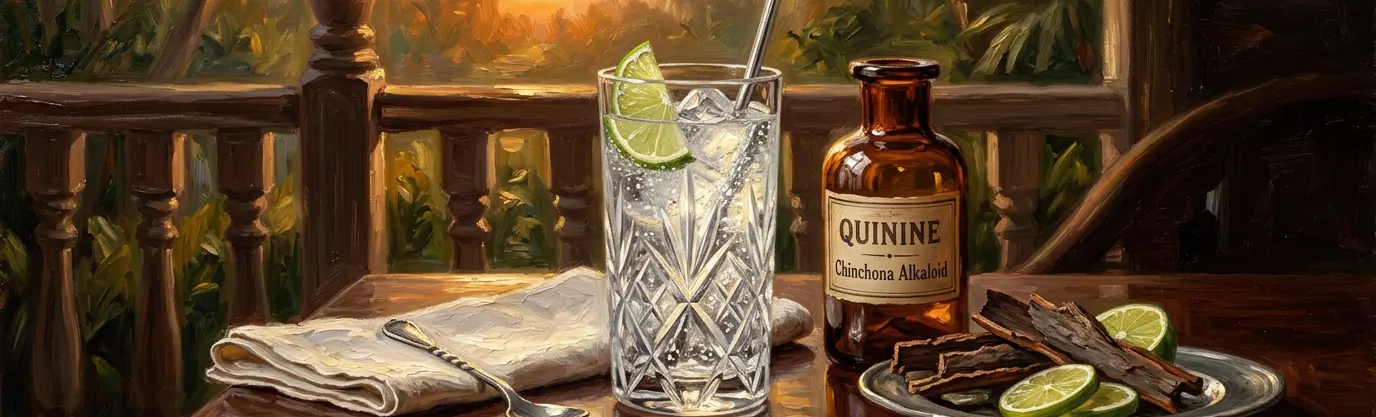
7.Why did British colonial officers originally mix bitter medicinal quinine with gin?
Correct Answer: C. To mask bitter medicine
Explanation: During the 19th century in British colonial India, malaria was a constant, deadly threat to European soldiers and officials. Scottish physician George Cleghorn discovered that quinine, an extract derived from the bark of the South American cinchona tree, was a potent preventative and treatment for malaria.
However, pure quinine dissolved in tonic water tasted unbearably bitter and medicinal. To convince reluctant soldiers to swallow their daily anti-malarial dosage, British officers began cutting the tonic water with sugar, fresh lime juice, and generous splashes of dry gin.
What began as a mandatory military prophylaxis quickly evolved into the Gin and Tonic, now one of the most widely consumed highball cocktails on the planet. Even modern commercial tonic waters still retain small amounts of cinchona quinine for that signature crisp bite.
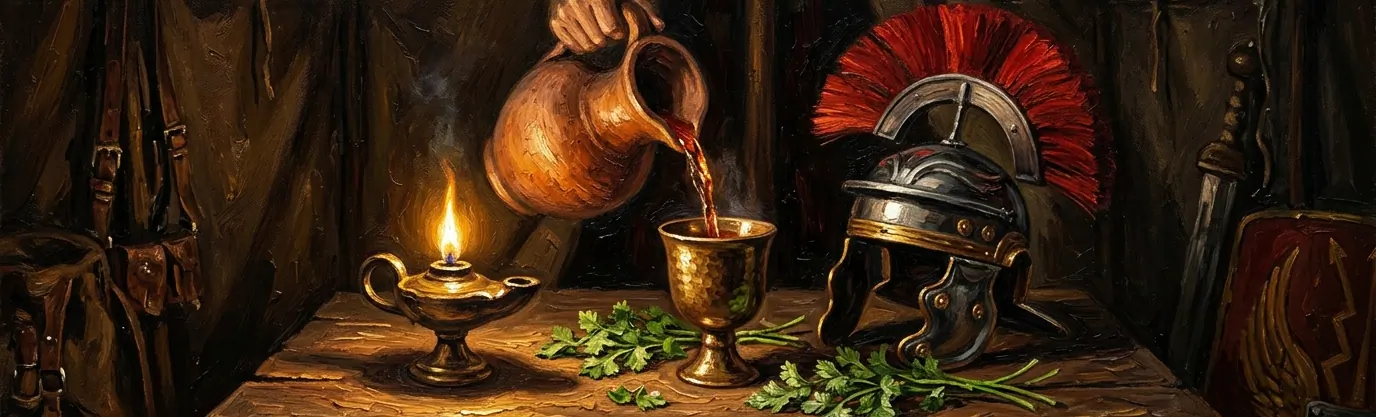
8.What sour liquid did ancient Roman legionaries mix with water for posca?
Correct Answer: D. Sour wine or vinegar
Explanation: While patrician Roman senators feasted on vintage Falernian wine, the fierce legionaries who conquered Gaul, Hispania, and the Mediterranean marched on a humble beverage called posca. Posca was crafted by diluting sour, spoiled wine or vinegar with plain water and seasoning it with herbs like coriander.
Far from being a mere hardship ration, posca was brilliant military logistics. The acidity of the vinegar killed harmful bacteria in stagnant frontier water supplies, prevented scurvy, and stimulated saliva in arid battlegrounds without causing drunkenness on duty.
The beverage was so integral to soldiering that Roman commanders who drank posca alongside their common troops, such as Cato the Elder and Emperor Hadrian, earned boundless loyalty from the ranks.
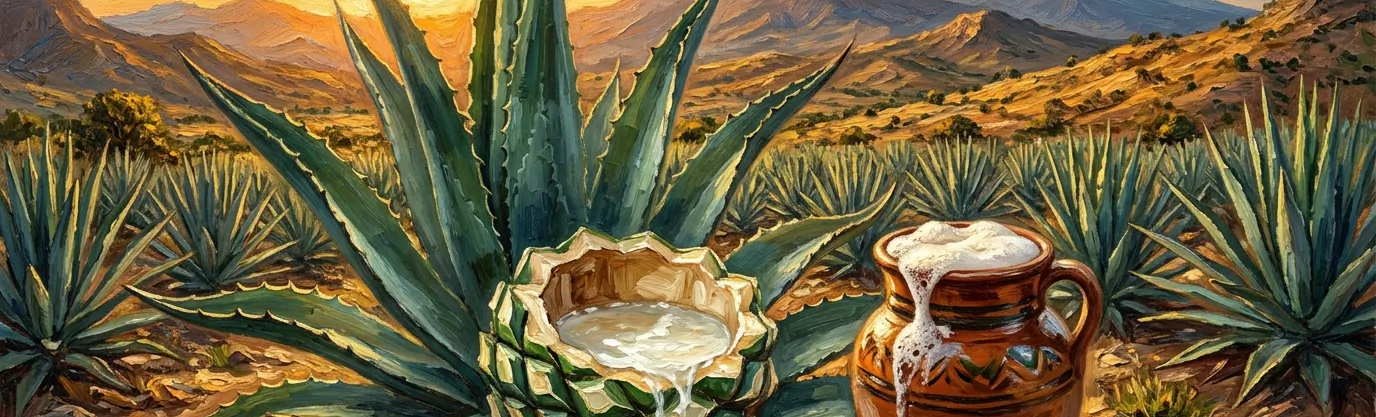
9.From which giant desert plant do Mexican brewers harvest sap for pulque?
Correct Answer: A. Maguey agave plant
Explanation: Long before Spanish conquistadors introduced copper distillation stills to produce tequila and mezcal, Mesoamerican civilizations considered pulque the sacred "nectar of the gods." The cloudy, viscous beverage is made from the naturally fermented sap (aguamiel) of the maguey plant (Agave salmiana).
A skilled harvester called a tlachiquero carves out the flowering heart of a mature twelve-year-old maguey and scoops out liters of sweet sap that pool inside the plant cavity twice daily. The unboiled sap is transferred to wooden vats, where indigenous yeasts and bacteria ferment it into a milky, thick, mildly alcoholic brew within hours.
In Aztec society, pulque consumption was heavily regulated: priests drank it to commune with Mayahuel, goddess of agave, while unauthorized public intoxication could carry harsh punishments, including execution.
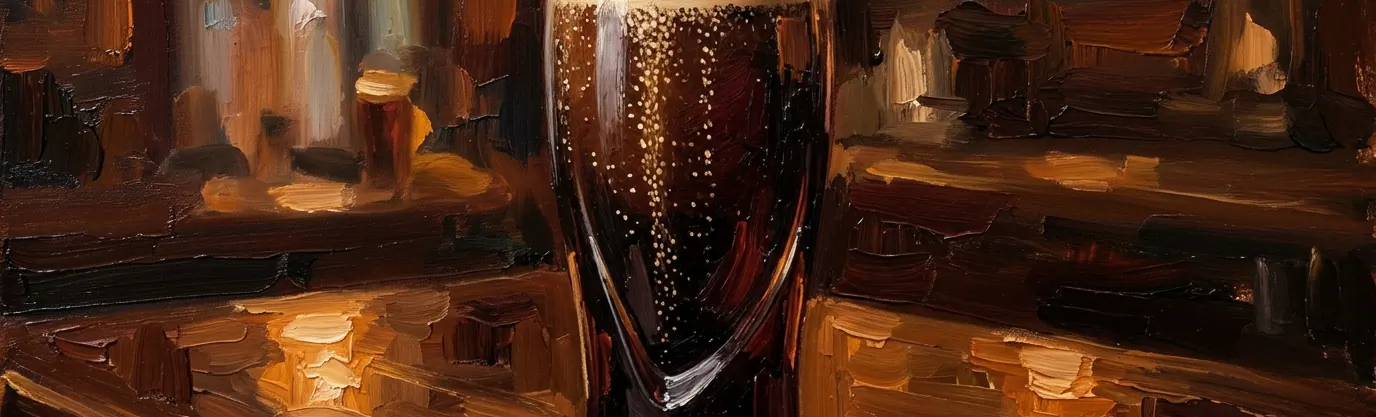
10.Why do nitrogen gas bubbles inside a freshly poured Guinness appear to sink?
Correct Answer: B. Internal downward fluid currents
Explanation: When a bartender pours a fresh pint of Guinness stout, drinkers are treated to the famous "cascade effect," where thousands of tiny creamy bubbles appear to defy gravity by streaming downwards along the glass wall. For decades, pub regulars debated whether the phenomenon was an optical illusion or physical reality.
In the late 1990s, fluid dynamicists pointed high-speed cameras at Guinness pints and proved the bubbles truly are sinking. Because Guinness uses a blend of carbon dioxide and nitrogen, the bubbles are exceptionally tiny and easily swept around by circular fluid convection currents.
Bubbles in the center of the wider pint face less drag and rise quickly, which forces a return downward current of stout along the cooler outer walls of the curved glass. The downward liquid flow is stronger than the buoyant force of the microscopic bubbles, dragging them down before they loop back up.

11.Napoleon's cavalry officers famously opened celebratory champagne bottles using which military weapon?
Correct Answer: C. Curved cavalry saber
Explanation: Following dramatic battlefield victories across Europe, Napoleon Bonaparte's light cavalrymen—the flamboyant French Hussars—popularized the spectacular art of sabrage, opening Champagne bottles with a single ceremonial swipe of a heavy saber. Napoleon himself famously remarked: "In victory, you deserve Champagne; in defeat, you need it."
Rather than taking the time to untwist the wire cage and gently pop the cork by hand, mounted officers held the bottle by its base and slid the blunt, heavy back edge of their steel saber cleanly along the bottle's seam toward the glass collar.
The combination of the blade's kinetic strike at the glass's weakest point and the six atmospheres of internal carbon dioxide pressure fractures the lip cleanly off. The pressurized wine instantly flushes away any microscopic glass shards, leaving the foaming vintage ready to pour.

12.Why do Malaysian street vendors pour teh tarik back and forth between vessels?
Correct Answer: D. To cool and froth
Explanation: Teh tarik, meaning literally "pulled tea" in Malay, is the iconic national hot beverage of Malaysia and Singapore, celebrated across bustling mamak stalls. The drink combines strong Ceylon black tea brewed to a deep copper hue with rich sweetened condensed milk and evaporated milk.
Vendors perform an acrobatic ritual, pouring the steaming brew back and forth between two metal vessels held up to a meter apart without spilling a single drop. This theatrical "pulling" serves two crucial culinary functions: it rapidly cools the scalding tea to ideal sipping temperature and thoroughly aerates the milk proteins.
The rapid aeration creates a luxurious, velvety texture crowned with a dense, frothy head resembling an Italian cappuccino, making every mouthful extraordinarily smooth and creamy.
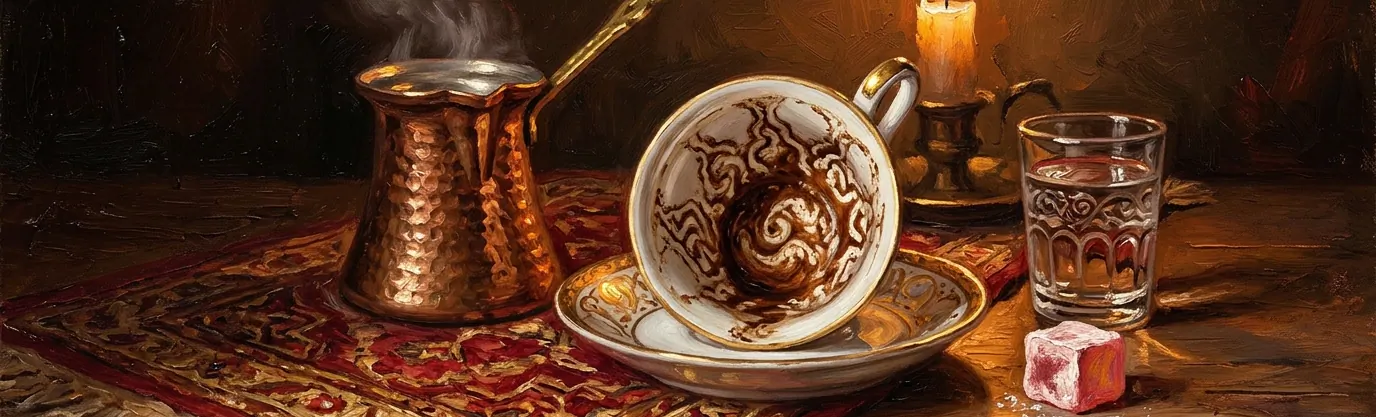
13.What fortune-telling art uses grounds left behind in a Turkish coffee cup?
Correct Answer: A. Tasseography
Explanation: Across Turkey, Greece, and the broader Levant, drinking a cup of finely ground, unfiltered Turkish coffee is incomplete without the centuries-old cultural tradition of tasseography (from the French tasse, meaning cup). After savoring the rich, dark brew down to its muddy sludge, the drinker places the saucer over the cup and flips it upside down.
As the thick sediment cools and cascades down the porcelain curves, it dries into intricate swirls, abstract shapes, and shadowy figures. A seer or intuitive family elder then turns the cup upright to interpret the patterns, reading symbols like birds for incoming news, rings for impending weddings, or horses for travels.
The custom is so culturally significant that UNESCO inscribed Turkish coffee culture and tradition onto the Representative List of the Intangible Cultural Heritage of Humanity in 2013.
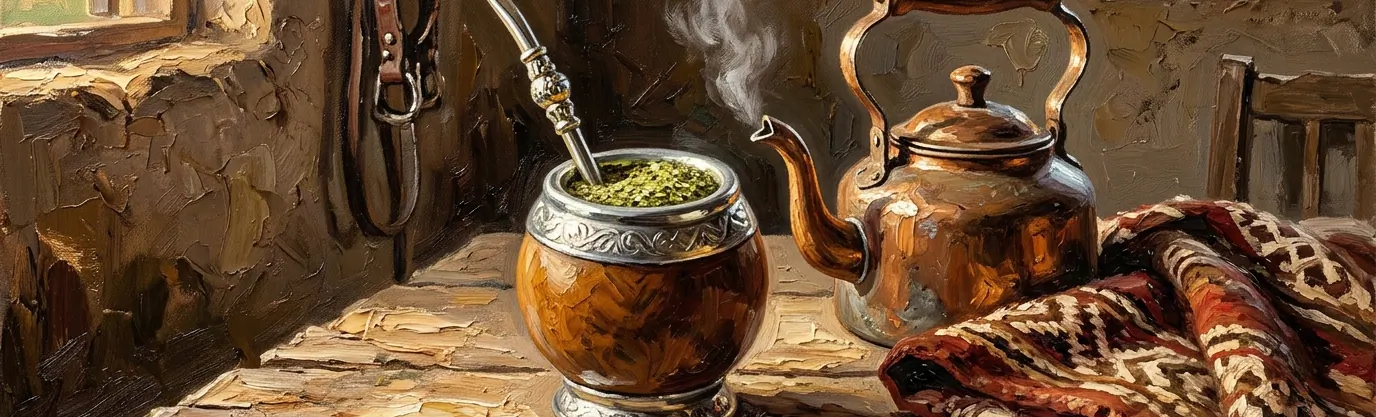
14.Which social faux pas should you never commit while drinking yerba mate?
Correct Answer: B. Stirring with the bombilla
Explanation: In Argentina, Uruguay, Paraguay, and southern Brazil, yerba mate is far more than an herbal stimulant—it is a communal ritual of friendship and social connection governed by strict, unwritten etiquette. The host, known as the cebador, prepares the hollowed gourd and passes it around a circle with a metal straw called a bombilla.
The most catastrophic rookie mistake any newcomer can make is using the bombilla like a spoon to stir the herbal leaves. Stirring clogs the tiny filtering perforations at the straw's base, floods your mouth with bitter green dust, and insults the host by implying they do not know how to pack a proper gourd.
Additionally, you only utter "gracias" when you are completely finished drinking and do not wish to be included in subsequent rounds; thanking the server after a single pour means you are opting out for the rest of the gathering.
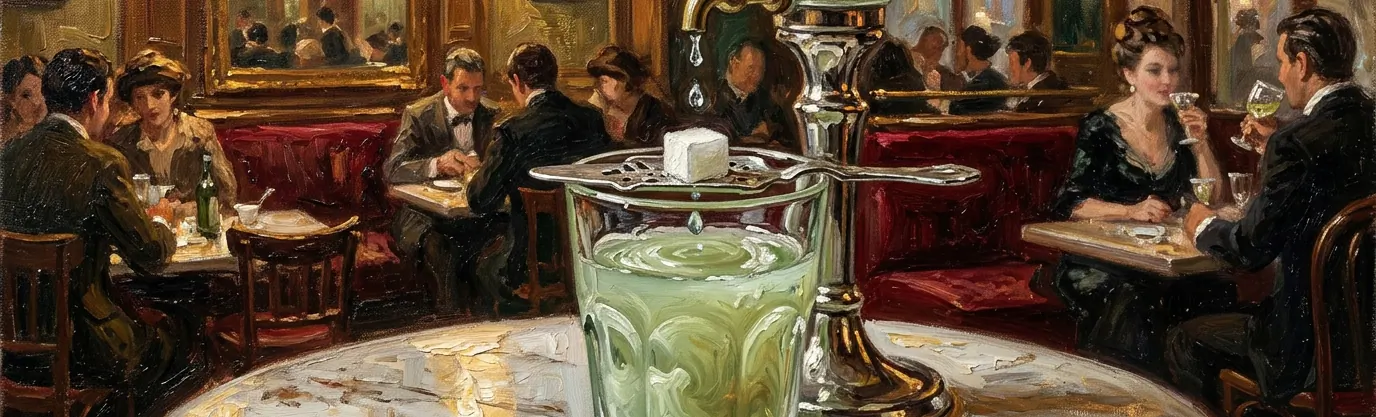
15.Adding cold water to anise-flavored absinthe creates what cloudy optical illusion?
Correct Answer: C. The louche effect
Explanation: During the Belle Époque in 19th-century Paris, artists, poets, and bohemian drinkers flocked to Parisian cafes at 5:00 PM for l'heure verte ("the green hour") to partake in absinthe. The emerald spirit, distilled from grand wormwood, green anise, and sweet fennel, undergoes a mesmerizing transformation when cold water is dripped over a perforated spoon holding a sugar cube.
Known scientifically as the "ouzo effect" or "louche" (from the French for opaque or turbid), the clear emerald liquid spontaneously transforms into a milky, opalescent green cloud. This occurs because essential herbal oils, particularly anethole, are highly soluble in high-proof alcohol but completely insoluble in water.
As the alcohol is diluted below approximately 30 percent ABV, the essential oils spontaneously precipitate out into millions of microscopic oil droplets that disperse throughout the water, scattering light in all directions without separating.
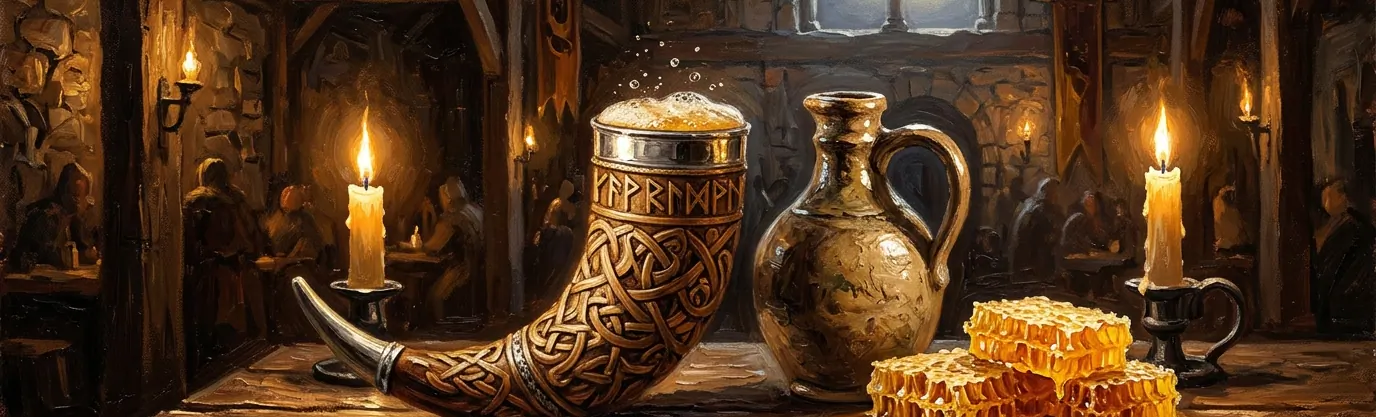
16.Which ancient fermented honey drink inspired the newlywed romantic phrase 'honeymoon'?
Correct Answer: D. Mead
Explanation: Widely regarded by archaeologists as humanity's oldest fermented alcoholic beverage, mead—produced simply by fermenting honey mixed with water and wild yeasts—predates both agriculture and grape winemaking, with evidence dating back nearly 9,000 years to Neolithic China and ancient Europe.
In medieval Europe and ancient Nordic traditions, a bride's family was customary expected to gift the newly married couple enough honey mead to last through one full lunar cycle (a month) after the wedding. Ancient folklore held that daily mead consumption boosted virility, fertility, and marital harmony.
Because the romantic getaway spanned one full cycle of the moon fueled by sweet honey wine, the post-wedding retreat came to be known as the "honey-moon," a term that has survived into modern wedding traditions around the globe.
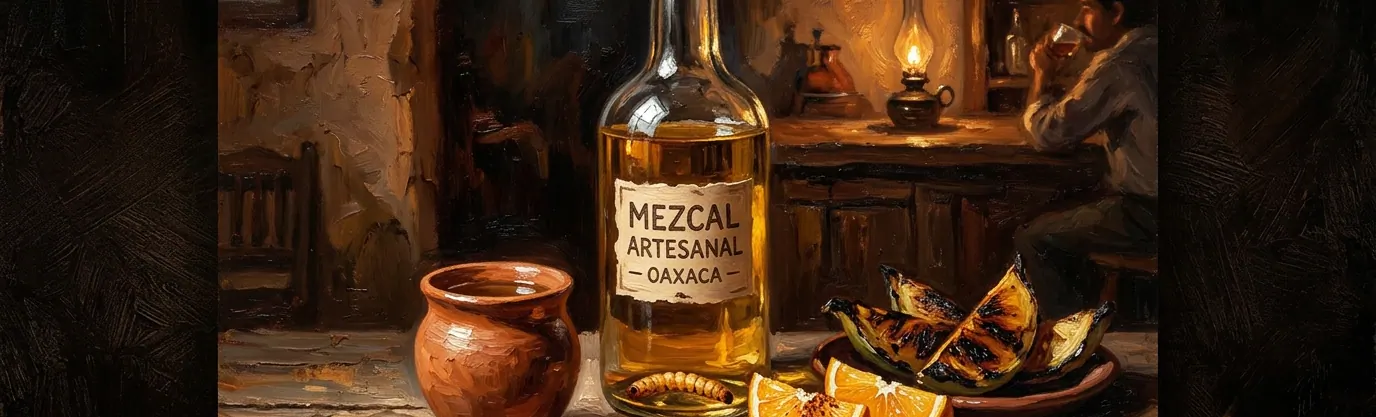
17.Why was a preserved moth larva originally added inside Mexican mezcal bottles?
Correct Answer: A. Clever 1940s marketing gimmick
Explanation: One of the most persistent myths surrounding Mexican spirits is that authentic, high-end mezcal or tequila must contain a dead worm at the bottom of the bottle. In truth, the worm—actually the caterpillar larva of the moth Hypopta agavis, known locally as the gusano del maguey—has no roots in ancient pre-Hispanic traditions.
In 1950, an entrepreneurial Mexico City distiller named Jacobo Lozano Páez discovered that larvae infesting agave hearts altered the spirit's flavor profile. Sensing a brilliant promotional angle for tourists and foreign markets, he dropped a preserved gusano into bottles of his brand, Mezcal Con Gusano, claiming it proved the spirit was pure and potent enough to pickle the creature.
The gimmick was an unprecedented international marketing triumph that cemented mezcal's gritty bohemian reputation abroad, although high-end artisanal mezcaleros today generally avoid the larva to showcase the pure, smoky agave terroir.

18.What fresh agricultural ingredient provides the base spirit for Brazil's caipirinha?
Correct Answer: B. Raw sugarcane juice
Explanation: The Caipirinha is Brazil's beloved national cocktail, celebrated in beachside kiosks from Rio de Janeiro to Salvador. The refreshing drink is mixed by muddling fresh lime wedges with sugar, ice, and generous pours of cachaça, Brazil's signature distilled liquor.
While many outside South America mistake cachaça for standard white rum, Brazilian law and distillation tradition enforce a crucial difference: rum is typically distilled from cooked sugarcane byproduct (molasses), whereas authentic cachaça must be distilled directly from fresh, raw, unrefined sugarcane juice.
This direct sugarcane fermentation imparts grassy, floral, and vegetal flavor notes that make cachaça distinctly vibrant, pairing perfectly with the tartness of macerated lime and sweet cane sugar.
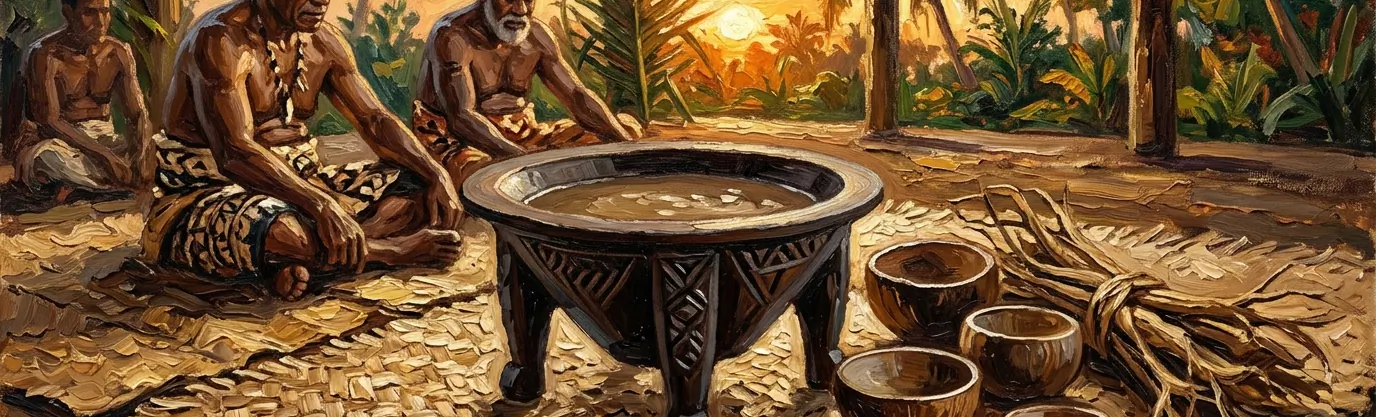
19.South Pacific communities brew relaxing kava beverages from which plant part?
Correct Answer: C. Ground root system
Explanation: Across the islands of Fiji, Vanuatu, Tonga, and Samoa, kava (Piper methysticum) holds deep ceremonial, spiritual, and social importance. The beverage is prepared by pounding the dried, fibrous root system of the kava shrub into a fine powder and straining it through cloth with cold water into a traditional wooden tanoa bowl.
The resulting liquid looks like muddy river water and carries an earthy, peppery taste. Pharmacologically, kava contains active compounds called kavalactones, which interact with GABA receptors in the human brain without impairing mental clarity.
Drinking a fresh bilo (coconut half-shell) of kava produces a pleasant, tingling numbness across the lips and tongue, followed by profound muscle relaxation, reduced anxiety, and a mellow sense of community harmony.
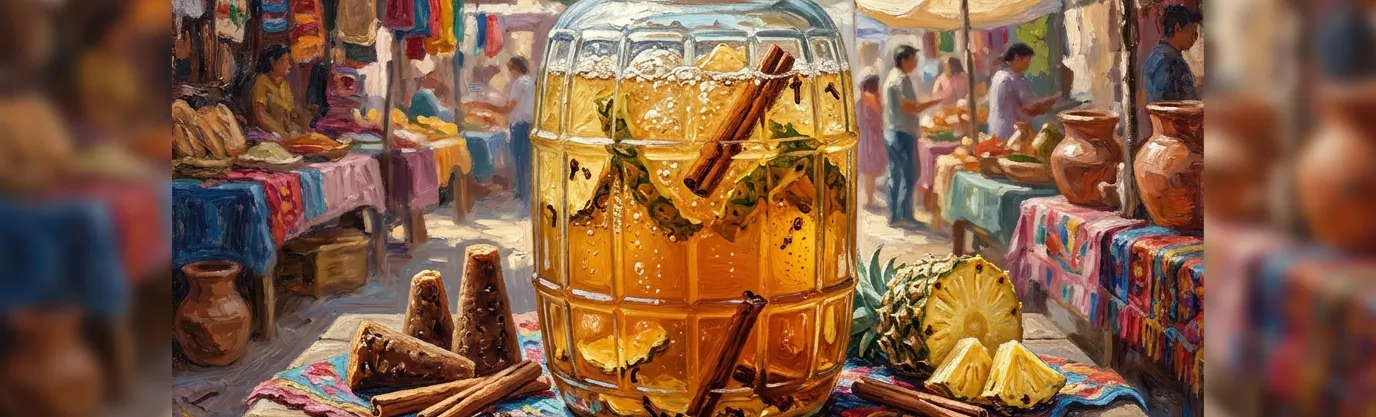
20.Mexican tepache is an effervescent street drink fermented from which kitchen scraps?
Correct Answer: D. Pineapple peelings
Explanation: Sold across Mexican street markets in clear plastic bags tied with a straw, tepache is a delightfully tart, fizzy, and refreshing fermented beverage with pre-Columbian roots. While ancient Nahuatl tribes originally made it from corn (tepiatl), the modern classic is brewed entirely from discarded pineapple skins and cores.
Home cooks and street vendors pack pineapple rinds into large glass vitroleros or wooden barrels along with water, cinnamon sticks, whole cloves, and dark, unrefined cane sugar known as piloncillo. Wild yeasts naturally living on the rough exterior of the pineapple skin immediately kickstart active fermentation.
Within two to three days in warm weather, the liquid becomes bubbly, lightly effervescent, and pleasantly tangy with negligible alcohol (usually under 2 percent), providing an ingenious zero-waste refreshment on scorching afternoons.
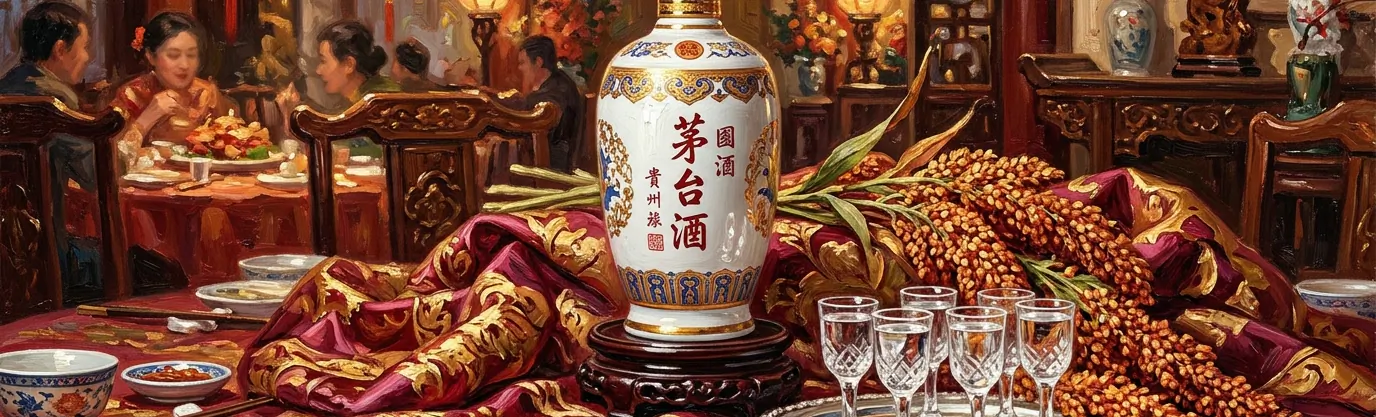
21.Which country produces baijiu, the most widely consumed liquor in the world?
Correct Answer: A. China
Explanation: Despite flying under the radar of many Western consumers, baijiu (literally "white liquor" in Mandarin) easily ranks as the most heavily consumed spirit category on Earth by sheer sales volume. Annually, Chinese distilleries produce over ten billion liters of the fiery, clear grain liquor.
Distilled predominantly from fermented sorghum grain (often combined with wheat, barley, or glutinous rice), baijiu utilizes a solid-state fermentation starter culture called qu. The spirit undergoes prolonged fermentation in subterranean mud pits or terra cotta vessels, producing intense aromatic esters categorized into aroma profiles like "sauce," "strong," "light," and "rice."
Baijiu is the mandatory centerpiece of Chinese business banquets, diplomatic summits, and weddings, where participants toast "Ganbei!" ("dry the cup") and down fiery neat shots that typically hover between 50 and 65 percent ABV.
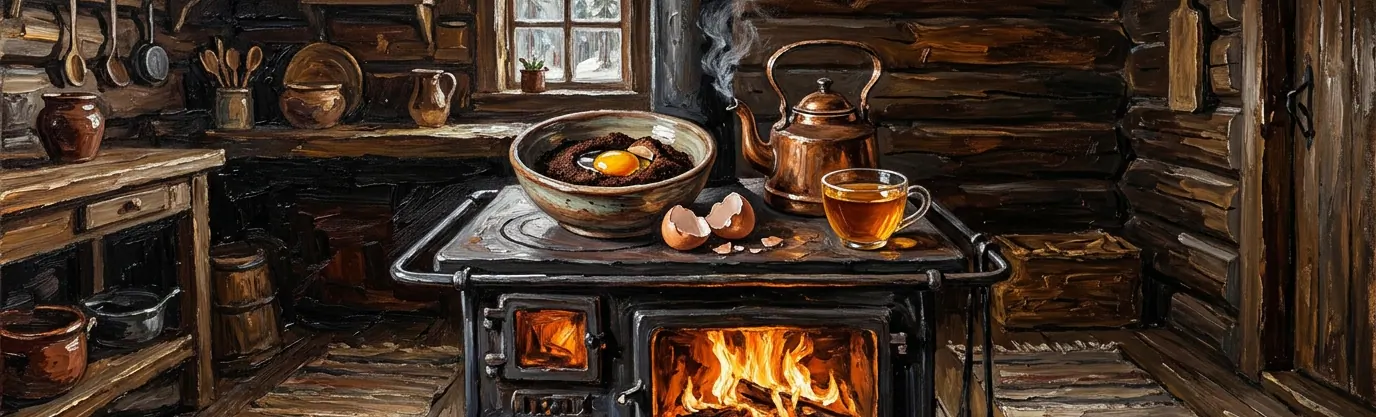
22.Why do Scandinavian traditionalists mix whole raw eggs into dry coffee grounds?
Correct Answer: B. Clarify grounds and tannins
Explanation: Tracing its heritage to 19th-century Sweden, Norway, and early Scandinavian immigrants in the American Upper Midwest, "Swedish Egg Coffee" (often served at Lutheran church basements) strikes newcomers as deeply bizarre: a whole raw egg, shell crushed and all, is thoroughly mashed into dry coffee grounds before boiling in water.
Behind the culinary quirk lies pure food chemistry. Egg whites are packed with albumin proteins that rapidly bind to astringent, bitter polyphenols and free tannins as the water heats. Additionally, the coagulating egg proteins capture loose microscopic coffee silt like a biological filter net.
When a splash of ice-cold water is poured into the pot at the end of the boil, the egg-and-coffee coagulate plunges straight to the bottom. The resulting pour is an astonishingly clear, amber-golden cup with virtually zero bitterness, a velvety texture, and no acidic bite.

23.Where was authentic Irish coffee first whipped up for frozen airline passengers?
Correct Answer: C. Foynes flying boat terminal
Explanation: During the 1930s and 1940s, before modern long-range jet airliners, transatlantic flights between the United States and Europe were conducted by massive Pan Am and BOAC "flying boats" that landed on water at Foynes, a small coastal port on the Shannon Estuary in County Limerick, Ireland.
On a freezing, stormy winter night in 1943, an American passenger flight had to turn back halfway across the Atlantic. Chef Joe Sheridan, head of the airport restaurant, was asked to prepare warm food and drinks for the exhausted, chilled-to-the-bone travelers.
Sheridan brewed rich dark coffee, stirred in brown sugar, splashed in generous shots of Irish whiskey, and gently floated chilled heavy cream across the top using the back of a spoon. When a delighted passenger asked if it was Brazilian coffee, Sheridan proudly replied: "No, that's Irish coffee!"
24.Spanish cava sparkling wine is primarily produced in which autonomous northeastern region?
Correct Answer: D. Catalonia
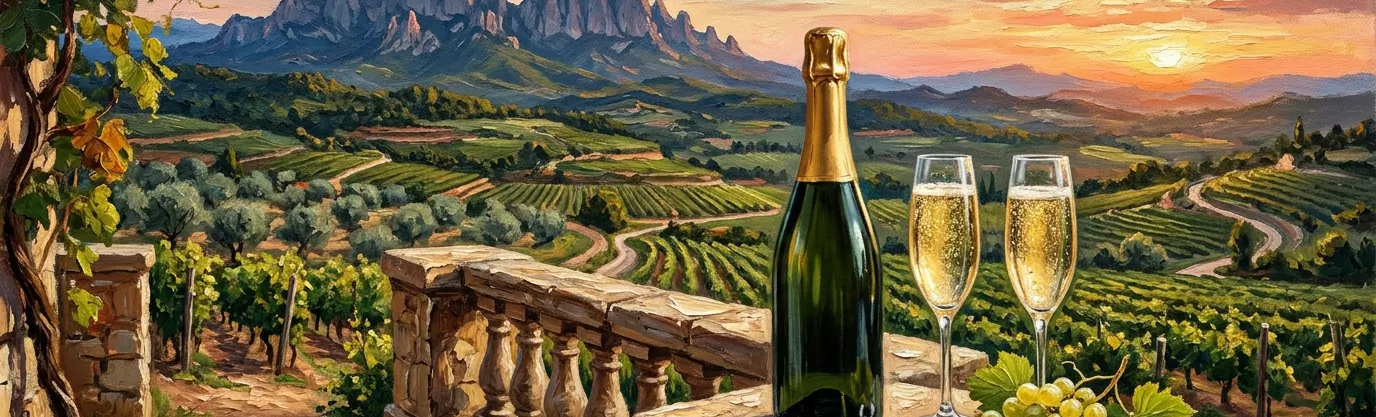
Explanation: Cava is Spain's world-famous sparkling wine, with over 95 percent of all bottles crafted in the Penedès region of Catalonia, just southwest of Barcelona. The name derives from the Catalan word cava, referring to the subterranean stone cellars where the bottles rest during aging.
Unlike Prosecco, which undergoes secondary fermentation in large pressurized steel tanks (the Charmat method), authentic Cava must be produced using the labor-intensive méthode traditionnelle—the exact same secondary bottle-fermentation technique used in French Champagne.
Catalan winemakers distinguish Cava by using indigenous white grape varieties: Macabeo (offering floral freshness), Xarel-lo (providing structure and acidity), and Parellada (adding delicate aromatic notes). The result is a crisp, bone-dry sparkler renowned for both elegance and exceptional value.
25.Traditional Slavic kvass is an ancient, refreshing brew fermented from what foodstuff?
Correct Answer: A. Stale dark rye bread
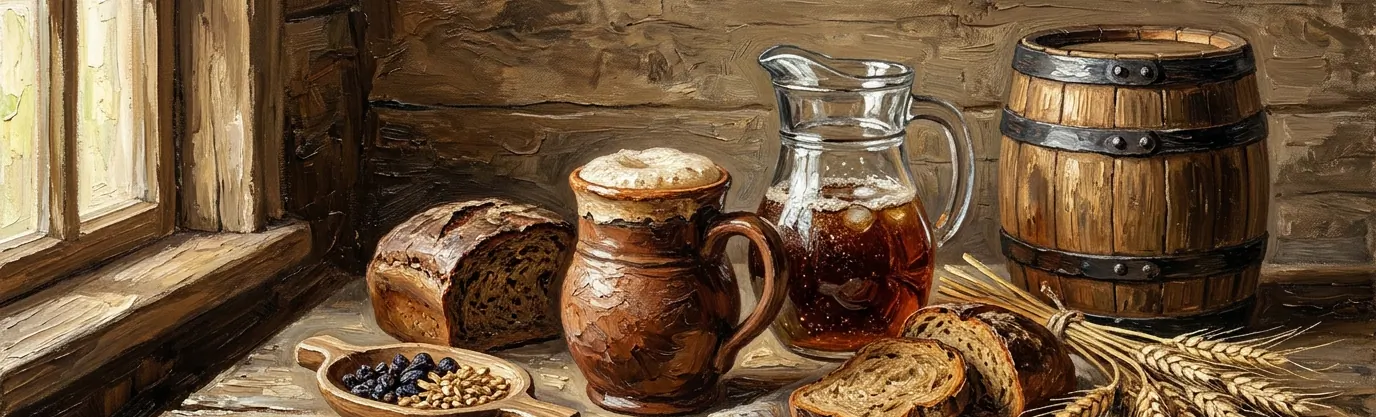
Explanation: Mentioned in ancient Slavic chronicles as far back as 989 AD, kvass is a quintessential traditional low-alcohol beverage across Ukraine, Poland, the Baltic states, and Russia. Historically, street vendors dispensed chilled kvass directly from bright yellow wheeled cistern barrels (tsisterny) on warm summer days.
The drink is concocted through a brilliant process of culinary upcycling: stale slices of dark sourdough rye bread (or rye malt) are baked until deeply toasted or slightly charred, soaked in boiling water, and fermented with sugar, yeast, and fresh mint leaves or raisins.
The combination of wild lactic acid fermentation and yeast activity creates a slightly effervescent, bittersweet brew with a bready, malty aroma and an ABV typically hovering below 1.5 percent, making it celebrated as a healthy, probiotic digestive tonic.

26.Thailand's ultra-luxurious Black Ivory coffee passes through which gentle giant's digestive tract?
Correct Answer: B. Asian elephant
Explanation: If you thought civet coffee was wild, Northern Thailand took animal-fermented luxury to monumental proportions with Black Ivory Coffee. Created in the Golden Triangle region, this ultra-rare delicacy commands upwards of $2,000 per kilogram, making it one of the rarest commercial beverages in existence.
High-altitude Thai Arabica coffee cherries are mixed with sweet fruit snacks such as bananas and sugarcane and fed to rescued Asian elephants at an ethical conservation sanctuary. As the cherries journey through the elephant's massive digestive system over 15 to 70 hours, the herbivorous stomach enzymes thoroughly break down coffee proteins.
Because protein is the primary contributor to bitterness in roasted coffee, the elephant's gut effectively strips away all harsh astringency, yielding notes of dark chocolate, malt, and red berries without a hint of bitterness. Roughly 33 kilograms of cherries must be ingested to recover a single kilogram of whole beans.
27.Why do cocktail bartenders wipe coarse salt along the rim of glasses?
Correct Answer: C. Suppresses bitterness, enhances sweet
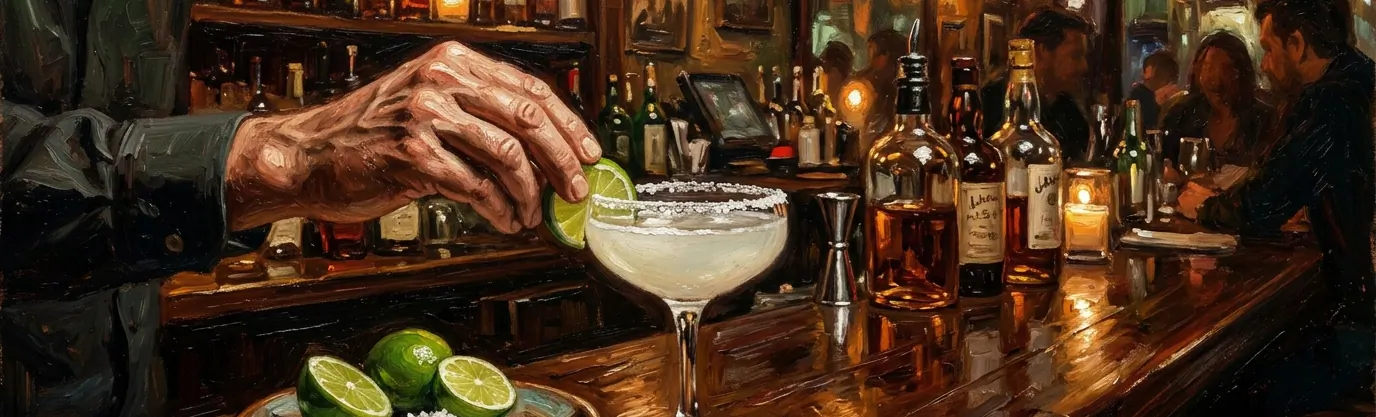
Explanation: From the classic Tequila Margarita to the Salty Dog (grapefruit juice and gin/vodka), dipping glassware in coarse salt is one of the most iconic moves in mixology. While many bar-goers assume it is simply decorative garnish, it is grounded in sensory gastronomy and neurobiology.
Sodium ions on the tongue selectively bind to and inhibit the receptor mechanisms responsible for detecting bitterness. By suppressing the harsh bitter notes of high-proof spirits and citrus oils, salt trick the palate into perceiving surrounding fruit flavors and sweet notes as far more vivid and round.
Additionally, salt stimulates salivary glands, coating the tongue and tempering the astringent bite of citric acid and alcohol burn. Good bartenders leave half the rim untouched, allowing guests to calibrate each sip to their personal taste.
28.Authentic historic horchata from Valencia, Spain is prepared using which plant tuber?
Correct Answer: D. Chufa tiger nut
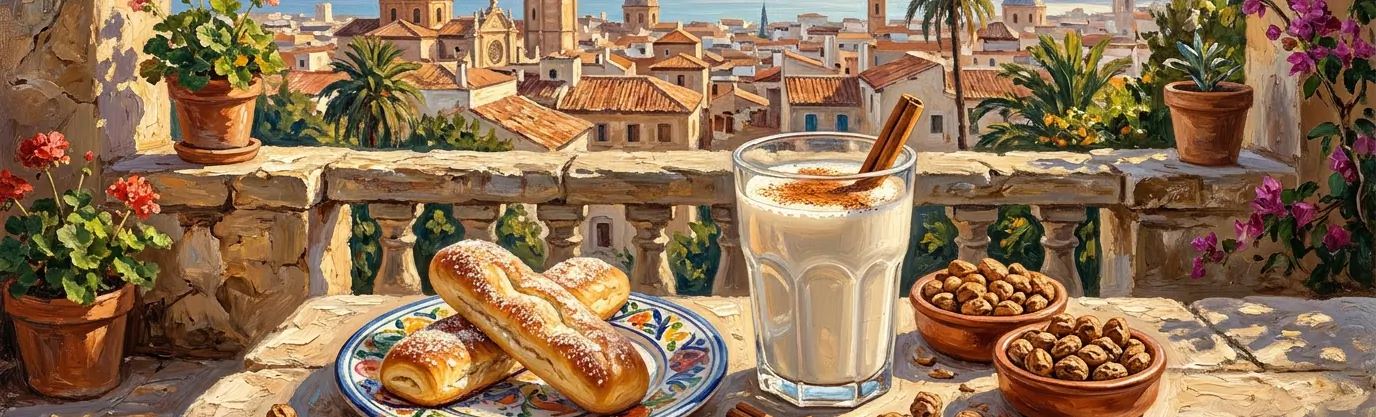
Explanation: While diners in Mexico and the Americas are accustomed to creamy horchata made by steeping rice, cinnamon, and condensed milk, the original Mediterranean ancestor—Horchata de Chufa—is entirely distinct and legally protected by a Valencian Denomination of Origin in Spain.
Dating back to the Muslim rule of the Iberian Peninsula in the 8th century, Moors introduced the cultivation of chufa (Cyperus esculentus), a small nutrient-dense root tuber known in English as the tiger nut. The tubers are washed, ground, macerated in fresh water, and filtered into a silky, nutty, naturally sweet ivory drink.
Served ice-cold in Valencian horchaterías alongside fartons—soft, elongated, sugar-glazed pastries designed specifically for dunking into the cold horchata—the drink is naturally lactose-free, nutty, and wonderfully refreshing.
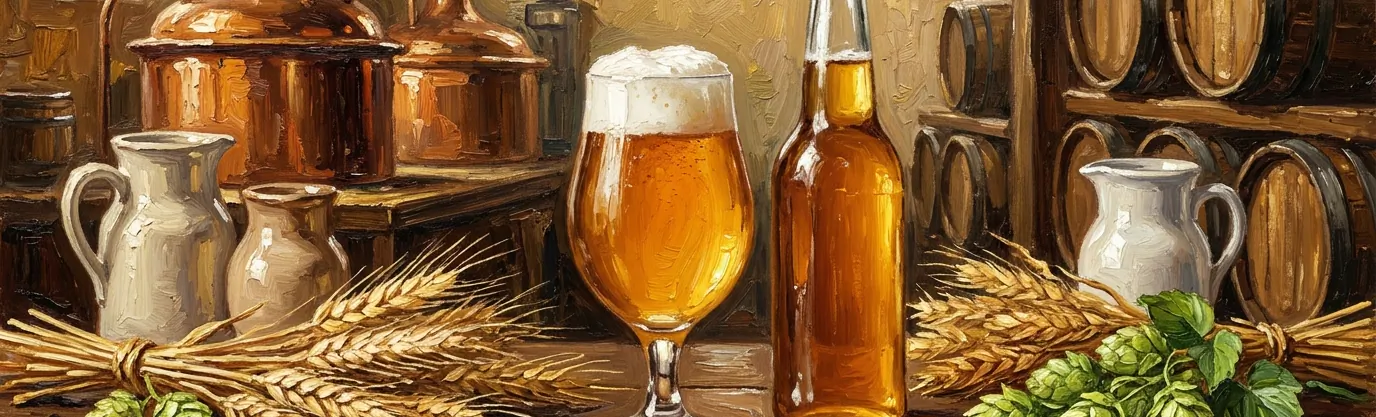
29.Japanese brewers in Hokkaido created Bilk by blending beer with what liquid?
Correct Answer: A. Surplus cow milk
Explanation: In 2007 on Japan's northern island of Hokkaido, dairy farmers found themselves grappling with an enormous economic crisis: dropping domestic milk consumption led to catastrophic regional surpluses, with thousands of tons of fresh milk destined to be dumped down the drain.
A dairy farmer's son brought the crisis to the Abashiri Brewery, a craft brewhouse renowned for eccentric local beers. Because milk has a low boiling point and high starch/protein content, standard brewing yeasts struggled with curdling. Master brewers developed a specialized brewing process using warm air currents to maintain steady fermentation temperatures.
Brewed from approximately 30 percent fresh cow's milk combined with hops and subtle fruity notes, the resulting beverage was playfully christened "Bilk" (Beer + Milk). Despite its unsettling name, the drink poured a delicate pinkish-amber with a sweet, creamy flavor reminiscent of milky fruit tea.

30.What ominous apocalyptic moniker do Icelanders use for their caraway-flavored Brennivín spirit?
Correct Answer: B. The Black Death
Explanation: Brennivín is Iceland's signature spirit, a clear, unsweetened aquavit distilled from fermented potato mash or grain and flavored with caraway seeds and wild angelica. It is the traditional companion shot used to wash down hákarl (fermented Greenland shark meat) during the midwinter feast of Þorrablót.
The spirit earned its terrifying nickname, "Svarti Dauði" ("The Black Death"), due to a historic government marketing maneuver. When Iceland ended total alcohol prohibition in 1935, the state-run liquor monopoly (ÁTVR) placed a stark, ominous black label bearing a plain white skull and crossbones on every bottle to discourage public consumption.
Rather than deterring drinkers, the sinister black design instantly became a beloved badge of honor and cultural rebellion. Today, Brennivín's minimalist black label remains an internationally recognized icon of Icelandic resilience.
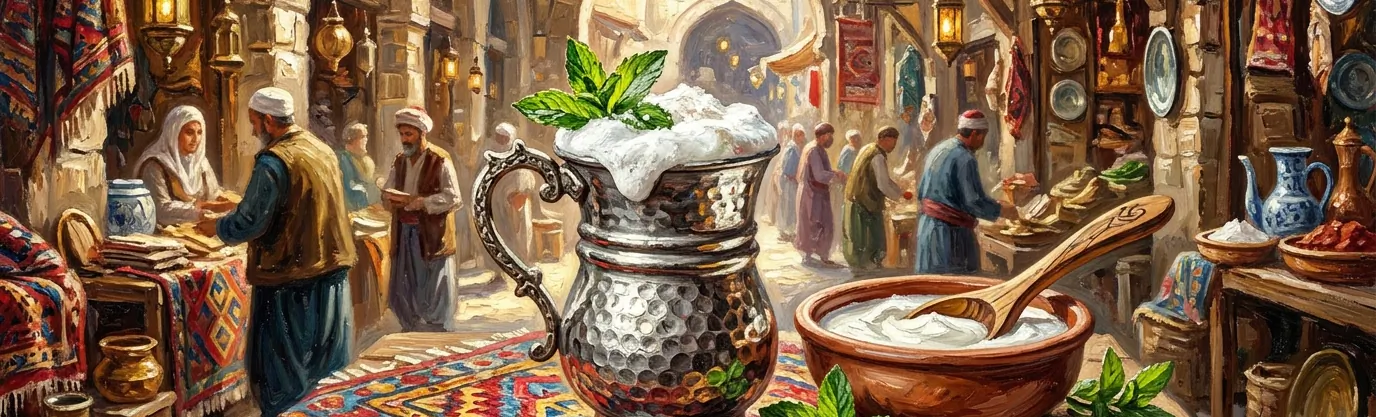
31.Which staple dairy drink pairs salty yogurt with cold water across Turkey?
Correct Answer: C. Ayran
Explanation: If you sit down at any lokanta or kebab house in Turkey, you will inevitably be served a frothing copper mug of ayran. This simple, ancient concoction—prepared by whisking whole-milk sheep or cow yogurt with ice-cold spring water and a pinch of fine salt—is so popular that it is officially recognized as a Turkish national drink.
Ayran's appeal extends far beyond its thirst-quenching simplicity. In scorching summer temperatures, the sodium restores electrolytes lost through sweat, while the cool milk fats and natural acidity instantly coat the palate, neutralizing the tongue-scorching heat of spicy grilled meats and chili peppers.
Across Anatolia, authentic traditional village ayran is whipped vigorously in wooden churns called yayık until it develops a thick, frothy, billowing foam crown that clings to the drinker's upper lip.
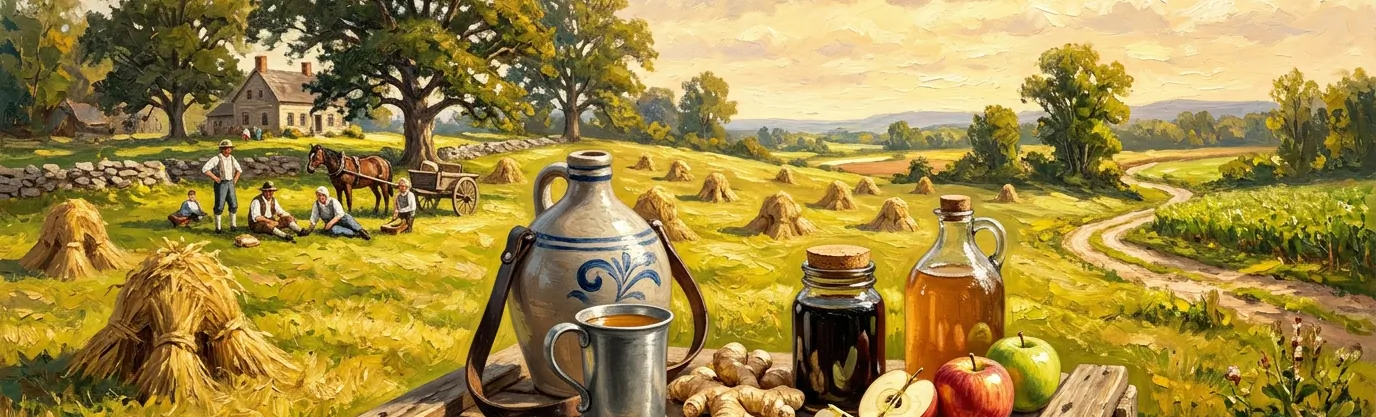
32.American colonial farmers drank switchel during summer harvests because of what ingredient?
Correct Answer: D. Raw apple cider vinegar
Explanation: Long before modern sports electrolyte drinks lined convenience store shelves, 18th and 19th-century American colonial farmers and laborers relied on switchel (affectionately dubbed "Haymaker's Punch") to survive grueling summer wheat and hay harvests.
The refreshing folk beverage was mixed in large wooden jugs using cool well water, raw apple cider vinegar, ground ginger, and local sweetener—molasses in New England, maple syrup in Vermont, or honey in the mid-Atlantic.
The drink served as an ingenious natural electrolyte booster: the potassium and trace minerals in dark molasses and raw vinegar restored muscular hydration, while the pungent heat of ginger stimulated internal circulation and settled upset stomachs caused by gulping ice-cold spring water under blazing sunshine.
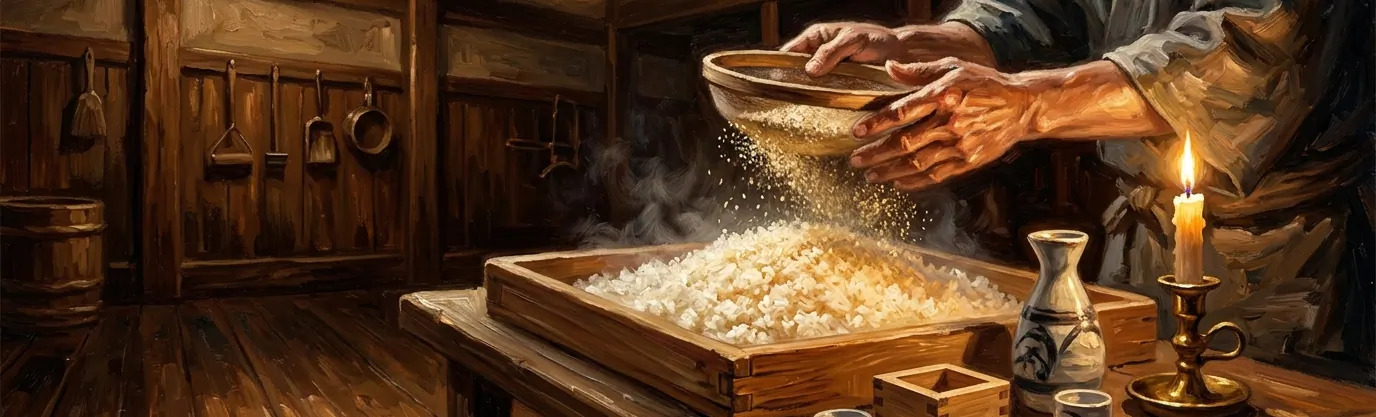
33.Which microscopic organism ferments polished rice starch into sugar during sake brewing?
Correct Answer: A. Koji mold (Aspergillus oryzae)
Explanation: Although commonly marketed outside Asia as "rice wine," traditional Japanese nihonshu (sake) is biochemically brewed much more like a beer than a wine. Because rice kernels contain zero fermentable simple sugars—only dense insoluble starches—brewers cannot simply add yeast as winemakers do with sugary grape juice.
To solve this, master brewers introduce koji-kin (Aspergillus oryzae), a specialized filamentous fungus cultivated onto steamed, polished rice. The koji mold secretes powerful amylase enzymes that continuously break down complex rice starches into glucose sugars.
In a magical process called "multiple parallel fermentation" (heikou fukuhakkou), koji converts starch into sugar in the very same tank and at the exact same time that sake yeast (Saccharomyces cerevisiae) ferments that fresh sugar into alcohol, producing alcohol levels reaching 20 percent without distillation.
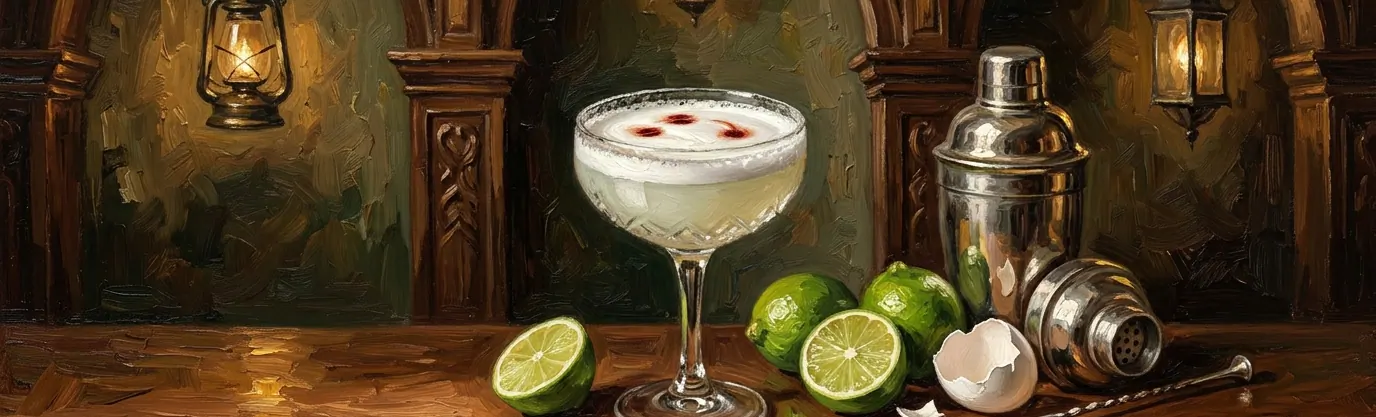
34.What frothy ingredient crowns a traditionally shaken Peruvian or Chilean Pisco Sour?
Correct Answer: B. Raw egg white
Explanation: The Pisco Sour is the celebrated national cocktail of both Peru and Chile, sparking a decades-long, passionately contested dispute over the historical ownership of pisco—an unaged clear grape brandy distilled from fermented wine must.
Invented in the early 1920s at the iconic Morris' Bar in Lima by American expatriate bartender Victor Morris, the classic cocktail combines aromatic pisco, freshly squeezed Key lime juice, and simple sugar syrup. The crucial culinary magic, however, comes from adding a raw egg white to the cocktail shaker.
When shaken vigorously through a "dry shake" (without ice) followed by an iced shake, the albumen proteins in the egg white unfold and trap air, creating a velvety, silken mouthfeel topped with a dense, cloud-like white meringue head. Three drops of Angostura bitters are dotted across the foam to mask any sulfurous egg aroma.

35.Red bush tea known as rooibos grows exclusively in which African mountain ecosystem?
Correct Answer: C. Cederberg region South Africa
Explanation: Celebrated globally for its rich amber color, natural honey-like sweetness, and complete absence of caffeine, rooibos (meaning "red bush" in Afrikaans) is derived from the needle-like leaves of Aspalathus linearis, a broom-like legume shrub.
Despite numerous attempts by agricultural botanists to cultivate rooibos in other parts of the world, the plant stubbornly refuses to thrive anywhere outside its microscopic native endemic habitat: the rugged, semi-arid Cederberg mountain range north of Cape Town, South Africa.
The plant requires the region's specific acidic, sandstone-derived soils, Mediterranean winter rainfall, and blistering, arid summer heat. Indigenous San and Khoikhoi peoples harvested the wild shrub for centuries, bruising the leaves with wooden mallets and letting them oxidize under the sun to develop their characteristic crimson hue.
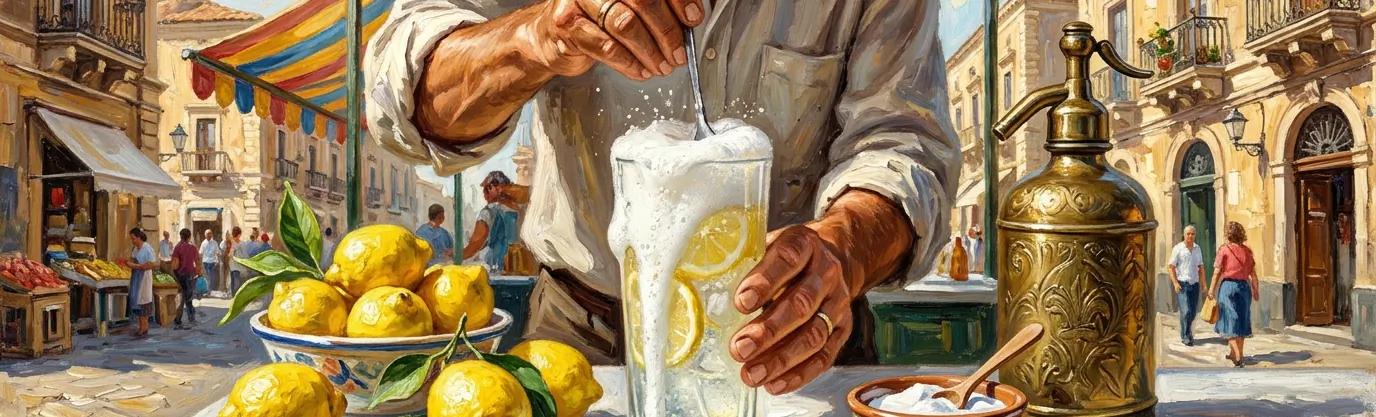
36.Sicily's famous autista digestif combines fresh lemon soda with what bubbling powder?
Correct Answer: D. Sodium bicarbonate baking soda
Explanation: If you gorge yourself on rich arancini and pasta across the bustling street kiosks (chioschi) of Catania, Sicily, the kiosk attendant will inevitably offer you an autista (literally the "driver's drink"). It is not intended to get you tipsy, but rather to rescue you from impending culinary collapse.
The preparer squeezes fresh Sicilian lemon juice into a glass of ice-cold seltz (carbonated water), adds a pinch of salt, and dumps in a heaping spoonful of sodium bicarbonate (baking soda). The chemical reaction is instantaneous and violent, causing the glass to erupt like Mount Etna.
The customer is strictly commanded to chug the volcanic mixture while it is still overflowing the rim. Inside the stomach, the alkaline bicarbonate instantly neutralizes excess hydrochloric acid, producing an earth-shattering, thunderous burp that relieves fullness and indigestion within seconds.

37.How fast can an uncorked Champagne stopper explode from a pressurized bottle?
Correct Answer: B. Up to 50 mph
Explanation: Inside a standard chilled bottle of Champagne or sparkling wine, the pressure generated by dissolved carbon dioxide hovers between 70 and 90 pounds per square inch (psi)—nearly three times the air pressure found inside a standard automobile tire!
German physicist Friedrich Balck of Clausthal University of Technology used photoelectric beams and acoustic measuring instruments to calculate the ballistic speed of escaping Champagne corks. His experiments demonstrated that an vigorously shaken bottle can propel a cork at up to 40 kilometers per hour (25 mph), with warm, shaken bottles reaching projectile velocities approaching 80 km/h (50 mph).
Because a flying cork can cross a typical living room in less than a tenth of a second, ophthalmologists warn that uncorked stoppers are a leading cause of holiday eye injuries, which is why sommeliers always keep a firm thumb over the cork while untwisting the wire cage.