
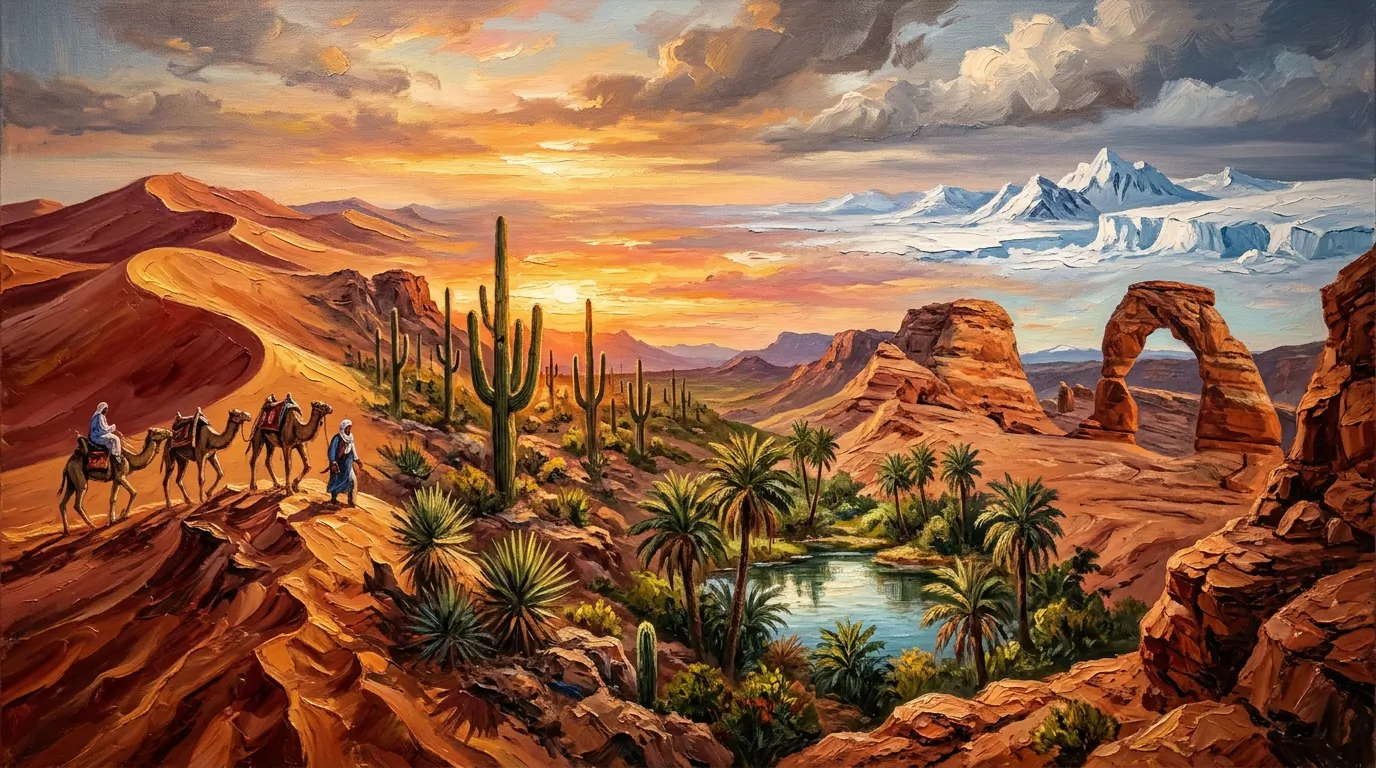
Deserts Trivia: Can You Survive These Scorching Facts?
Forget picturing endless empty sand—explore 37 wild stories behind ice-pushed sailing boulders, booming sand dunes, meteorite glass scarabs, and the planet's most extreme deserts.
Most desert quizzes put you to sleep asking which African desert is hot and sandy. The real world of Earth's deserts is packed with mind-bending surprises: the largest desert on the planet is actually frozen Antarctica, only about a quarter of the Sahara is covered in sand dunes, and every year winds blow 182 million tons of Saharan dust across the Atlantic Ocean to fertilize the Amazon rainforest.
From Death Valley's 700-pound 'sailing stones' pushed across mud by windowpane ice and the Sahara's loneliest tree knocked down by a truck driver to lizards that drink morning dew through their feet, test your knowledge with 37 short, punchy, and verified Deserts Trivia Questions & Answers below!
1.Which frozen continent is actually the largest desert on planet Earth?
Show Answer & Explanation
Correct Answer: C. Antarctica
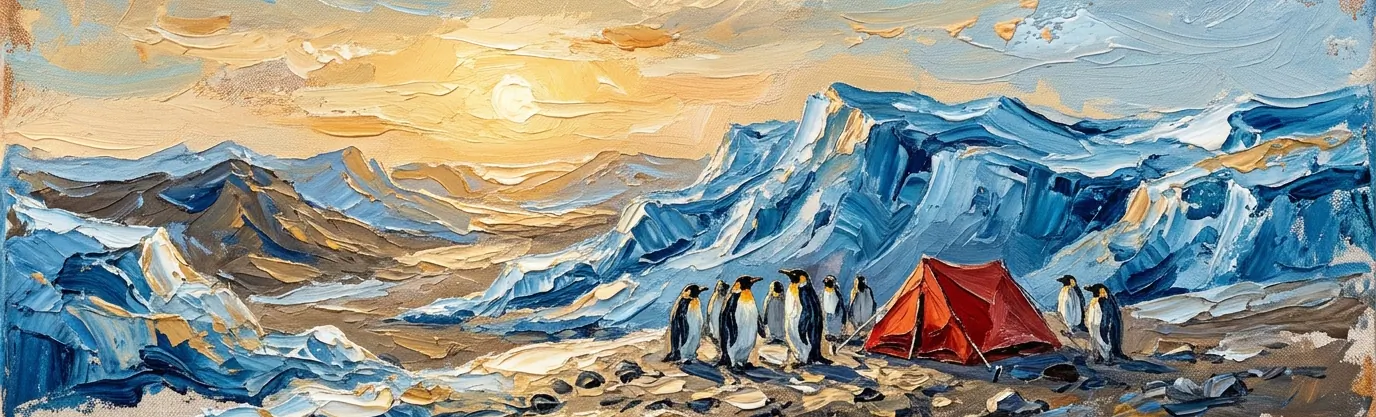
Explanation: Ask someone to picture a desert and they immediately think of scorching sun, undulating orange sand dunes, and camels. To meteorologists and geographers, however, temperature has nothing to do with it: a desert is defined strictly as any landscape that receives less than 10 inches (250 millimeters) of precipitation per year!
By that scientific definition, the Sahara (3.6 million square miles) is only the third-largest desert on Earth, behind the Arctic Polar Desert (5.4 million square miles) and the undisputed #1 champion: the Antarctic Polar Desert, spanning 5.5 million square miles (14.2 million square kilometers)!
Because freezing air holds almost zero moisture, the interior plateau of Antarctica receives less than two inches (50 millimeters) of snow-water equivalent per year—making the South Pole drier than most of the Sahara!
2.How does the bone-dry Sahara Desert keep South America's Amazon rainforest lush?
Show Answer & Explanation
Correct Answer: A. Blowing phosphorus dust across oceans
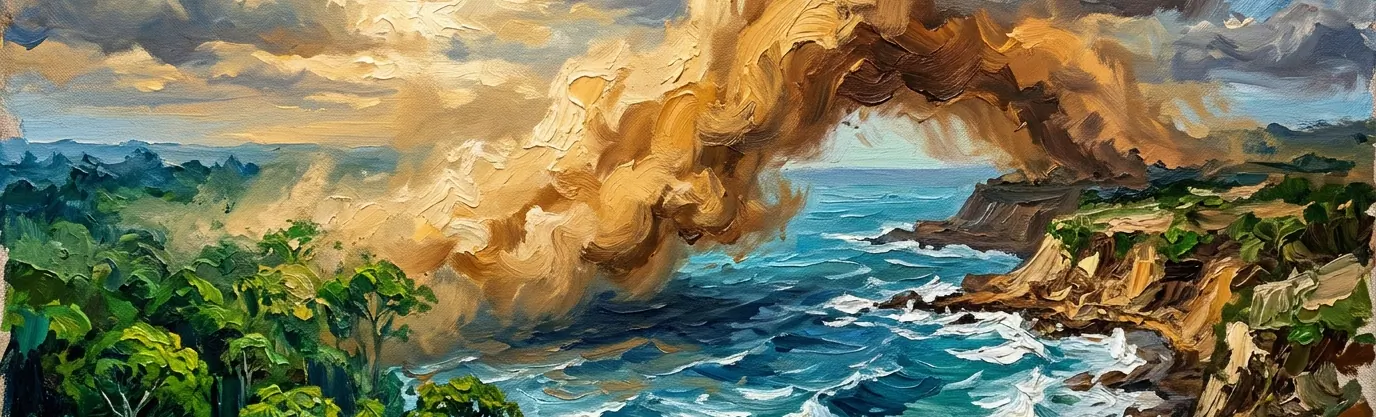
Explanation: It sounds like an ecological paradox that the world's largest hot desert is the life-support system for the world's largest tropical rainforest—yet NASA's CALIPSO satellite laser measurements proved that the Amazon depends on the Sahara for its survival!
Torrential daily rains in the Amazon basin constantly wash vital plant nutrients—especially phosphorus—out of the shallow jungle soil and carry them into the rivers. Without an outside fertilizer delivery, the Amazon rainforest would gradually starve.
Enter the Bodélé Depression in Chad: the dried-up bed of an ancient Saharan mega-lake packed with the mineral-rich skeletons of prehistoric freshwater microorganisms (*diatoms*). Every year, trade winds whip up 182 million tons of Saharan dust and blow it 3,000 miles across the Atlantic Ocean, dropping 22,000 tons of pure phosphorus fertilizer directly onto the Amazon canopy—matching the exact amount washed away by rain!
3.How do villages in Chile's rainless Atacama Desert harvest drinking water?
Show Answer & Explanation
Correct Answer: D. Catching coastal fog in nets
Explanation: Wedged between the snow-capped Andes mountains on the east and the cold Humboldt Current of the Pacific Ocean on the west, Chile's Atacama Desert sits inside a double "rain shadow" that makes it the driest non-polar desert on Earth—where some weather stations have gone 400 years without recording a single drop of rain!
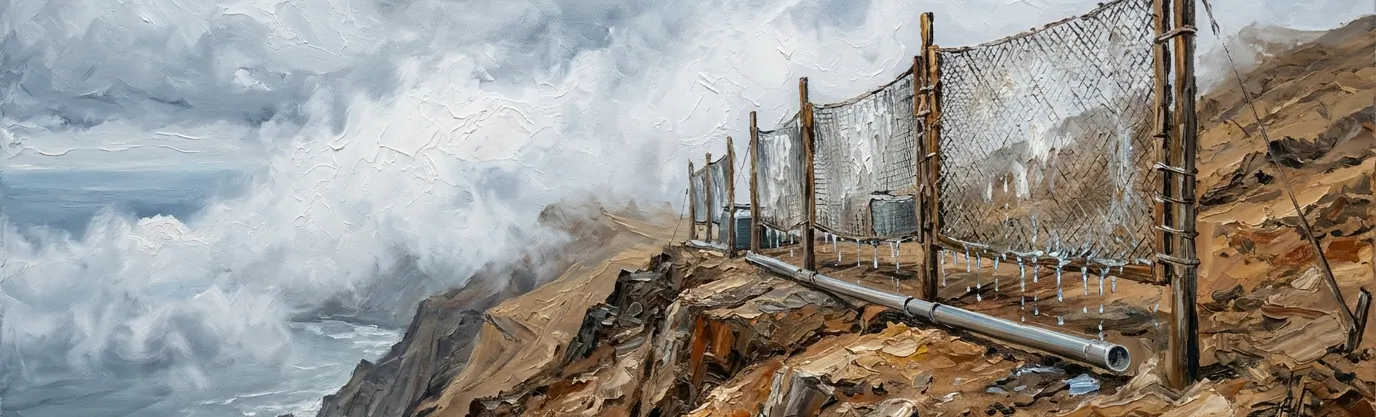
While rainclouds almost never form over the coast, the cold Pacific water creates a thick daily bank of low clouds and mist known locally as the *camanchaca* ("creeping fog") that rolls ashore against the coastal hills without ever turning into rain.
To quench their thirst, coastal Atacama communities like Chungungo string up giant volleyball-net-sized panels of fine polypropylene mesh called *atrapanieblas* ("fog catchers") across the mountain ridges: as the wind pushes fog through the mesh, microscopic water droplets condense on the threads and trickle down into pipes—harvesting thousands of gallons of pure drinking water out of thin air!
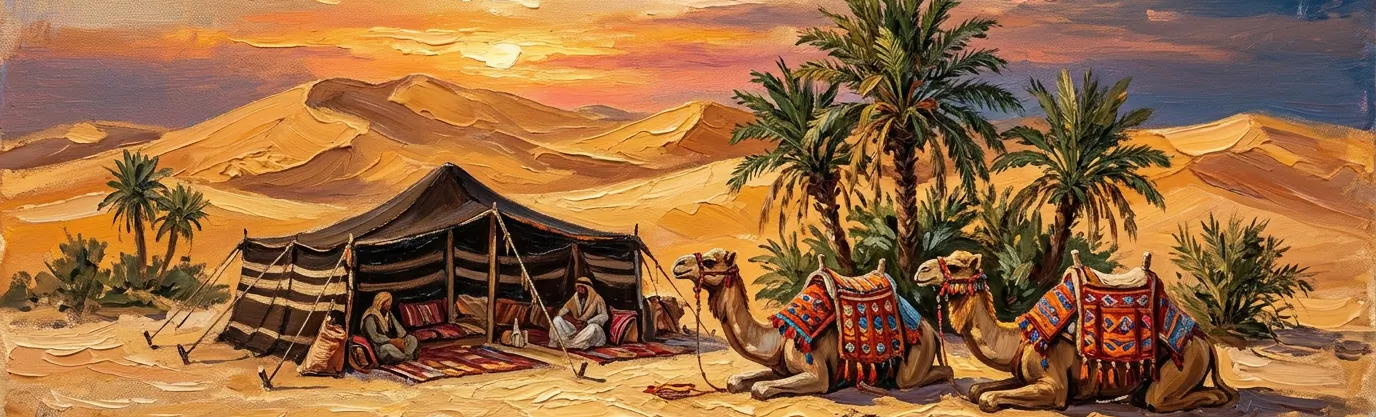
4.What is actually stored inside a desert camel's towering back hump?
Show Answer & Explanation
Correct Answer: B. Up to eighty pounds fat
Explanation: One of the oldest myths in natural history claims that a camel's hump is a biological canteen sloshing with extra water. In reality, a camel's hump (or two humps on a Central Asian Bactrian camel) contains zero liquid water—it is a solid mound of up to 80 pounds (36 kilograms) of concentrated fat tissue!
Why pack all its body fat into a single lump on its back instead of spreading a layer of fat underneath its skin the way pigs, whales, and humans do? Because fat is a powerful thermal insulator! By concentrating all its fat in one hump on top of its back (where it also shields the camel from the overhead sun), the rest of the camel's body stays uninsulated so excess body heat can escape freely through its skin!
A camel's real water tricks happen in its bloodstream and nose: its red blood cells are uniquely oval-shaped (rather than round like other mammals') so they can keep flowing smoothly through narrow capillaries even when the blood turns thick and syrupy from extreme dehydration!
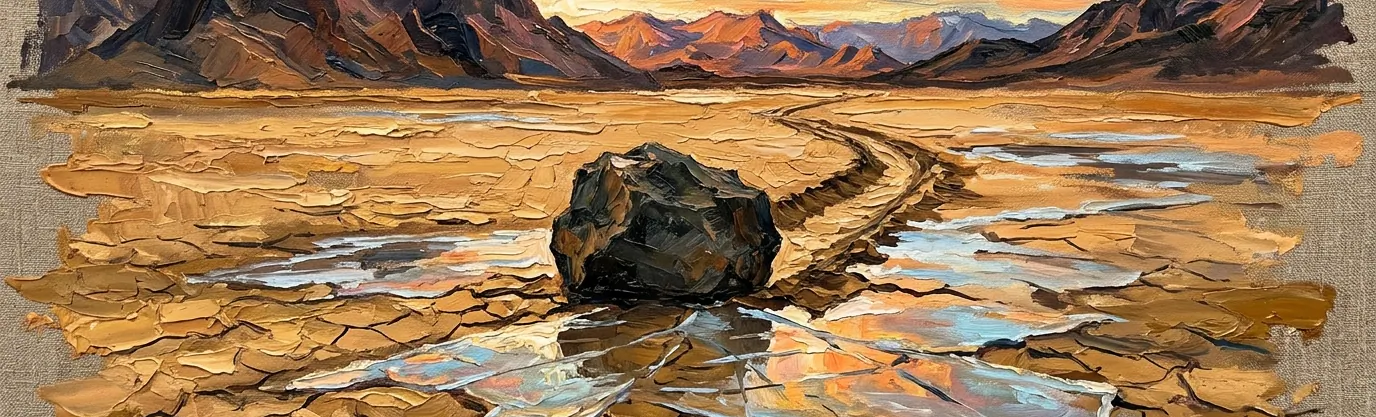
5.What moves 700-pound boulders across Death Valley's flat Racetrack Playa floor?
Show Answer & Explanation
Correct Answer: A. Thin windowpane ice pushed by wind
Explanation: For nearly a century, visitors to Racetrack Playa—a flat, bone-dry lakebed in California's Death Valley National Park—were baffled by hundreds of heavy dolomite boulders (some weighing up to 700 pounds) resting at the ends of long, grooved tracks plowed hundreds of feet across the dried mud, even though nobody had ever seen a rock move in person!
Theories ranged from hurricane-force dust devils and magnetic fields to sticky algal mats—until planetary scientist Richard Norris and his cousin James Norris fitted fifteen stones with motion-activated GPS trackers and set up time-lapse cameras in 2011.
On December 20, 2013, they caught more than sixty rocks sliding at once! After a rare winter rain left a three-inch pond that froze overnight into vast, floating sheets of windowpane-thin ice (just an eighth of an inch thick), the morning sun broke the ice into huge floating panels—and a gentle 10-mph breeze pushed the wide ice sheets against the boulders, shoving them across the slick mud at fifteen feet per minute!
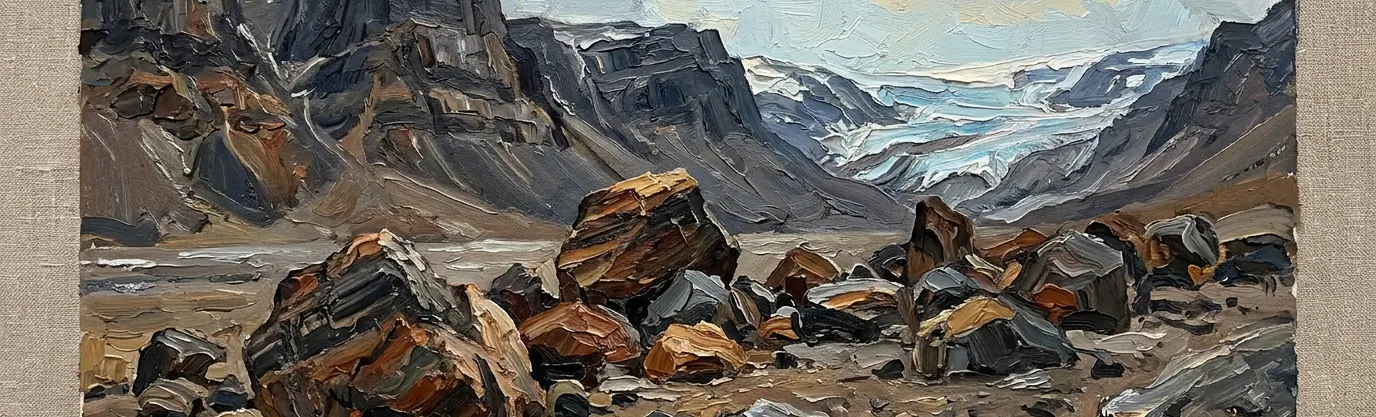
6.Where on Earth has zero rain fallen for nearly two million years?
Show Answer & Explanation
Correct Answer: C. Antarctica's McMurdo Dry Valleys
Explanation: Although 98% of Antarctica is buried under a mile-thick sheet of ice, a 1,900-square-mile region next to McMurdo Sound looks like bare brown Mars on Earth: the McMurdo Dry Valleys, the largest ice-free area on the continent and the single driest place on planet Earth!
Geological dating of untouched volcanic ash layers shows that parts of the McMurdo Dry Valleys have not seen liquid rain for nearly **two million years**—and even the tiny dustings of snow that blow in vanish before they can melt!
What keeps the valleys completely free of snow and ice? Towering mountains block the inland East Antarctic Ice Sheet from flowing into the valleys, while ferocious *katabatic* winds—gravity-driven cold air masses weighing so much they roar down the mountain slopes at up to 200 miles per hour (320 km/h)—warm up by compression as they descend and instantly vaporize every trace of water, ice, and snow!
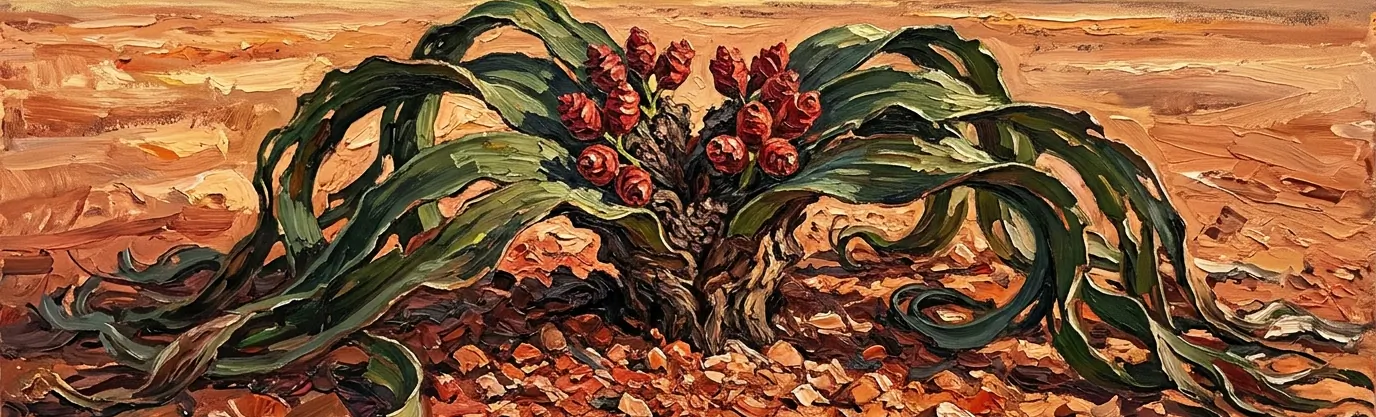
7.How many leaves does the Namib Desert's 2,000-year-old Welwitschia plant ever grow?
Show Answer & Explanation
Correct Answer: B. Just two leaves forever
Explanation: Found nowhere else on Earth except the coastal fog belt of the Namib Desert in Namibia and southern Angola, *Welwitschia mirabilis* (called *onyanga*—"onion of the desert"—in Herero) looks like a giant tangled octopus of dozens of ragged green straps sprawling across the red gravel.
Look closely at the low, woody trunk of even a 2,000-year-old specimen, however, and you will discover an astonishing botanical secret: the entire plant has only **two leaves**!
Shortly after sprouting from a seed, the seedling grows two opposite permanent leaves that never fall off for the rest of the plant's two-thousand-year life! Growing continuously from a basal growth zone at the rate of about six inches a year like a pair of green fingernails, those two strap-like leaves get whipped and split lengthwise by desert sandstorms into ribbons that absorb coastal ocean fog through millions of microscopic pores!
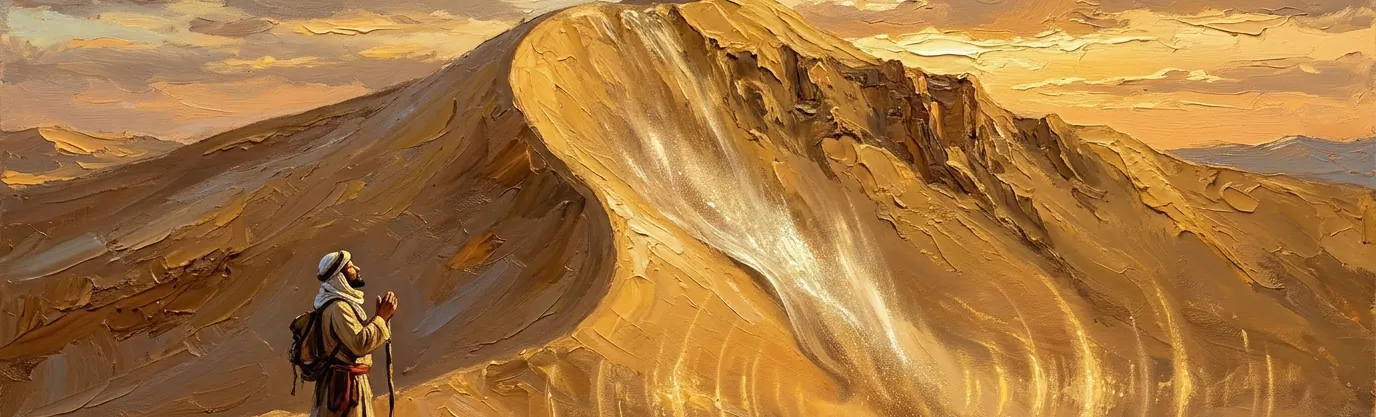
8.What causes thirty-five deserts worldwide to boom like giant bass cellos?
Show Answer & Explanation
Correct Answer: D. Avalanching uniform quartz sand grains
Explanation: When thirteenth-century Venetian merchant Marco Polo crossed China's Dunhuang desert on the Silk Road, he wrote that evil desert spirits filled the air with the deafening sound of drums and musical instruments whenever sand slid down the dunes—a phenomenon Charles Darwin also heard in Chile and called the "Roaring Mountain."
Today, physicists have documented around thirty-five "singing" or "booming" sand dunes across the globe (from California's Kelso Dunes and Qatar to the Sahara and Gobi) that emit a pure, low-frequency musical drone between 65 and 110 Hertz at volumes reaching 105 decibels—loud enough to vibrate the ground under your feet for minutes at a time!
The secret is synchronized grain collisions: when wind piles billions of bone-dry, smoothly polished silica sand grains of the exact same diameter (~0.2 millimeters) at the top of a 30-degree dune face, a miniature avalanche causes the falling sheet of grains to bounce over the stationary layer below at a single resonant acoustic frequency, turning the entire dune into a giant loudspeaker!
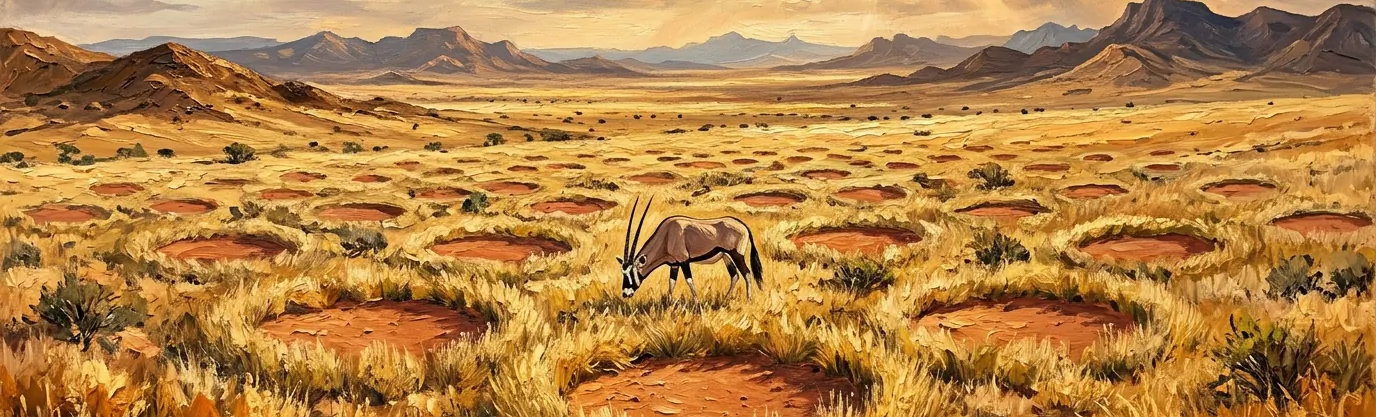
9.What creates the mysterious polka-dot 'fairy circles' across Namibia's desert grasslands?
Show Answer & Explanation
Correct Answer: A. Sand termites and thirsty grasses
Explanation: Fly over a 1,100-mile strip of arid grassland along the eastern edge of the Namib Desert (and parts of Western Australia's Pilbara), and the desert floor looks like a giant honeycomb of millions of bare, circular red-sand patches measuring six to forty feet across, each ringed by a lush halo of tall perennial grass!
Indigenous Himba pastoralists attributed these "fairy circles" to the footprints of the gods or the fiery breath of an underground dragon, while early tourists blamed UFOs or toxic *Euphorbia* bushes.
Decades of field experiments by ecologists Norbert Juergens and Stephan Getzin revealed a brilliant biological partnership of desert survival: colonies of sand termites (*Psammotermes allocerus*) clear the center circle of sprouting annual weeds so rare rainwater sinks deep into the porous sand without evaporating, while the surrounding ring of perennial grasses stretches its roots sideways into that central water reservoir—self-organizing into a geometric pattern that keeps both termites and grass alive through multi-year droughts!
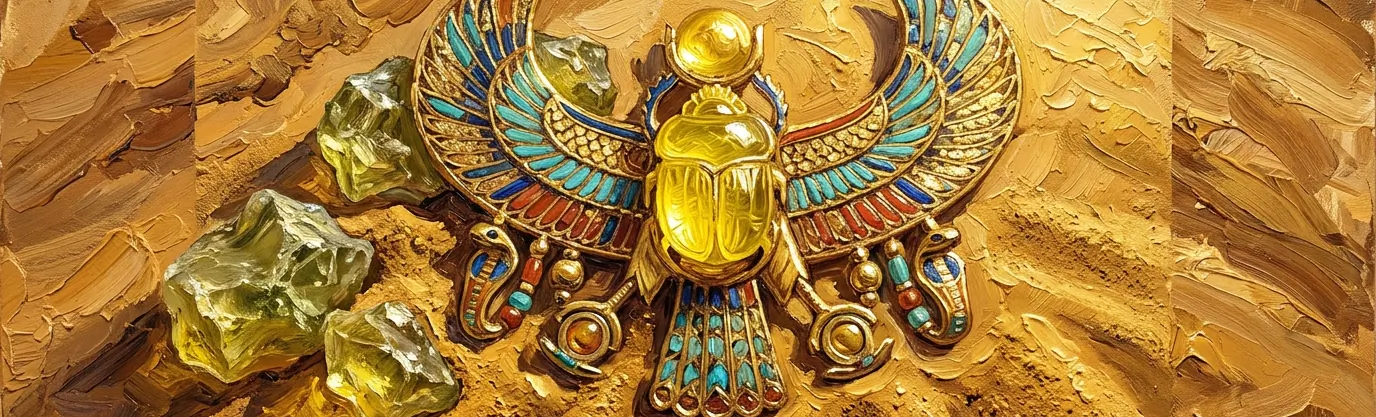
10.What forged the canary-yellow desert glass carved into King Tutankhamun's breastplate scarab?
Show Answer & Explanation
Correct Answer: C. A prehistoric meteorite fireball blast
Explanation: When British archaeologist Howard Carter opened the golden shrine of Pharaoh Tutankhamun in 1922, one of the most dazzling treasures resting on the boy king's chest was a gold and lapis-lazuli winged pectoral necklace centered on a translucent, glowing canary-yellow scarab beetle.
At first, Egyptologists assumed the yellow gemstone was a rare form of chalcedony quartz. Then in 1998, Italian mineralogist Vincenzo de Michele tested the scarab's refractive index and proved it was carved from **Libyan Desert Glass**—mysterious chunks of 98%-pure natural silica glass found scattered across a remote corridor of the Great Sand Sea along the Egypt–Libya border!
How did pure quartz sand melt into glass at $3,800^circ ext{F}$ ($2,100^circ ext{C}$—far hotter than any volcanic lava on Earth)? By analyzing microscopic shocked zirconia crystals (*reidite*) trapped inside the glass, planetary scientists proved that 29 million years ago, a giant asteroid or comet exploded or impacted over the Sahara, flash-melting the desert sand into cosmic glass!
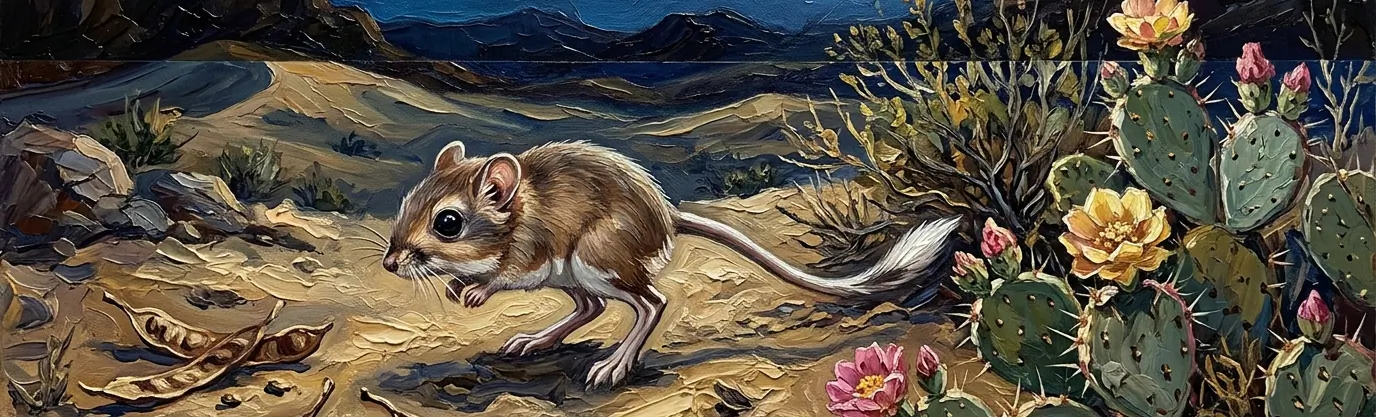
11.How long can a North American desert kangaroo rat live without drinking water?
Show Answer & Explanation
Correct Answer: B. Its entire multi-year life
Explanation: Camels get all the fame for going two weeks without a drink, but when it comes to true water conservation, the undisputed champion of the animal kingdom is a mouse-sized rodent hopping across the Mojave and Sonoran Deserts: the kangaroo rat (*Dipodomys*)!
A wild kangaroo rat can live its entire three-to-five-year lifespan without ever drinking a single drop of liquid water—in fact, if you offer a kangaroo rat a bowl of water in a laboratory, it often won't even recognize it as something to drink and will kick sand over it!
How does a warm-blooded mammal survive on zero drinking water? First, its body manufactures "metabolic water" chemically by breaking down the carbohydrates and fats inside dry mesquite and creosote seeds ($ ext{C}_6 ext{H}_{12} ext{O}_6 + 6 ext{O}_2 ightarrow 6 ext{CO}_2 + 6 ext{H}_2 ext{O}$), yielding half a gram of pure water for every gram of dry seeds eaten! Second, its kidneys are five times more powerful than human kidneys (producing crystal-thick urine), and its long, cool nasal passages condense and recycle moisture from every breath it exhales!
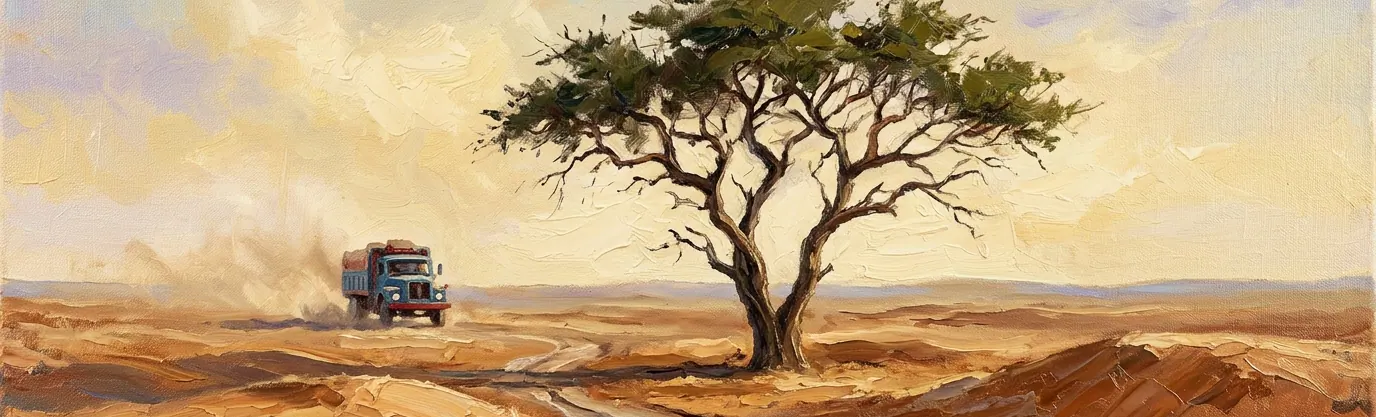
12.What killed the Sahara's 'Tree of Ténéré,' the world's loneliest tree?
Show Answer & Explanation
Correct Answer: D. A lone truck hit it
Explanation: Standing in the middle of the vast Ténéré sand sea of northeastern Niger, a solitary, thorny acacia tree (*Acacia raddiana*) held the Guinness record as the most isolated tree on planet Earth—the only living tree within 250 miles (400 kilometers) in any direction!
The last survivor of a prehistoric forest from when the Sahara was green, the Tree of Ténéré survived for three centuries by sinking its roots more than 115 feet (35 meters) straight down into a hidden underground water table. It was so revered as a living lighthouse by Tuareg salt caravans and military mapmakers that it was one of the only individual trees printed on 1:4,000,000-scale maps!
Then in 1973, despite having hundreds of miles of empty, flat desert on every side to steer around it, an allegedly drunk Libyan truck driver somehow managed to swerve off the track and crash his truck directly into the only tree for 250 miles, snapping its trunk in half! Today its preserved trunk stands in Niger's National Museum, while a metal sculpture marks the spot!
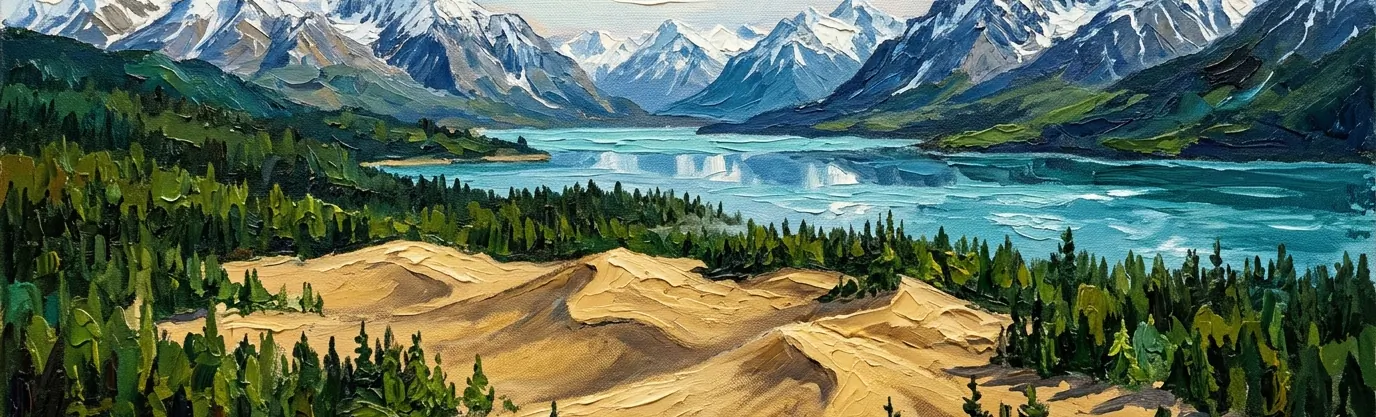
13.Where sits the one-square-mile 'Carcross Desert,' often called the world's smallest desert?
Show Answer & Explanation
Correct Answer: A. In Canada's snowy Yukon
Explanation: Drive forty-five minutes south of Whitehorse in Canada's subarctic Yukon Territory—famous for Klondike blizzards, dog sleds, and grizzly bears—and the spruce forest suddenly parts to reveal a surreal 640-acre (one-square-mile) expanse of rolling, wind-rippled golden sand dunes: the Carcross Desert!
Though technical climatologists classify it as a northern "sand dune complex" because the surrounding region gets slightly more than ten inches of precipitation a year, the towering Coast Mountains to the west create such a strong rain shadow that the dunes remain startlingly arid.
Where did all that fine desert sand come from in the middle of the Yukon mountains? Roughly 11,000 years ago at the end of the last Ice Age, huge glacial lakes covered the valley and deposited thick layers of silt and sand on the lake floor; when the ice dams melted and the lakes drained away, powerful winds blew the exposed lakebed sand into dunes that locals now use for summer sandboarding and winter snowboarding!
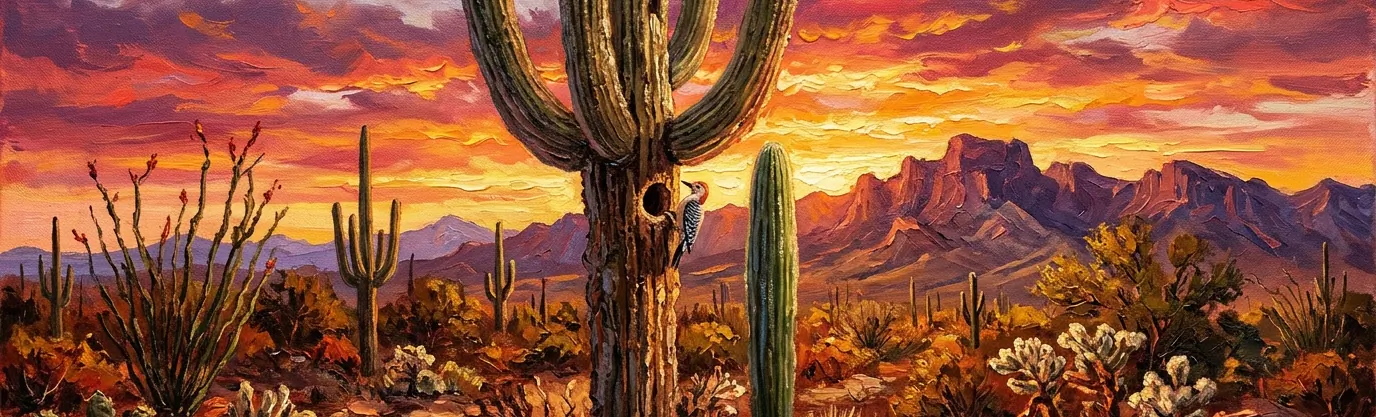
14.How old is an Arizona saguaro cactus before sprouting its first side arm?
Show Answer & Explanation
Correct Answer: B. Seventy-five to a hundred years
Explanation: With its pleated trunk and upturned arms looking like a friendly giant waving across the sunset, the saguaro cactus (*Carnegiea gigantea*) is the universal symbol of the American Southwest—yet it grows almost exclusively in the Sonoran Desert of Arizona and northern Mexico, and it grows at an excruciatingly slow pace!
Fed only by rare desert rains, a wild saguaro seedling is barely **one to one-and-a-half inches tall** after its first ten years of life! It doesn't produce its first white flowers until age 35, and in dry areas it typically takes **75 to 100 years** before a saguaro sprouts its very first iconic side arm!
By the time a saguaro reaches its full height of 40 to 60 feet at age 150 to 200, its accordion-pleated ribs can expand after a monsoon cloudburst to store up to 200 gallons of water (weighing several tons)—and under Arizona's Native Plant Law, cutting down or vandalizing a protected saguaro without a permit is a Class 4 felony punishable by up to 3.75 years in prison!
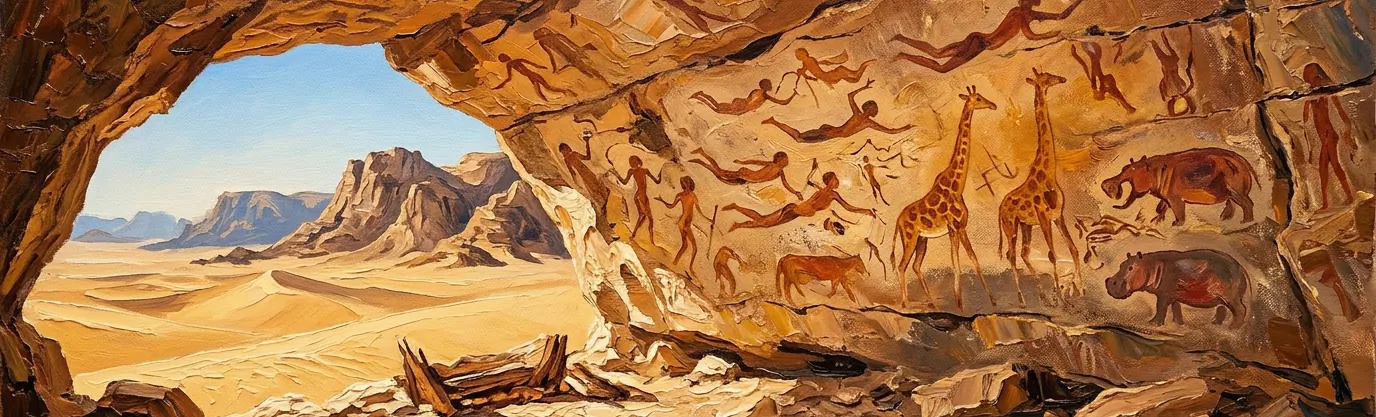
15.What do 8,000-year-old rock paintings in the Sahara's 'Cave of Swimmers' prove?
Show Answer & Explanation
Correct Answer: D. The Sahara was once green
Explanation: In October 1933, Hungarian explorer László Almásy (later fictionalized in *The English Patient*) was exploring the hyper-arid Gilf Kebir plateau in southwestern Egypt—one of the driest, most lifeless corners of the Sahara—when he discovered a sandstone rock shelter covered in 8,000-year-old Neolithic paintings of gracefully kicking human figures swimming through water alongside giraffes, ostriches, and hippos!
Far from a mirage or fantasy, Almásy's "Cave of Swimmers" (alongside fossilized fish bones, crocodile skeletons, and satellite radar images of buried river valleys) proved that between 11,000 and 5,000 years ago during the **African Humid Period**, the Sahara wasn't a desert at all!
Because Earth's axis wobbles like a spinning top on a 21,000-year cycle (*axial precession*), summer sunlight in the Northern Hemisphere was stronger 9,000 years ago, pulling the West African Monsoon hundreds of miles northward and turning the entire Sahara into a lush "Green Sahara" savanna dotted with mega-lakes larger than the Caspian Sea!
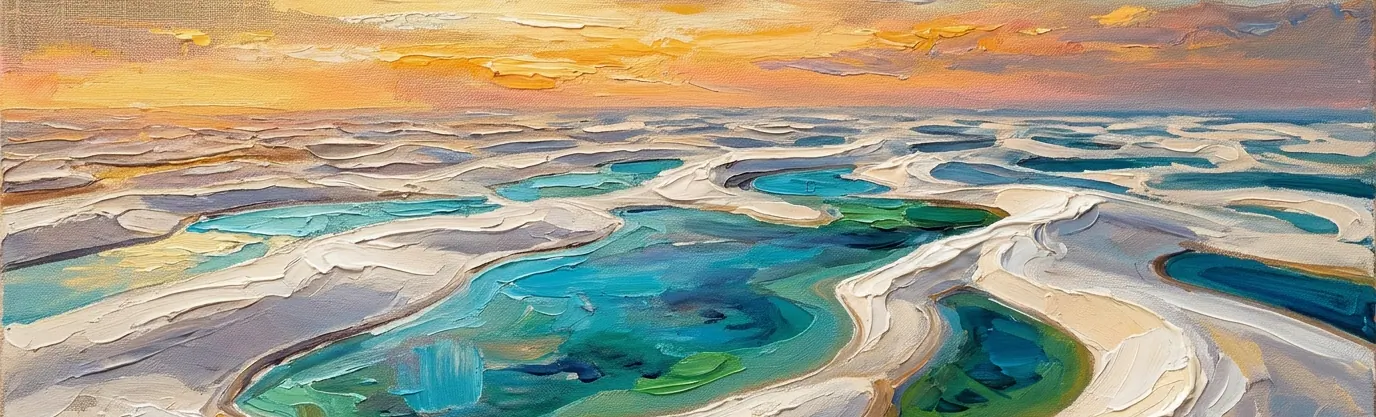
16.Why do thousands of crystal-clear turquoise swimming lagoons fill Brazil's Lençóis Maranhenses dunes?
Show Answer & Explanation
Correct Answer: C. Seasonal rains pool over rock
Explanation: Stretching across 600 square miles of northeastern Brazil's Maranhão coast just outside the Amazon basin, Lençóis Maranhenses National Park (Portuguese for "BedSheets of Maranhão") looks from the air like a mirage of sweeping, 130-foot-tall ivory-white desert sand dunes—except that nestled between every dune ridge sits a warm, crystal-clear turquoise or emerald freshwater lagoon!
Even though it looks like an endless desert erg, Lençóis Maranhenses actually receives about 47 inches (1,200 millimeters) of rain per year—nearly five times too much rain to qualify as a true climatological desert!
Why are there giant desert dunes if it rains so much? Nearby rivers carry millions of tons of pure white quartz sand to the Atlantic coast, where dry-season trade winds blow the sand thirty miles inland; then from January to June, torrential rains fall onto the dunes and hit an impermeable layer of solid rock directly underneath the sand—filling up to 30,000 sparkling freshwater swimming pools complete with wolf fish whose eggs hitchhike in on birds' feathers!
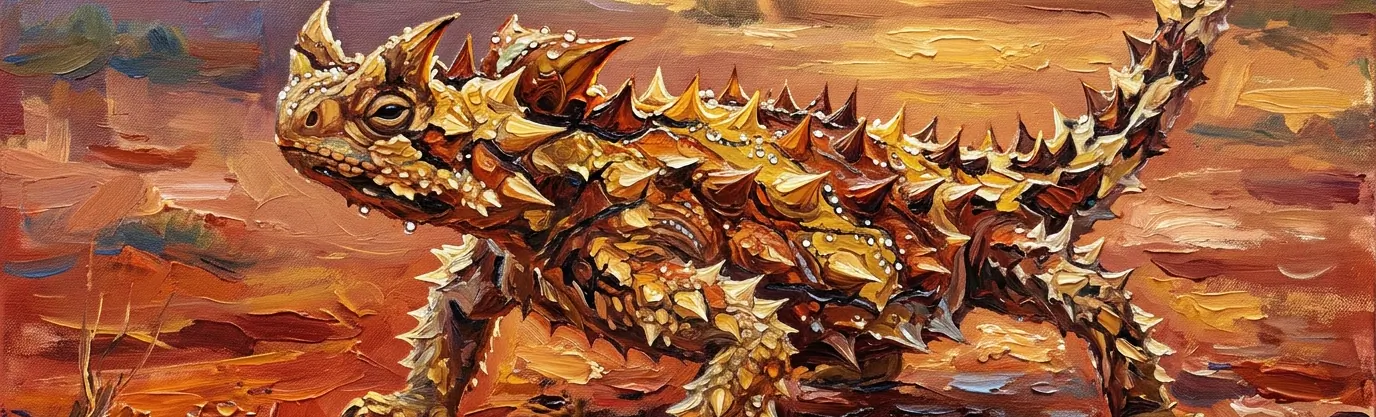
17.How does Australia's desert thorny devil lizard drink morning dew without bending down?
Show Answer & Explanation
Correct Answer: A. Capillary grooves up its skin
Explanation: Living in the scorching red sands of the central and western Australian Outback—where it eats nothing but thousands of tiny black ants a day—the hand-sized thorny devil lizard (*Moloch horridus*) has a jaw specifically shaped for snapping up ants, making it completely impossible for the lizard to lap water from a puddle with its tongue!
Instead, whenever morning dew condenses on its spiny back, or whenever the lizard steps onto a patch of damp desert sand after a rare shower, its entire suit of armor acts like a self-pumping drinking straw!
Underneath its overlapping scales runs an intricate microscopic network of semi-tubular channels between the skin hinges. By pure physical *capillary action* (the same force that pulls coffee up into a sugar cube), water touching any part of the lizard's feet or belly is pulled upward against gravity along the skin grooves directly to the corners of its mouth, where the lizard simply opens and closes its jaws to swallow!
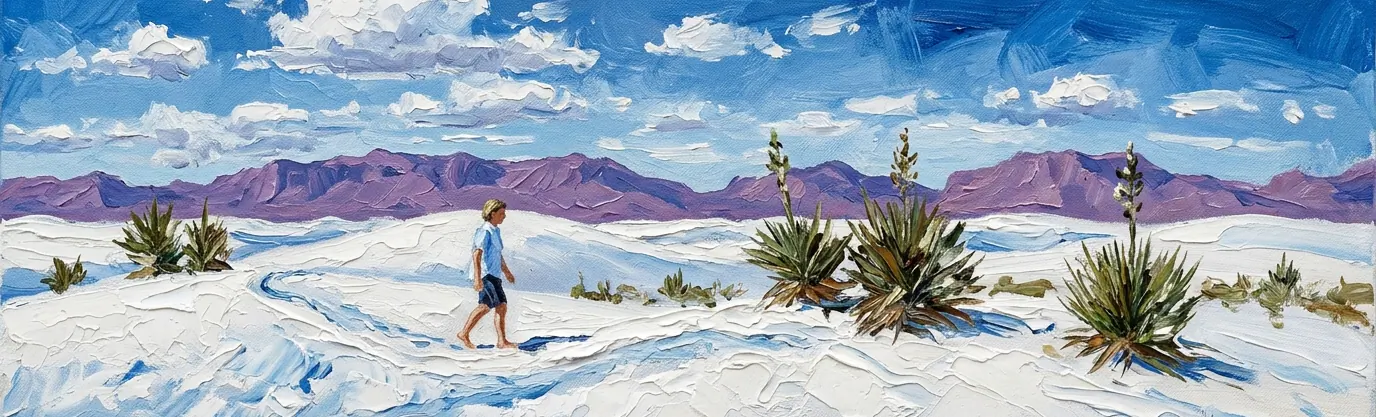
18.Why can you walk barefoot at noon across New Mexico's White Sands dunes?
Show Answer & Explanation
Correct Answer: B. Gypsum crystals reflect sun heat
Explanation: Try walking barefoot across ordinary quartz sand dunes in the Sahara or Mojave at 2:00 PM in July, and you will suffer second-degree burns in seconds because silica quartz grains absorb solar radiation and bake at temperatures exceeding $140^circ ext{F}$ ($60^circ ext{C}$).
Step barefoot onto the blindingly bright dunes of White Sands National Park in New Mexico's Tularosa Basin on a $100^circ ext{F}$ summer afternoon, however, and the snow-white sand feels pleasantly cool against your soles!
Why doesn't White Sands burn your feet? Because the 275-square-mile dune field is not made of quartz sand at all—it is the largest dune field on Earth made of **gypsum** (*calcium sulfate dihydrate*, the same mineral used in drywall and blackboard chalk)! Unlike quartz, translucent white gypsum grains reflect almost all incoming sunlight rather than absorbing it into heat, and the shallow groundwater just a few feet below the dunes constantly evaporates upward to cool the surface!
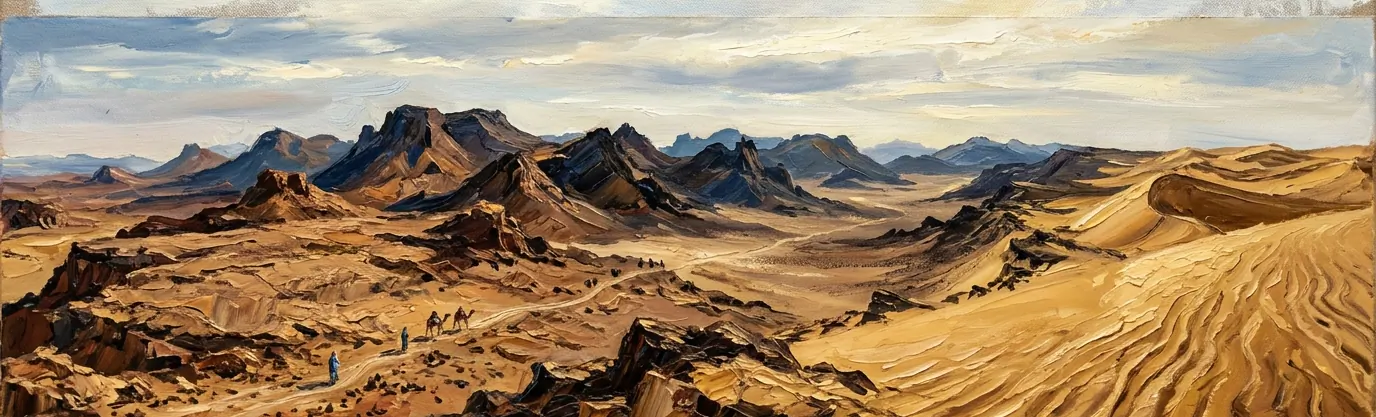
19.Roughly what fraction of the Sahara Desert is actually covered in sand dunes?
Show Answer & Explanation
Correct Answer: D. Only about one-fourth
Explanation: Thanks to Lawrence of Arabia, Aladdin, and Hollywood adventure movies, almost everyone imagines the Sahara Desert as a continuous, unbroken ocean of golden sand dunes stretching from the Atlantic Ocean to the Red Sea.
In reality, rolling sand seas—known in Arabic as *ergs*—cover only about **20% to 25%** (one-fourth) of the Sahara's 3.6-million-square-mile surface!
What covers the other 75% of the world's largest hot desert? Vast, windswept plateaus of bare, sun-blackened bedrock called *hamada*, endless flat plains of pebbles and cobbles called *reg* (or *serir*) where wind has blown all the fine sand away, dry crusted salt flats (*chotts* and *sebkhahs*), and rugged volcanic mountain ranges like the Tibesti and Ahaggar peaks that rise over 11,000 feet high!
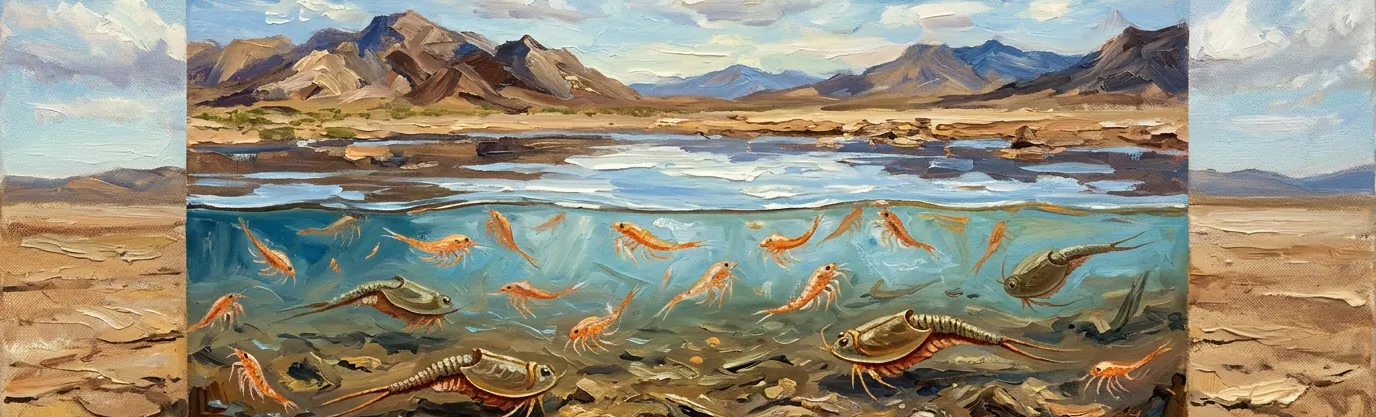
20.How do desert fairy shrimp suddenly appear inside temporary Mojave rainwater puddles?
Show Answer & Explanation
Correct Answer: C. Eggs wait decades in dust
Explanation: Walk across a baked, cracked clay playa in the Mojave or Sonoran Desert that hasn't seen a drop of water in fifteen years, and the ground looks as sterile as concrete. Yet just forty-eight hours after a summer flash flood leaves a shallow mud puddle, the water is suddenly teeming with thousands of swimming translucent crustaceans: desert fairy shrimp, tadpole shrimp (*Triops*), and clam shrimp!
They didn't fall from the sky: before the previous puddle evaporated years earlier, female fairy shrimp laid microscopic, hard-shelled resting eggs called **cysts** in the drying mud.
Inside each cyst, the tiny shrimp embryo enters *cryptobiosis* (suspended animation), completely halting its metabolism! Lab tests have proved that desert shrimp cysts can sit in parched desert dust for decades—and even survive boiling water, liquid nitrogen temperatures, and the vacuum of outer space aboard the Apollo 16 spacecraft—only to hatch within hours the moment fresh rainwater dilutes the soil salt!
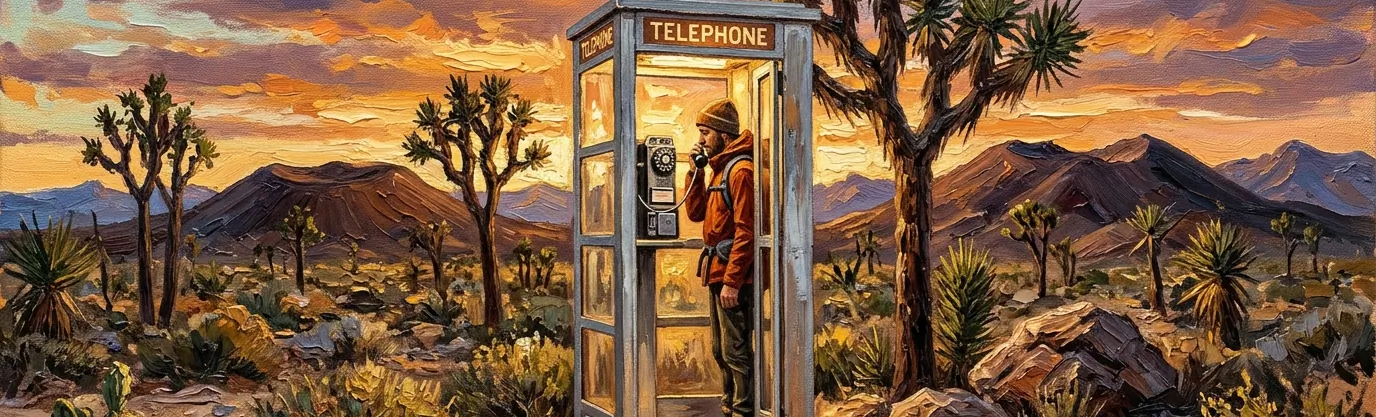
21.What sat 15 miles from the nearest highway in California's Mojave Desert until 2000?
Show Answer & Explanation
Correct Answer: A. A working lonely glass payphone
Explanation: In 1960, the California Department of Forestry requested that Pacific Bell install an emergency telephone booth at the intersection of two bumpy dirt tracks among the Joshua trees of the Mojave Desert—fifteen miles from the nearest paved highway (Interstate 15) and miles from the nearest house—so remote volcanic cinder miners could call for help.
For nearly forty years, the battered aluminum-and-glass Mojave Phone Booth (number 714-733-9969, later 760-733-9969) stood completely forgotten in the middle of nowhere—until 1997, when a Los Angeles computer programmer named Godfrey Daniels spotted the tiny telephone icon on a USGS topographic map, drove out to check if it was real, and built a website about it!
Soon, people from Tokyo, Berlin, and New York were dialing the desert number around the clock, and travelers began camping out beside the booth with sleeping bags just to pick up the ringing receiver and chat with strangers across the planet—until the National Park Service removed the booth in May 2000 to protect the desert from traffic!
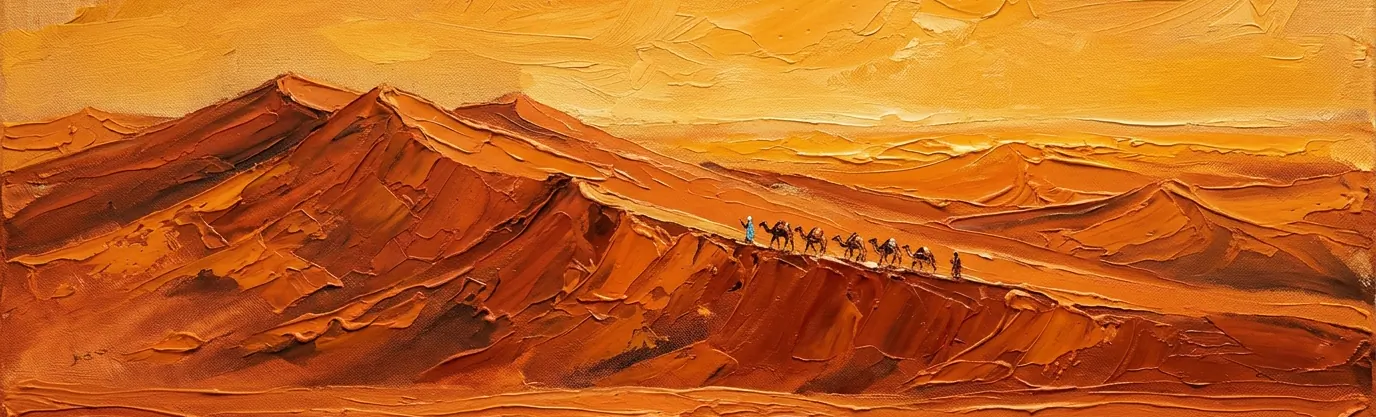
22.Which peninsula holds the 'Empty Quarter,' Earth's largest continuous sea of sand?
Show Answer & Explanation
Correct Answer: B. The Arabian Peninsula
Explanation: While the Sahara is the largest hot desert overall, its sand dunes are broken up by vast rocky plateaus and mountains. The largest *continuous*, unbroken body of sand (*erg*) anywhere on planet Earth is the *Rub' al Khali*—Arabic for the **"Empty Quarter"**—covering the southern third of the Arabian Peninsula!
Spanning 250,000 square miles (650,000 square kilometers—larger than the entire country of France!) across Saudi Arabia, Oman, the United Arab Emirates, and Yemen, the Empty Quarter is buried beneath a sea of reddish-orange feldspar-and-quartz sand dunes towering up to 820 feet (250 meters) tall.
For millennia, only Bedouin camel tribes dared skirt its edges, and no Western explorer successfully crossed it until British explorers Bertram Thomas (1930–1931), St. John Philby (1932), and Wilfred Thesiger (1946–1950)—only for geologists to discover beneath those hyper-arid dunes the Ghawar oil field, the largest conventional oil field in the world!
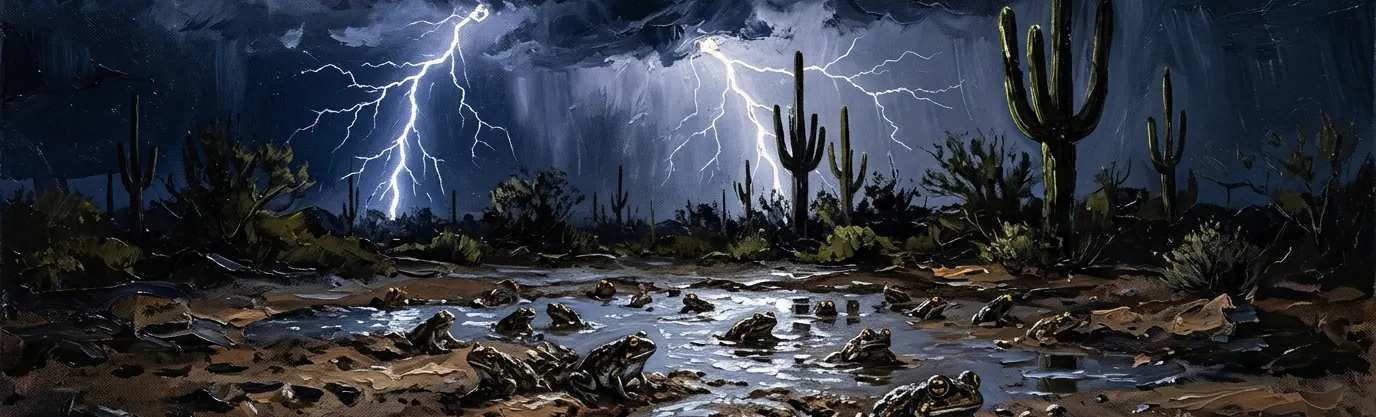
23.What wakes Arizona's Couch's spadefoot toad from ten months buried underground?
Show Answer & Explanation
Correct Answer: D. Low-frequency thunder rumbles above
Explanation: To survive in the scorching Sonoran and Chihuahuan Deserts, Couch's spadefoot toad (*Scaphiopus couchii*) uses dark, sickle-shaped keratin "spades" on its hind feet to dig backward three feet underground, wraps itself in layers of shed skin to hold in moisture, and estivates in a deep torpor for ten to eleven months a year!
For a long time, biologists assumed the buried toads waited for summer monsoon rainwater to soak down through three feet of baked desert dirt to wake them up—until they realized the toads burst out of the ground *minutes* after a storm starts, long before moisture ever reaches their burrows!
Lab experiments proved the toads' secret alarm clock: their inner ears are hyper-sensitive to the low-frequency acoustic vibrations (below 100 Hz) of monsoon thunder and pounding raindrops drumming on the desert floor above! Once awake, they dig out, mate, and lay eggs in a single night—and their tadpoles transform into hopping toads in just eight days before the puddle dries up!
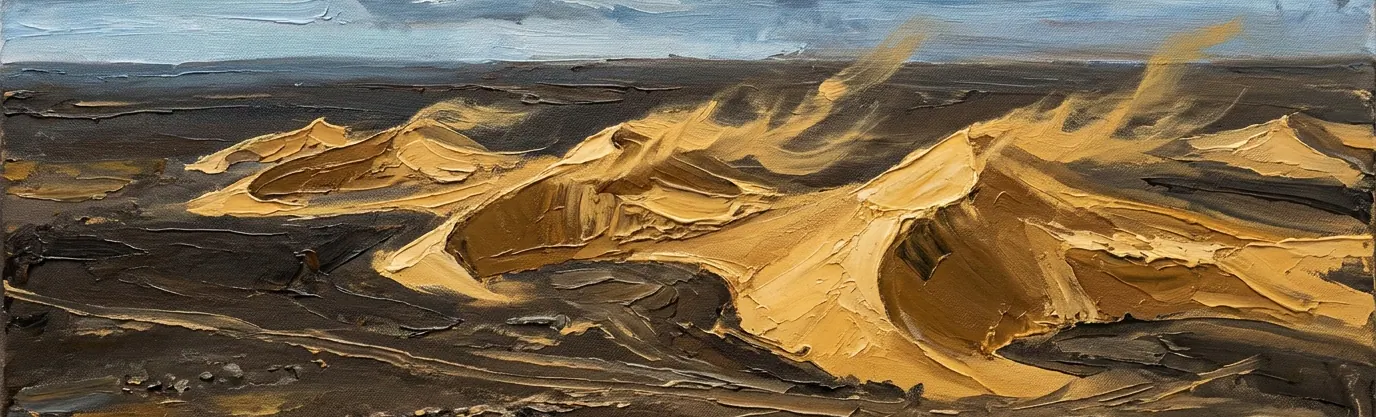
24.Which way do the two pointed horns of a crescent 'barchan' sand dune point?
Show Answer & Explanation
Correct Answer: C. Downwind, where the dune marches
Explanation: Wherever desert winds blow predominantly from a single direction across a hard, flat desert floor with a moderate supply of sand, the sand sculpts itself into graceful, crescent-moon-shaped dunes known by their Turkic name: **barchans**.
Ask most people which way the two pointed tips ("horns" or arms) of a crescent sand dune point, and intuition says the wind must blow into the hollow cup of the crescent like a parachute, pushing the center forward and leaving the tips trailing behind.
In reality, the physics of sand transport does the exact opposite! Wind pushes sand up the gentle windward back of the dune and spills it down the steep 34-degree inner "slipface." Because the low, thin outer edges of the dune contain far less sand mass than the tall, heavy center ridge, the wind pushes the two outer tips forward much faster than the middle—so the two horns always point **downwind**, leading the charge as the dune marches up to 100 feet a year!
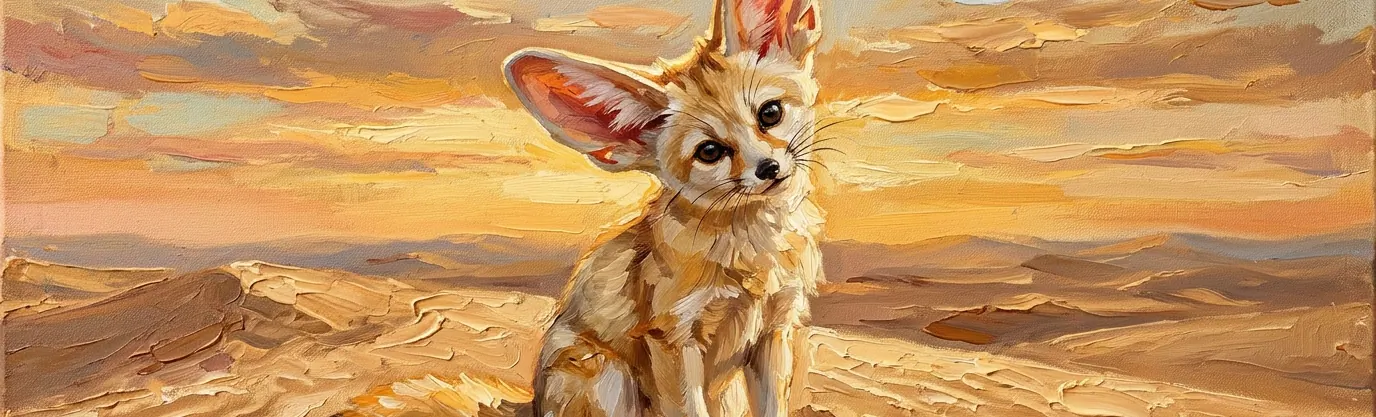
25.Besides hearing underground beetles, how do a fennec fox's six-inch ears help?
Show Answer & Explanation
Correct Answer: A. Radiating excess desert body heat
Explanation: Weighing barely two to three pounds—smaller than a domestic housecat—the nocturnal fennec fox (*Vulpes zerda*) of the Sahara Desert sports the largest ears relative to body size of any member of the dog family, measuring up to six inches (15 centimeters) long!
Those satellite-dish ears are sensitive enough to hear a scarab beetle, gecko, or jerboa scurrying *underneath* the sand from yards away, but they also illustrate **Allen's Rule** of evolutionary biology (animals in hot climates evolve long, high-surface-area appendages, while Arctic animals evolve tiny stubby ears).
Because dogs and foxes cannot sweat through their fur-covered bodies, the paper-thin skin of the fennec's oversized ears is packed with a dense network of surface blood vessels that dilate in the heat—acting like a pair of automotive radiator fins to dump excess body heat into the desert air!
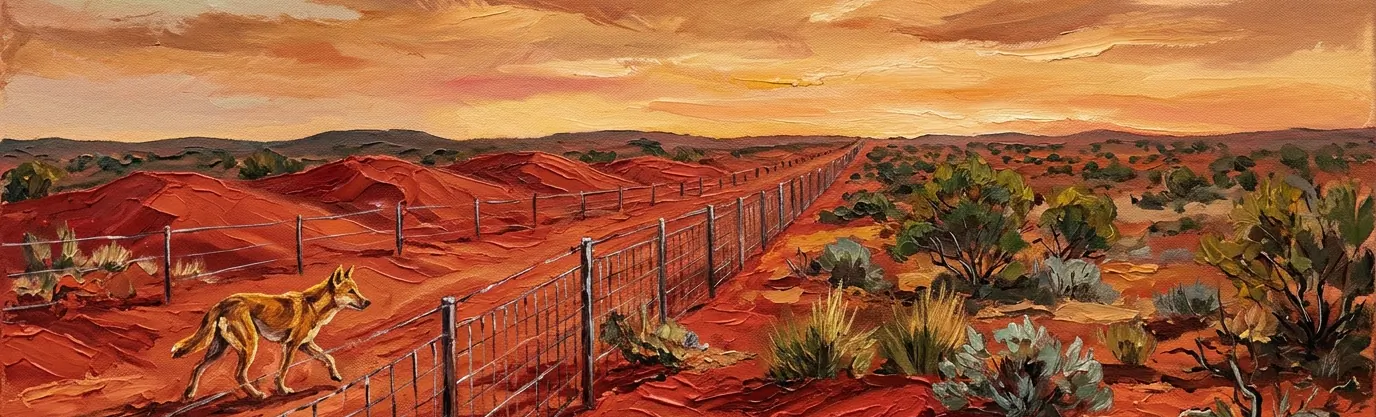
26.Why did Australians build a 3,488-mile fence across their interior deserts?
Show Answer & Explanation
Correct Answer: B. To keep dingoes from sheep
Explanation: Winding 3,488 miles (5,614 kilometers) from the cliffs of the Great Australian Bight in South Australia across the arid red sand dunes of the Strzelecki and Sturt Stony Deserts all the way into Queensland, Australia's **Dingo Fence** (or Dog Fence) is the longest continuous fence structure on planet Earth—long enough to stretch from New York to London!
Originally begun in the 1880s to slow down plagues of invasive European rabbits, the six-foot-tall wire-mesh barrier was linked together and heightened by 1946 for a single purpose: keeping wild Australian dingoes out of the fertile sheep-grazing pastures of southeastern Australia.
Look at satellite images of the Strzelecki Desert where the Dingo Fence cuts straight across the dunes, and you can actually see a difference in color between the two sides of the wire: because dingoes on the northwestern side hunt kangaroos and feral rabbits, the desert grasses on the dingo side grow noticeably thicker and greener than on the sheep side!
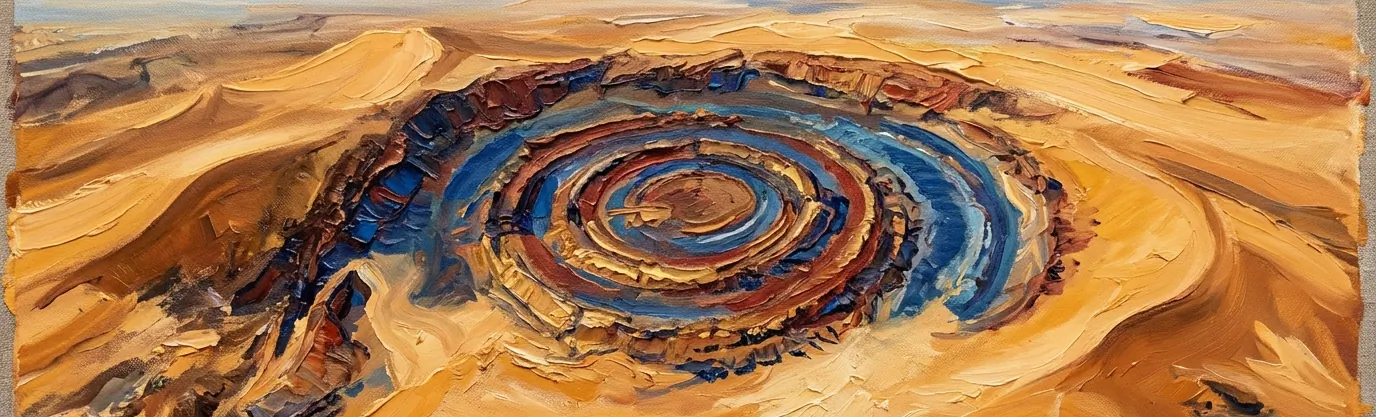
27.What actually formed the 25-mile concentric 'Eye of the Sahara' in Mauritania?
Show Answer & Explanation
Correct Answer: D. An eroded rock dome
Explanation: When NASA's Gemini IV astronauts orbited Earth in June 1965 and photographed the featureless tawny sands of the western Sahara in Mauritania, they were stunned to see a colossal, 25-mile-wide (40-kilometer) concentric bullseye of blue and tan rings staring straight back up into space—nicknamed the **"Eye of the Sahara"** (or the **Richat Structure**).
Because of its nearly perfect circular rings, scientists initially assumed it had to be the scar of a giant meteorite impact—while internet theorists regularly claim it is the lost ringed city of Plato's Atlantis.
When geologists hiked into the Richat Structure and tested the rocks, however, they found zero shock-metamorphic minerals from a space impact! Instead, around 100 million years ago as the supercontinent Pangaea pulled apart, rising molten rock pushed up a giant symmetrical dome of alternating hard quartzite and soft limestone layers; over millions of years, wind and water eroded the top off the dome like slicing an onion in half, leaving the harder rock layers standing as concentric circular ridges!
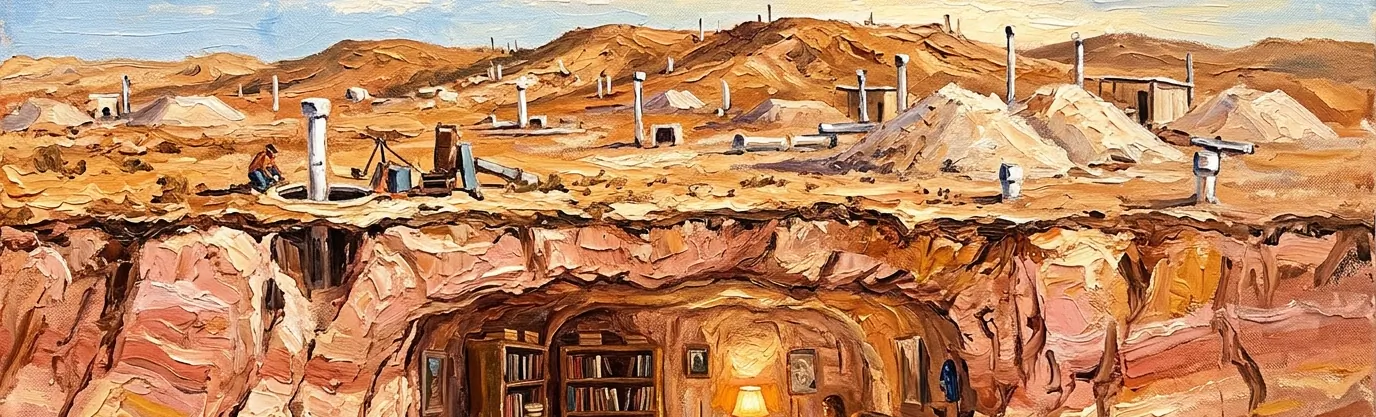
28.How do residents of Australia's scorching opal-mining town Coober Pedy beat 120°F heat?
Show Answer & Explanation
Correct Answer: C. Living in underground dugout homes
Explanation: Located in the middle of the treeless, sun-blasted Stuart Range of the South Australian Outback—525 miles north of Adelaide—the town of **Coober Pedy** supplies more than 70% of the world's precious gem-quality opals, while enduring summer daytime temperatures that routinely soar past $120^circ ext{F}$ ($49^circ ext{C}$)!
When World War I soldiers returning from the trenches of France arrived to mine opals there in 1915, they brought a brilliant idea with them: if it's too hot on the surface, dig your house into the hillside!
Today, more than half of Coober Pedy's residents live underground in subterranean homes called **"dugouts"** carved out of the soft, pinkish-white sandstone with tunneling machines! On the surface, all you see are vertical ventilation shafts sticking out of the dirt and warning signs reading "Watch Your Step—Unmarked Mine Shafts," while ten feet below ground sit multi-bedroom homes, art galleries, an underground bar, a four-star underground hotel, and two magnificent underground churches—all staying a naturally cool $73^circ ext{F}$ ($23^circ ext{C}$) year-round with zero air conditioning!
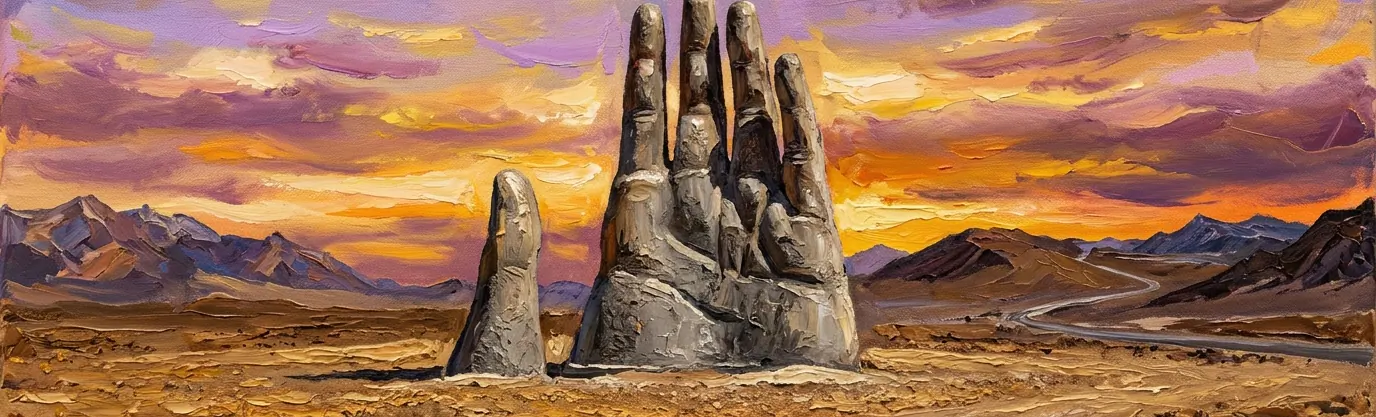
29.Why does a thirty-six-foot concrete hand reach out of Chile's Atacama Desert?
Show Answer & Explanation
Correct Answer: A. A sculptor's monument to loneliness
Explanation: Driving along the Pan-American Highway (Route 5) forty-six miles south of Antofagasta through the empty, moon-like gravel plains of Chile's Atacama Desert, travelers suddenly spot the giant fingers and palm of a left hand rising 36 feet (11 meters) straight out of the desert sand—as if a buried colossus were reaching up toward the sky!
Known as *Mano del Desierto* ("Hand of the Desert"), the surreal landmark was unveiled on March 28, 1992, by renowned Chilean sculptor Mario Irarrázabal and funded by a local civic booster organization (*Corporación Pro Antofagasta*) so drivers wouldn't fall asleep on the endless straight highway.
Built on an internal steel frame coated in iron-reinforced concrete at an elevation of 3,600 feet, Irarrázabal designed the giant emerging hand as a poetic tribute to human vulnerability, injustice, loneliness, and smallness against the overwhelming immensity of the world's driest desert!
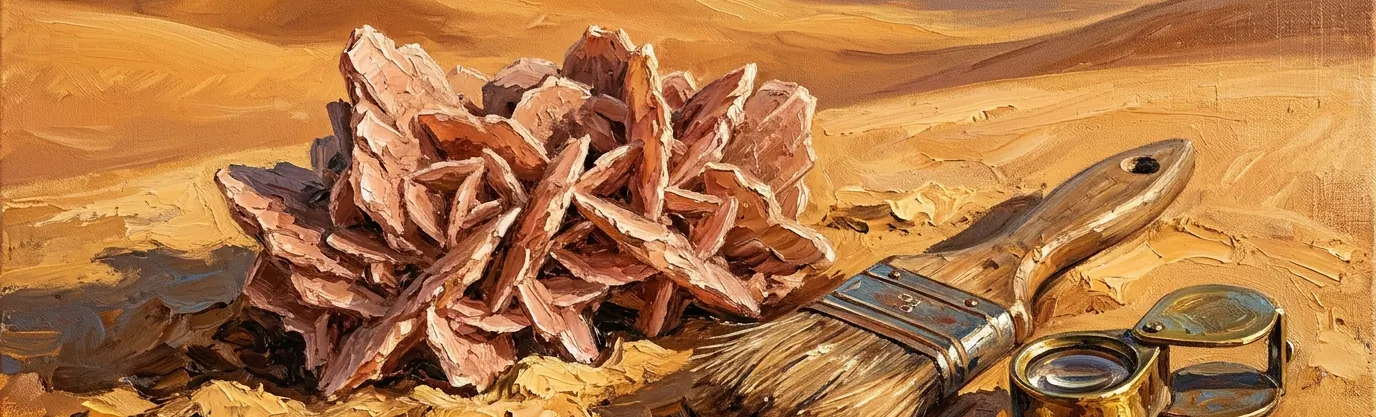
30.What forms the petaled stone 'desert roses' dug out of Saharan sand?
Show Answer & Explanation
Correct Answer: B. Evaporating groundwater crystallizing gypsum sand
Explanation: Across the salt flats (*sabkhas*) of Tunisia, Algeria, Saudi Arabia, and Mexico's Chihuahuan Desert, local diggers unearth stunning rock formations that look uncannily like fossilized wooden roses in full bloom, complete with dozens of radiating, paper-thin stone petals: **Desert Roses**!
Despite their delicate floral shape, desert roses have never been alive and contain zero plant matter—they are 100% mineral crystal clusters made of either **gypsum** (*selenite*) or **barite** combined with desert sand grains!
Whenever a rare desert rainstorm wets a shallow, mineral-rich salt basin and the scorching sun immediately evaporates the groundwater back upward, calcium sulfate precipitates out of the water in flat, disk-shaped (*lenticular*) crystal blades. As these flat crystals grow outward along radiating axes and trap millions of surrounding quartz sand grains inside their lattice, they blossom underground into stone roses ranging from the size of a walnut to three-foot, thousand-pound clusters!
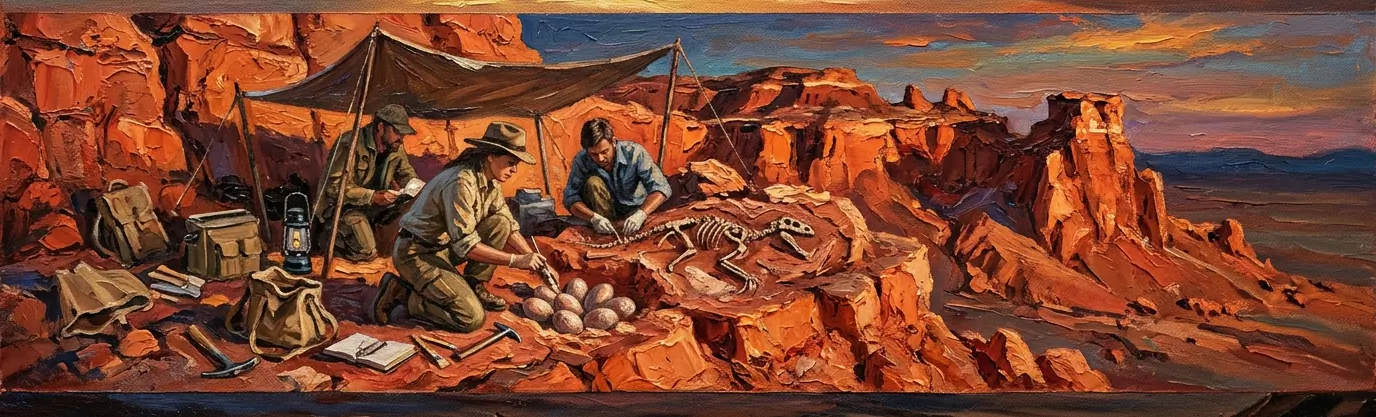
31.Why is Mongolia's cold Gobi Desert a paradise for dinosaur fossil hunters?
Show Answer & Explanation
Correct Answer: D. Collapsed sand dunes buried dinosaurs
Explanation: In most parts of the world, dinosaur skeletons only fossilized after dead animals washed into ancient rivers or lakes, where currents scattered the bones and predators scavenged the carcasses. In the rust-red sandstone badlands of the Gobi Desert—such as the famous "Flaming Cliffs" (*Bayanzag*) and Ukhaa Tolgod in Mongolia—paleontologists find entire Late Cretaceous ecosystems preserved in lifelike poses!
Why? Seventy-five million years ago, when the Gobi was already a desert of oases and giant sand dunes, sudden torrential rainstorms caused waterlogged sand dunes to collapse in instant, suffocating sandslides that buried living dinosaurs on the spot before a single bone could be disturbed!
In 1923, American explorer Roy Chapman Andrews discovered the world's very first recognized dinosaur eggs sitting in circular nests in the Gobi—and in 1971, a Polish-Mongolian expedition unearthed the jaw-dropping **"Fighting Dinosaurs"** fossil: a *Velociraptor* and a *Protoceratops* buried alive mid-battle, with the raptor's sickle claw still plunged into the herbivore's throat while the *Protoceratops* bites down on the raptor's arm!
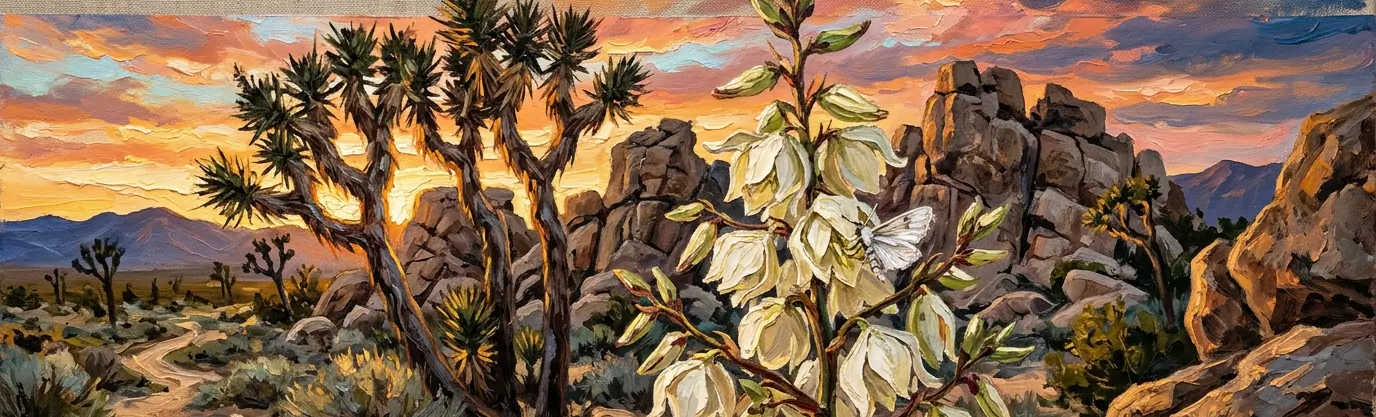
32.Why isn't the Mojave Desert's famous Joshua tree technically a tree?
Show Answer & Explanation
Correct Answer: C. It's a giant yucca succulent
Explanation: Named by nineteenth-century Mormon pioneers crossing the Mojave Desert because its spiky, outstretched branches reminded them of the biblical prophet Joshua raising his arms in prayer toward the Promised Land, the iconic **Joshua tree** (*Yucca brevifolia*) isn't actually a tree at all!
Botanically, the Joshua tree is a giant monocot **succulent** belonging to the *Agavaceae* (agave and asparagus) family, making it a closer cousin to grass, lilies, and palms than to oak or pine trees! If you cut across a fallen Joshua tree trunk, you won't find true hardwood or annual growth rings—only fibrous bundles of pulp that harden with age.
Even more remarkable, the Joshua tree has a 30-million-year-old pact with a single tiny insect: the quarter-inch **yucca moth** (*Tegeticula synthetica*). Because Joshua tree flowers produce zero nectar, no bees or butterflies visit them; instead, the female yucca moth deliberately rolls pollen into a ball with specialized mouth tentacles, stuffs it into the flower's stigma to guarantee fruit will grow, and lays her eggs inside so her caterpillars can eat a few of the developing seeds!
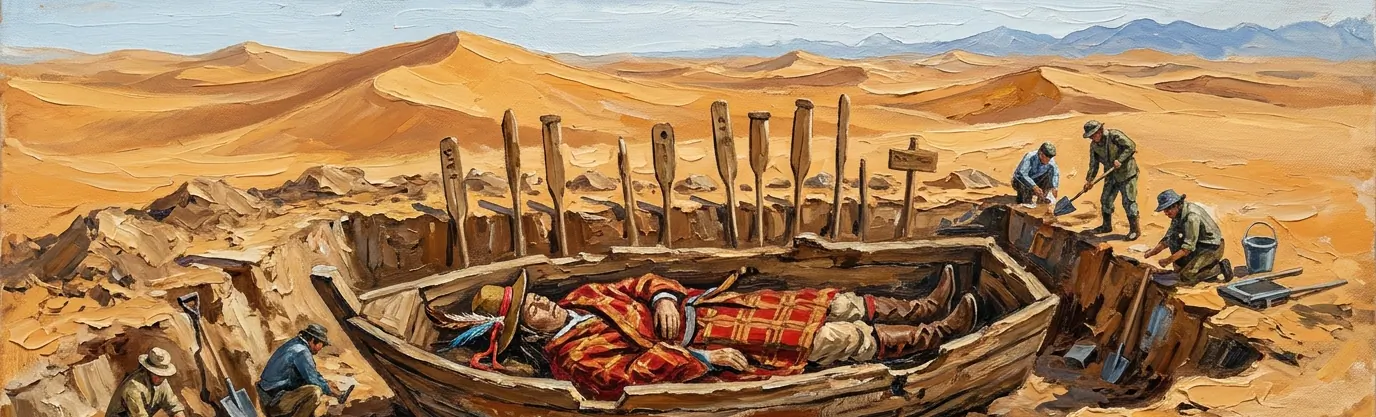
33.What preserved 4,000-year-old tartan-wearing mummies with eyelashes intact in China's Taklamakan Desert?
Show Answer & Explanation
Correct Answer: A. Salty bone-dry desert sand
Explanation: Surrounded by the towering Kunlun, Pamir, and Tian Shan mountain ranges in northwestern China's Xinjiang region, the **Taklamakan Desert** (whose name is popularly translated as "Go in and you won't come out") is the world's second-largest shifting-sand desert.
Beginning in the early twentieth century, archaeologists excavating wooden boat-shaped coffins buried at desert oases like Xiaohe and Loulan around the Tarim Basin uncovered hundreds of 3,800-to-4,000-year-old Bronze Age mummies ("the Tarim Mummies," including the famous "Beauty of Loulan") in such astonishing condition that their long eyelashes, braided hair, facial skin, felt hats, leather boots, and colorful plaid wool garments looked as if they had been buried yesterday!
Unlike Egyptian mummies, nobody removed their organs or wrapped them in embalming natron: because bodies were buried in porous wooden coffins inside hyper-arid, salt-rich desert sand during freezing winter months, the dry, salty soil sucked all the moisture out of the bodies before bacteria could cause decay—even preserving clumps of 3,600-year-old kefir cheese around their necks!
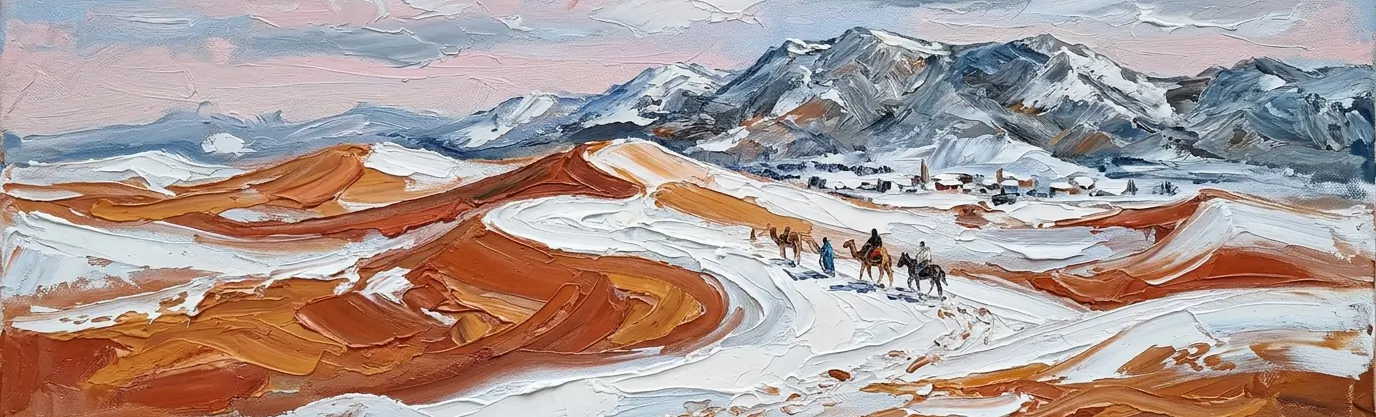
34.Which Algerian Sahara town has seen snow blanket its orange dunes five times?
Show Answer & Explanation
Correct Answer: B. Ain Sefra in the Atlas
Explanation: Seeing pure white snow draped like powdered sugar over towering burnt-orange Saharan sand dunes looks like an AI-generated fantasy—yet photographers in the Algerian desert town of **Aïn Sefra** captured that exact surreal scene in 1979, 2016, 2018, 2021, and 2022!
Nicknamed the "Gateway to the Desert," Aïn Sefra sits at the northern edge of the Sahara Desert—but unlike low-lying desert basins, the town sits at an elevation of roughly **3,280 feet** (1,000 meters) above sea level, tucked directly against the snowy peaks of the Saharan Atlas Mountains.
When high-pressure winter weather systems over Europe push unusually frigid polar air masses southward across the Mediterranean Sea and up against the Atlas range, nighttime temperatures in Aïn Sefra plunge below freezing ($26^circ ext{F}$ / $-3^circ ext{C}$)—blanketing the surrounding crimson sand dunes in up to fifteen inches of snow before the morning desert sun melts it away!
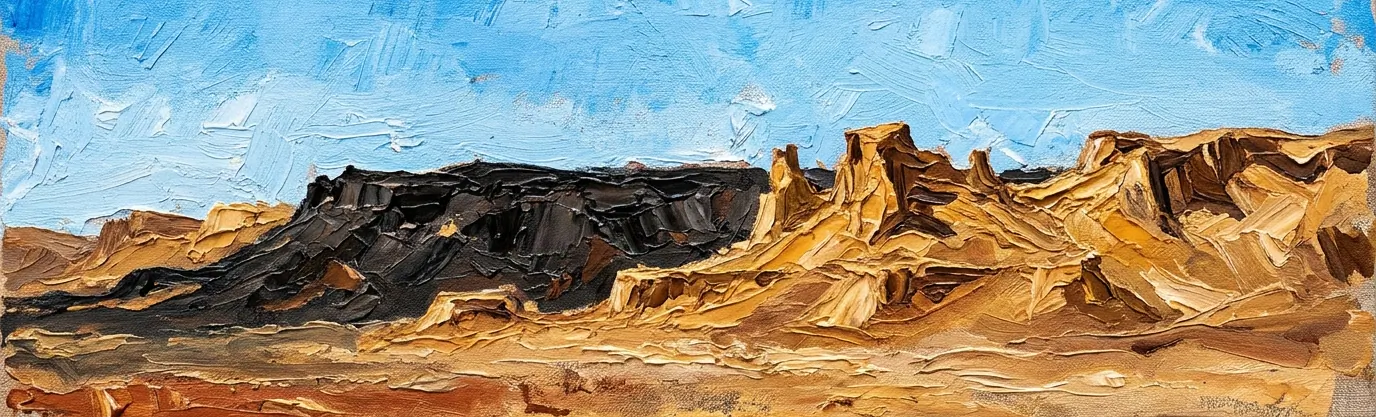
35.Where did NASA satellites record Earth's hottest land surface temperature of 177.4°F?
Show Answer & Explanation
Correct Answer: D. Iran's black-pebble Lut Desert
Explanation: California's Death Valley (Furnace Creek) holds the official World Meteorological Organization record for the highest *air temperature* ever measured five feet above the ground in a shaded weather shelter: $134^circ ext{F}$ ($56.7^circ ext{C}$) on July 10, 1913.
Because human weather stations are only built where people live, however, the hottest actual *land surface* temperatures on planet Earth went unmeasured until NASA's Aqua satellite scanned every square kilometer of the globe using its MODIS thermal infrared radiometer!
In multiple satellite surveys (updated in 2021 in the *Bulletin of the American Meteorological Society*), the undisputed hottest surface on Earth—reaching a scorching **$177.4^circ ext{F}$ ($80.8^circ ext{C}$)**, shared only with Mexico's Sonoran Desert—was recorded inside Iran's **Lut Desert** (*Dasht-e Lut*), specifically on a 185-square-mile plateau covered in jet-black volcanic lava pebbles called *Gandom Beryan* (Persian for "Toasted Wheat") that absorbs sunlight like a cast-iron skillet!
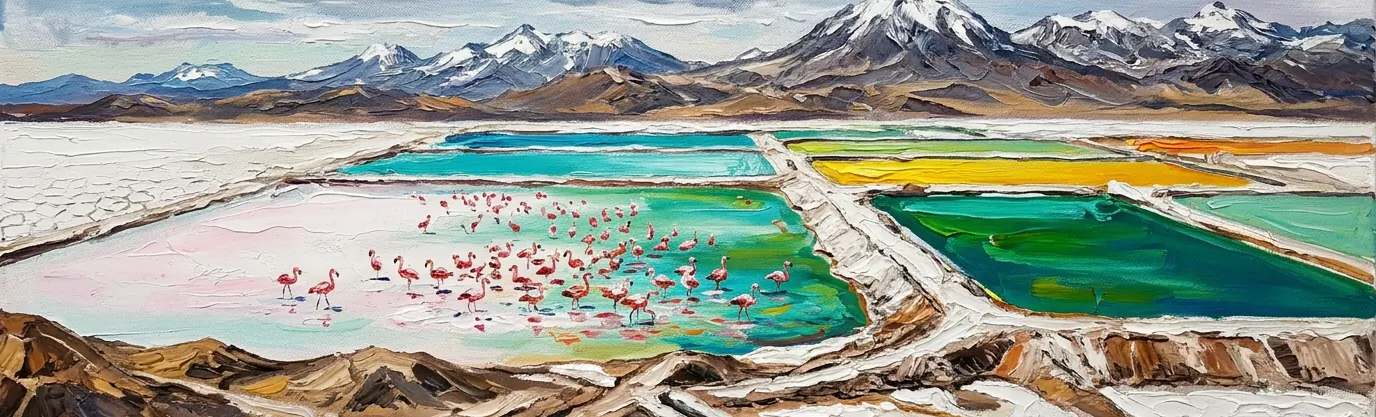
36.What battery metal lies dissolved beneath the salt crusts of South American deserts?
Show Answer & Explanation
Correct Answer: A. Lithium in vivid brine pools
Explanation: High in the arid Andean desert plateaus where the borders of Chile, Bolivia, and Argentina meet—centering on the Salar de Atacama, Salar de Uyuni, and Salar del Hombre Muerto—lies a desert region geonomists call the **"Lithium Triangle,"** which holds more than 55% of the world's known reserves of **lithium**, the lightest metal on the periodic table and the essential heart of every smartphone, laptop, and electric-vehicle battery!
Over millions of years, volcanic rains leached lithium, potassium, and boron out of the surrounding Andean rocks and washed them into closed desert basins (*endorheic lakes*) with no outlet to the sea, where intense desert evaporation concentrated the metals into underground saltwater brine beneath thick white salt crusts.
To harvest it, miners pump the underground mineral brine up into giant geometric evaporation ponds on the desert floor: as the relentless desert sun evaporates the water over twelve to eighteen months, the shifting mineral concentrations turn the ponds into a patchwork quilt of neon turquoise, canary yellow, and emerald green!
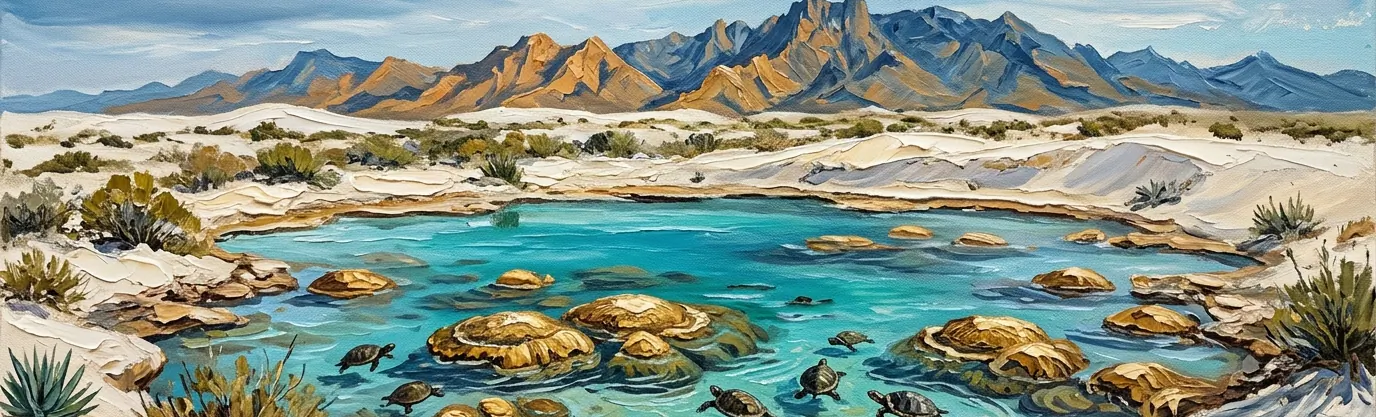
37.What prehistoric marine life still thrives inside Mexico's Chihuahuan Desert spring pools?
Show Answer & Explanation
Correct Answer: C. Three-billion-year-old living stromatolite reefs
Explanation: Surrounded by dry limestone mountains and gypsum dunes in the middle of northern Mexico's Chihuahuan Desert (in the state of Coahuila) lies the valley of **Cuatro Ciénegas** ("Four Marshes")—an oasis of more than two hundred crystal-clear, spring-fed turquoise pools (*pozas*) that Charles Darwin's modern successors call the "Galápagos of the Desert."
Because this desert basin was once part of a prehistoric shallow sea before the Sierra Madre Oriental mountains rose up and isolated it millions of years ago, over 70 species of snails, fish, and even an aquatic box turtle (*Terrapene coahuila*) evolved inside these desert pools and exist nowhere else on Earth!
Even more astonishing to astrobiologists, the nutrient-poor, mineral-rich waters of Cuatro Ciénegas harbor living **stromatolites**—layered, dome-shaped microbial reefs built by cyanobacteria that are identical to the 3.5-billion-year-old stromatolite fossils that first oxygenated Earth's atmosphere at the dawn of life!
Did You Know? Fascinating Facts
- Despite sitting 250 miles from any other tree in Niger's Sahara Desert, the legendary 'Tree of Ténéré'—the most isolated tree on Earth—was knocked down in 1973 by a lone truck driver!
- Only about 25% of the Sahara Desert is covered in rolling sand dunes (ergs); the other 75% consists of barren rocky plateaus (hamada), gravel plains (reg), salt flats, and dry mountain ranges!
- A North American desert kangaroo rat can live its entire multi-year life without ever drinking a single drop of liquid water—manufacturing all the moisture it needs chemically inside its body from dry seeds!