
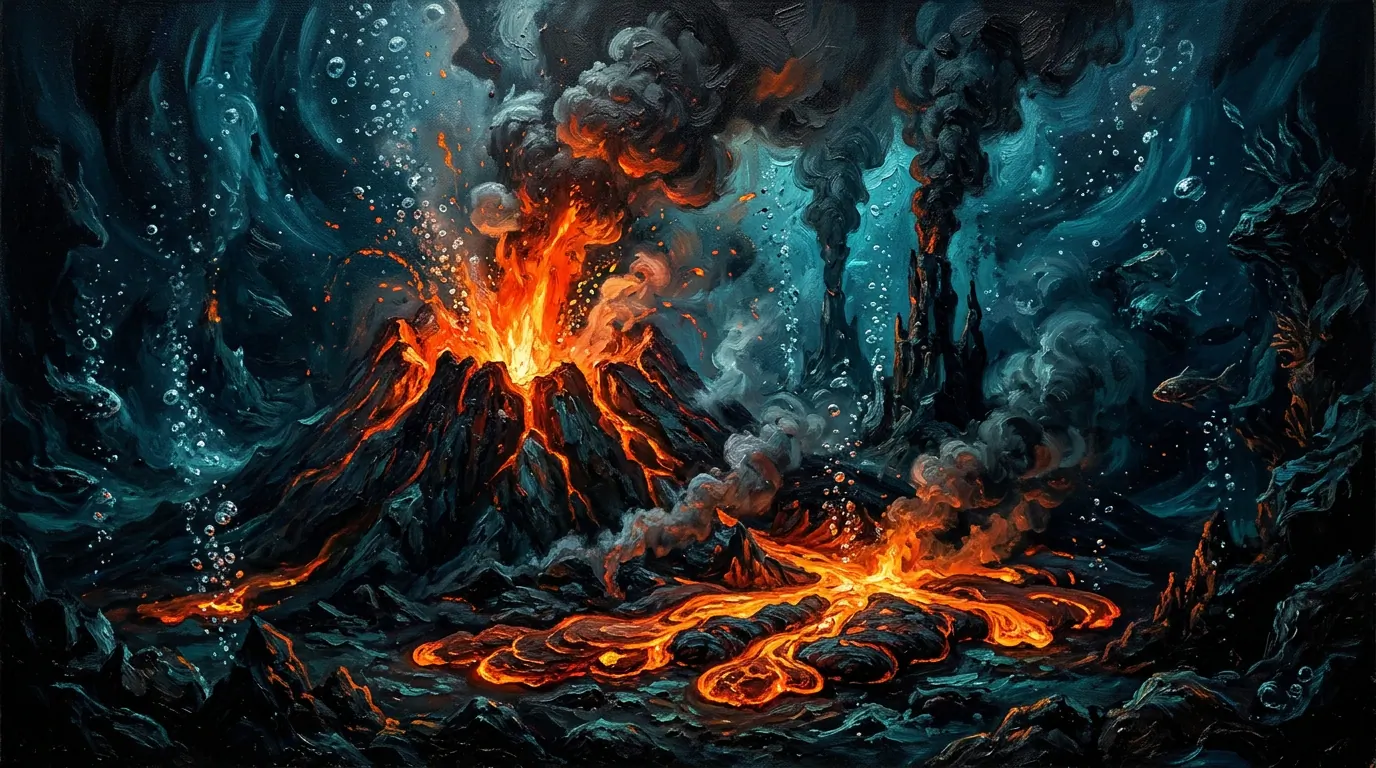
Underwater Volcanoes Trivia: 35 Deep-Sea Eruptions, Sharkcano Calderas & Boiling Abysses
Plunge past the sunlit waves—explore 35 explosive, verified discoveries about underwater eruptions, hydrothermal chimneys, and extreme abyss predators.
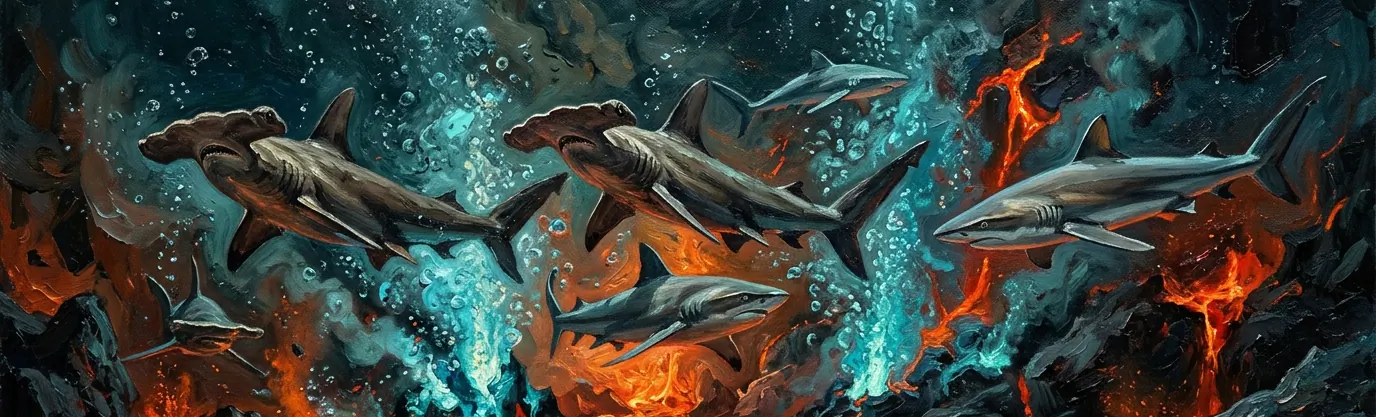
1.Which apex predators were shockingly discovered living inside the boiling Kavachi volcano?
Correct Answer: A. Hammerhead and silky sharks
Explanation: In 2015, ocean researchers lowered specialized submersibles and baited cameras into the active caldera of Kavachi, an underwater volcano in the Solomon Islands notorious for frequent violent eruptions. To their astonishment, rather than finding a sterile wasteland of scalding sulfuric acid, the cameras recorded scalloped hammerhead sharks and silky sharks gliding nonchalantly through the bubbling volcanic cauldron.
The astonishing discovery immediately earned Kavachi the worldwide pop-culture moniker "Sharkcano." Scientists theorize that these resilient predators may possess heightened sensory adaptations or unique behavioral routines that allow them to detect shifts in volcanic tremor patterns and swim clear shortly before an explosive blast.
Between explosive cycles, the sharks freely patrol the crater basin, likely feasting on mats of sulfur-metabolizing microbes and opportunistic prey drawn to the warm, mineral-rich hydrothermal waters.
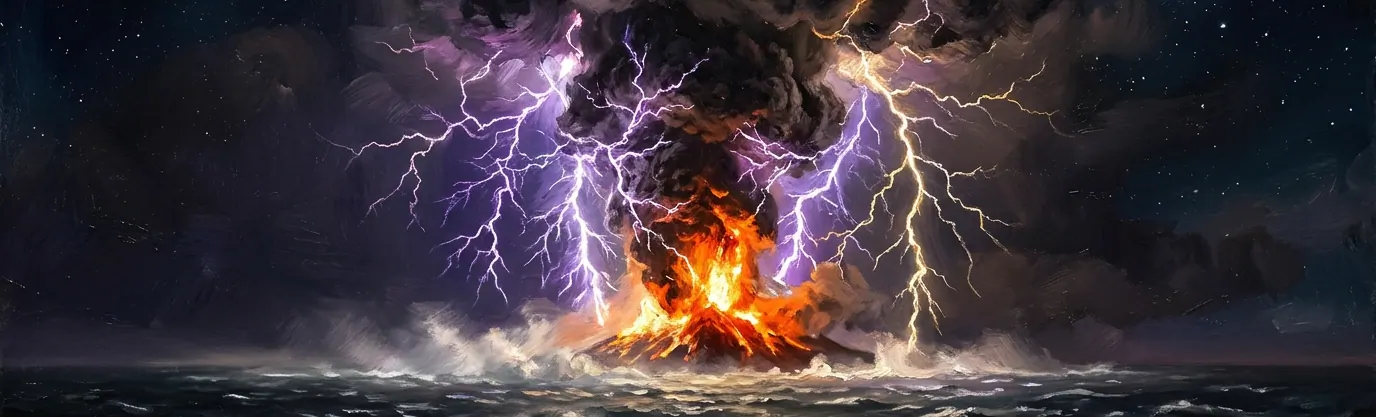
2.What layer of Earth's atmosphere was pierced by Hunga Tonga's 2022 volcanic blast?
Correct Answer: B. The mesosphere
Explanation: When the Hunga Tonga–Hunga Haʻapai submarine volcano erupted violently on January 15, 2022, it unleashed the most energetic atmospheric explosion recorded by modern instruments. The colossal blast shot an eruption column of water vapor, gas, and pulverized rock an astounding 57 kilometers (35 miles) into the sky.
This monumental height penetrated far past the stratosphere and punched clean into the mesosphere, the frigid atmospheric realm typically traversed only by shooting stars and meteors. Satellite imagery confirmed it as the highest volcanic plume ever observed from space.
The explosion generated atmospheric pressure shockwaves that reverberated around the entire globe four times and sent tsunamis racing across the Pacific basin, reshaping our understanding of submarine volcanic hazards.
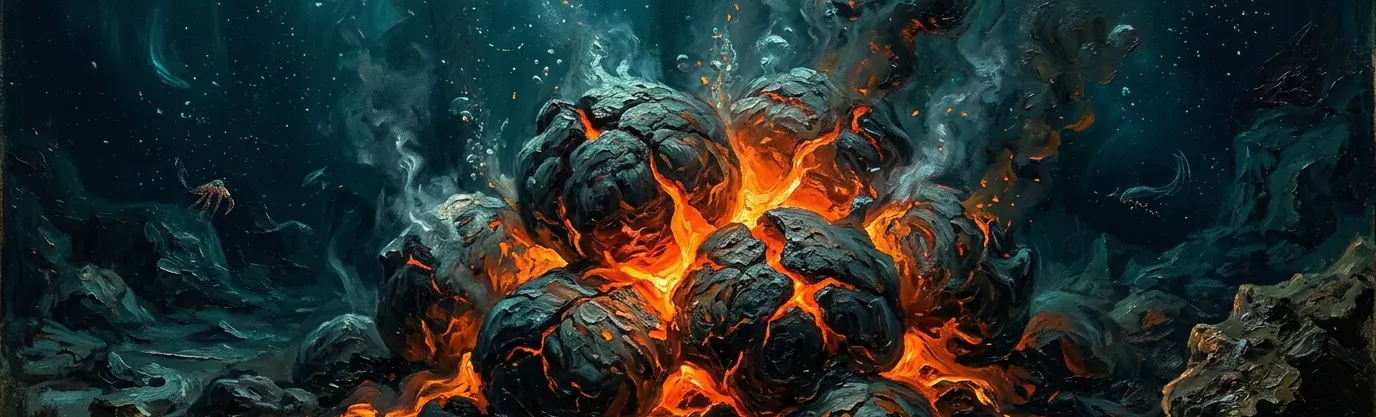
3.What bulbous, rounded shapes form when hot deep-sea lava hits freezing water?
Correct Answer: C. Pillow lava
Explanation: When basaltic lava oozes out along mid-ocean ridges and deep abyssal fissures, it collides with bottom seawater hovering just above freezing. The sudden thermal shock instantly quenches the exterior of the flowing magma into a flexible, glassy crust.
As additional molten rock pumps from below, it balloons the crust into smooth, stacked, lozenge-like lobes that cool rapidly into basalt heaps resembling fluffy sleeping cushions. Geologists formally classify this quintessential submarine rock formation as "pillow lava."
Because pillow lavas only solidify under significant water depths, their presence in uplifted continental rock formations provides geologists with indisputable proof that an ancient mountain range was once sunken beneath a prehistoric ocean.
4.Roughly what percentage of Earth's volcanic eruptions happen silently beneath the ocean?
Correct Answer: D. About 75 to 80 percent
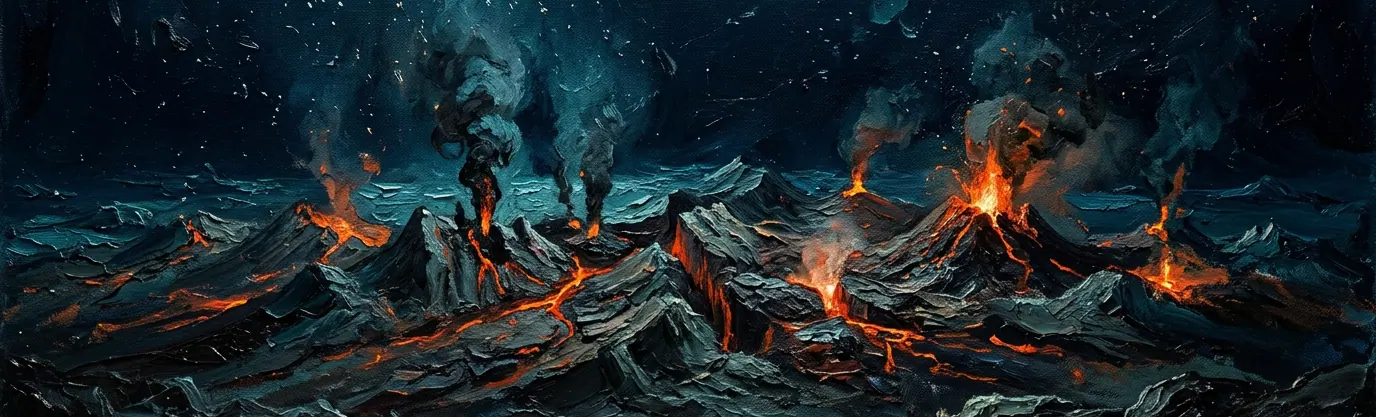
Explanation: While land-based volcanoes like Mount Fuji and Mount Etna capture global news headlines with dramatic smoke plumes, the overwhelming majority of Earth's volcanic fireworks happen completely out of human sight on the ocean floor. Geologists calculate that between 75 and 80 percent of all planetary magma output erupts submarine along mid-ocean spreading ridges.
These vast underwater mountain chains span over 65,000 kilometers (40,000 miles) across the globe, continuously parting and refilling with molten mantle rock. Thousands of submarine fissures and seamounts quietly spew fresh crust onto the ocean basin every single day.
Because miles of overlying seawater absorb the seismic shockwaves and instantly cool the lava, thousands of active underwater volcanoes erupt constantly without humans ever noticing at the surface.
5.Which biological process powers extreme life near sunlight-deprived deep-sea hydrothermal vents?
Correct Answer: A. Chemosynthesis
Explanation: Before the discovery of deep-sea hydrothermal vents in 1977 near the Galápagos Rift, biologists believed all multicellular animal life on Earth ultimately depended on solar power captured through plant photosynthesis. Deep-sea volcanic vents shattered that paradigm by revealing thriving ecosystems thriving in total, pitch-black darkness.
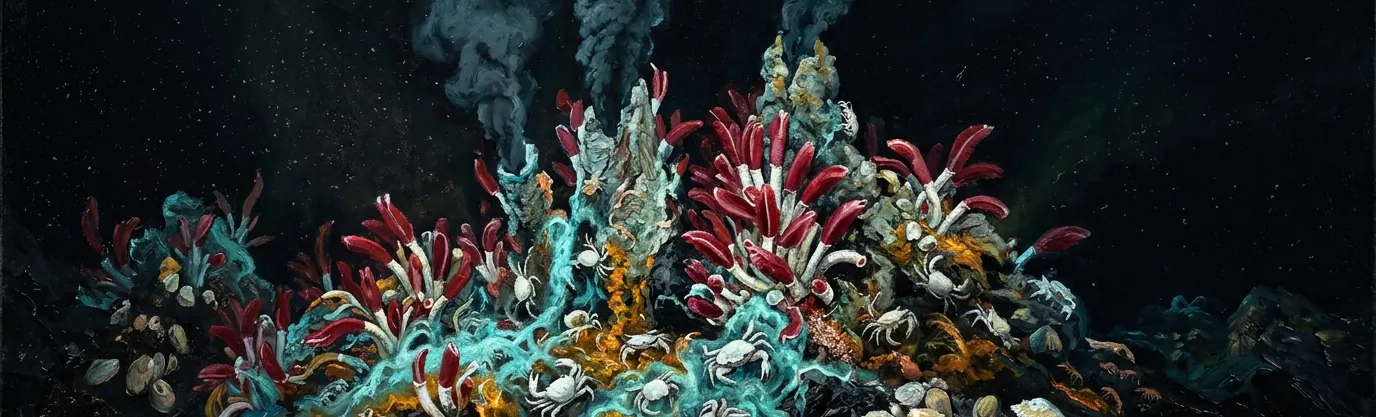
Specialized autotrophic bacteria near black smoker chimneys utilize chemosynthesis, oxidizing hydrogen sulfide, methane, and dissolved minerals erupting from the Earth's interior to produce sugars and biological energy.
These bacteria form the bedrock of the entire hydrothermal food web, living as thick microbial mats or symbiotically inside the tissues of giant clams and mouthless tube worms miles beneath the sunlight zone.
6.What bizarre bodily armor protects the hydrothermal scaly-foot snail from toxic heat?
Correct Answer: B. Iron-sulfide scale plates
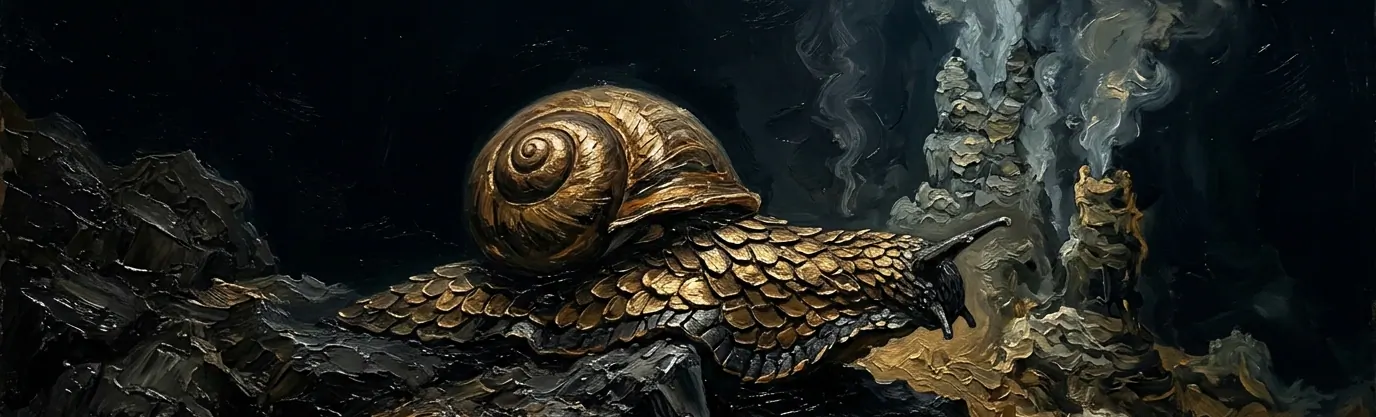
Explanation: Dwelling around superheated hydrothermal chimneys in the Indian Ocean, the scaly-foot snail (Chrysomallon squamiferum) boasts one of the most astonishing biological defense mechanisms in the animal kingdom. Its soft foot is covered in overlapping dermal scales fortified with greigite and pyrite—genuine mineral iron sulfides.
This metallic armor not only protects the snail from scalding vent fluids and predatory crabs, but its multi-layered iron shell actually makes the creature magnetic! Scientists and military armor developers have extensively studied the snail's composite shell structure to design advanced blast-resistant helmets and protective plating.
Because it only lives on a handful of vulnerable mineral-rich vent fields slated for deep-sea mining exploration, the scaly-foot snail became the very first species declared endangered due to potential seabed mining.
7.Why did scientists scold an expedition member on the volcanic island Surtsey?
Correct Answer: A. Pooping in the dirt
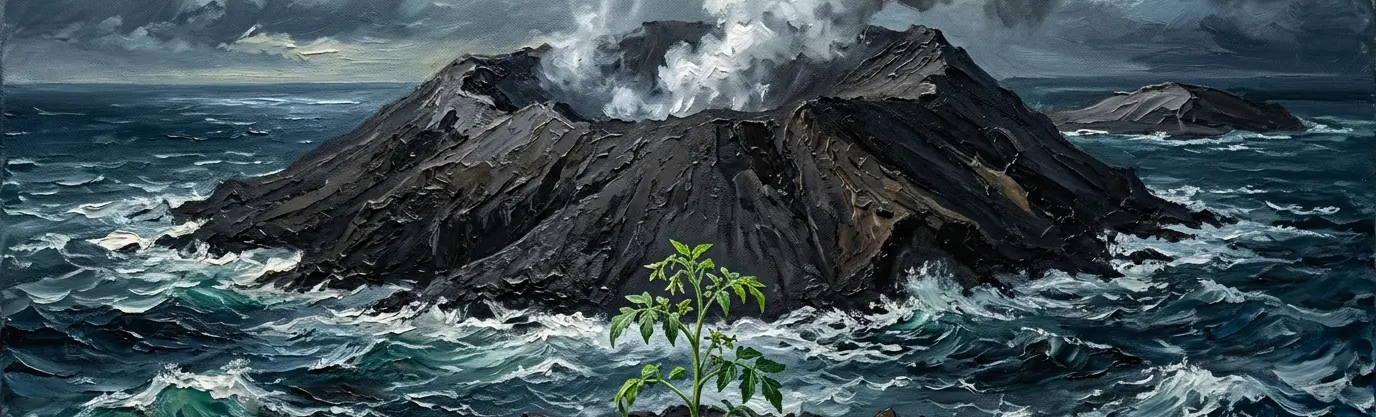
Explanation: When the submarine volcano Surtsey breached the icy North Atlantic off the coast of Iceland in 1963, it created a brand-new, pristine volcanic landmass. Biologists turned the freshly cooled island into an ultra-exclusive scientific reserve to monitor how wild flora and fauna colonize virgin land without any human interference.
Strict biosecurity protocols required all researchers to bury their boots in disinfectant and pack out every ounce of personal trash. However, in the late 1960s, a team of horrified botanists stumbled upon a thriving, green tomato sprout pushing up through the sterile volcanic tephra.
A sheepish researcher soon confessed to secretly defecating in a lava fissure when caught without a portable disposal kit, inadvertently planting a tomato seed from his lunch into the world's most pristine biological laboratory!
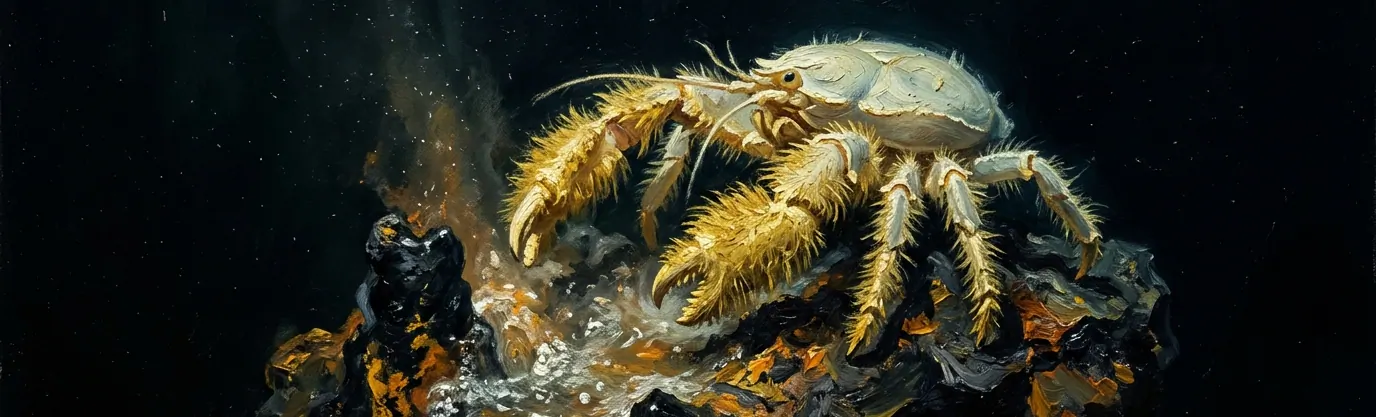
8.What peculiar habit earned the deep-sea hydrothermal crab the name 'Yeti crab'?
Correct Answer: B. Growing hairy bacterial arms
Explanation: Discovered in 2005 along the Pacific-Antarctic Ridge, Kiwa hirsuta astonished marine biologists with its ghostly pale exterior and claws densely covered in silky, fur-like filaments known as setae. This shaggy, abominable-snowman appearance promptly earned it the worldwide nickname "Yeti crab."
The crab's furry claws are not just fashion statements; they serve as portable farms. The Yeti crab sways its fuzzy appendages rhythmically over hydrothermal vent fluids to bathe specialized filamentous bacteria in hydrogen sulfide and oxygen, carefully cultivating thick microbial crops.
Once the bacteria flourish, the crab uses specialized mouthparts like tiny grooming rakes to harvest and ingest the nutritious microbes, turning its own arms into an all-you-can-eat deep-sea salad bar!
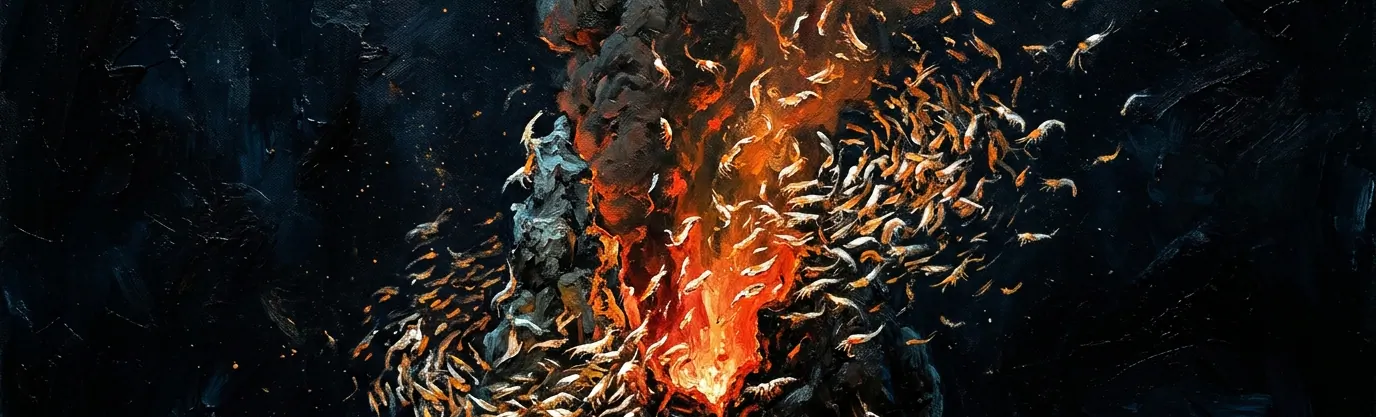
9.How do deep-sea vent shrimp navigate around pitch-black hydrothermal chimneys without eyes?
Correct Answer: C. Infrared thermal patches
Explanation: Swarming in dense, buzzing clouds of hundreds of thousands around Mid-Atlantic black smokers, the vent shrimp Rimicaris exoculata lacks conventional ocular eyes with focusing lenses. Navigating in perpetual midnight miles beneath the ocean, standard eyesight would be utterly useless.
Instead, evolution gifted these pale crustaceans with a specialized dorsal organ—a reflective patch positioned along their upper backs packed with visual pigments designed to detect low-level infrared radiation.
This unique thermal-vision organ allows the shrimp to "see" the faint infrared glow radiating from superheated 400°C vent chimneys, enabling them to safely graze without inadvertently cooking themselves in hydrothermal jets.
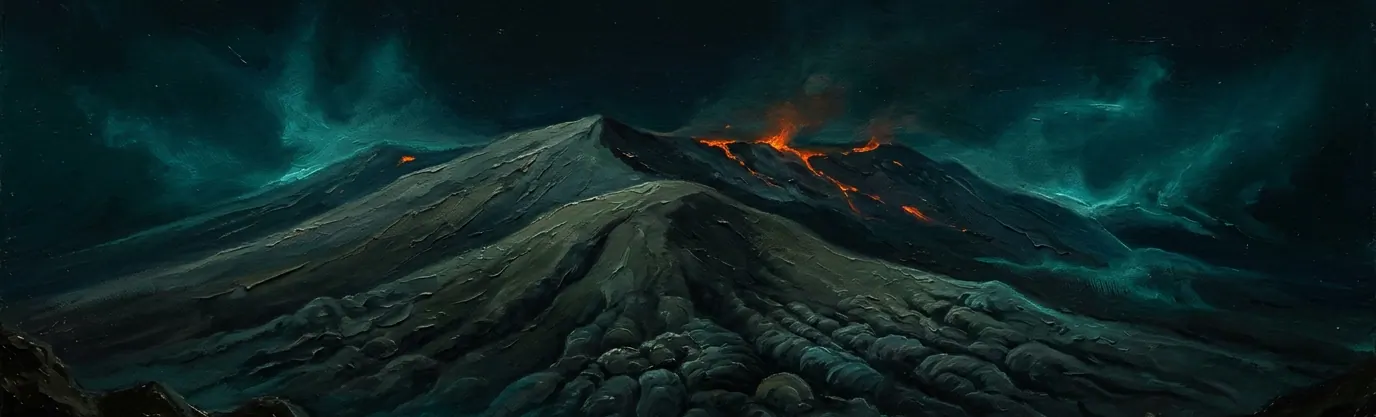
10.Which massive underwater volcanic shield beneath the Pacific rivals Olympus Mons?
Correct Answer: D. Tamu Massif
Explanation: Lurking roughly 1,000 miles east of Japan in the northwest Pacific Ocean lies Tamu Massif, an underwater volcanic colossus spanning an area the size of the British Isles or the state of New Mexico. Spanning over 300,000 square kilometers, it represents one of the largest single volcanic features ever identified in our entire solar system.
Its total surface area and sheer bulk put it on par with Olympus Mons, the legendary Martian giant widely considered the solar system's pinnacle of volcanic majesty. Unlike towering, steep land volcanoes, Tamu Massif slopes so gently that a person standing on its flank would struggle to perceive the incline.
Formed approximately 145 million years ago during the late Jurassic and early Cretaceous periods, this oceanic leviathan poured out immense volumes of basalt magma along a triple-junction seafloor spreading center.
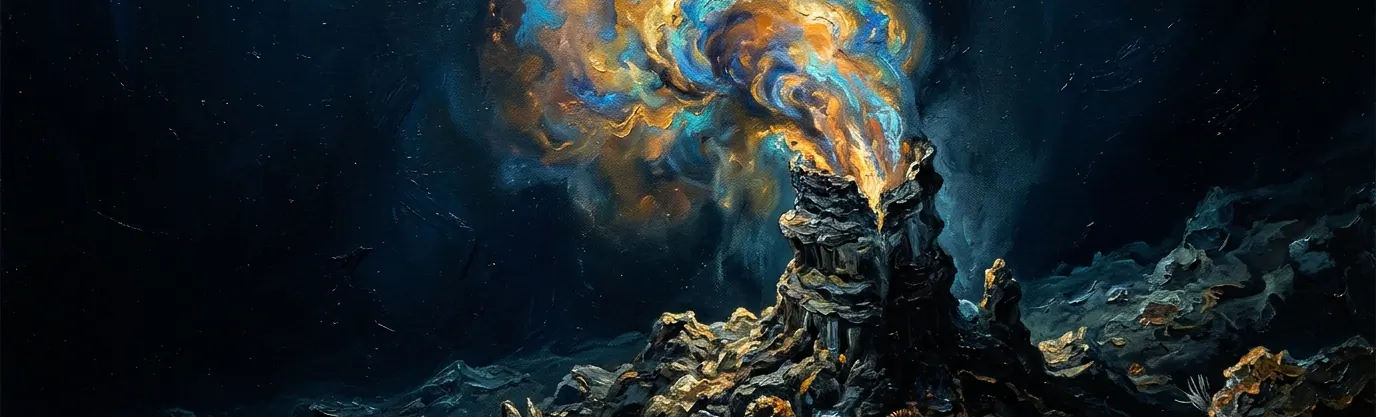
11.Why doesn't 400°C water boil into steam around deep hydrothermal vents?
Correct Answer: A. Immense crushing water pressure
Explanation: Under standard atmospheric pressure at sea level, pure water boils vigorously into steam at 100°C (212°F). However, at the bottom of the ocean where hydrothermal vents spew mineral-choked fluids, the physical laws of thermodynamics take on extreme new dimensions under thousands of meters of water.
The colossal weight of the overlying ocean exerts crushing hydrostatic pressures exceeding 200 to 300 atmospheres. This immense pressure physically clamps the water molecules together, elevating the boiling point far beyond normal limits.
Consequently, hydrothermal vent fluids can reach blistering temperatures of over 400°C (752°F) while remaining in a superheated liquid state, allowing black smokers to belch liquid mineral plumes hot enough to melt solid lead!
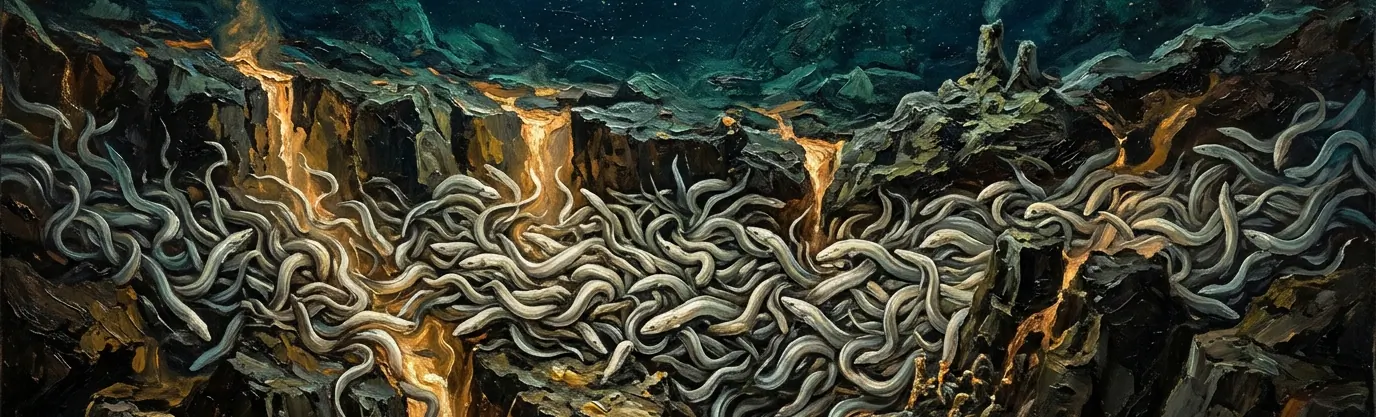
12.What mysterious underwater volcanic structure in American Samoa earned the moniker 'Eel City'?
Correct Answer: B. Vailulu'u submarine crater
Explanation: Inside the summit caldera of Vailulu'u, an active submarine volcano rising thousands of feet from the seafloor of American Samoa, lies an eerie volcanic cone named Nafanua. When oceanographers steered an ROV into its breached crater in 2005, they made a surreal biological discovery.
The volcanic cone's rocky crevices were densely carpeted by thousands of cutthroat eels (Dysommina rugosa), squirming together in thick, serpentine knots. The sheer density of predators in the active crater prompted researchers to officially name the site "Eel City."
The eels appear to shelter within the warm, low-temperature hydrothermal diffusers, feasting on clouds of pelagic shrimp and nutrients carried directly into the volcanic crater by swirling oceanic vortexes.
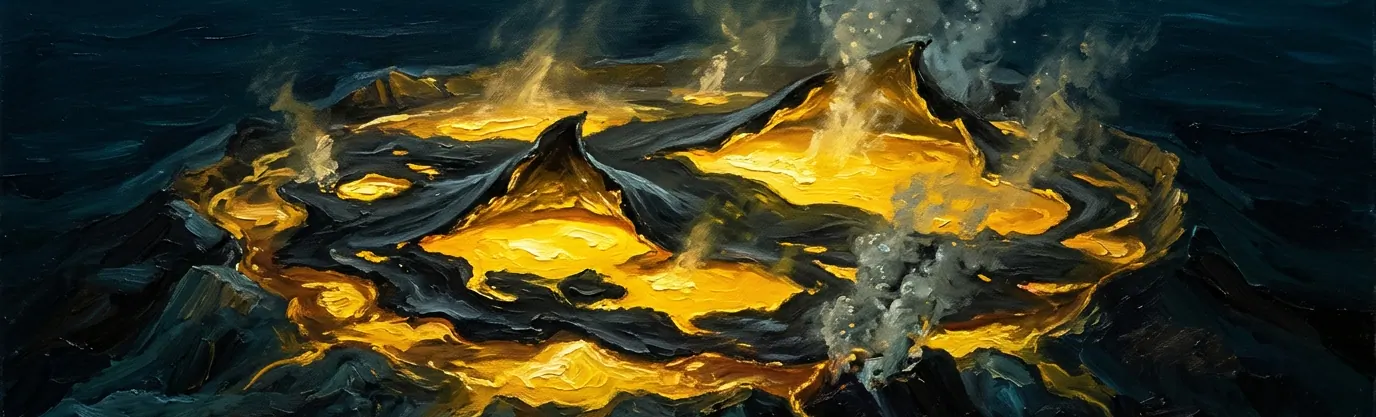
13.What rare geological substance pools into a boiling lake inside Daikoku Seamount?
Correct Answer: C. Pure liquid sulfur
Explanation: Perched along the Mariana volcanic arc north of Guam, Daikoku Seamount harbors one of the most mesmerizing and hazardous geothermal spectacles on Earth: a swirling cauldron of pure molten sulfur. Submersible expeditions in 2006 captured historic video footage of the bubbling volcanic caldera.
Because sulfur melts at approximately 115°C (239°F) and deep ocean pressure keeps nearby seawater liquid well above that threshold, pools of sulfur remain completely liquefied in the crater basin.
The cauldron is capped by a crusty, flexible skin of cooling black sulfur that heaves and ruptures as hot subterranean gases escape, creating an otherworldly bubbling lake that looks more like a sci-fi landscape on Venus than planet Earth.
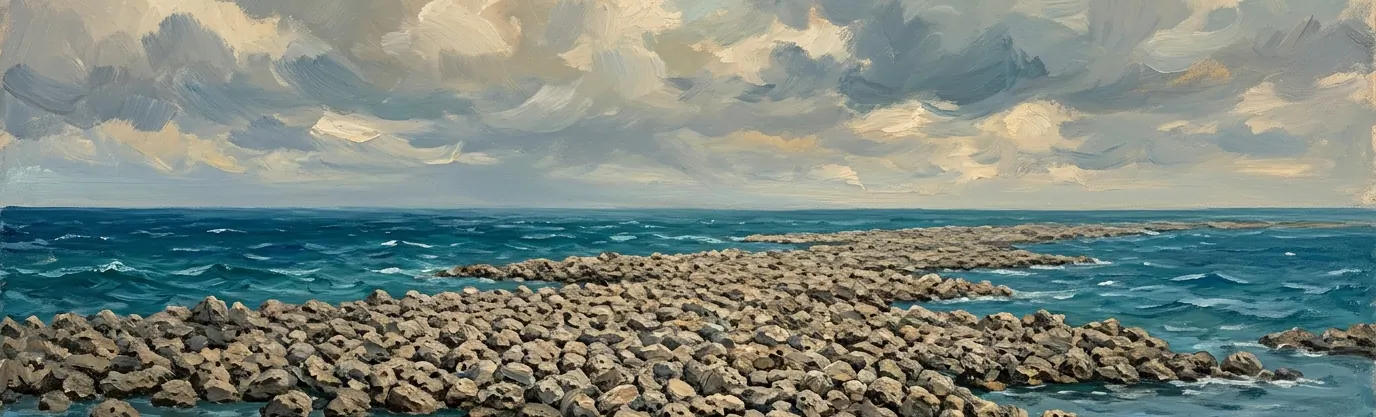
14.What bizarre floating landforms can submarine volcanic eruptions produce across ocean surfaces?
Correct Answer: D. Giant pumice rafts
Explanation: When gas-rich magma explodes underwater at relatively shallow depths, it froths into highly vesicular volcanic rock known as pumice. Filled with millions of tiny, sealed gas pockets, freshly ejected pumice is lighter than ocean water and floats instantly to the surface.
Submarine eruptions—such as the 2012 Havre Seamount blast in the Kermadec Arc—have generated floating pumice rafts spanning hundreds of square kilometers and up to several feet thick. These floating stone sheets are so dense that sailors have literally sailed into fields resembling desolate cobblestone highways.
Pumice rafts can drift across open oceans for months or years, functioning as natural oceanic ferries that transport barnacles, corals, and marine invertebrates thousands of miles across ocean basins.
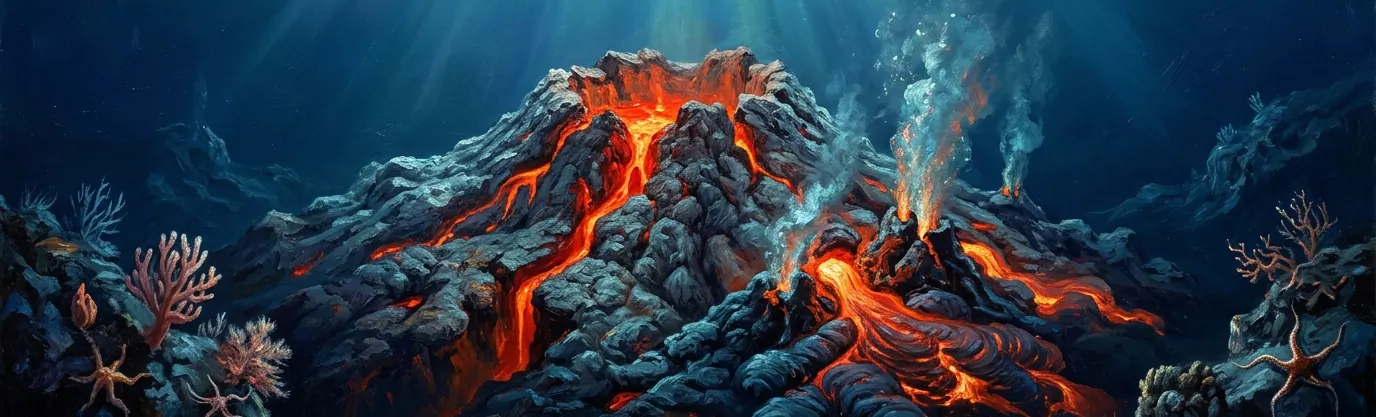
15.Which submarine volcano will eventually breach the Pacific to form Hawaii's next island?
Correct Answer: A. Kamaʻehuakanaloa (Lōʻihi)
Explanation: Located approximately 35 kilometers off the southeastern coast of Hawaii's Big Island, Kamaʻehuakanaloa—formerly known as Lōʻihi Seamount—is the youngest and most active member of the Hawaiian-Emperor seamount chain. Its summit currently rests roughly 975 meters (3,200 feet) beneath the ocean surface.
Fueled by the same stationary mantle thermal plume that constructed Maui, Oahu, and Kilauea, Kamaʻehuakanaloa is continuously stacking fresh basalt lava flows upon its flanks with frequent earthquake swarms and undersea eruptions.
Geologists calculate that in approximately 10,000 to 50,000 years, its volcanic summit will finally break through the Pacific waves, officially crowning a brand-new tropical volcanic island in the Hawaiian archipelago.
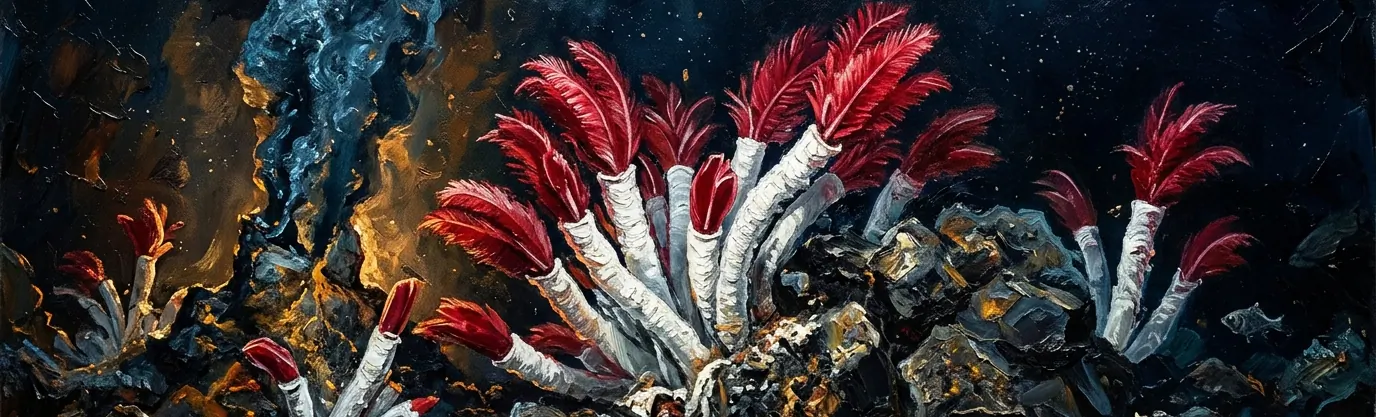
16.What vibrant color distinguishes the deep-sea plumes of giant hydrothermal tube worms?
Correct Answer: B. Crimson red
Explanation: Giant hydrothermal tube worms (Riftia pachyptila) can grow up to eight feet long inside tough, white chitinous tubes anchored to volcanic basalt near hydrothermal vents. Their most striking feature is a brilliant, feathery crimson plume that extends into the surrounding seawater.
This vivid crimson hue is caused by exceptionally high concentrations of complex hemoglobin molecules in their blood—the same oxygen-carrying protein found in human blood cells, but tailored to bind both oxygen and toxic hydrogen sulfide simultaneously without poisoning the worm.
The plume absorbs these chemicals and channels them directly to a specialized internal organ called a trophosome, where billions of symbiotic chemosynthetic bacteria turn toxic sulfur into life-sustaining nutrition.
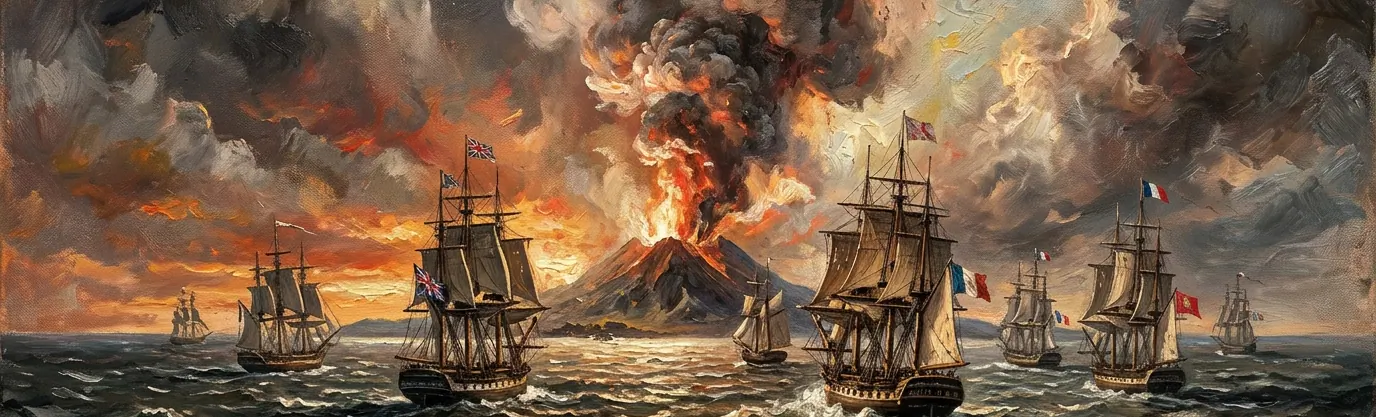
17.Why did Graham Island spark a four-nation diplomatic crisis in 1831?
Correct Answer: C. It sank six months later
Explanation: In July 1831, a submarine volcanic eruption off the coast of Sicily hurled ash, smoke, and basalt into the Mediterranean sky, rapidly coalescing into a brand-new island known as Ferdinandea or Graham Island. Recognizing its strategic maritime location, nations scrambled to plant their flags.
The British Royal Navy promptly claimed the island and hoisted the Union Jack, followed immediately by the Kingdom of the Two Sicilies, while France dispatched scientists to erect their own tricolor banner and Spain lodged formal diplomatic protests.
Just as diplomats were drafting battle plans and trading threats over territorial sovereignty, Mediterranean waves relentlessly eroded the soft volcanic tephra—causing the disputed island to sink back beneath the waves by December of that same year!
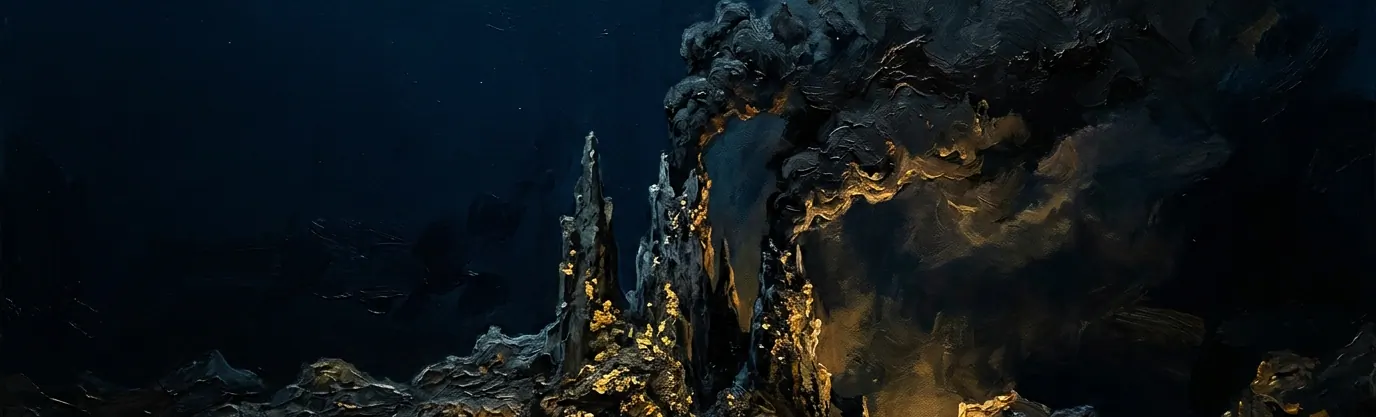
18.What color characterizes towering deep-sea hydrothermal vents rich in iron and copper sulfides?
Correct Answer: D. Black smokers
Explanation: The most dramatic chimneys found along submarine volcanic spreading centers are colloquially known as "black smokers." These mineral towers form as superheated, acidic hydrothermal fluids surging from beneath the crust collide with near-freezing, alkaline ocean water.
The rapid cooling causes dissolved metal sulfides—primarily iron monosulfide, copper sulfide, and zinc sulfide—to immediately precipitate out of solution as fine, soot-like black particles, creating the vivid optical illusion of thick black smoke pouring into the ocean.
Over centuries, these mineral precipitates accumulate layer upon layer, constructing chimney towers that can soar tens of meters high and deposit rich sulfide ore bodies containing copper, gold, and silver on the seafloor.
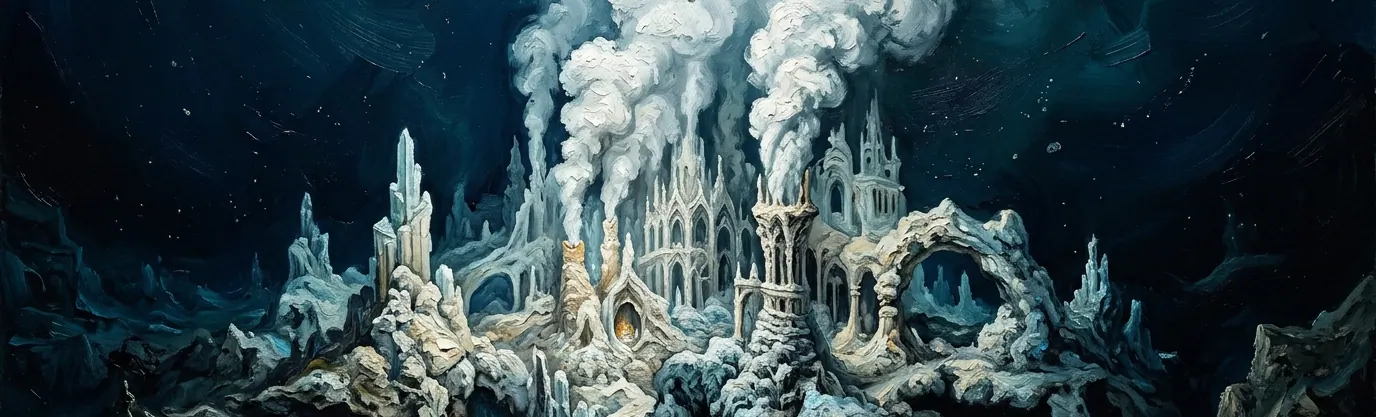
19.What distinguishes white smoker hydrothermal chimneys from their darker, hotter black smoker cousins?
Correct Answer: D. Lower temperatures and barium
Explanation: While black smokers spew searing, acidic metal sulfides at temperatures exceeding 350°C, white smokers represent a cooler, distinct class of hydrothermal activity. White smoker vents typically emit fluids ranging from 200°C to 300°C that are rich in barium, calcium, and silicon minerals.
As these mineral-rich fluids mix with cold seawater, compounds like barium sulfate (barite), anhydrite, and silica precipitate out as milky-white particles, giving the vent fluid the ethereal appearance of pouring white smoke.
White smokers often form on the periphery of volcanic vent fields and can produce intricate, delicate lattice structures and crystalline spires resembling underwater gothic cathedrals.
20.What famous Caribbean submarine volcano was named after a famously ornery donkey?
Correct Answer: C. Kick 'em Jenny
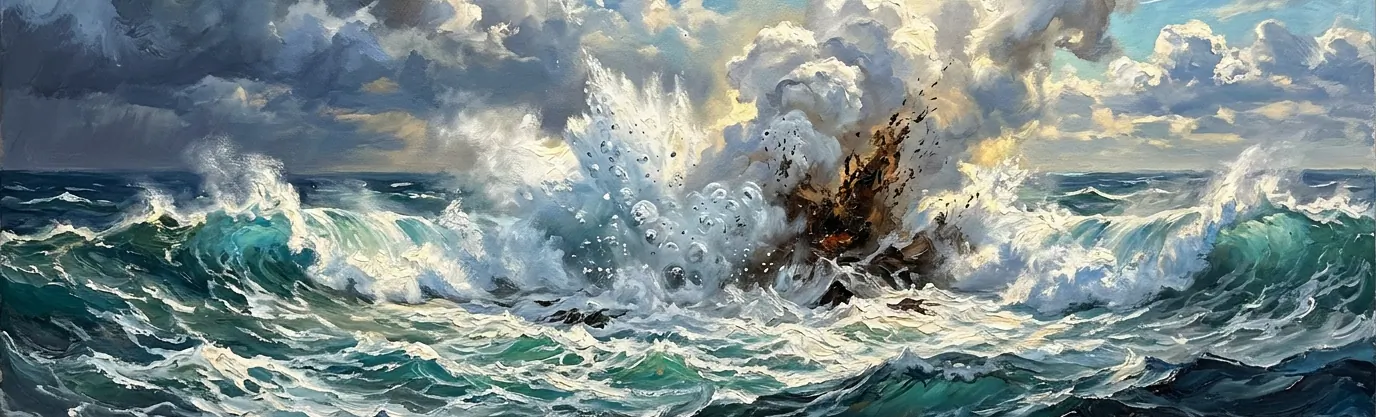
Explanation: Submerged eight kilometers north of the Caribbean island of Grenada, Kick 'em Jenny is one of the most active and hazardous submarine volcanoes in the Lesser Antilles arc. It rises from a seafloor depth of 1,000 meters to within just 180 meters of the ocean surface.
The origin of its quirky name traces back to local sailors who compared the unpredictable, treacherous ocean swells churned up by the volcano's hydrothermal degassing to the violent, bone-rattling kick of an ornery donkey.
Maritime authorities enforce a permanent exclusion zone around Kick 'em Jenny because sudden releases of dense volcanic gas bubbles reduce water density, posing an extreme risk of causing passing ships to lose buoyancy and sink instantly!
21.What geological feature at the Lost City hydrothermal field dwarfs standard volcanic chimneys?
Correct Answer: C. Carbonate chimneys sixty meters tall
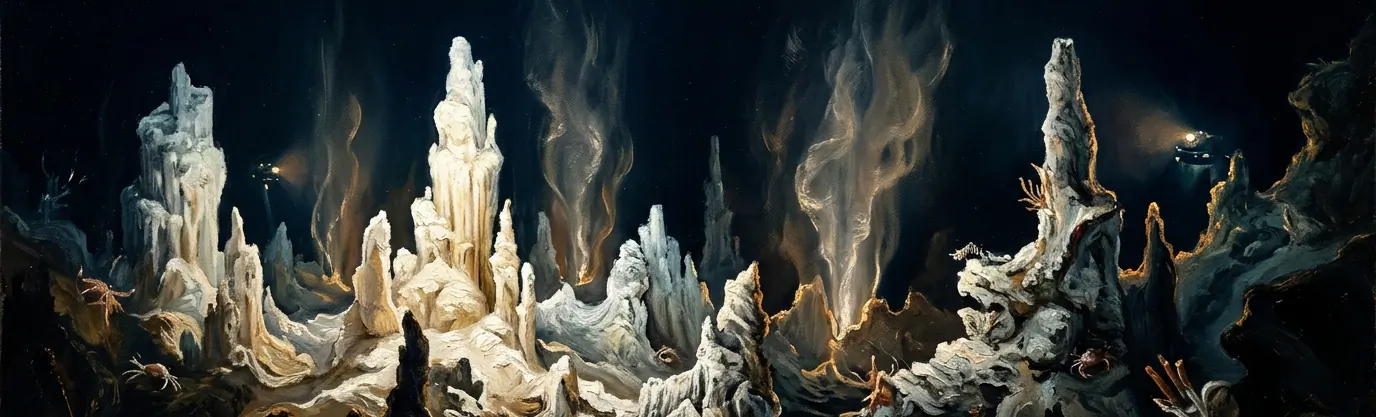
Explanation: Located on the Atlantis Massif along the Mid-Atlantic Ridge, the Lost City hydrothermal field represents one of the most mesmerizing deep-sea structures ever discovered. Unlike typical black smokers driven by volcanic magma heat, Lost City is powered by serpentinization—a chemical reaction between mantle peridotite rock and seawater.
This exothermic reaction produces alkaline, hydrogen- and methane-rich fluids that react with seawater calcium to build towering, brilliant white carbonate towers. The tallest spire, affectionately named "Poseidon," soars over 60 meters (nearly 200 feet) from the seafloor.
Because the conditions at Lost City closely mirror the prebiotic chemistry of primordial Earth, astrobiologists consider it our planet's premier analog for how life may have first originated on ocean worlds like Europa and Enceladus.
22.How do oceanographers monitor the Axial Seamount submarine volcano in real time?
Correct Answer: D. Undersea fiber-optic network cables
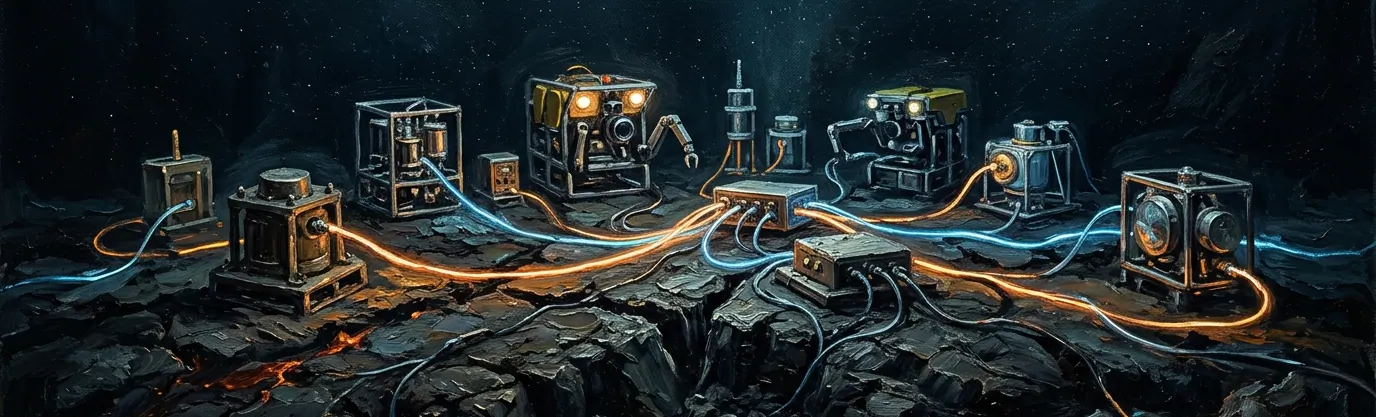
Explanation: Perched along the Juan de Fuca Ridge off the coast of Oregon and Washington, Axial Seamount is the most thoroughly wired and heavily monitored underwater volcano on planet Earth. Its active summit caldera sits 1,400 meters below sea level.
As part of the NSF's Ocean Observatories Initiative (OOI), scientists connected Axial Seamount directly to mainland power and high-speed internet via hundreds of miles of undersea fiber-optic cables plugged directly into seafloor seismometers, tiltmeters, and high-definition cameras.
This cutting-edge subsea laboratory transmits real-time seismic tremors, ground inflation data, and live deep-sea video directly to scientists' laptops, allowing researchers to predict and watch submarine eruptions live as they unfold.
23.What happens when volcanic gas releases reduce the density of surrounding seawater?
Correct Answer: B. Ships instantly lose buoyancy
Explanation: When an active submarine volcano undergoes vigorous degassing, massive columns of carbon dioxide, sulfur dioxide, and superheated steam erupt from seafloor vents, bubbling up through the water column in massive frothy plumes.
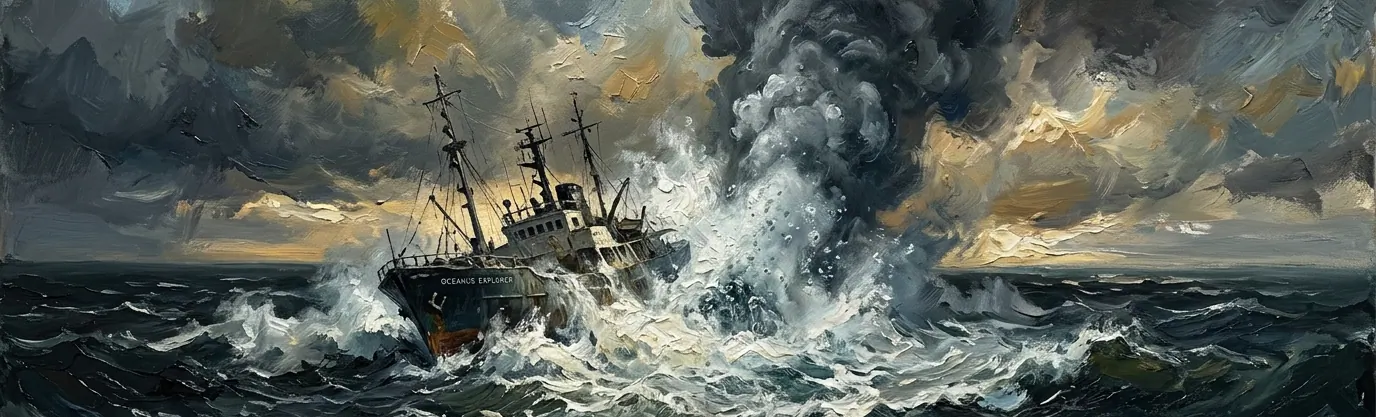
Because these gas bubbles dramatically lower the bulk density of the bubbly seawater mixture, Archimedes' principle of buoyancy breaks down for surface vessels. A ship entering a heavily aerated volcanic gas plume can abruptly lose buoyant support and sink like a stone without warning.
This terrifying physical phenomenon is why international maritime safety agencies establish strict exclusion zones around restless submarine volcanoes like Kick 'em Jenny and Fukutoku-Okanoba.
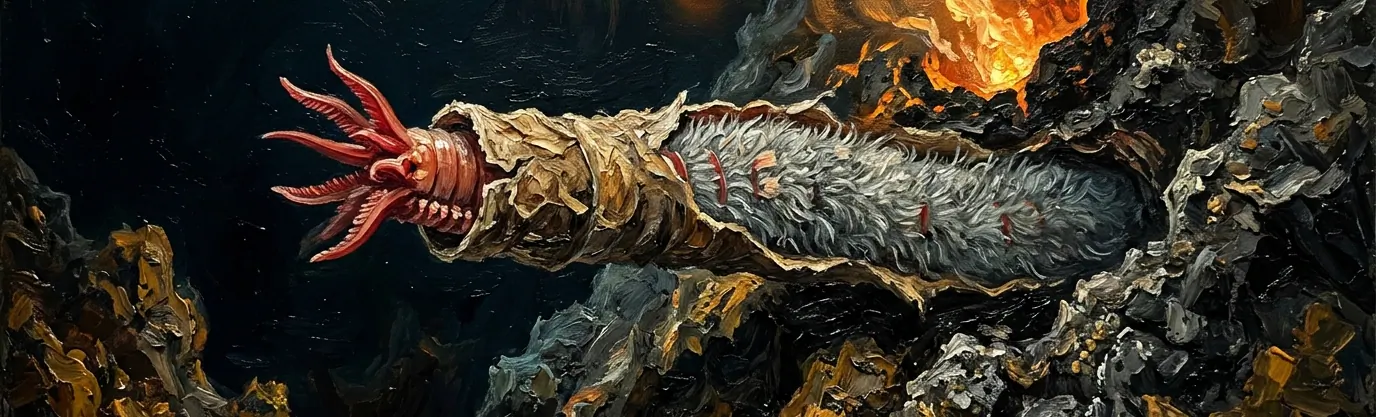
24.What remarkable adaptation enables the deep-sea Pompeii worm to survive 80°C hydrothermal water?
Correct Answer: B. Insulating symbiotic bacterial coats
Explanation: Endemic to deep hydrothermal vents in the Pacific Ocean, the Pompeii worm (Alvinella pompejana) is celebrated among biologists as one of the most heat-tolerant complex animals ever discovered. These polychaete worms build papery tubes directly on the walls of scorching black smokers.
The worm frequently rests with its tail submerged in water as hot as 80°C (176°F) while its head sticks out into cooler 20°C seawater, enduring a temperature gradient that would boil human tissues within seconds.
Researchers discovered that the worm's fleece-like back is carpeted with a thick blanket of symbiotic bacteria. This microbial coat secretes specialized heat-shock proteins and acts as a dynamic thermal insulator, shielding the worm from thermal death.
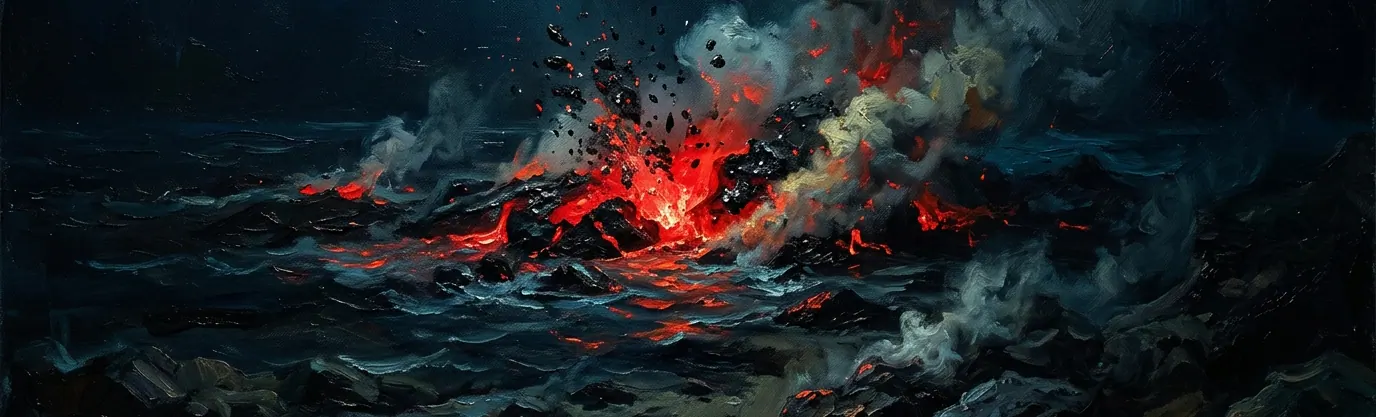
25.Which submarine volcano in the Lau Basin was filmed erupting molten lava live?
Correct Answer: C. West Mata
Explanation: In May 2009, a scientific expedition led by NOAA and the National Science Foundation directed the remotely operated vehicle Jason to the summit of West Mata, a submarine volcano situated over 1,200 meters (nearly 4,000 feet) deep in the Lau Basin near Samoa.
There, for the first time in human history, scientists captured crystal-clear high-definition video of an active deep-sea volcanic eruption. Bright red, glowing blobs of boninite lava—one of the hottest magma types known on modern Earth—burst into the frigid abyss, shattering into volcanic glass and billows of yellow-tinted sulfur steam.
The historic footage confirmed theoretical models of deep-sea pyroclastic eruptions and provided unprecedented insights into how oceanic island arcs construct new crust beneath crushing marine pressure.
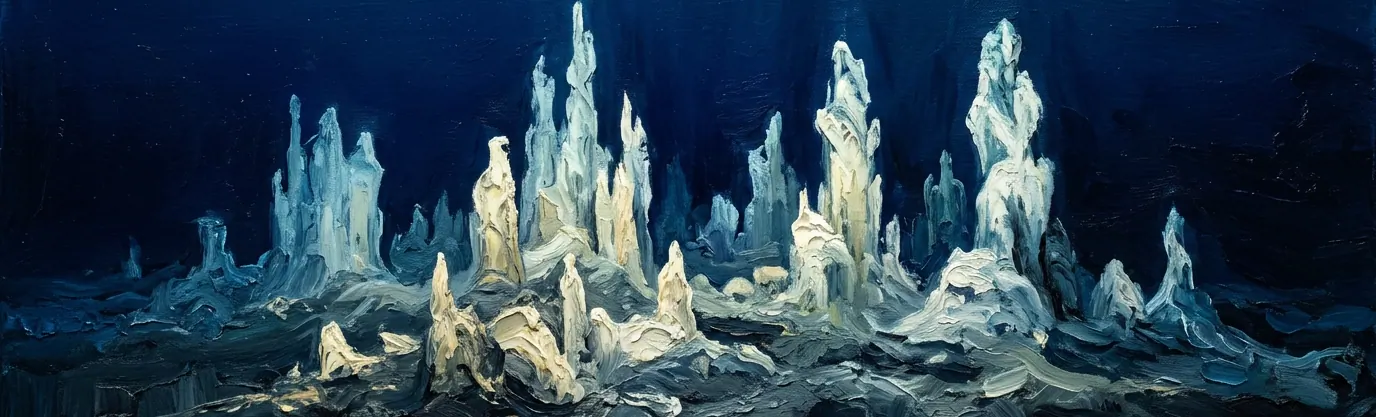
26.What mineralized chimney structures form in the deep sea without any volcanic magma?
Correct Answer: C. Serpentinite carbonate chimneys
Explanation: While classic black smokers require shallow magma chambers to superheat groundwater, hydrothermal fields like Lost City demonstrate that massive undersea chimneys can form without any nearby volcanic magma whatsoever. The entire thermal and chemical engine is powered by serpentinization.
When upper mantle peridotite rocks are exposed to seawater along tectonic faults, the olivine minerals undergo hydration reactions that transform the rock into serpentinite. This chemical metamorphosis is fiercely exothermic, generating heat up to 150°C and releasing copious amounts of hydrogen, methane, and calcium.
When these alkaline fluids seep into cold ocean water, dissolved carbonate minerals precipitate out of solution, slowly building gleaming white limestone spires that can endure for over 100,000 years.
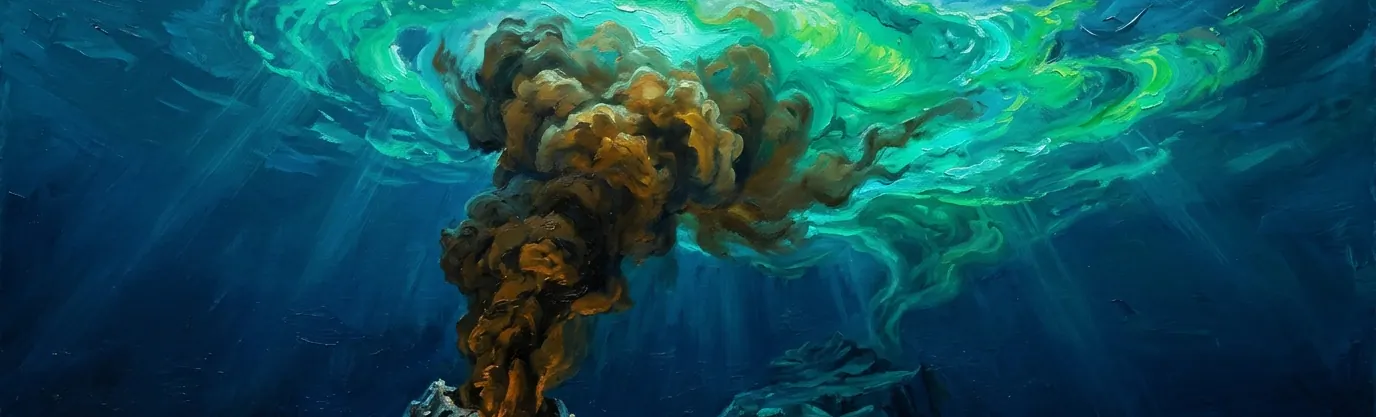
27.Why do iron-rich plumes from submarine volcanoes trigger massive blooms of marine algae?
Correct Answer: D. Iron supplies limiting nutrients
Explanation: Vast expanses of the global open ocean are classified as High-Nutrient, Low-Chlorophyll (HNLC) zones, where sunlight and macronutrients like nitrogen and phosphorus are abundant, yet photosynthetic algae cannot grow due to a severe deficiency of bioavailable dissolved iron.
Submarine volcanic eruptions and hydrothermal venting expel colossal plumes of dissolved iron, manganese, and essential trace minerals miles into ocean currents. These mineral-rich plumes drift upward into the sunlit photic zone, functioning as giant shots of liquid fertilizer.
Upon receiving this bioavailable iron injection, microscopic phytoplankton reproduce explosively, creating gargantuan green blooms spanning thousands of square kilometers that are easily visible from orbiting satellites.
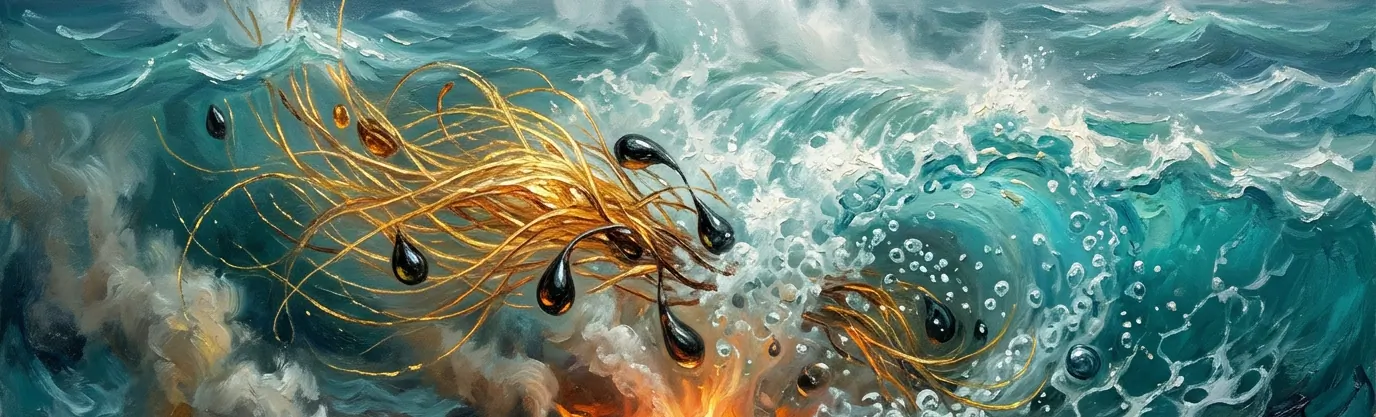
28.What unusual volcanic glass fibers form during shallow explosive submarine eruptions?
Correct Answer: D. Pele's tears and hair
Explanation: When gas bubbles violently burst through molten basaltic magma in submarine and coastal volcanic explosions, tiny droplets of hot lava are stretched and drawn out by churning ocean currents and steam jets into incredibly fine, golden-brown threads of volcanic glass.
Known poetically as "Pele's hair" (named in honor of the Hawaiian goddess of fire and volcanoes), these delicate, brittle filaments can measure several feet long and less than half a millimeter thick. Droplets that freeze into teardrop-shaped glass beads are known as "Pele's tears."
During explosive shallow submarine eruptions, thousands of these hair-like glass needles float in the sea foam, posing a sharp, stinging hazard to unwary marine birds, seals, and curious ocean explorers.
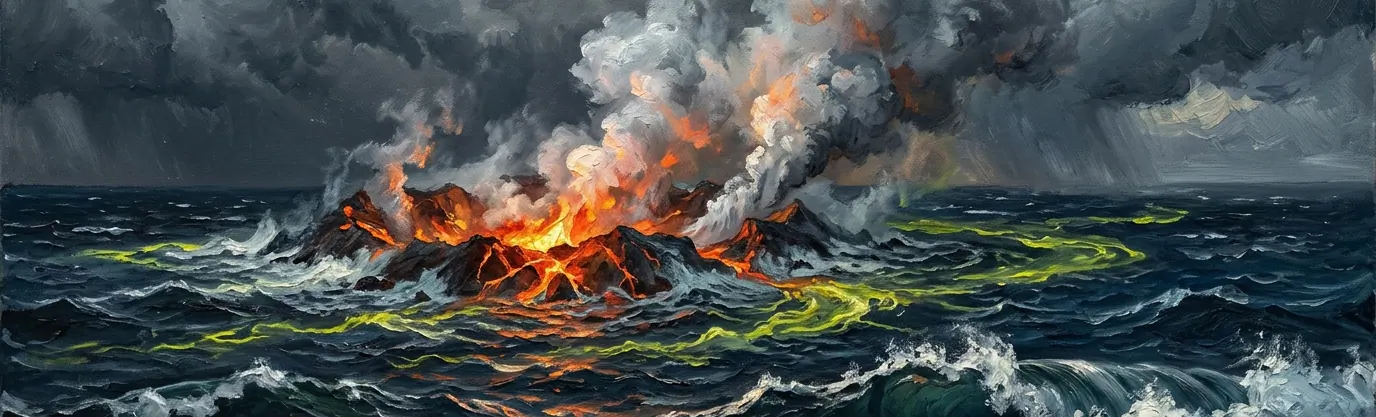
29.Which submarine volcano in New Zealand's Kermadec Arc frequently changes height by meters?
Correct Answer: D. Monowai
Explanation: Perched along the Kermadec Ridge between New Zealand and Tonga, Monowai is one of the most volatile and dynamic submarine volcanoes in the southern hemisphere. Hydrophones and satellite altimeters routinely record explosive acoustic pulses radiating from its restless caldera.
What makes Monowai especially legendary among marine geologists is its dizzying rate of topographic change. Consecutive seafloor mapping surveys have documented the volcano's summit growing taller by tens of meters through rapid lava effusion, only to collapse by over 60 meters in a single week due to catastrophic caldera landslides!
This rapid cycle of building up and sliding away keeps Monowai in constant flux, churning up yellow discolored seawater, sulfur slicks, and acoustic rumblings that reverberate across the southern Pacific.
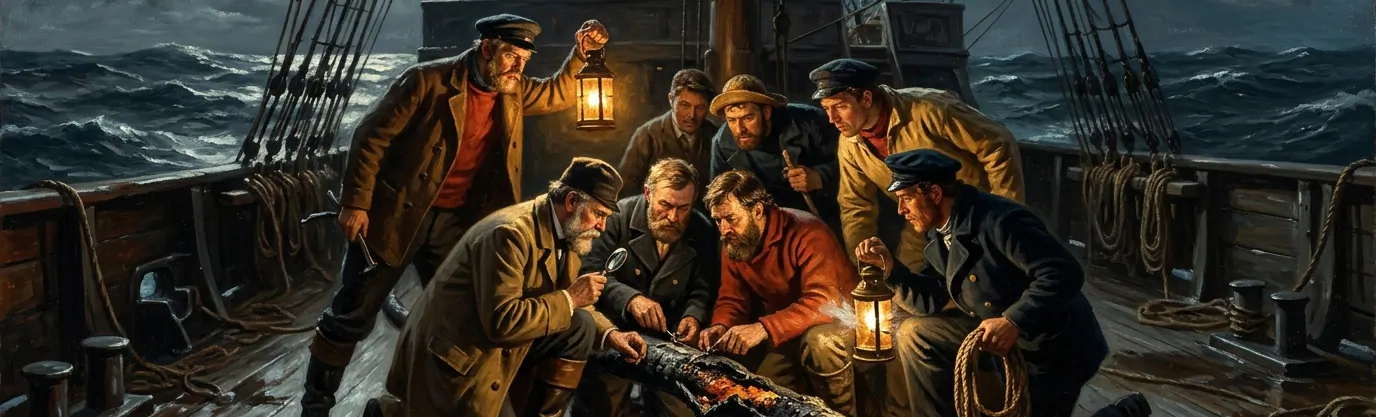
30.What massive undersea cable disaster first alerted Victorian engineers to submarine volcanoes?
Correct Answer: A. Explosions melting telegraph cables
Explanation: During the late 19th century, global telecommunication boomed as engineers laid tens of thousands of miles of gutta-percha-insulated telegraph cables across the deep ocean floor to link continents together. However, telegraph companies were baffled when major transoceanic links abruptly went dead without warning.
When cable repair ships arrived to retrieve the severed lines from abyssal trenches, crews were stunned to haul up charred, melted copper conductors and twisted steel armor wires scorched by temperatures far exceeding typical deep-sea conditions.
These charred cables provided early Victorian geologists with their very first tangible proof that active submarine volcanoes and superheated hydrothermal zones were actively erupting across the deep seafloor.
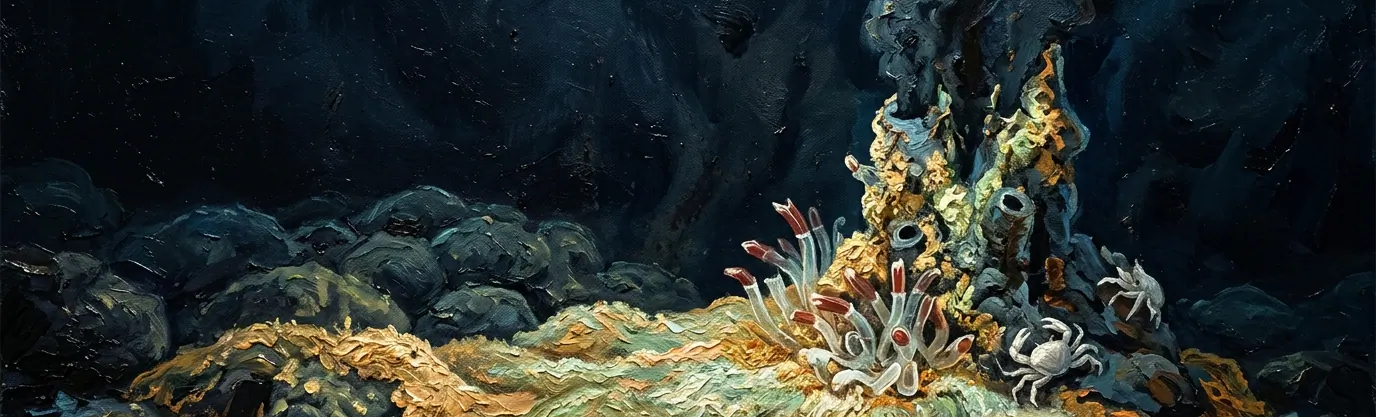
31.What microscopic organisms form the very base of life at hydrothermal vents?
Correct Answer: A. Chemoautotrophic bacteria and archaea
Explanation: In the lightless depths where underwater volcanoes spew boiling mineral fluids, the entire food web rests squarely upon single-celled chemoautotrophic bacteria and archaea. Unlike surface plants that harness photons from sunlight, these microscopic powerhouses harness chemical energy stored in molecular bonds.
By oxidizing dissolved inorganic compounds—such as hydrogen sulfide, methane, ferrous iron, and hydrogen gas—these extremophile microbes synthesize complex organic matter out of dissolved carbon dioxide.
They form the foundation for all vent life: growing as thick, velvety microbial carpets that coat volcanic basalt, thriving inside the tissues of symbiotic invertebrates, and fueling an entire alien ecosystem in total isolation from the sunlit world above.
32.Why do marine scientists treat underwater volcanic CO2 vents as environmental 'time machines'?
Correct Answer: B. They mimic future ocean acidification
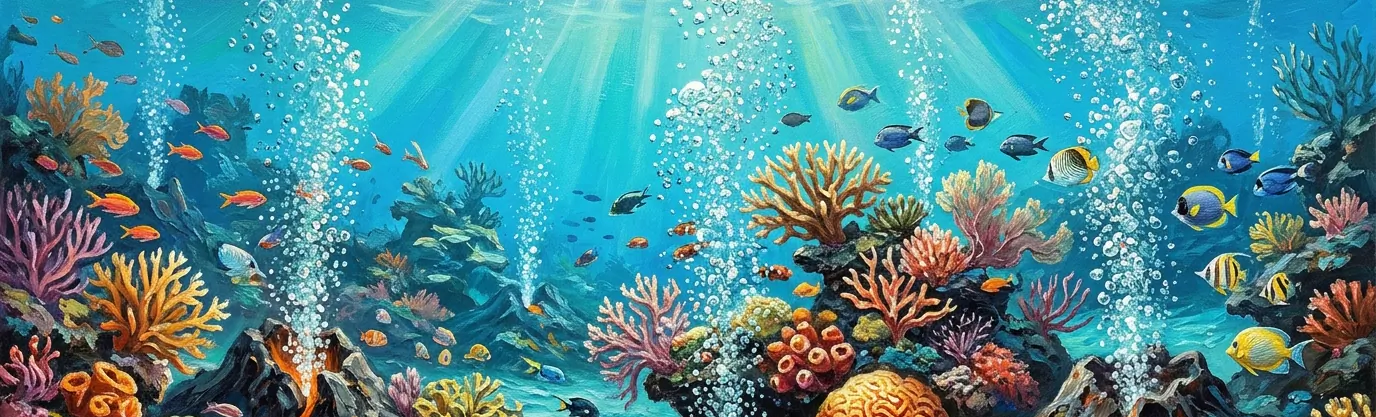
Explanation: Around shallow underwater volcanic vents off the coasts of Italy, Japan, and Papua New Guinea, pure carbon dioxide gas bubbles up from the seafloor like effervescent champagne, dissolving directly into the surrounding water column.
This continuous influx of volcanic CO2 naturally acidifies the local marine environment without altering the ambient water temperature, creating localized gradients of low pH that match what global oceans are projected to experience in the years 2100 and beyond due to climate change.
Marine ecologists flock to these volcanic seep sites as living "time machines," observing how corals, shellfish, and seagrass meadows cope with extreme ocean acidification to accurately predict the future of marine biodiversity.
33.What type of massive underwater hydrothermal plume can swirl across ocean basins?
Correct Answer: B. Megaplumes (or event plumes)
Explanation: During cataclysmic underwater volcanic eruptions or sudden large-scale seafloor spreading events, vast reservoirs of superheated hydrothermal fluids trapped in the oceanic crust can rupture and discharge into the water column within a matter of days.
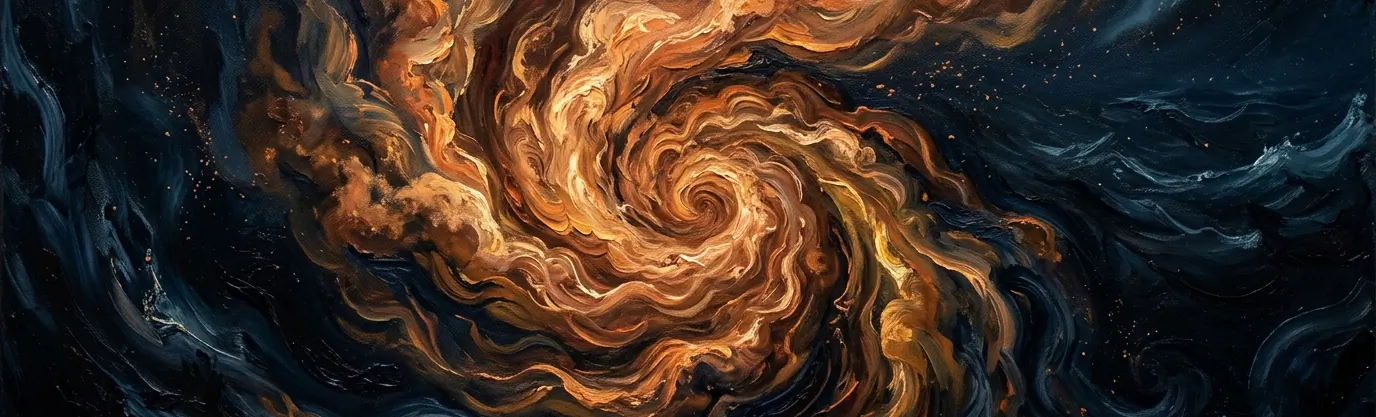
Known to oceanographers as "megaplumes" or "event plumes," these gargantuan hydrothermal bubbles can measure up to 20 kilometers (12 miles) in diameter and several hundred meters in vertical thickness, carrying trillions of gallons of warm, mineral-rich water.
As the megaplume rises, Earth's Coriolis effect spins it into a giant, self-contained oceanic vortex. These colossal hydrothermal eddies can drift across entire ocean basins for months before slowly dissipating their chemical payload.
34.What happens to the fragile islands created by shallow underwater volcanic eruptions?
Correct Answer: A. Ocean waves quickly erode them
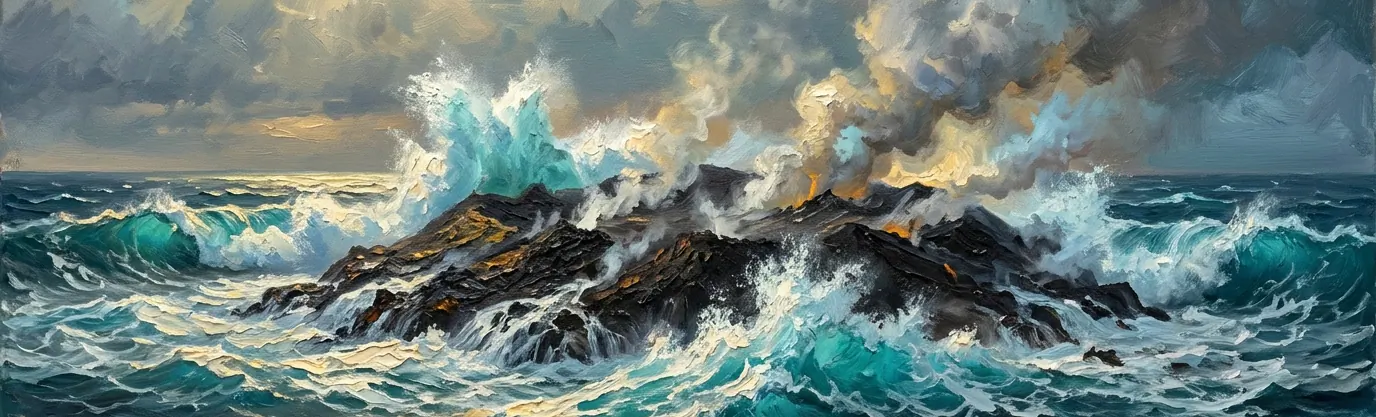
Explanation: When shallow submarine volcanoes like Kavachi, Hunga Tonga, or Fukutoku-Okanoba breach the ocean surface, their violent explosive interactions with water produce mountains of loose scoria, tephra, and porous ash rather than solid basalt bedrock.
Unless an eruption persists long enough to cap the new landmass with dense, protective lava flows, relentless open-ocean wave action and storms attack the fragile structure from all sides.
In dozens of documented cases across the Pacific and Mediterranean, brand-new volcanic islands towering hundreds of feet high have been completely washed away and planed flat beneath the waves by pounding surf in a matter of just a few weeks or months.
35.What metal-rich minerals precipitate to build the walls of black smoker chimneys?
Correct Answer: A. Iron, copper, and zinc sulfides
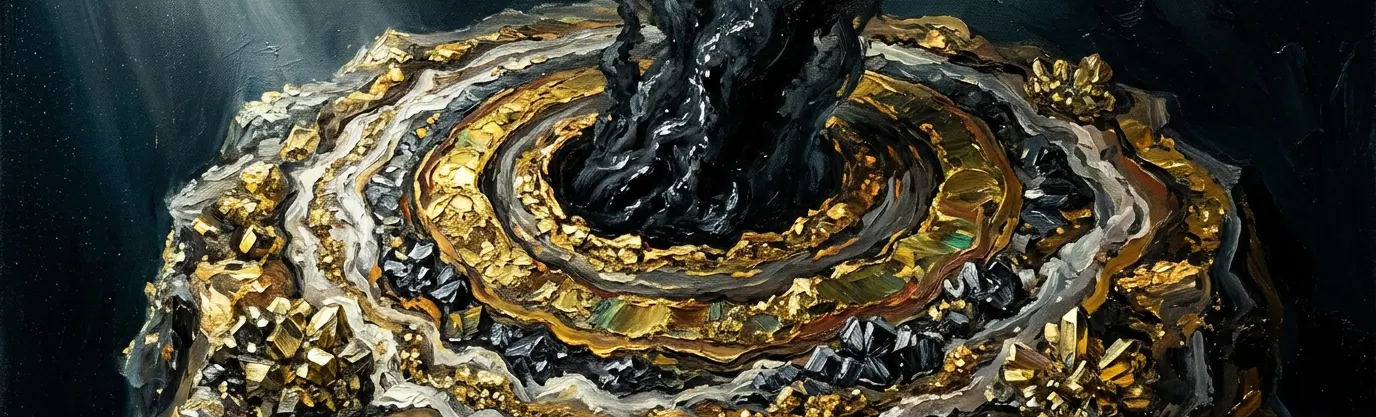
Explanation: Black smoker chimneys are not carved out of native volcanic bedrock; they are literally grown out of the ocean water through continuous mineral precipitation. As superheated vent fluids rich in dissolved metallic elements exit the seafloor, they strike icy 2°C ocean water.
This extreme thermal gradient causes metallic compounds—predominantly chalcopyrite (copper-iron sulfide), sphalerite (zinc sulfide), and pyrite or marcasite (iron sulfides)—to instantly crystallize into porous, interlocking mineral tubes.
As fluids continue surging through the central conduit, additional mineral crystals precipitate against the inner walls, thickening the structure into solid, metalliferous spires that can reach hundreds of tons in weight and contain valuable concentrations of gold and silver.