
World Caves Trivia: 32 Subterranean Giants, Lethal Crystals & Glowworm Abyss
Go deeper than stalactites and stalagmites—explore 32 subterranean wonders spanning lethal gypsum crystals, blind cave dragons, and asteroid-forged cenotes.
1.What bioluminescent insect larvae light up New Zealand's Waitomo Cave ceilings?
Correct Answer: C. Fungus gnat larvae
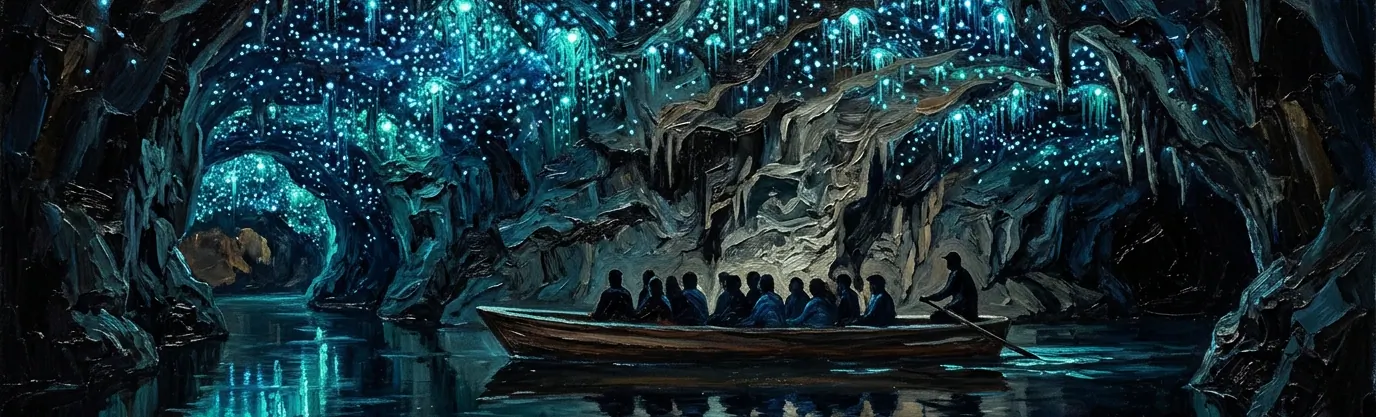
Explanation: Visitors gliding silently by boat through New Zealand's Waitomo Glowworm Caves gaze up at what looks like a subterranean Milky Way of electric blue-green stars. Despite their romantic name, the "glowworms" (Arachnocampa luminosa) are not worms or beetles at all—they are the predatory maggot-like larvae of a native fungus gnat.
Each larva clings to the damp limestone ceiling inside a mucus hammock and lowers up to seventy sticky, silk-like fishing lines beaded with translucent droplets of mucus. Next, a chemical reaction inside the larva's tail organ (combining luciferin, luciferase enzyme, adenosine triphosphate, and oxygen) emits a vivid cyan-blue glow that tricks hatching river insects into flying upward toward what they think is a starry night sky.
Even stranger, the hungrier a Waitomo fungus gnat larva becomes, the brighter its tail glows—until a midget insect gets tangled in the sticky silk threads and the larva reels up its glowing fishing line for dinner!
2.Why can humans survive only ten minutes unprotected inside Mexico's Crystal Cave?
Correct Answer: A. Lethal heat and humidity
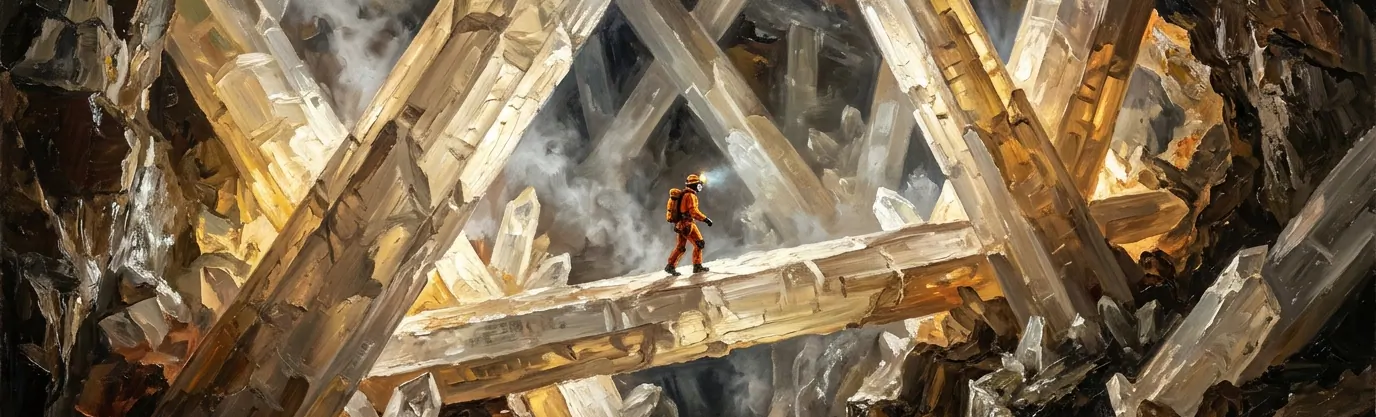
Explanation: Discovered in 2000 by silver and lead miners drilling 300 meters (980 feet) beneath Naica in Chihuahua, Mexico, the Cueva de los Cristales (Cave of the Crystals) looks like Superman's Fortress of Solitude. Its horseshoe-shaped limestone chamber is crisscrossed by milky-white selenite gypsum crystal beams reaching 11 meters (36 feet) long and weighing up to 55 tons.
For half a million years, the cavern remained flooded with mineral-rich water heated by an underground magma chamber 3 to 5 kilometers below, allowing selenite crystals to grow at the snail's pace of a single hair's width per century. When mining pumps drained the water, the empty chamber retained a brutal climate of 58°C (136°F) with 90% to 99% relative humidity.
Because the air inside the cave is hotter than the human body's core temperature and completely saturated with moisture, sweat cannot evaporate—and even worse, every breath an unprotected visitor inhales condenses boiling water directly onto the cooler lining of their own lungs, causing fatal drowning on dry land within ten to fifteen minutes without ice-packed cooling suits and chilled respirators!
3.Which U.S. state hides Mammoth Cave, Earth's longest mapped subterranean labyrinth?
Correct Answer: D. Kentucky
Explanation: Beneath the rolling green hills of south-central Kentucky lies Mammoth Cave National Park, home to the undisputed longest cave system ever mapped on Planet Earth. Despite its name, the cave has nothing to do with prehistoric woolly mammoths—"Mammoth" was coined in the early 1800s simply to describe the colossal scale of its underground avenues and rotunda chambers.
Over millions of years, the Green River and acidic groundwater dissolved thick beds of Mississippian limestone beneath a protective, waterproof roof of Big Clifty sandstone. While the sandstone cap rock prevented the tunnels from collapsing, shifting water tables carved five stacked levels of interconnected passages.
As of recent surveys by the Cave Research Foundation, explorers have mapped more than 685 kilometers (426 miles) of continuous labyrinth inside Mammoth Cave—nearly twice as long as the second-longest cave system on Earth (Mexico's Sistema Sac Actun)—with hundreds of miles of undiscovered passages still waiting in the dark!
4.How long was Romania's toxic Movile Cave sealed from surface life?
Correct Answer: B. Five million years
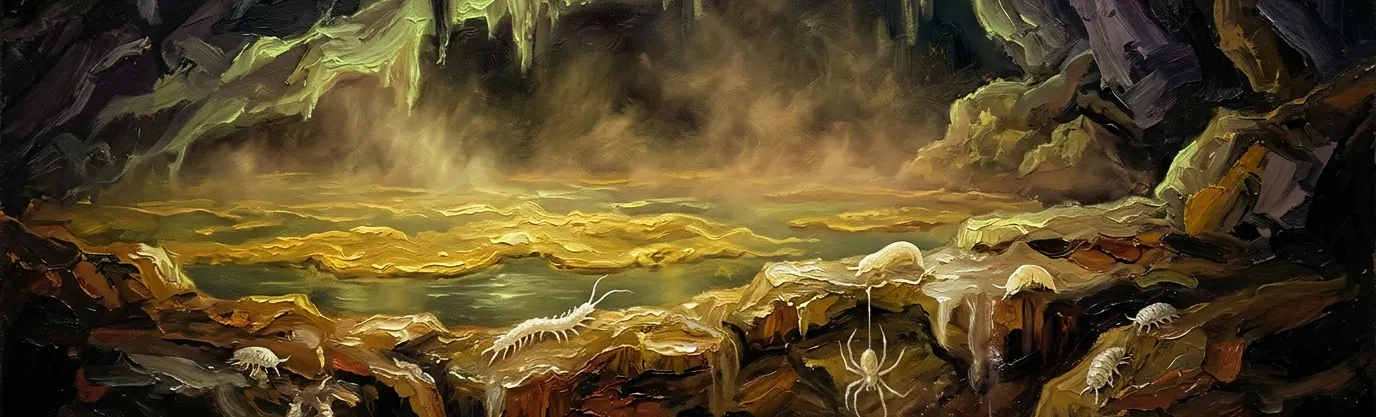
Explanation: In 1986, Communist Romanian engineers drilling near the Black Sea coast at Mangalia to test the ground for a new power plant broke into a pitch-black limestone cavern that had been hermetically sealed beneath thick layers of clay and limestone for 5.5 million years.
Inside Movile Cave, the atmosphere is lethal to surface humans: oxygen levels hover at just 7% to 10% (less than half of normal air), carbon dioxide is 100 times higher than on the surface, and the air and water reek of toxic hydrogen sulfide and methane gas. With zero sunlight ever entering the cavern, photosynthesis is completely impossible.
Instead, when biologists descended into the shaft, they discovered a thriving, self-contained alien ecosystem based entirely on chemosynthesis! Floating mats of sulfur- and methane-oxidizing bacteria feed 51 invertebrate species—including 37 endemic blind water scorpions, leeches, pseudoscorpions, and spiders found nowhere else on Earth.
5.Whose curious dog Robot accidentally discovered France's prehistoric Lascaux Cave paintings in 1940?
Correct Answer: C. Four teenage boys
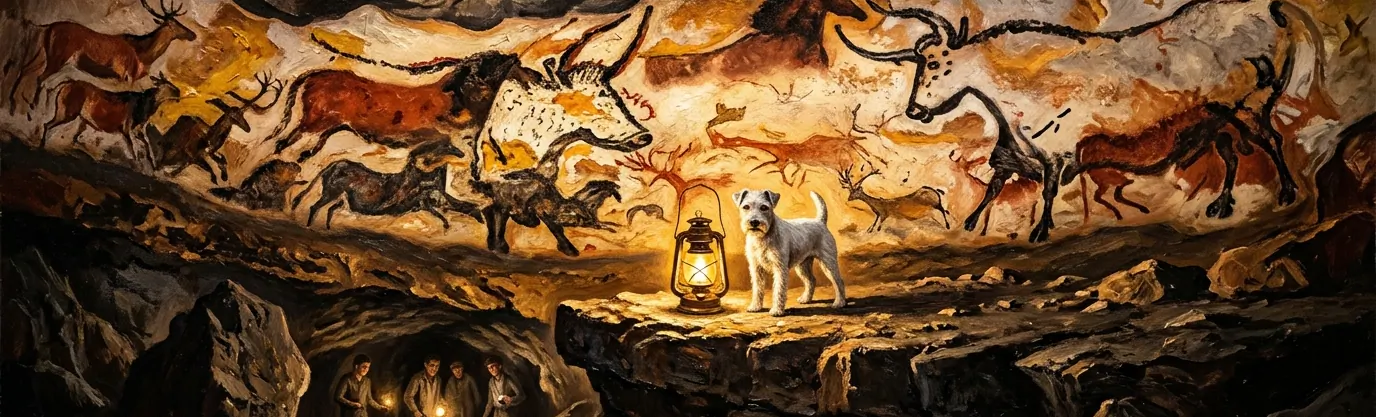
Explanation: On September 12, 1940, eighteen-year-old apprentice mechanic Marcel Ravidat was walking through the woods above Montignac in southwestern France's Dordogne region when his adventurous white wire-haired dog, Robot, began frantically sniffing and digging at a narrow hole left by an uprooted pine tree.
Four days later, Ravidat returned with three teenage friends—Jacques Marsal, Georges Agnel, and Simon Coencas—armed with a homemade oil lamp. Enlarging the fox-sized opening and sliding 15 meters down a rocky shaft, the four boys held up their flickering light and found themselves standing inside the "Hall of the Bulls."
Painted across the pale calcite walls 17,000 to 21,000 years ago by Magdalenian artists were more than 600 vibrant figures and 1,400 engravings of charging aurochs bulls, galloping horses, stags, and bison—quickly hailed as one of the greatest masterpieces of Upper Paleolithic art ever uncovered!
6.How many Boeing 747 jumbo jets could park inside Malaysia's Sarawak Chamber?
Correct Answer: A. About forty jets
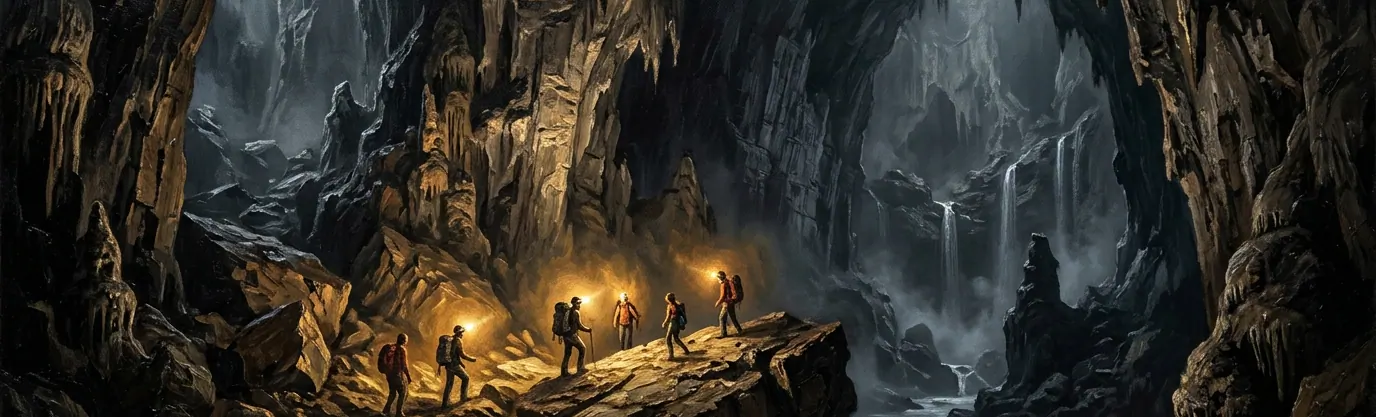
Explanation: Deep inside Gua Nasib Bagus (Good Luck Cave) in Sarawak's Gunung Mulu National Park on the island of Borneo lies the Sarawak Chamber—the largest known natural underground chamber on Earth by surface area and the second-largest by total volume.
When three British cavers—Andy Eavis, Dave Checkley, and Tony White—swam up an underground river canyon and entered the chamber in January 1981, their headlamp beams vanished into blackness. At first, they thought they had accidentally walked back outside into the Borneo rainforest at night because the opposite wall was completely invisible.
Laser 3D scans later confirmed that the unsupported limestone ceiling arches across a cavern 700 meters (2,300 feet) long, 400 meters (1,300 feet) wide, and at least 80 meters (260 feet) high—an underground stadium big enough to park forty Boeing 747 jumbo jets wingtip to wingtip without touching a single pillar!
7.Which composer wrote his famous Hebrides Overture after visiting Scotland's Fingal's Cave?
Correct Answer: D. Felix Mendelssohn
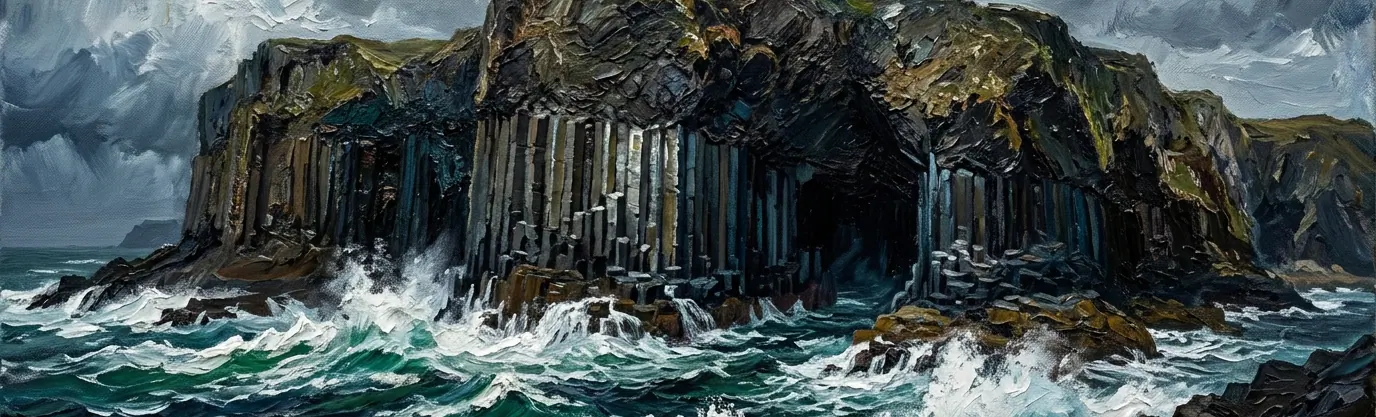
Explanation: Carved into the uninhabited volcanic island of Staffa in Scotland's Inner Hebrides, Fingal's Cave looks as though it was chiselled by giant geometric architects. Its 22-meter-high arched entrance and interior walls are formed entirely of interlocking, six-sided hexagonal basalt columns created 60 million years ago by the same cooling Paleocene lava flows that formed Northern Ireland's Giant's Causeway.
In Gaelic folklore, the sea cavern was known as Uamh-Binn ("The Cave of Melody") because crashing Atlantic swells reverberate inside the vaulted basalt ceiling like a colossal cathedral pipe organ.
In August 1829, twenty-year-old German Romantic composer Felix Mendelssohn braved rough seas in a steamboat to visit Fingal's Cave. Captivated by the booming oceanic echoes against the hexagonal stone pillars, he immediately sketched the opening musical theme on a postcard home—immortalizing the cavern in his 1830 concert masterpiece, The Hebrides Overture!
8.In which mountain range does Veryovkina, Earth's deepest known cave, plunge?
Correct Answer: B. The Caucasus Mountains
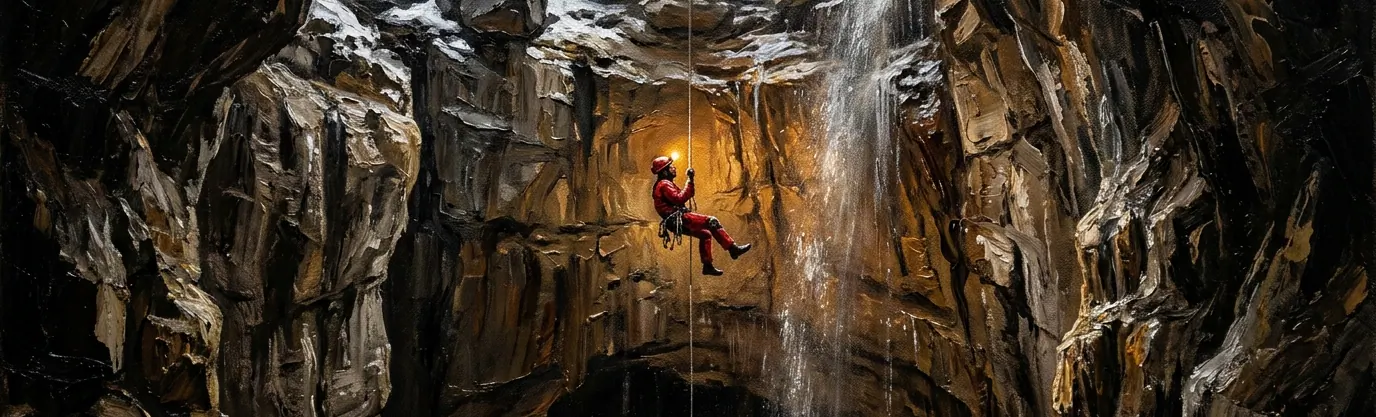
Explanation: High in the snow-swept Arabika Massif of the Western Caucasus Mountains in Abkhazia (Georgia), a vertical karst shaft opens at an altitude of 2,285 meters and plunges into the abyss of Veryovkina Cave—officially measured as the deepest cave ever explored on Earth at 2,212 meters (7,257 feet) deep.
Named after Soviet caver and cave-diver Alexander Veryovkin, the cave requires a grueling week-long vertical rope expedition just to reach the bottom and return to the surface. Cavers must rappel down dozens of freezing vertical shafts, navigate labyrinthine horizontal canyons, and camp inside subterranean tents while dodging sudden catastrophic flash floods triggered by surface snowmelt.
In March 2018, a Russian speleological team led by Pavel Demidov finally reached the cave's terminal sump—an emerald underground lake lying nearly 2.2 kilometers beneath the mountain peak and just 73 meters above the level of the nearby Black Sea!
9.Which Texas cavern shelters twenty million bats, the planet's largest colony?
Correct Answer: A. Bracken Cave
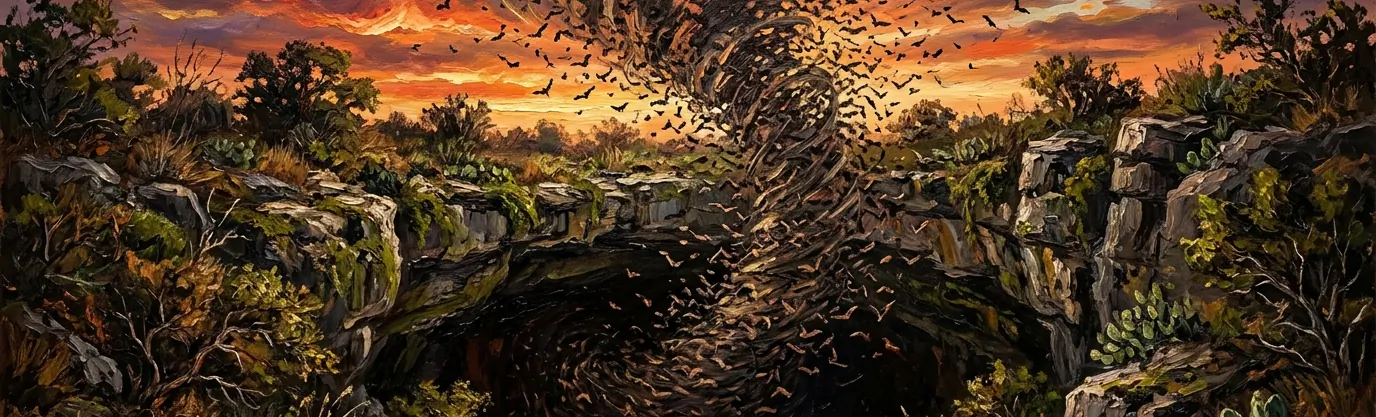
Explanation: Every summer from March to October, a crescent-shaped limestone sinkhole just north of San Antonio, Texas—Bracken Cave—hosts up to 20 million Mexican free-tailed bats (Tadarida brasiliensis), forming the single largest known concentration of mammals anywhere on Earth.
Owned and protected by Bat Conservation International, Bracken Cave acts as a colossal maternity ward where millions of female bats give birth and pack their pups onto the warm cave walls at densities of up to 5,000 baby bats per square meter. Despite the astronomical crowding, returning mothers use distinct vocal calls and scent profiles to locate their own individual pup in pitch darkness.
At dusk, the emerging bat vortex spirals into the Texas sky for three hours straight—forming a biological cloud so dense that it registers on National Weather Service Doppler radar like a thunderstorm while devouring over 140 tons of crop-destroying moths and mosquitoes every single night!
10.What corrosive acid carved New Mexico's massive Carlsbad Caverns from below?
Correct Answer: C. Sulfuric acid
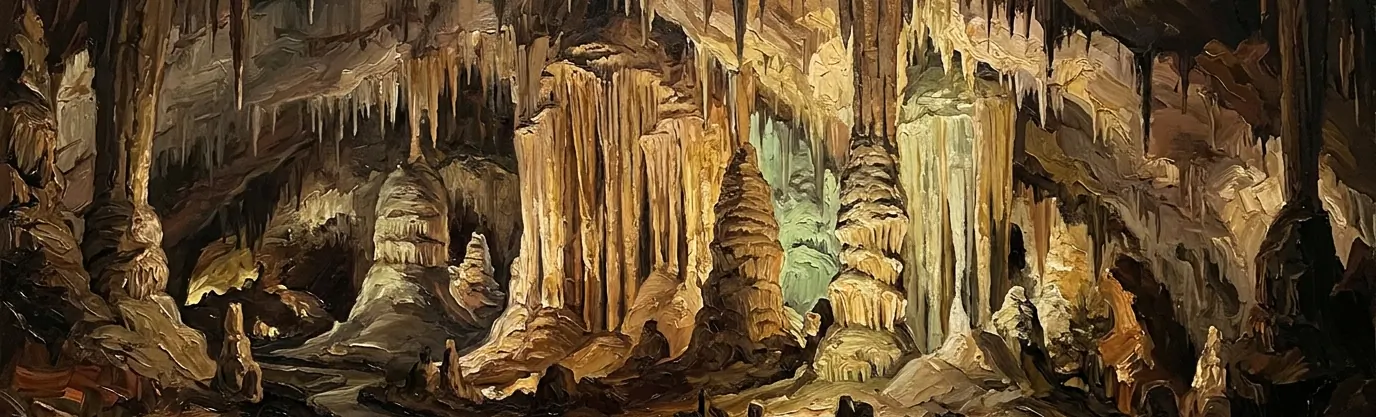
Explanation: Over 90% of the world's limestone caves are carved from the top down by rainwater absorbing carbon dioxide from soil to form weak carbonic acid. New Mexico's Carlsbad Caverns—home to the famous "Big Room" spanning more than six football fields—was excavated in a completely different, far more violent chemical process called sulfuric acid speleogenesis.
Roughly 4 to 6 million years ago, hydrogen sulfide gas (H2S) migrated upward from deep petroleum and natural gas reservoirs in the Permian Basin beneath the Guadalupe Mountains. When that rising gas met oxygen-rich groundwater near the water table, it combined to form intensely corrosive sulfuric acid (H2SO4).
Instead of trickling down from the surface, this sulfuric acid bath aggressively dissolved the ancient Permian fossil reef from the bottom up—leaving behind massive chambers, milky-white gypsum blocks (a direct chemical byproduct of sulfuric acid dissolving limestone), and towering chandelier stalactites!
11.Which country hosts Eisriesenwelt, a forty-two-kilometer labyrinth of subterranean glacial ice?
Correct Answer: D. Austria
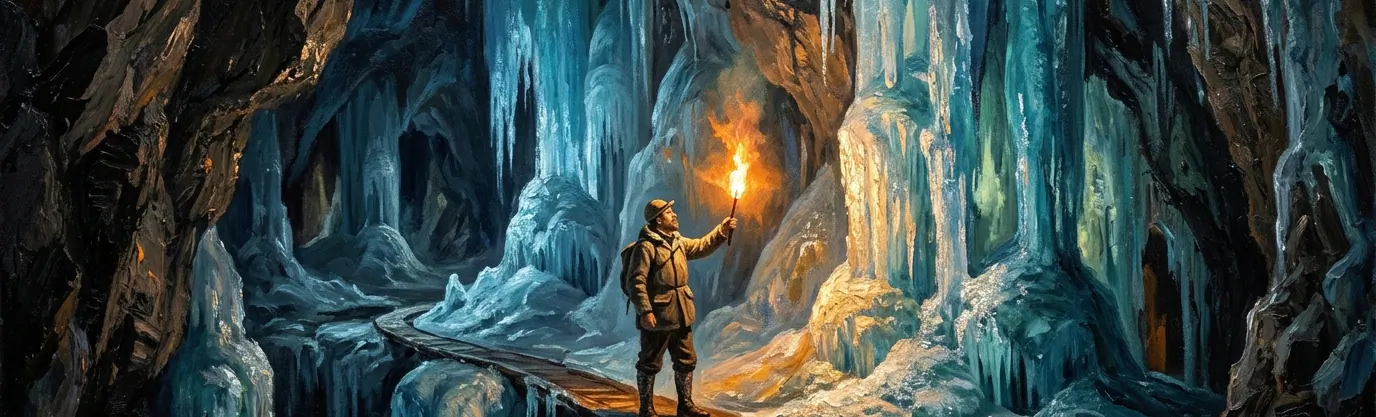
Explanation: Perched high inside the Hochkogel mountain in the Tennengebirge section of the Austrian Alps south of Salzburg lies Eisriesenwelt (German for "World of the Ice Giants")—the largest natural ice cave on Planet Earth, stretching across more than 42 kilometers (26 miles) of limestone tunnels.
Until Salzburg naturalist Anton Posselt ventured inside in 1879, local Alpine hunters believed the freezing mountain portal was the literal entrance to Hell and refused to step past the threshold. What Posselt discovered instead was a glittering subterranean kingdom of frozen waterfalls, towering ice stalagmites, and crystal-blue glacial corridors.
Eisriesenwelt acts like a giant natural chimney: in winter, freezing winds scream into the lower entrance and chill the rock deep below freezing; in spring, melting snow seeps through overhead cracks and freezes instantly upon hitting the supercooled cavern walls!
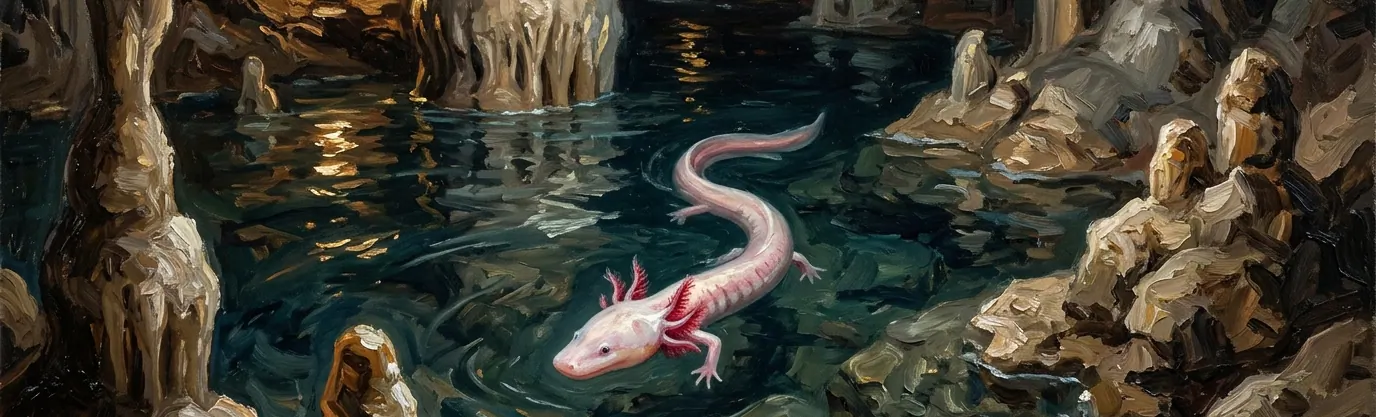
12.What did Slovenian locals once think Postojna Cave's blind pink salamanders were?
Correct Answer: B. Baby cave dragons
Explanation: Swimming through the pitch-black underground rivers of Slovenia's Postojna Cave and the Dinaric Karst is the olm (Proteus anguinus)—Europe's only exclusively cave-dwelling vertebrate. With translucent pinkish-white skin (earning it the local nickname "the human fish"), elongated serpentine bodies, and feathery blood-red external gills, the olm looks straight out of a fantasy novel.
In the seventeenth century, whenever heavy seasonal rains flushed these pale, four-legged subterranean creatures out of mountain springs, Slovenian villagers were convinced that a fearsome fire-breathing dragon lived inside the mountain and that the washed-up olms were its newborn dragon offspring!
Scientifically, the olm is almost as miraculous as a real dragon: completely blind, it hunts tiny cave shrimp by detecting faint electrical fields in the water, can live for up to 100 years, and can survive for an astonishing ten years without eating a single meal!
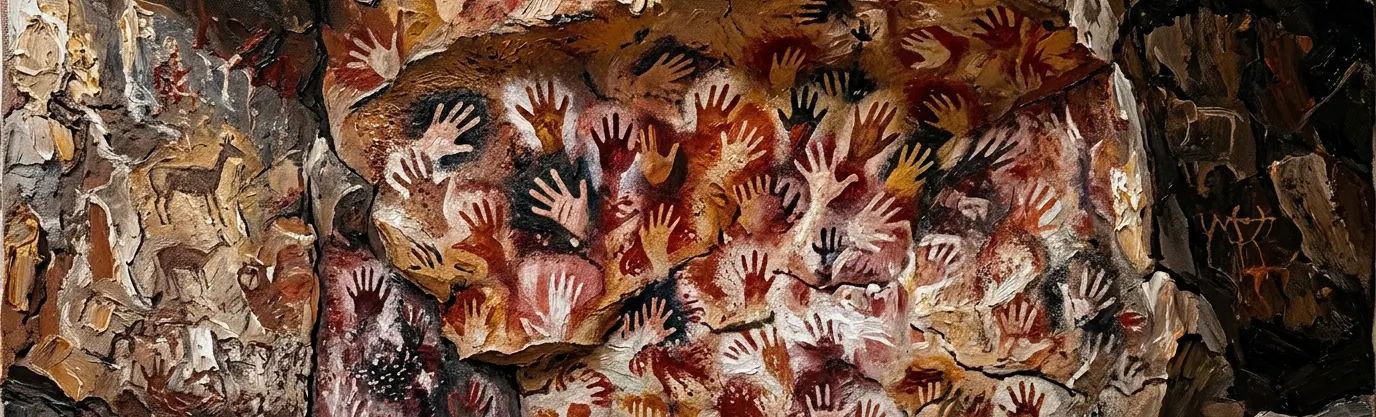
13.How did prehistoric artists spray-paint hundreds of hands inside Argentina's Cave of Hands?
Correct Answer: A. Hollow bone blowpipes
Explanation: Tucked into the steep canyon walls of the Pinturas River Valley in Santa Cruz, Patagonia, Argentina's UNESCO-listed Cueva de las Manos (Cave of the Hands) dazzles visitors with more than 800 vibrant human handprints stenciled across the rock between 9,300 and 1,300 years ago.
Rather than dipping their palms in paint and pressing them onto the stone, Paleo-Indian hunter-gatherers invented prehistoric airbrushing! Artists mixed mineral pigments—iron oxides for red and purple, kaolin for white, natrojarosite for yellow, and manganese oxide for black—and blew the liquid mist through short, hollow bird-bone tubes directly over their outstretched hands.
Because most of the stenciled outlines are left hands, archaeologists deduced that right-handed artists held the bone blowpipe in their right hand while pressing their left palm flat against the canyon wall—leaving behind a vivid, personal signature across nine millennia!
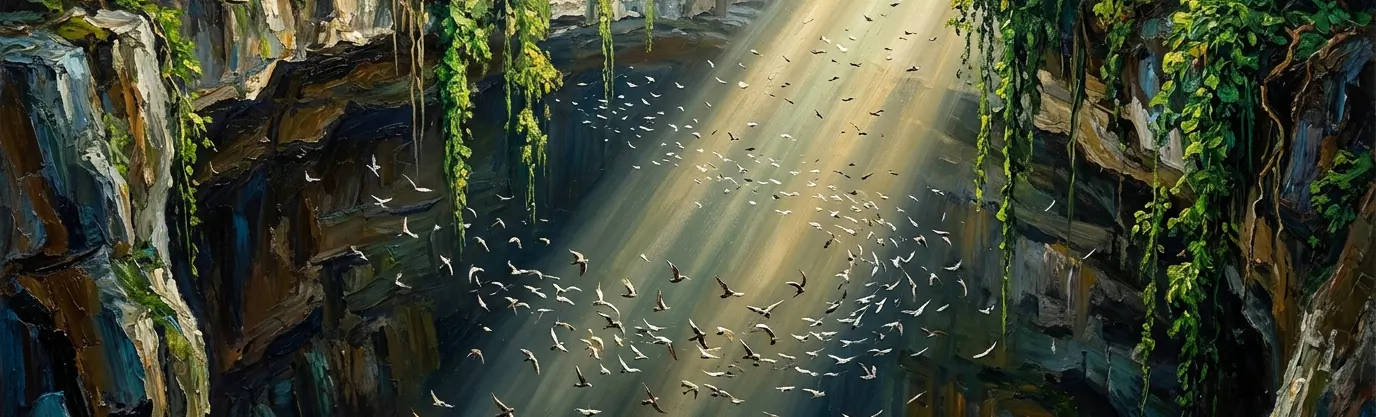
14.Which skyscraper could stand completely upright inside Mexico's Cave of Swallows?
Correct Answer: C. Empire State Building
Explanation: Hidden in the lush rainforest slopes of San Luis Potosí, Mexico, the Sótano de las Golondrinas (Cave of Swallows) is one of Earth's most breathtaking open-air pit caves. From a 60-meter-wide jungle opening, its conical limestone walls flare outward as they plunge 370 meters (1,214 feet) straight down in a single uninterrupted vertical drop.
That sheer freefall depth is so immense that New York City's entire 102-story Empire State Building (excluding its modern spire tip) or the Eiffel Tower could stand upright on the cavern floor without poking out of the jungle roof!
Ironically, the "Cave of Swallows" isn't home to swallows at all: its Spanish name comes from a local misidentification of the thousands of white-collared swifts (vencejos) and green parakeets that nest in the vertical rock walls and dive-bomb into the abyss at speeds exceeding 100 km/h every evening!
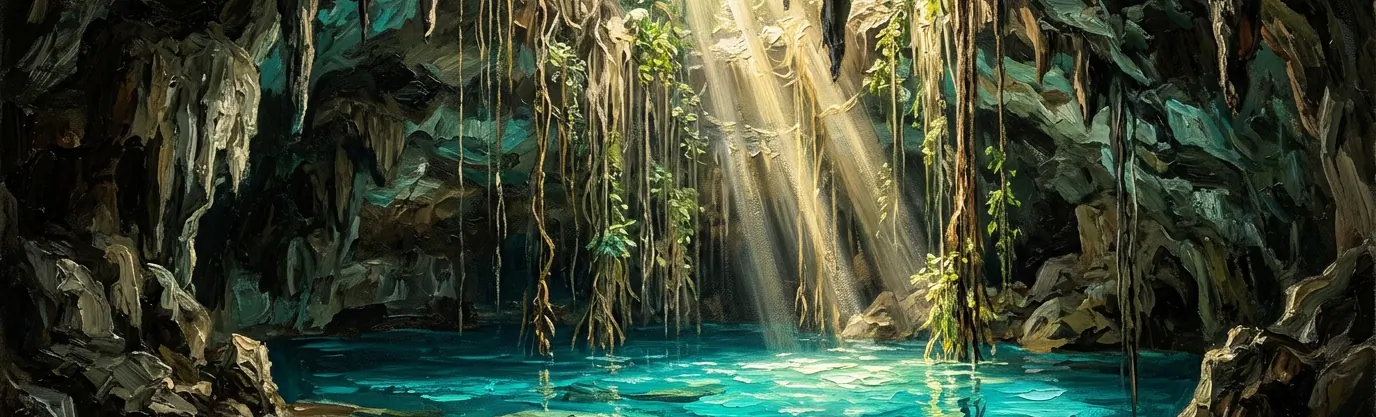
15.Why do hundreds of flooded cenote caves form a ring across Mexico's Yucatán?
Correct Answer: D. Dinosaur-killing asteroid crater
Explanation: Mexico's Yucatán Peninsula has virtually no surface rivers; instead, fresh water flows through thousands of crystal-clear flooded limestone sinkholes called cenotes (from the Mayan word ts'onot, meaning "sacred well"), which served as both the primary water source and sacred underworld portals for the ancient Maya civilization.
When geologists mapped these cenotes from satellites in the late twentieth century, they discovered a striking pattern: hundreds of deep cenotes align in a nearly perfect semicircular arc 180 kilometers (112 miles) wide, curving around the northern coast of the peninsula.
This "Ring of Cenotes" traces the exact buried rim of the Chicxulub impact crater—where a 10-kilometer-wide asteroid slammed into Earth 66 million years ago and wiped out the non-avian dinosaurs! Over millions of years, as limestone accumulated over the buried crater, fractures along the ancient impact rim channeled groundwater and collapsed into the ring of cenotes we swim in today.
16.What makes the seawater inside Capri's Blue Grotto glow electric sapphire?
Correct Answer: B. Sunlight through underwater cavity
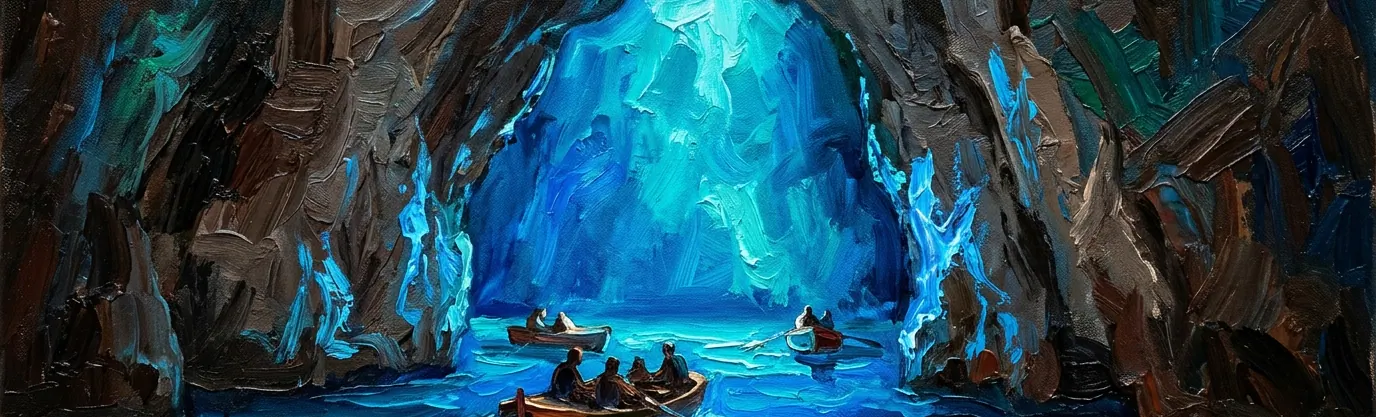
Explanation: Along the sheer limestone cliffs of the Italian island of Capri lies the Grotta Azzurra (Blue Grotto), a sea cave so famous that Roman Emperor Tiberius used it as his personal subterranean marine temple and swimming pool nearly two thousand years ago.
To enter, visitors must lie flat on the bottom of a small wooden rowboat while the oarsman pulls the vessel along an iron chain through a tiny one-meter-high keyhole opening at the water line. Once inside the dark cavern, the seawater beneath the boat radiates an otherworldly, neon-electric sapphire glow.
The secret is a second, ten-times-larger underwater window directly beneath the narrow surface entrance. As bright Mediterranean sunlight passes through nearly twenty meters of seawater before entering the cave, the water absorbs longer red and yellow wavelengths while scattering short blue wavelengths upward against the white sandy seabed!
17.Which fragile white mineral forms Russia's freezing underwater Orda Cave labyrinth?
Correct Answer: A. Gypsum
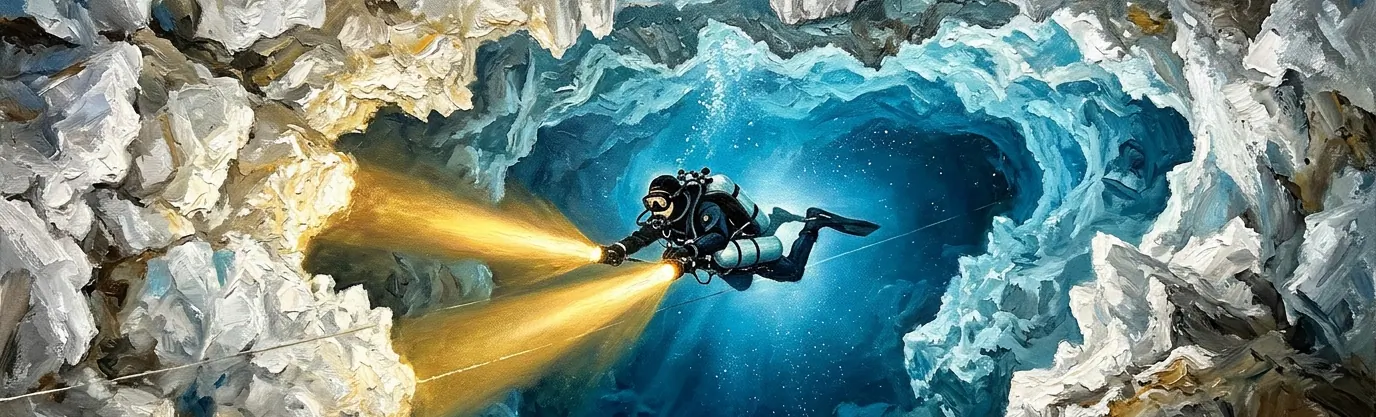
Explanation: Beneath the snow-covered western foothills of the Ural Mountains near Perm, Russia, lies Orda Cave—spanning more than 5.1 kilometers (3.2 miles), with over 4.6 kilometers completely submerged underwater, making it the longest underwater gypsum crystal cave on Planet Earth.
Unlike durable limestone caves, gypsum (calcium sulfate dihydrate) dissolves rapidly in cold water and is extremely soft and brittle. Because the mineral filters out microscopic impurities while dissolving, the freezing subterranean water (hovering around 4°C / 39°F) offers visibility exceeding 45 meters (150 feet), making cave divers look as if they are hovering in midair inside a cathedral of white marble.
However, diving inside Orda Cave requires nerves of steel: even the rising air bubbles from a scuba regulator striking the fragile gypsum ceiling can loosen multi-ton blocks of white crystal rock!
18.How did China's colorful Reed Flute Cave originally earn its poetic name?
Correct Answer: C. Instrument-making reeds outside
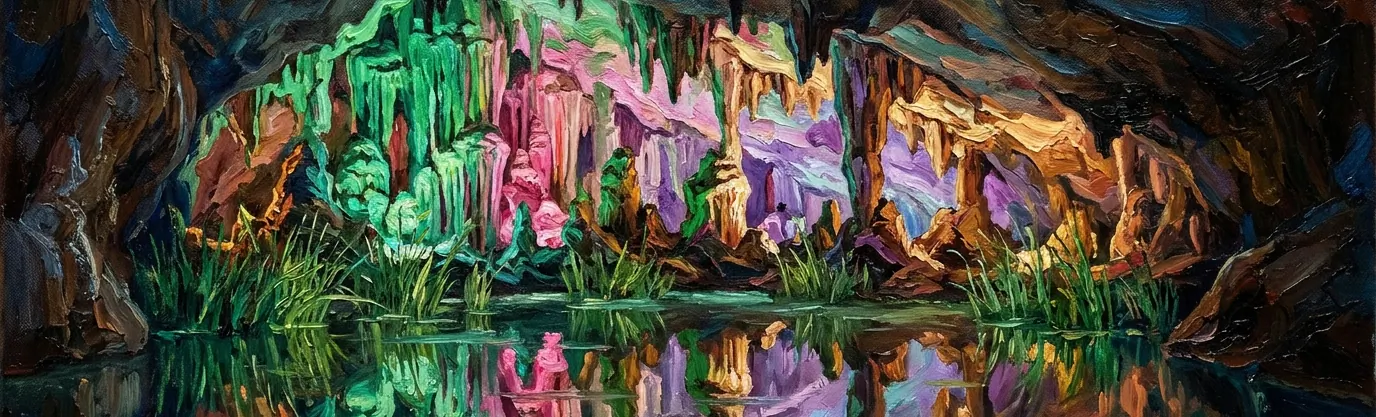
Explanation: Carved into the scenic karst peaks of Guilin in southern China's Guangxi region, Reed Flute Cave (Ludi Yan) is renowned as the "Palace of Natural Arts" for its forest of fantastical stalactites, stone curtains, and mirror-flat underground lake illuminated by vibrant multicolored lights.
Despite the cave's flute-like rock columns, its name actually comes from the lush green reeds (Phragmites) growing right outside its entrance! Since ancient times, local villagers harvested those specific hollow reeds around the cave mouth to craft crisp, melodious bamboo-style flutes—and eventually named the hidden cavern after the musical plants hiding its doorway.
Inside, historians have identified more than 70 original ink inscriptions written directly on the limestone walls by travelers, poets, and scholars dating all the way back to 792 AD during China's Tang Dynasty!
19.What are the dripping sulfuric bacterial stalactites inside Mexico's Villa Luz Cave called?
Correct Answer: D. Snottites
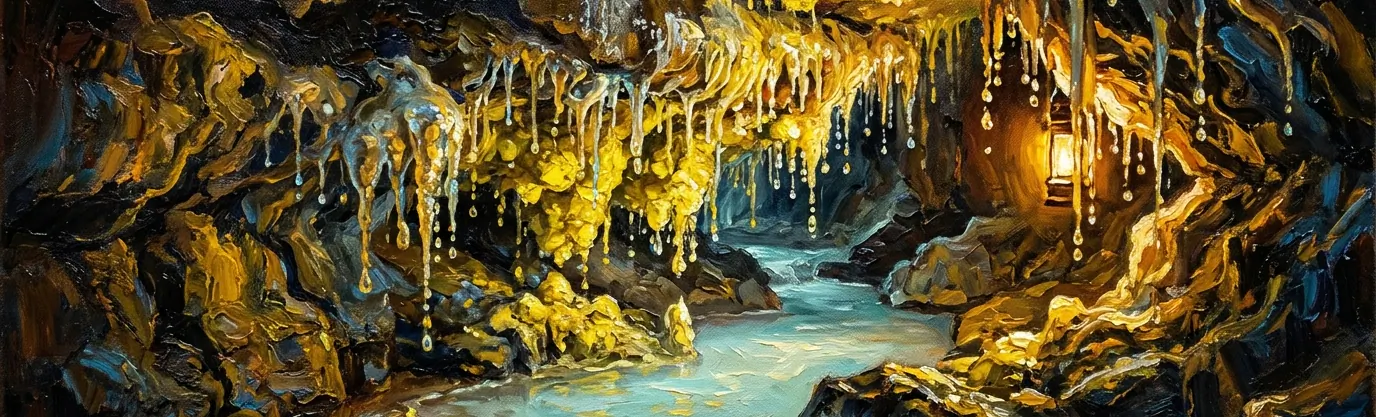
Explanation: Deep in the tropical rainforest of Tabasco, southern Mexico, Cueva de Villa Luz (Cave of the Lighted House) is fed by more than twenty underground springs bubbling with toxic hydrogen sulfide gas and milky-white elemental sulfur.
Hanging from the cave ceiling and walls are thousands of slimy, swinging, stalactite-like colonies of extremophile single-celled bacteria that cavers and astrobiologists officially christened "snottites" because they look and swing exactly like hanging strings of nasal mucus!
Far from harmless, these bacterial biofilms derive their energy by oxidizing hydrogen sulfide gas and excreting droplets of battery-strength sulfuric acid with a pH of 0 to 1—acidic enough to burn straight through human skin, dissolve clothing, and eat away the limestone ceiling at breakneck geological speed!
20.Which volcano forged Kazumura Cave, Earth's longest continuous underground lava tube?
Correct Answer: B. Kīlauea
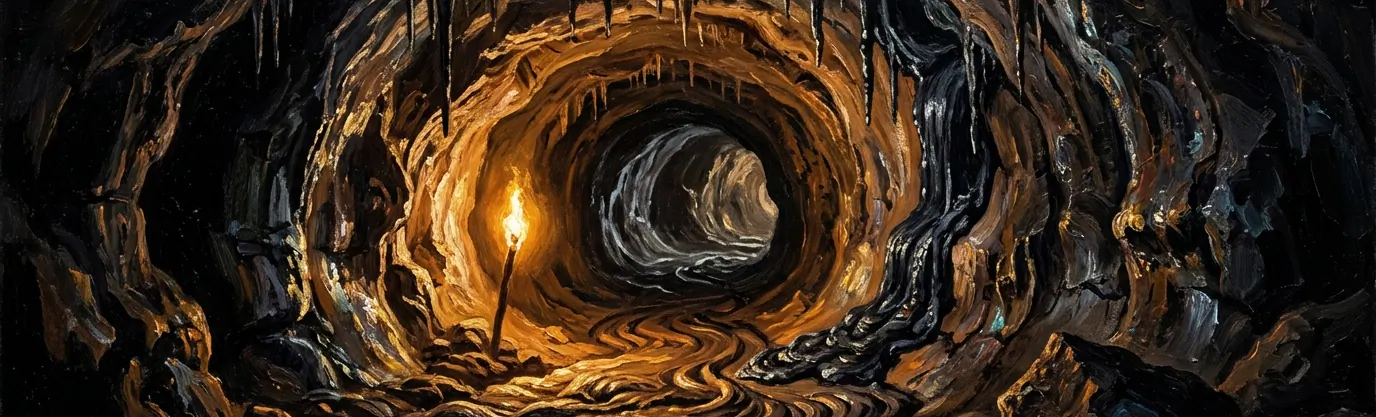
Explanation: While most caves take millions of years to dissolve in limestone, Hawaii's Kazumura Cave on the Big Island was forged in just centuries around 500 years ago by rivers of molten basaltic lava pouring down the eastern flank of Kīlauea, one of Earth's most active shield volcanoes.
As an incandescent river of lava flows downhill, its outer top and sides cool and solidify into a hard rock crust upon contact with the air, insulating the superheated molten lava still racing inside like an underground pipeline. When the volcanic eruption stops and the remaining lava drains out to the ocean, it leaves behind a hollow cylindrical tunnel called a lava tube.
Surveyed at a staggering 65.5 kilometers (40.7 miles) long and descending 1,102 meters (3,614 feet) in elevation from mountainside to coast, Kazumura Cave is both the longest and deepest known lava tube on Earth—complete with frozen lava waterfalls and vitrified basalt icicles!
21.What trapped twelve young soccer players inside Thailand's Tham Luang Cave in 2018?
Correct Answer: A. Sudden monsoon flash floods
Explanation: On June 23, 2018, twelve boys aged 11 to 16 from the "Wild Boars" (Moo Pa) youth soccer team and their 25-year-old assistant coach entered Tham Luang Nang Non—a 10-kilometer karst cave system beneath the Doi Nang Non mountain range in northern Thailand's Chiang Rai Province—for a routine post-practice outing.
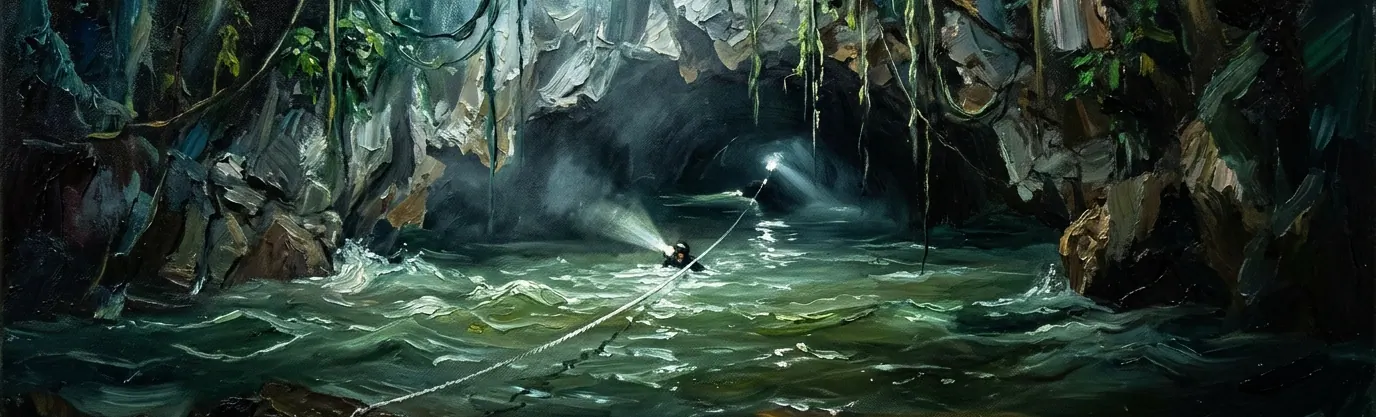
While the team explored deep inside the dry chambers, an unexpectedly early, torrential monsoon downpour struck the mountain above. Water poured through thousands of porous limestone fissures, rapidly flooding the low-lying sump bottlenecks behind them and forcing the group to retreat four kilometers deep onto a narrow muddy ledge.
After British cave divers John Volanthen and Rick Stanton surfaced in the dark chamber nine days later to find all thirteen alive, an international team of more than 10,000 personnel executed one of history's most daring rescues—sedating each boy and guiding them in full-face dive masks through zero-visibility flooded passages to safety!
22.Why was France's Chauvet Cave sealed untouched for twenty thousand years?
Correct Answer: D. Prehistoric cliff rockslide
Explanation: On December 18, 1994, three French speleologists—Jean-Marie Chauvet, Éliette Brunel-Deschamps, and Christian Hillaire—detected a faint draft of cool air blowing from a pile of limestone rubble in the cliffs above the Ardèche River gorge in southern France. Clearing away the stones, they descended into a time capsule untouched by human beings for more than 20,000 years.
Around 21,500 years ago, a massive prehistoric rockslide had collapsed the cliff overhang directly over the original cave mouth, hermetically sealing the chambers inside. Because no water or air currents disturbed the floor, the cave preserved fossilized cave bear skulls placed deliberately on stone altars alongside hardened footprints of a prehistoric child walking beside a wolf or dog.
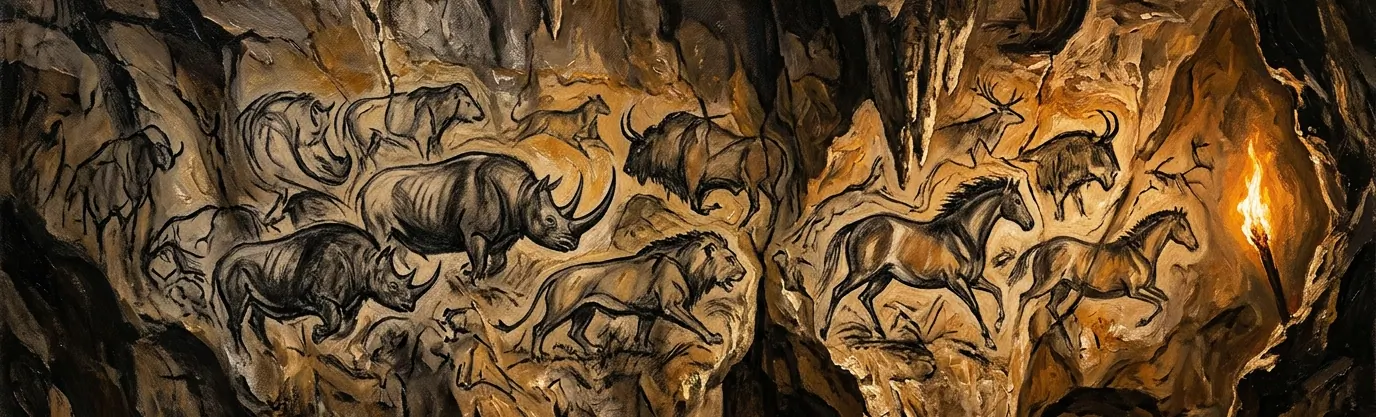
Radiocarbon dating stunned the archaeological world: Chauvet Cave's 425 dynamic paintings of prowling cave lions, dueling woolly rhinoceroses, mammoths, and galloping horses date back up to 36,000 years—nearly twice as old as Lascaux—displaying sophisticated shading and perspective previously thought impossible so early in human history!
23.What natural marvel roars through Slovenia's UNESCO-listed Škocjan Caves canyon?
Correct Answer: C. Massive underground river gorge
Explanation: In southwestern Slovenia's Kras plateau—the very limestone region that gave geology the international term "karst"—the Reka River vanishes beneath a towering cliff face and roars into the UNESCO World Heritage labyrinth of the Škocjan Caves.
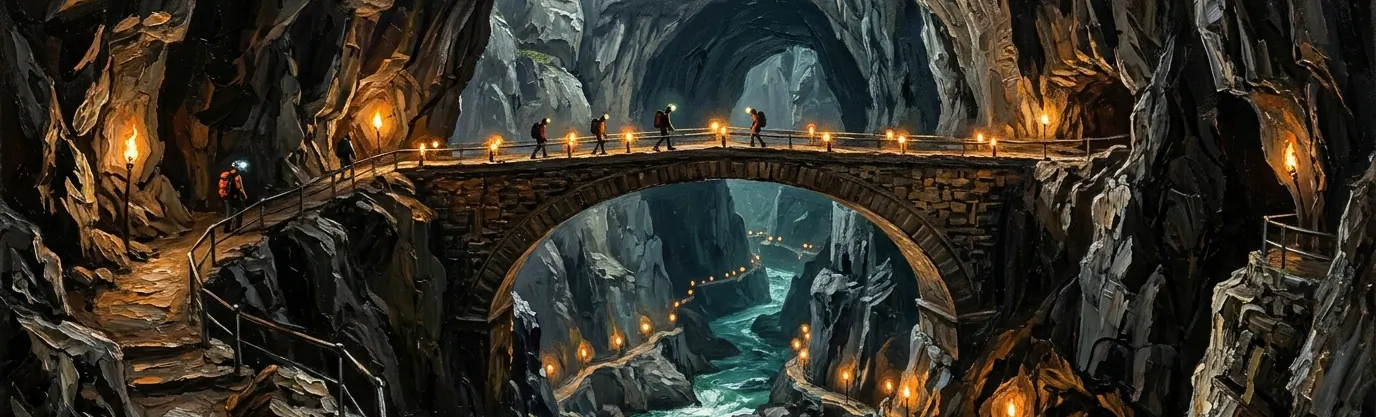
Inside, the river has carved the Martel Chamber and the largest known underground river canyon in Europe: a subterranean gorge stretching 3.5 kilometers long, 10 to 60 meters wide, and soaring up to 146 meters (479 feet) high—tall enough to swallow the Great Pyramid of Giza!
Visitors cross the dizzying Cerkvenik Bridge suspended 50 meters (164 feet) in midair above the thundering subterranean rapids and 26 underground waterfalls, experiencing what Jules Verne fans often compare to a real-life Journey to the Center of the Earth.
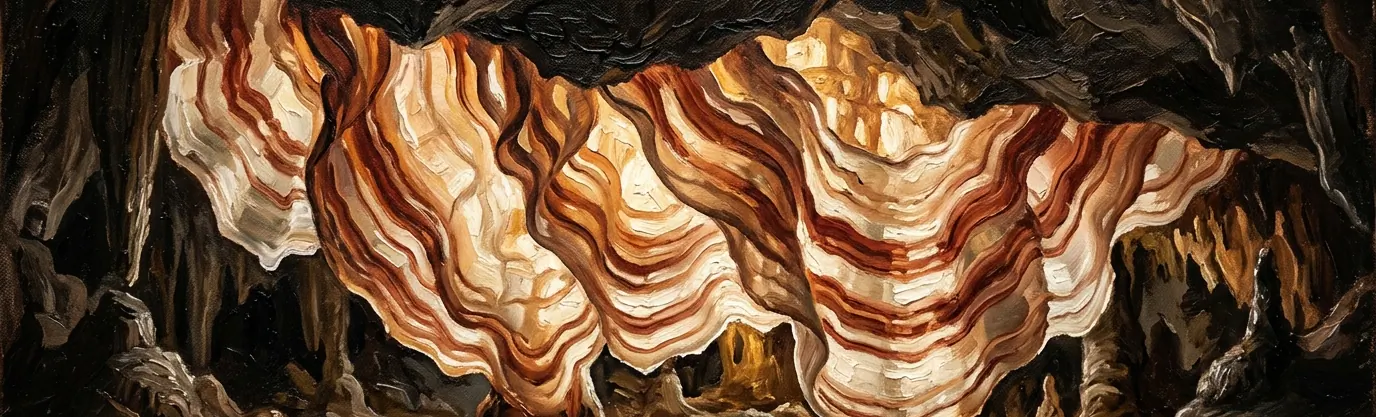
24.What causes translucent limestone cave draperies to look exactly like crispy bacon?
Correct Answer: B. Iron oxide mineral stripes
Explanation: Walk through almost any decorated limestone cavern—from Virginia's Luray Caverns to Arizona's Kartchner Caverns—and your guide will shine a flashlight behind a thin, wavy sheet of rock hanging from a slanted ceiling that looks uncannily like a giant slice of marbled breakfast bacon.
Known to speleologists as a banded drapery (and universally nicknamed "cave bacon"), this speleothem forms when water trickles continuously down an inclined ceiling crack rather than dripping straight off a single point, depositing paper-thin layers of translucent white calcite crystal over thousands of years.
Whenever surface rainwater flushes dissolved iron oxide (rust), manganese, or organic humic acids from the soil above during wet eras, the growing calcite band turns rich reddish-brown or orange; during dry spells with pure water, the layer grows creamy white—creating alternating breakfast-strip bands!
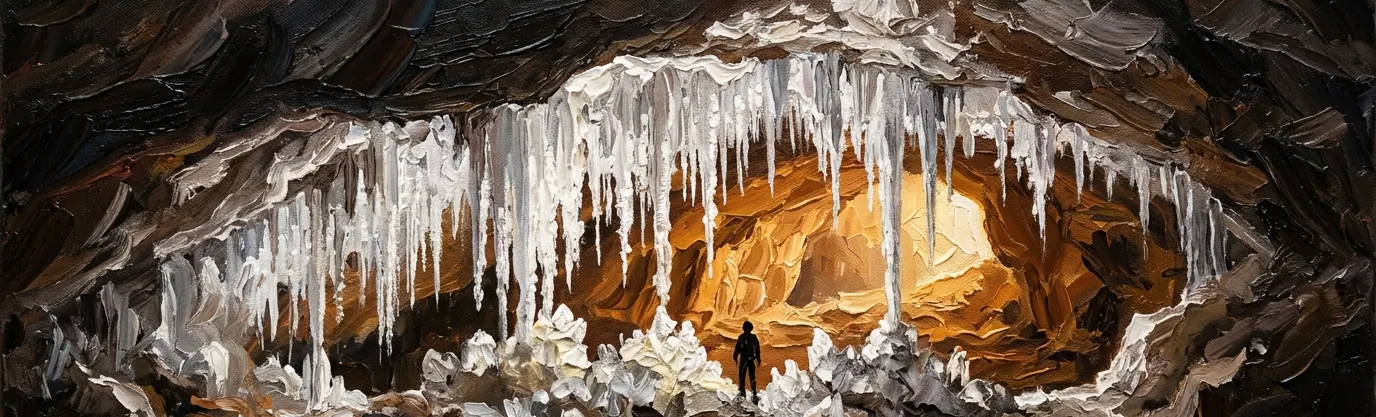
25.Beside which body of water sits Malhamam, Earth's longest solid salt cave?
Correct Answer: A. The Dead Sea
Explanation: Rising along the southwestern shore of the Dead Sea in Israel is Mount Sedom (Har Sedom)—an eleven-kilometer-long ridge that is composed of more than 80% pure rock salt (halite) pushed upward from an ancient buried sea bed under a thin cap of desert marl and conglomerate.
Inside Mount Sedom lies Malhamam Cave (Malham Cave), officially confirmed in 2019 by an international team of Israeli, Bulgarian, and European speleologists as the longest salt cave on Planet Earth, stretching more than 10 kilometers (6.2 miles) through solid crystalline salt.
Because rock salt dissolves thousands of times faster than limestone, whenever a rare desert rainstorm hits the Judean Desert just once a year, flash floods rush down vertical surface shafts and carve brand-new subterranean halls decorated with glittering white salt chandeliers that grow before explorers' eyes!
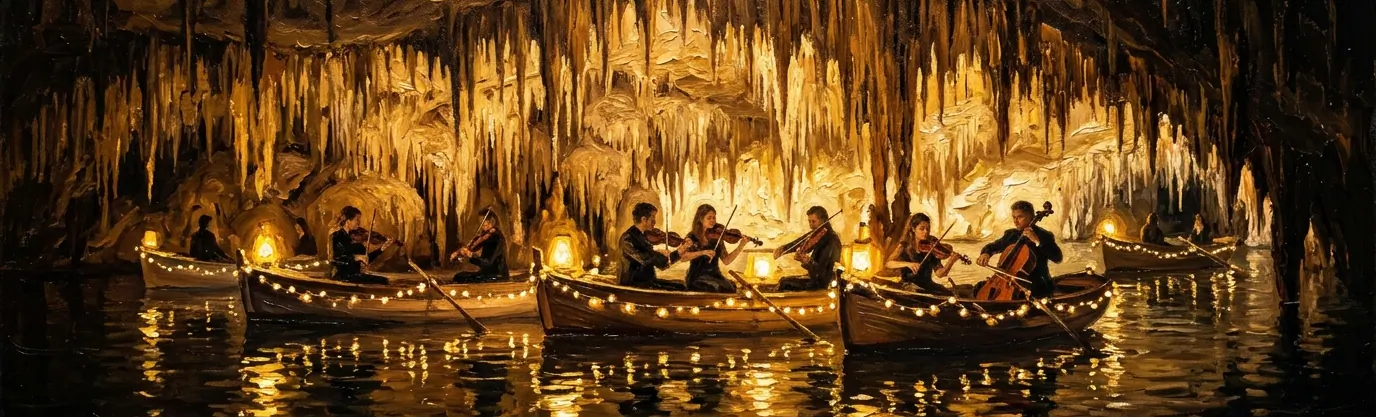
26.How do musicians perform concerts inside Spain's Cuevas del Drach cavern?
Correct Answer: D. Aboard illuminated wooden rowboats
Explanation: On the eastern coast of the Spanish Balearic island of Mallorca lies the Cuevas del Drach ("Caves of the Dragon"), a 1,200-meter-long limestone cavern system whose subterranean chambers were mapped in 1896 by the pioneering French speleologist Édouard-Alfred Martel.
At the bottom of the cavern lies Lake Martel—one of the largest underground lakes in Europe, stretching 177 meters long and 30 meters wide with crystal-clear emerald water surrounded by a natural stone amphitheater and thousands of delicate stalactites.
Since 1935, every visit to the Cuevas del Drach culminates in an unforgettable subterranean spectacle: all lights in the cavern are extinguished into total silence, and a fleet of softly illuminated wooden rowboats glides out of the darkness carrying a live classical quartet performing pieces by Chopin, Offenbach, and Pachelbel across the echoing underground water!
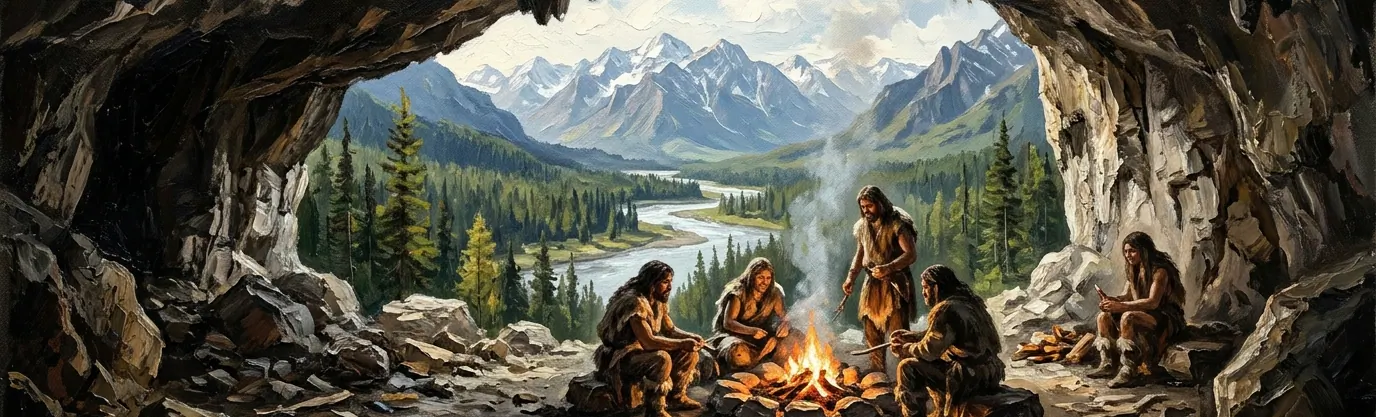
27.Which Siberian cave sheltered Neanderthals, modern humans, and a newfound archaic human species?
Correct Answer: C. Denisova Cave
Explanation: Overlooking the Anuy River valley in the Altai Mountains of southern Siberia, Russia, Denisova Cave (named after an eighteenth-century Russian hermit named Dionisiy who lived inside) is the only archaeological site on Earth proven to have been inhabited by three distinct hominin lineages: Neanderthals, modern Homo sapiens, and the mysterious Denisovans.
In 2008, Russian archaeologists excavated a tiny fragment of a juvenile fifth finger bone from a 50,000-year-old layer inside the cold cave. When geneticist Svante Pääbo's team sequenced its ancient mitochondrial DNA in 2010, they discovered it belonged to a previously unknown sister group to Neanderthals—now named Denisovans, whose genetic legacy still survives in modern Melanesian, Indigenous Australian, and Tibetan populations.
Even more remarkably, in 2018 researchers sequenced a 90,000-year-old bone fragment from the same cave belonging to "Denny"—a thirteen-year-old girl whose mother was a Neanderthal and whose father was a Denisovan, the only first-generation interspecies human hybrid ever discovered!
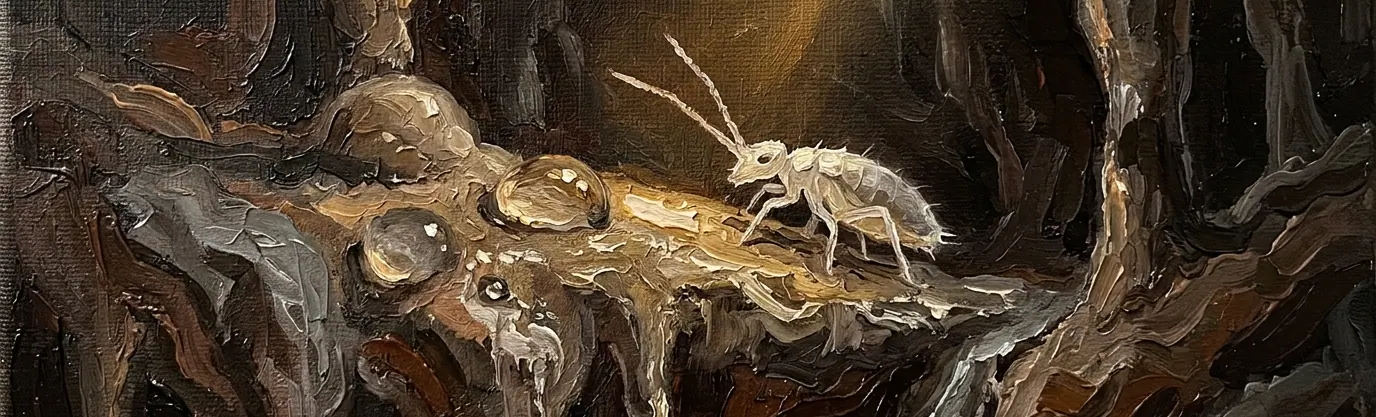
28.What tiny eyeless creature was discovered nearly two kilometers deep inside Krubera Cave?
Correct Answer: B. Blind springtail hexapod
Explanation: During the 2010 Ibero-Russian CaveX expedition into Abkhazia's Krubera-Voronja Cave (then the deepest explored cave on Earth), Portuguese biologist Sofia Reboleira set baited traps containing pungent cheese deep inside the dark, freezing vertical shafts to see if life could exist miles beneath the surface.
At an astonishing depth of 1,980 meters (6,496 feet) below the mountain entrance—where temperatures hover just above freezing at 0.5°C to 5°C in absolute, eternal darkness—she discovered Plutomurus ortobalaganensis, the deepest-living terrestrial animal ever recorded on Earth!
Measuring just 3.8 millimeters long, this eyeless, wingless six-legged arthropod (a springtail or collembolan) has evolved elongated antennae to feel its way through the pitch-black abyss, feeding on microscopic fungi growing on organic debris washed down by melting alpine snow.
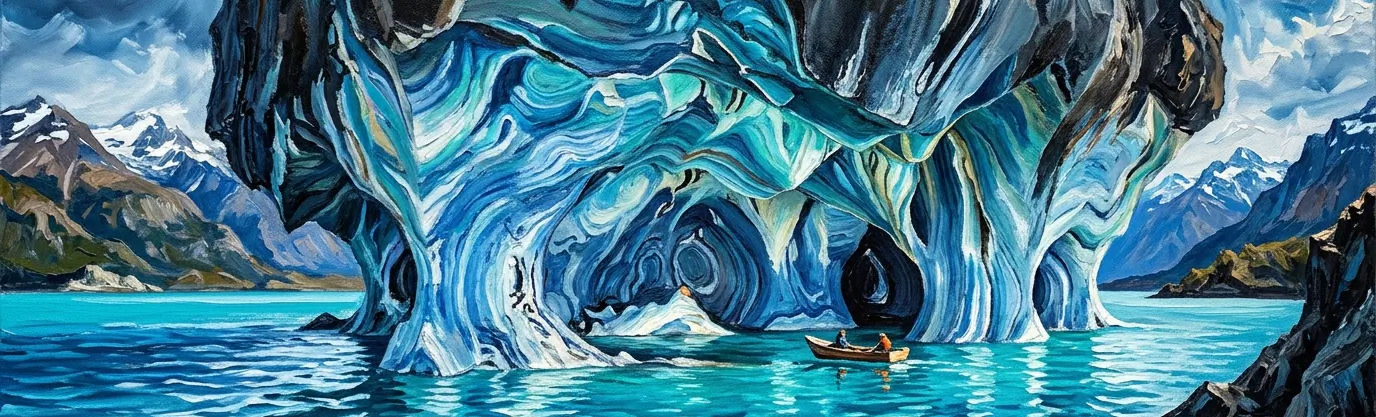
29.What sculpted Chile's swirling blue Marble Caves over six thousand years?
Correct Answer: A. Glacial lake waves
Explanation: Straddling the remote Patagonian border of Chile and Argentina lies General Carrera Lake (known in Argentina as Lake Buenos Aires), a vast glacial lake whose turquoise waters lap against one of South America's most surreal geological masterpieces: the Marble Caves (Capillas de Mármol).
Accessible only by boat or kayak, the Marble Cathedral, Marble Chapel, and Marble Cave are not ordinary limestone caverns—they are carved into a solid peninsula of 300-million-year-old metamorphic calcium carbonate marble weighing an estimated five billion tons.
Over the past 6,200 years since receding Patagonian glaciers left the lake behind, relentless wind-driven waves rich in fine glacial silt (rock flour) have polished and hollowed out swirling, ribbon-like tunnels whose white, cobalt, and pink marble bands change color throughout the year as the turquoise lake reflects onto the stone!
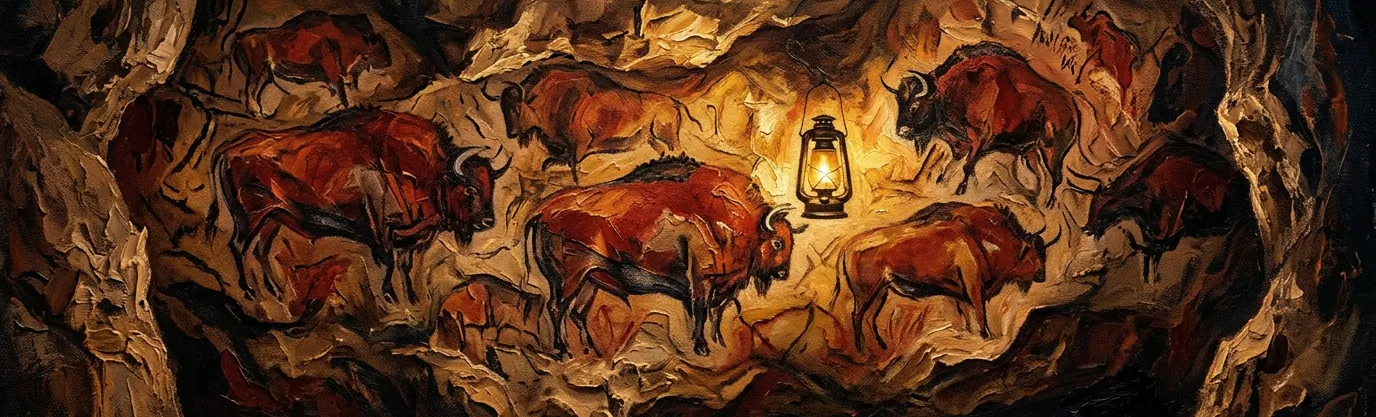
30.Why did nineteenth-century scholars initially reject Spain's Altamira Cave bison paintings as fakes?
Correct Answer: D. Too artistically sophisticated
Explanation: In 1879, amateur Spanish archaeologist Marcelino Sanz de Sautuola was exploring Altamira Cave in Cantabria, northern Spain, with his eight-year-old daughter María. Because María was short enough to stand comfortably under the low rock ceiling and look straight up, she pointed her lantern overhead and cried out, "¡Mira, papá, bueyes!" ("Look, Papa, oxen!").
Painted across the natural three-dimensional bumps of the limestone ceiling were dozens of life-sized polychrome Paleolithic steppe bison, horses, and hinds rendered in rich red ochre, hematite, and charcoal with masterful shading that made the animals appear to breathe and charge out of the rock.
When Sautuola published his findings in 1880 arguing the paintings dated to the Ice Age, Europe's leading prehistorians—led by French scholar Émile Cartailhac—mocked him and accused him of hiring a modern artist to forge the ceiling because they refused to believe "primitive" Stone Age humans possessed such genius. Only in 1902, fourteen years after Sautuola died heartbroken, did new French cave discoveries force Cartailhac to publish his famous public apology, "Mea culpa of a skeptic"!
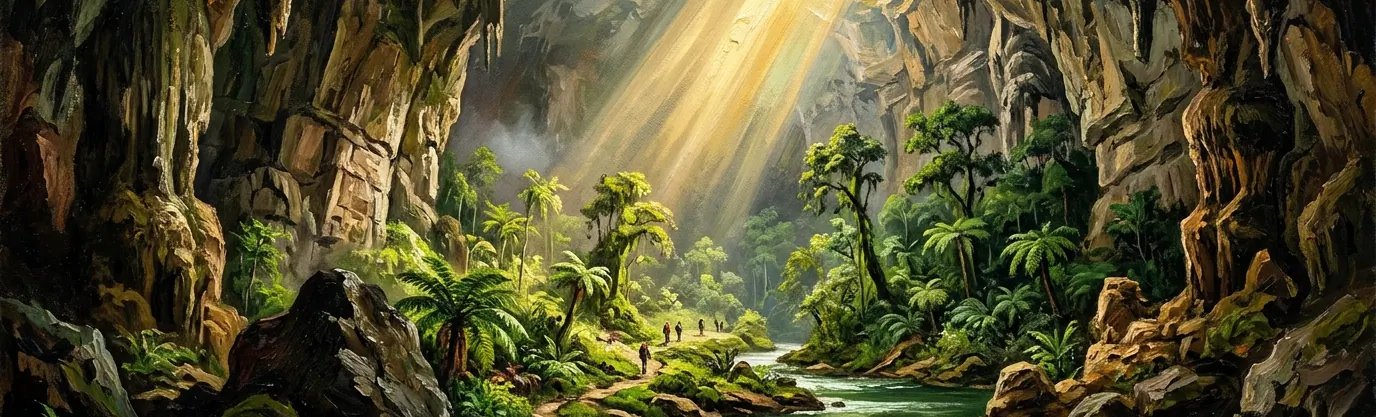
31.What allows lush green rainforests to grow deep inside Vietnam's giant caves?
Correct Answer: C. Collapsed ceiling skylight dolines
Explanation: Inside Vietnam's Hang Sơn Đoòng—the largest cave passage on Earth by total volume (38.5 million cubic meters)—explorers hiking miles underground suddenly emerge from pitch darkness into a steaming, sunlit tropical rainforest thriving 200 meters beneath the surface of Phong Nha-Kẻ Bàng National Park.
Between 300,000 and 500,000 years ago, two weak sections of the colossal limestone cavern roof collapsed inward, creating twin giant sinkhole skylights known to geologists as dolines ("Watch Out for Dinosaurs" and "The Garden of Edam").
Because beams of tropical sunlight, monsoon rain, and wind-blown seeds pour down through these 160-meter-wide ceiling skylights, a complete underground jungle ecosystem has grown atop the fallen rock pile—complete with 30-meter-tall trees, ferns, hornbills, flying foxes, and monkeys climbing down the vertical cliffs to pick fruit inside the cave!
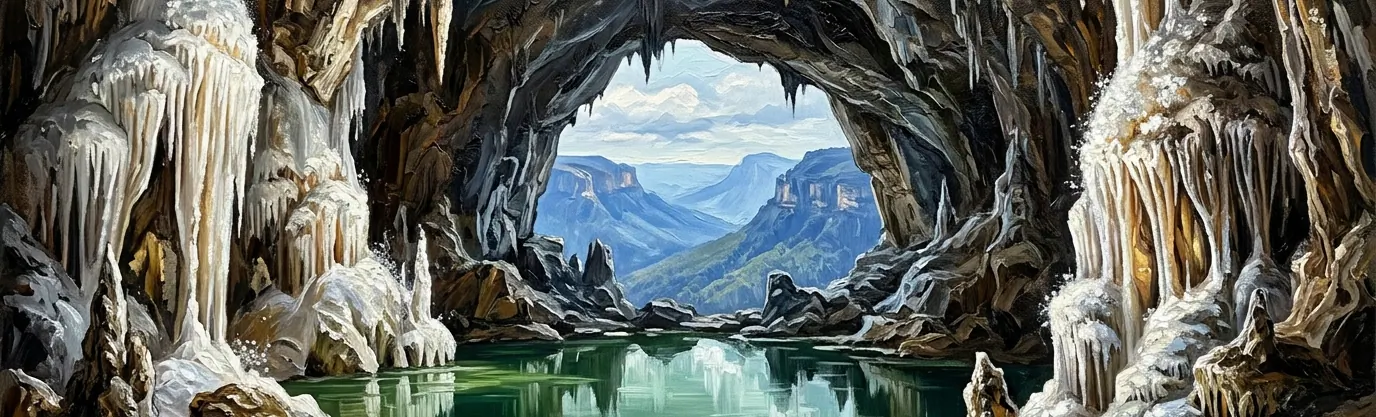
32.Which country's Blue Mountains hide Jenolan Caves, Earth's oldest dated open caverns?
Correct Answer: B. Australia
Explanation: Tucked into the rugged eucalyptus wilderness of the Greater Blue Mountains World Heritage Area west of Sydney, New South Wales, Australia's Jenolan Caves are a dazzling network of eleven show caves famous for snow-white calcite shawls, underground rivers, and cathedral-scale acoustics.
For decades, geologists assumed open limestone caves rarely survived more than a few tens of millions of years before eroding away or collapsing. Then in 2006, scientists from Australia's CSIRO used potassium-argon dating on clay minerals deposited inside the caves and made a jaw-dropping discovery.
The clay deposits inside Jenolan Caves proved that the caverns have stood open since the Carboniferous Period 340 million years ago—making Jenolan the oldest verified open cave system on Planet Earth, already ancient more than a hundred million years before the first dinosaurs ever walked the surface!